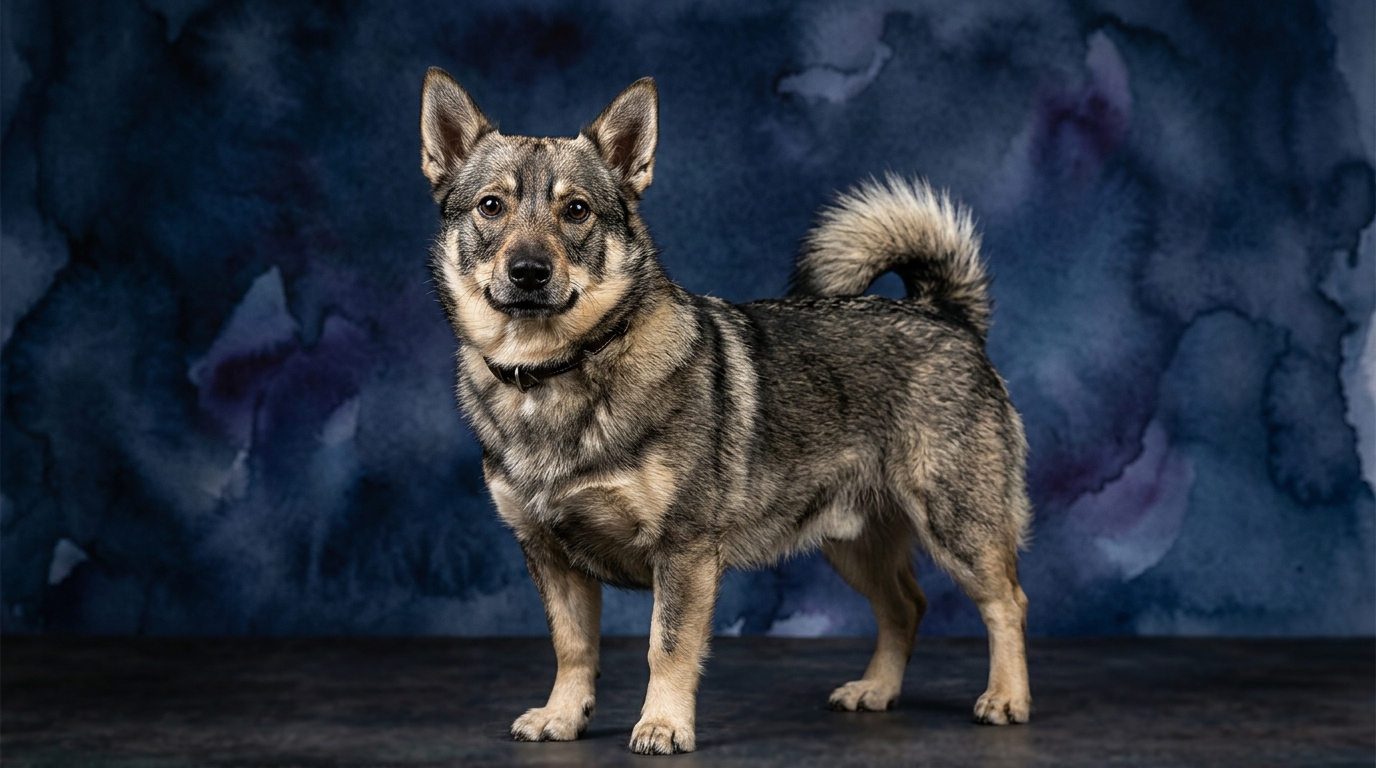
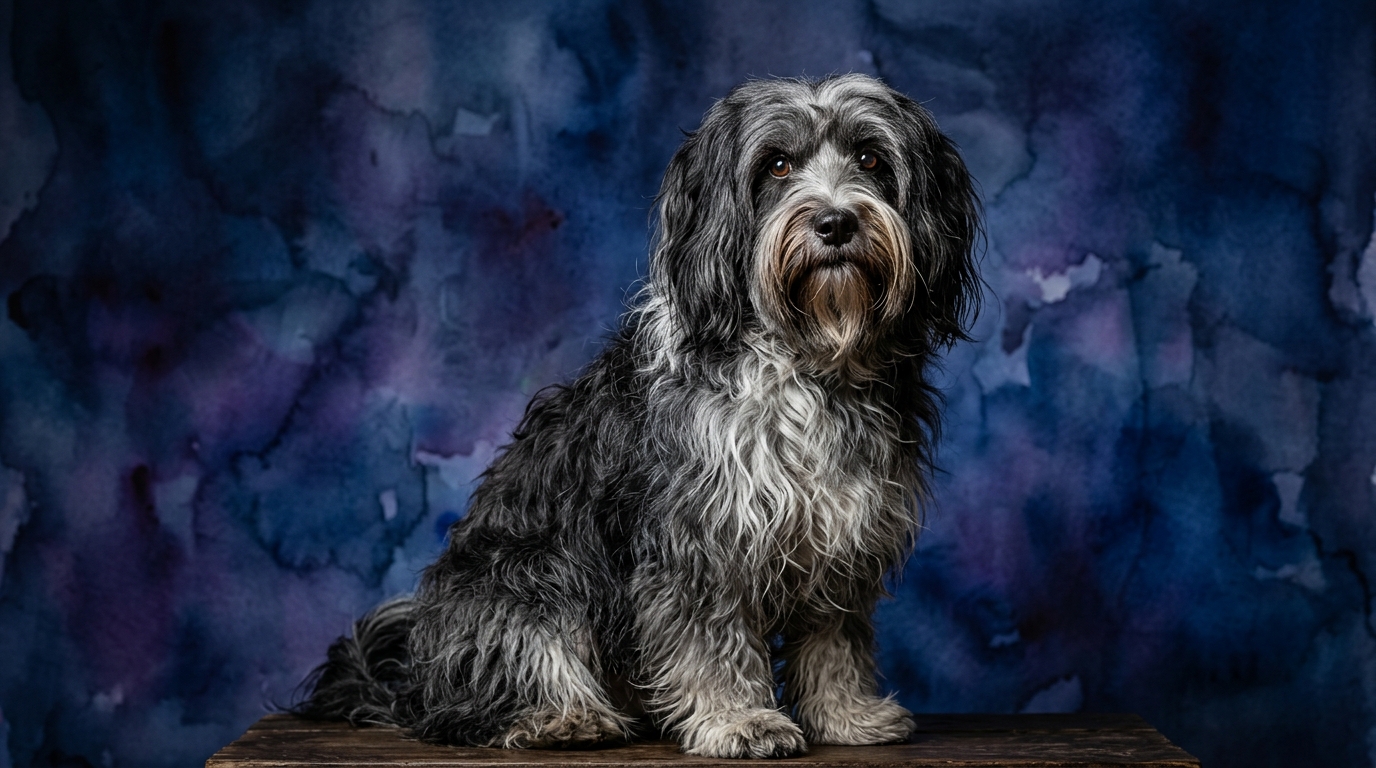
Side-by-Side Cognitive Profile
Delving into the cognitive makeup of the Swedish Vallhund, we observe a practical intellect honed by centuries of herding. Their Problem Solving (3/5) manifests as an aptitude for navigating dynamic environments and executing strategic decisions, such as anticipating livestock movement or finding efficient routes. Training Speed (3/5) is steady, with the Vallhund often responding best to tasks that feel purposeful, absorbing commands when they align with their innate drive. Their Social Intelligence (3/5) involves a keen awareness of their human family and surroundings, often acting as a vigilant observer of group dynamics. The Instinctive Drive (3/5) is robust, characterized by a natural inclination to herd, chase, and manage. Finally, their Memory (3/5) is reliable, allowing them to recall complex routines, learned behaviors, and environmental layouts with consistency.
The Tibetan Terrier presents a different shade of intelligence, rooted in their role as a companion and guardian in challenging terrains. Their Problem Solving (3/5) often involves a thoughtful approach to domestic situations, figuring out how to achieve comfort or communicate needs effectively within a home environment. Training Speed (3/5) is also consistent, with these dogs learning well through positive reinforcement and engaging methods that respect their independent spirit. Their Social Intelligence (3/5) is particularly nuanced, demonstrating a remarkable ability to perceive human emotions and adapt to family rhythms, fostering deep connections. The Instinctive Drive (3/5) is geared towards companionship, alert guardianship, and a natural curiosity for exploration. Their Memory (3/5) is strong, allowing them to retain knowledge of people, established routines, and both positive and negative experiences, contributing to their adaptable nature.
Where the Swedish Vallhund Wins Cognitively
The Swedish Vallhund's cognitive strength lies in its practical application of problem-solving within dynamic, task-oriented scenarios. Their herding background means they excel at anticipating movement and making quick decisions in fluid situations, a skill that translates well to agility sports or complex obedience sequences requiring independent thought. This breed often demonstrates a focused determination when given a job, using their observational skills to analyze and react to changing conditions more spontaneously than the Tibetan Terrier. Their social intelligence is geared towards understanding the 'flow' of a group, whether livestock or family, making them adept at subtle control and management. This makes them particularly effective in roles requiring quick, autonomous judgments in a changing environment.
Where the Tibetan Terrier Wins Cognitively
The Tibetan Terrier shines in its nuanced social intelligence and adaptive problem-solving within a domestic context. They often exhibit a remarkable ability to 'read' their human companions, understanding unspoken cues and emotional states with a sensitivity that can feel almost intuitive. This makes them exceptional at adapting to household routines and subtle human expectations. Their problem-solving often manifests as clever ways to achieve comfort or attention, using their memory to recall which behaviors elicit desired responses. This breed's cognitive strength is in their thoughtful approach to interaction and their capacity for deep, empathetic connection within their social circle, making them highly attuned to their family's emotional landscape.
Training Dynamics: Vallhund vs. Tibetan Terrier
While both breeds share a 3/5 training speed, their underlying motivations and behavioral tendencies create different training experiences. The Swedish Vallhund, with its herding drive, often responds well to training that involves a clear purpose or 'job,' finding satisfaction in completing tasks. They can be eager to please a consistent leader but may also display independent decision-making rooted in their herding instincts, which can sometimes be perceived as stubbornness if not channeled appropriately. Their focus on external stimuli in a working context can make them quicker to grasp commands tied to action, provided the training is engaging and consistent.
The Tibetan Terrier, conversely, approaches training with a more companion-oriented mindset. They learn effectively when the training is fun, positive, and strengthens their bond with their owner. Their independent streak means they might question the necessity of a command, requiring patience and creative motivation rather than strict repetition. They are sensitive to tone and body language, making harsh methods counterproductive. While they might take a moment longer to internalize a command initially due to their thoughtful nature, their excellent memory ensures once learned, it is well-retained. Therefore, the Vallhund might appear more straightforward for task-based obedience, while the Tibetan Terrier requires a more relationship-focused, gentle approach.
Matching Breeds to Lifestyles
The Swedish Vallhund is an excellent match for active owners who relish engaging their dog in various physical and mental pursuits. Their robust instinctive drive and problem-solving skills thrive in environments offering regular exercise, dog sports like agility or herding trials, and consistent mental challenges. They are not content with mere backyard lounging; their cognitive and physical energy demands outlets that mirror their historical working roles. Owners who enjoy hiking, long walks, or structured play sessions will find a highly motivated and engaged companion in the Vallhund, one that thrives on having a 'job' to do.
The Tibetan Terrier, while capable of activity, is better suited for owners who appreciate a balanced lifestyle with periods of both engagement and relaxation. While they enjoy walks and playtime, their instinctive drive leans more towards companionship and comfortable vigilance within the home. They adapt well to a more relaxed household rhythm, as long as they receive consistent attention and opportunities for mental stimulation through puzzle toys or interactive play. Their social intelligence means they genuinely enjoy being part of family activities, whether it's a quiet evening or a casual stroll. Owners looking for a perceptive, adaptable companion who thrives on close interaction, rather than constant high-intensity activity, will find the Tibetan Terrier an ideal fit.
The Verdict
Opt for the Swedish Vallhund if you seek a vigilant, task-oriented companion eager for purposeful activity and who thrives on making independent decisions in dynamic environments.
Select the Tibetan Terrier if you desire a perceptive, adaptable companion who excels at reading human emotions and thrives on close, empathetic social interaction within a balanced home life.
🧠 Find Your Pet's IQ Score
Our Pet IQ Lab assessment covers 25+ tests across 5 cognitive dimensions — personalized to your breed.
Take the Full IQ Test →Frequently Asked Questions
Are Swedish Vallhunds good with children?
Swedish Vallhunds, with their herding instincts and social intelligence, can be excellent with children, often acting as watchful and playful companions. However, their urge to 'herd' might mean nipping at heels, so early socialization and supervision are crucial to guide their natural behaviors.
Do Tibetan Terriers bark a lot?
Tibetan Terriers can be quite vocal, using barks to alert their family to perceived strangers or unusual sounds, a trait stemming from their historical role as watchdogs in the Himalayas. Consistent training can help manage excessive barking, but they will always retain their communicative nature.
Which breed is more independent?
Both breeds possess a degree of independence, but it manifests differently. The Swedish Vallhund's independence often relates to making on-the-spot decisions during work, while the Tibetan Terrier's independence is more about a thoughtful, 'what's in it for me' approach to compliance, requiring consistent, positive motivation.