Side-by-Side Cognitive Profile: Swedish Vallhund vs. Treeing Walker Coonhound
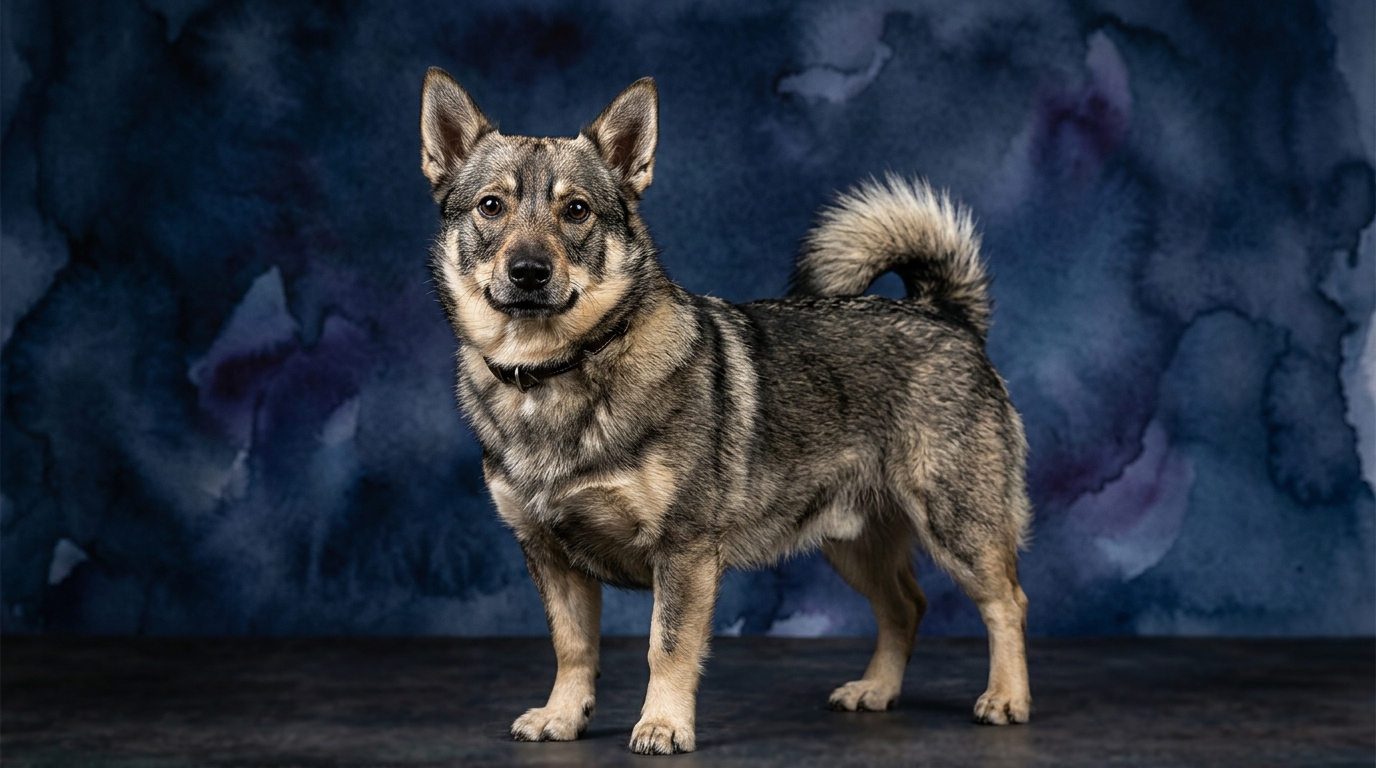
The Swedish Vallhund, a resilient herding dog from Scandinavia, consistently scores a 3/5 across all five cognitive dimensions. Their problem-solving capacity, rated at 3/5, is typically directed towards practical, real-world tasks such as strategically moving livestock, navigating complex farm layouts, or figuring out how to retrieve a toy from an awkward spot. This isn't about abstract puzzles, but efficient, adaptable solutions within their working and domestic environments, often involving foresight and spatial reasoning.
Their training speed, also a 3/5, reflects a moderate but consistent ability to absorb new commands and routines. Vallhunds generally possess a strong desire to engage with their human handlers, making them receptive to positive reinforcement and consistent training methods, even if they don't grasp complex sequences instantaneously. This cooperative spirit is a hallmark of their herding ancestry, where working in tandem with a human was essential.
Social intelligence for the Vallhund stands at 3/5, manifesting as a balanced understanding of human cues and a capacity to integrate smoothly into multi-pet households. Bred to live closely with families and other farm animals, they demonstrate an ability to read subtle shifts in household dynamics and adapt their behavior accordingly, contributing to their reputation as adaptable family companions. Their instinctive drive, rated 3/5, is primarily expressed through herding behaviors like gathering, patrolling, and sometimes a characteristic heel-nip, a vestige of their cattle-driving heritage that requires appropriate outlets. Finally, their memory, also 3/5, ensures they recall routines, learned commands, and the layout of their environment effectively, contributing to their reliable performance in various activities.
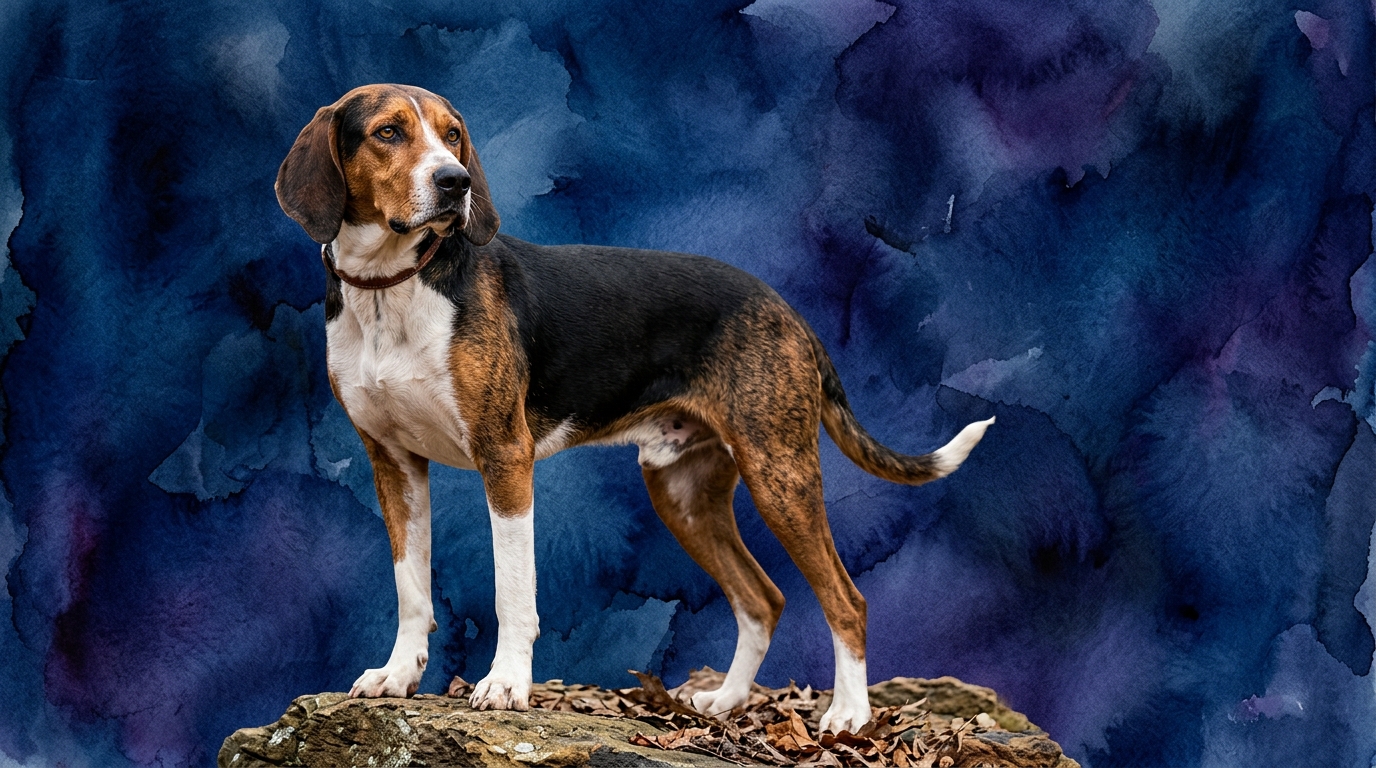
The Treeing Walker Coonhound, a quintessential American hound, also registers a consistent 3/5 across the same five cognitive dimensions, yet their expression of these traits is distinctly different. Their problem-solving ability, rated 3/5, is intensely focused on their primary function: tracking and treeing quarry. They excel at deciphering intricate scent trails, navigating challenging terrains, and strategically cornering an animal, showcasing a determined, scent-driven approach to solving the 'where is the prey?' conundrum rather than human-centric tasks. This involves complex pattern recognition and environmental interpretation based predominantly on olfactory data.
The Coonhound’s training speed, also at 3/5, is often influenced by their powerful independent nature and overwhelming olfactory distractions. While capable of learning commands steadily, their focus can easily be diverted by a compelling scent, requiring exceptional patience, high-value motivation, and consistency from their trainers to maintain engagement. This means they learn, but their attention is selectively engaged based on their primal drives.
Their social intelligence, at 3/5, is rooted in their history as pack hunters. They understand pack dynamics well and are generally amiable with people, though their social cues might be more direct and less nuanced than breeds developed for constant human partnership in non-hunting roles. The Coonhound's instinctive drive, a moderate 3/5, is overwhelmingly dominated by their prey drive and scenting abilities, manifesting as a relentless pursuit of interesting smells, an inclination to 'tree' anything that climbs, and a characteristic baying vocalization once a scent is locked. Their memory, also 3/5, is particularly robust for scent patterns, successful hunting routes, and the precise locations of previous finds, ensuring they can revisit productive areas and recall complex trails with remarkable accuracy.
Where the Swedish Vallhund Wins Cognitively
Despite identical numerical scores, the Swedish Vallhund's cognitive strengths lean towards cooperative problem-solving and adaptable learning within a structured environment. Their problem-solving (3/5) is often directed at managing and anticipating the movements of others, whether livestock or family members, making them adept at understanding social dynamics and adjusting their actions accordingly. This generalist approach allows them to excel in diverse roles beyond their original herding tasks, such as agility or obedience.
The Vallhund’s training speed (3/5) benefits from a stronger inherent desire to engage with and please their human handler, fostering a collaborative learning environment. This cooperative spirit makes them appear more receptive to diverse training regimens, from basic manners to complex tricks, because their attention is less likely to be completely hijacked by external sensory input compared to a scent-driven hound. They process information from their environment and handler more broadly, allowing for more versatile learning.
Furthermore, the Vallhund's social intelligence (3/5) often manifests as a keen awareness of their human family's moods and routines. They tend to integrate smoothly into household life, demonstrating an intuitive ability to adapt their behavior based on subtle shifts in the domestic environment. This trait, refined by centuries of living alongside people and other animals on a farm, allows them to be highly attuned family members, often anticipating needs or moods without explicit commands.
Where the Treeing Walker Coonhound Wins Cognitively
The Treeing Walker Coonhound's cognitive strengths are deeply rooted in their specialized hunting role, showcasing a different kind of mental prowess. Their problem-solving (3/5) excels in the realm of complex sensory interpretation and persistence. When presented with a challenging scent puzzle—be it a faint trail, cross-contamination, or difficult terrain—the Coonhound exhibits an unparalleled determination to unravel it, demonstrating a specific type of cognitive endurance and focus that is distinct from the Vallhund's more generalized strategies.
The Coonhound's instinctive drive (3/5), while moderate in intensity, is incredibly focused and resilient. Once a scent is engaged, their memory (3/5) for that trail and their ability to stay on task is formidable. This specialized cognitive ability allows them to ignore distractions that would deter other breeds, showcasing a single-minded dedication to their primary purpose, often for hours on end, without human intervention or encouragement.
Their social intelligence (3/5), while perhaps less tuned to human emotional nuances than a herding dog, is highly effective within a working pack. Coonhounds understand the unspoken rules of canine communication, demonstrating an ability to cooperate with other hounds in a hunting scenario. Their robust vocalizations, particularly their distinctive baying, serve as a clear and effective communication system in the field, a specialized form of social interaction within their working context.
Training Dynamics: Which is Easier and Why
When considering ease of training, the Swedish Vallhund generally presents a more straightforward experience for a wider range of activities. Their cooperative nature means they often inherently want to learn and engage with their handler, making training feel more like a collaborative effort. While their training speed is a moderate 3/5, their consistency and focus on human cues allow for structured obedience, agility, and trick training to progress steadily and without significant behavioral roadblocks. They are less prone to becoming fixated on external stimuli and ignoring commands.
The Treeing Walker Coonhound, conversely, can be trained effectively, but it requires a more specific approach, greater patience, and an understanding of their powerful motivators. Their instinctive drive for scenting is paramount, meaning that if a compelling smell is present, their focus on human commands can diminish significantly. Training often needs to incorporate their natural drives, for example, using scent work as a reward or integrating their baying into specific tasks, rather than fighting against these deep-seated instincts.
Therefore, 'easier' is relative to the owner’s goals and understanding. The Vallhund's generalist cognitive approach makes them versatile students for diverse disciplines, providing a more predictable and broadly applicable training experience. The Coonhound’s specialized cognitive focus means their learning is often context-dependent, demanding a trainer who can harness their powerful instincts and manage their independent nature effectively, making their training journey a unique challenge and reward.
Matching Breeds to Lifestyles: Active vs. Relaxed Owners
Both the Swedish Vallhund and the Treeing Walker Coonhound are active breeds, but the nature of their activity differs significantly, making them suitable for distinct owner lifestyles. The Swedish Vallhund thrives with active owners who can provide consistent mental stimulation, structured physical exercise, and a sense of purpose. They benefit immensely from activities like agility, obedience, herding trials, or even just complex puzzle toys and regular training sessions that tap into their problem-solving abilities. Their activity is often directed and cooperative, making them excellent partners for owners who enjoy engaging with their dogs in shared activities.
For owners with a more relaxed lifestyle, the Vallhund might tolerate slightly less intense physical activity if their mental enrichment needs are rigorously met indoors, such as through interactive games and consistent training. They adapt well to apartment living provided they receive regular, purposeful outdoor excursions and mental challenges to prevent boredom and destructive behaviors.
The Treeing Walker Coonhound, however, is unequivocally suited for highly active, outdoors-oriented owners who are prepared to embrace a dog whose world revolves around scent and sustained physical exertion. They require extensive daily exercise, particularly off-leash in secure areas where they can indulge their scenting instincts and run. Their activity is often independent and driven by their nose, leading them to explore vast areas with unwavering focus.
A truly relaxed owner will find a Coonhound overwhelming. Without adequate opportunities to fulfill their powerful instinctive drive, Coonhounds can become bored, destructive, or prone to escape attempts in pursuit of interesting smells. They are not dogs that will be content with only a few short walks; they need sustained, instinct-driven exercise and mental stimulation from scent work to be balanced and content companions.
The Verdict
If you seek a cooperative canine partner eager to engage in diverse training and family activities, and appreciate a dog whose cognitive focus is primarily on its human companions, the Swedish Vallhund is an excellent choice.
Opt for the Treeing Walker Coonhound if you are an dedicated outdoors enthusiast ready to embrace a dog whose world revolves around scent, providing ample opportunities for tracking and independent exploration, and are prepared for their unique vocalizations.
🧠 Find Your Pet's IQ Score
Our Pet IQ Lab assessment covers 25+ tests across 5 cognitive dimensions — personalized to your breed.
Take the Full IQ Test →Frequently Asked Questions
Are Swedish Vallhunds good for first-time dog owners?
Swedish Vallhunds can be suitable for first-time owners who are committed to consistent training and providing ample mental and physical stimulation. Their cooperative nature and moderate training speed make them responsive, but their herding instincts require guidance to ensure appropriate behavior and prevent heel-nipping.
Do Treeing Walker Coonhounds need a lot of space?
Treeing Walker Coonhounds benefit greatly from a secure, spacious yard where they can explore scents safely, but this isn't strictly about square footage as much as access to varied environments. More importantly, they require extensive daily exercise, including opportunities for long walks or runs where their powerful scenting drive can be satisfied, ideally in a safe, fenced area.
How do these breeds typically interact with children and other pets?
Both breeds can be good with children and other pets with proper socialization. Swedish Vallhunds, with their farm background, often integrate well into family life, though their herding instincts might lead to gentle 'nipping' at heels needing management. Treeing Walker Coonhounds, bred to hunt in packs, are generally amiable with other dogs and can be tolerant with children, but their strong prey drive requires careful supervision around smaller, non-canine pets.