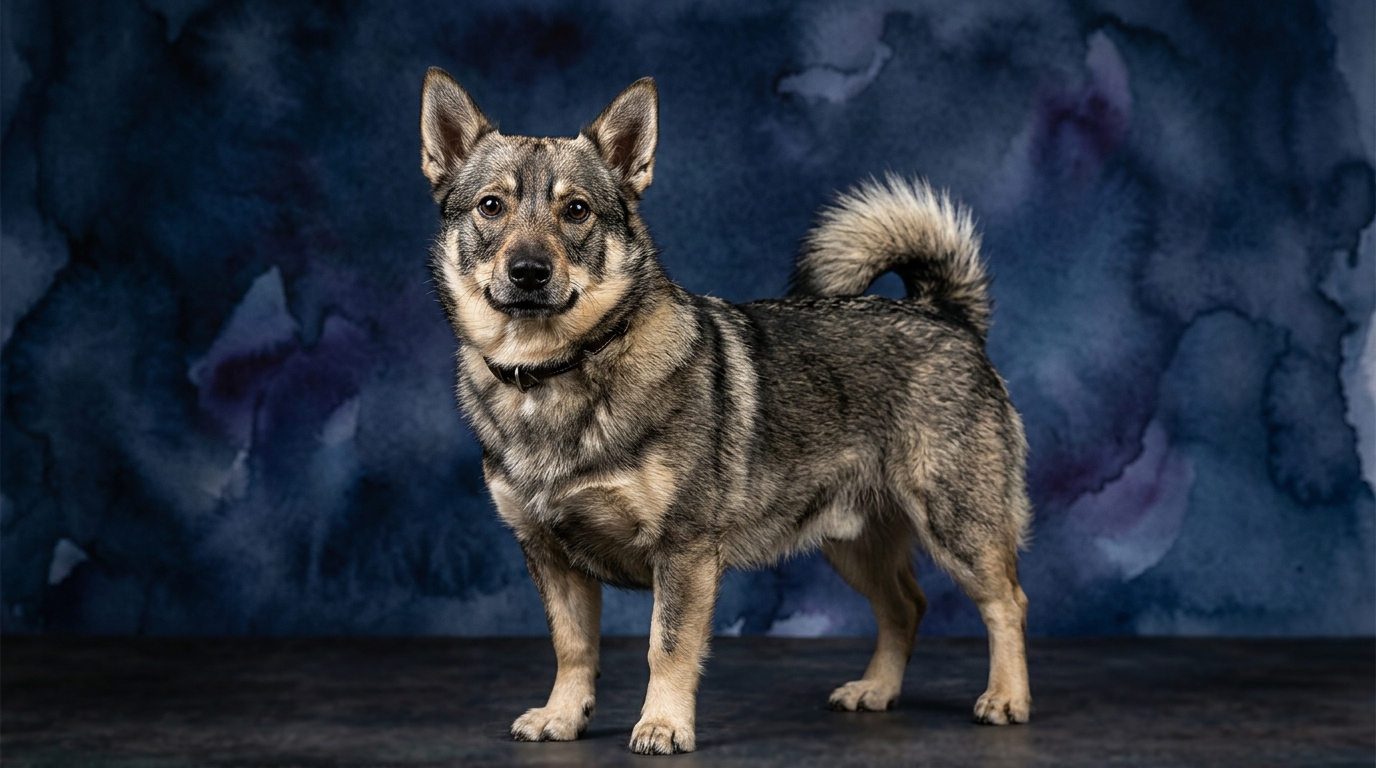
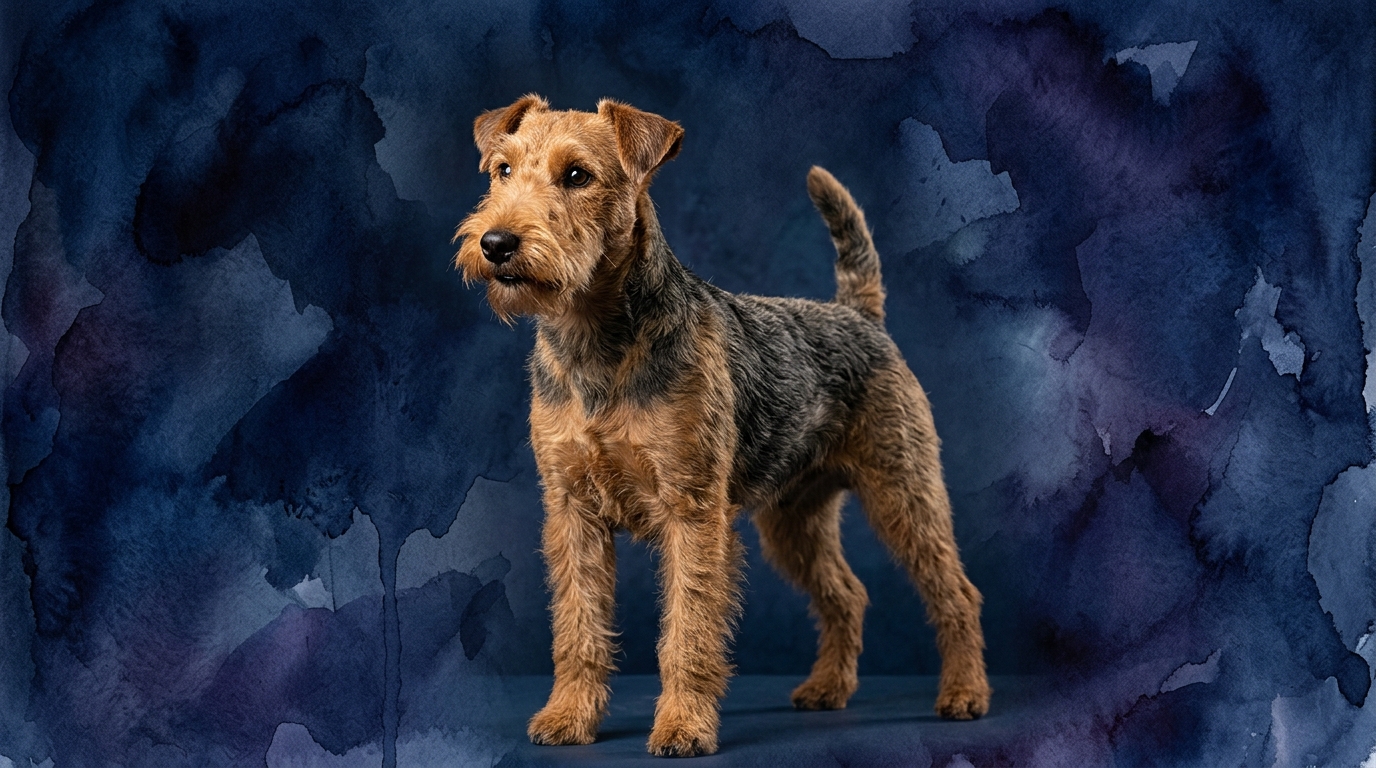
Side-by-Side IQ Profile
The Cosmic Pet's IQ Lab evaluates canine intelligence across five key dimensions, and for both the Swedish Vallhund and the Welsh Terrier, the scores are remarkably consistent: 3/5 in Problem Solving, Training Speed, Social Intelligence, Instinctive Drive, and Memory. While these numerical similarities might suggest identical cognitive abilities, understanding their breed-specific applications is crucial.
For the **Swedish Vallhund**, their Problem Solving (3/5) is deeply rooted in their ancestral herding role. They excel at practical challenges involving spatial reasoning, navigating obstacles to gather livestock, and understanding cause-and-effect in dynamic, real-world scenarios. Their solutions are often cooperative, aimed at achieving a task alongside a human partner, rather than independent strategizing. Their Training Speed (3/5) reflects a moderate learning pace, generally eager to please and responsive to clear, consistent direction, especially when tasks tap into their desire to work. Social Intelligence (3/5) for a Vallhund is highly attuned to human cues and group dynamics, enabling them to form strong bonds and work cooperatively. Their Instinctive Drive (3/5) is characterized by a distinct herding impulse—nipping at heels, circling, and gathering—alongside a moderate watchdog tendency. Finally, their Memory (3/5) provides solid recall for learned commands, routines, and specific locations, contributing to consistent performance.
The **Welsh Terrier**, despite the same scores, expresses its intelligence differently. Their Problem Solving (3/5) is characterized by an independent and tenacious approach. They are adept at figuring out how to achieve a self-directed goal, such as locating a hidden toy, navigating a complex scent trail, or outsmarting a perceived 'prey' item. Their solutions often involve persistence and clever maneuvering, reflecting their terrier wit. Their Training Speed (3/5) means they can learn quickly, but often on their own terms. Training requires creativity, consistency, and making tasks feel like a stimulating game rather than rote obedience, as they are less inherently biddable. Social Intelligence (3/5) in a Welsh Terrier manifests as observant awareness of their human family, but often with a more self-assured, independent demeanor, capable of making their own decisions. Their Instinctive Drive (3/5) is powerfully rooted in their history as pest control, manifesting as a strong prey drive, a desire to dig, chase, and bark at small animals. Their Memory (3/5) is good for routines, locations of interesting smells or potential 'prey,' and past experiences, including negative associations, emphasizing the importance of positive early experiences.
Where Swedish Vallhund Wins Cognitively
Despite identical numerical scores, the Swedish Vallhund often exhibits a cognitive edge in areas demanding cooperative effort and precise direction following. Their herding lineage has honed a specific kind of problem-solving that thrives within a structured framework, where understanding and executing complex sequences of commands are paramount. For instance, a Vallhund's 3/5 in problem-solving often translates to quickly deciphering patterns in agility courses or anticipating the movement of a flock, demonstrating an ability to process multi-step instructions and adapt to changing conditions under handler guidance. Their social intelligence, while rated 3/5, is particularly adept at reading human intent and responding with a desire to please, making them exceptionally attuned to a handler's subtle cues during training or work. This cooperative mindset, rather than sheer individual cleverness, is where the Vallhund's cognitive strengths truly shine, allowing them to integrate seamlessly into team-oriented tasks and excel in roles requiring biddability and focus on a shared objective.
Where Welsh Terrier Wins Cognitively
Conversely, the Welsh Terrier's cognitive strengths lie in areas demanding independent thought, tenacity, and resourceful problem-solving, even with the same 3/5 score. Their terrier heritage has cultivated a mind geared towards autonomous action and overcoming obstacles through sheer will and cleverness. A Welsh Terrier's 3/5 in problem-solving often manifests as an uncanny ability to figure out how to access a forbidden treat, navigate a complex scent trail, or persist in digging to achieve a self-directed goal, showcasing a distinct aptitude for independent strategizing. Their instinctive drive, also rated 3/5, fuels a relentless determination that, when channeled appropriately, allows them to excel in activities requiring focus and endurance on a chosen task, such as earthdog trials or complex scent work. While their social intelligence is rated similarly, it often translates to a sharp assessment of individual interactions and a confident assertion of their own preferences, rather than a strong desire for cooperative work. This self-reliant cognitive style makes the Welsh Terrier particularly adept at tasks where independent initiative and a strong will are more valuable than strict adherence to a handler's every command.
Which is Easier to Train and Why
When evaluating ease of training, the numerical 3/5 for Training Speed for both breeds doesn't tell the full story; the *approach* to training is where the distinction lies. The Swedish Vallhund, with its herding background, generally presents as 'easier' to train for obedience and structured tasks. Their innate desire to work alongside a human and their cooperative social intelligence mean they are often more eager to please and responsive to direction. They thrive on positive reinforcement and consistent methods, quickly understanding that compliance leads to rewards and strengthens their bond with their handler. While they can be stubborn if bored, their default inclination is to engage. The Welsh Terrier, however, despite their similar learning capacity, often requires a more nuanced and patient training strategy. Their independent nature and strong instinctive drives mean they are less inherently biddable. Training a Welsh Terrier often involves making every session feel like a stimulating game or a puzzle they *want* to solve, rather than a command they *must* obey. Distractions, especially scents, can easily derail their focus, demanding a handler who can be highly engaging and consistent, turning perceived challenges into opportunities for independent thought within controlled boundaries. Therefore, while both learn, the Vallhund's cooperative spirit often makes the *process* of training feel more straightforward for a typical owner, while the Welsh Terrier demands a more creative and resilient handler.
Which Suits Active Owners vs. Relaxed Owners
Neither the Swedish Vallhund nor the Welsh Terrier are suited for truly relaxed, sedentary owners; both require significant mental and physical engagement to thrive. However, the *type* of activity and the owner's role within it differ. The Swedish Vallhund is an excellent match for active owners who enjoy structured activities and a canine partner in their pursuits. They excel in dog sports like agility, obedience, rally, and even herding trials, where their cognitive strengths in cooperative problem-solving and direction-following are fully utilized. An owner who enjoys consistent training, long walks with purpose, and involving their dog in daily routines will find a highly engaged companion. For a Vallhund, 'active' means shared activity and mental stimulation that taps into their working drive. The Welsh Terrier also demands an active owner, but one prepared for a more independent and tenacious energy. They need vigorous exercise that allows them to chase, explore, and satisfy their strong prey drive, such as long, varied walks, off-leash play in secure areas, or participation in earthdog trials. An owner who appreciates a spirited, sometimes mischievous companion and is willing to engage in robust play and provide outlets for their independent problem-solving will suit a Welsh Terrier. For both breeds, a 'relaxed' owner who provides minimal stimulation risks behavioral issues, but the Vallhund might adapt better to a slightly less intense, but still consistent, routine than the Welsh Terrier, whose independent spirit demands constant engagement.
The Verdict
Choose the Swedish Vallhund if you seek a cooperative, biddable partner for structured activities and enjoy consistent training that leverages their desire to work alongside you. Their social intelligence and herding instincts make them excellent for team-oriented tasks and a predictable, engaging routine.
Choose the Welsh Terrier if you appreciate an independent, spirited companion with a tenacious drive, and are prepared for creative, consistent training to channel their self-directed problem-solving and strong prey instincts. They thrive with owners who enjoy robust play and varied, stimulating activities.
🧠 Find Your Pet's IQ Score
Our Pet IQ Lab assessment covers 25+ tests across 5 cognitive dimensions — personalized to your breed.
Take the Full IQ Test →Frequently Asked Questions
Do Welsh Terriers bark a lot?
Welsh Terriers can be prone to barking, especially if bored, left alone, or when alerting to perceived intruders or interesting sounds. Their strong prey drive and watchfulness contribute to their vocal nature, which requires consistent training and mental stimulation to manage.
What kind of exercise do these breeds need?
Both breeds require significant daily exercise. Swedish Vallhunds thrive on structured activities like long walks, dog sports, and mental challenges, while Welsh Terriers need vigorous exercise including chasing, exploring, and outlets for their digging and prey drives, such as varied walks and secure off-leash play.