Side-by-Side IQ Profile: Tibetan Mastiff vs. Border Terrier
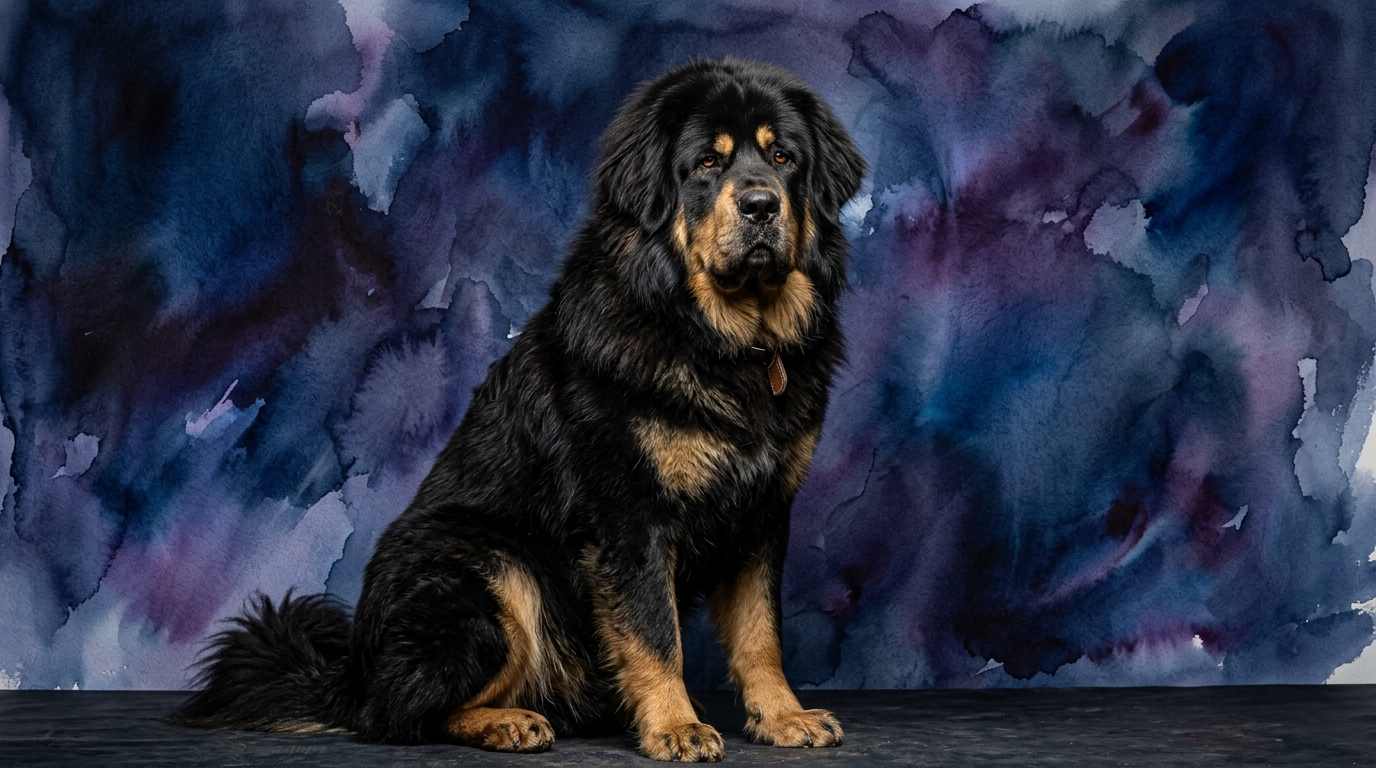
The Cosmic Pet Pet IQ Lab employs five key dimensions to map a breed's cognitive architecture. For the Tibetan Mastiff, a working dog not traditionally Coren-ranked, we observe a deliberate and discerning intellect. Their Problem Solving is rated 3/5, indicating an analytical approach to environmental challenges, particularly those related to territory and perceived threats, rather than a frantic trial-and-error method. Training Speed, also 3/5, reflects their independent nature; they require patience and a clear understanding of purpose, leading to slower but often more deeply ingrained learning. Social Intelligence at 3/5 highlights their discerning nature, forming deep, protective bonds with their immediate family while remaining reserved or wary with strangers, carefully reading intentions. Their Instinctive Drive, 3/5, is predominantly focused on guarding and territorial vigilance. Finally, Memory at 3/5 suggests excellent long-term recall for individuals, routines, and the intricate layout of their domain, remembering established patterns and who belongs.
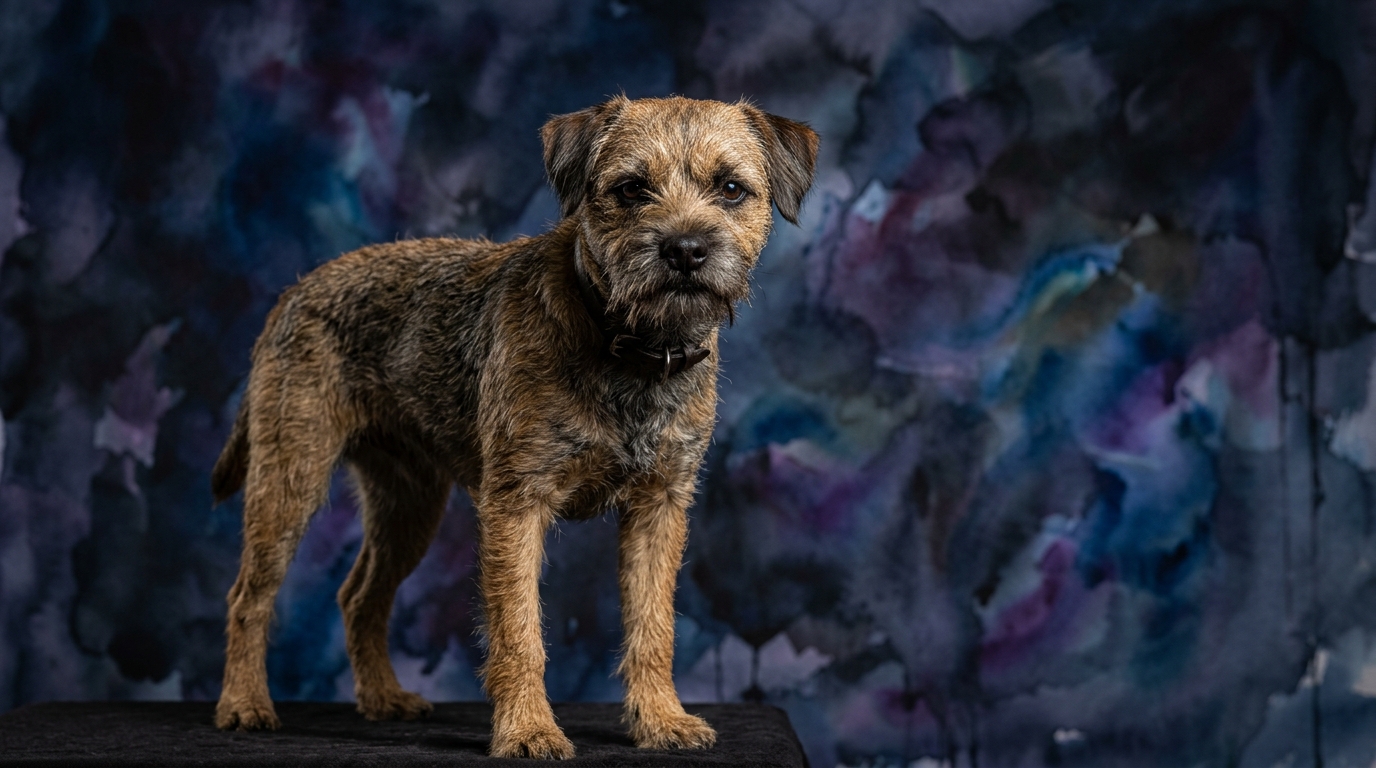
In contrast, the Border Terrier, a terrier breed Coren-ranked at #30, presents a quicker, more adaptable cognitive style. Their Problem Solving scores 4/5, showcasing a resourceful and experimental approach to gaining access or achieving goals, often manifesting as clever ways to navigate obstacles or open cabinets. Training Speed is also 4/5, indicating an eagerness to learn and a quick uptake of new commands and routines, especially when motivated by engagement and rewards. Their Social Intelligence, rated 3/5, describes a generally affable and engaging demeanor, enjoying interaction while retaining a characteristic terrier independence and reading human cues effectively. The Border Terrier's Instinctive Drive, 3/5, is strongly rooted in their heritage as vermin hunters, fueling curiosity and determined exploration. Their Memory, a robust 4/5, reflects excellent recall for a wide repertoire of commands, tricks, and complex learned sequences, applying them appropriately across various situations.
Where the Tibetan Mastiff Wins Cognitively
The Tibetan Mastiff's cognitive strengths lie in its profound, independent assessment of its environment and the individuals within it. While not as quick to learn novel tricks, their 3/5 problem-solving score signifies a deep understanding of security and threat evaluation, making judgments without constant human direction. They excel at subtle environmental monitoring, discerning genuine threats from benign occurrences with a quiet vigilance. Their deliberate processing allows for a more robust, long-term understanding of complex social dynamics within their established 'pack' and territory, remembering patterns of behavior and relationships over extended periods. This makes them unparalleled in roles requiring autonomous decision-making in guardian capacities, where a quick but potentially ill-judged response would be detrimental. Their memory, while rated 3/5, is particularly strong for maintaining these intricate social maps and territorial boundaries.
Where the Border Terrier Wins Cognitively
The Border Terrier's cognitive advantages are rooted in its agility of thought and rapid learning capabilities. Their 4/5 problem-solving score highlights a resourceful and adaptable mind, quick to experiment with solutions to gain access or achieve a goal, such as figuring out how to open a child-proof gate or retrieve a hidden toy. This quick processing of new information and ability to adapt strategies on the fly is a significant asset in dynamic environments. Furthermore, their superior 4/5 memory for sequences allows them to master complex tasks and retain a wide repertoire of commands and tricks efficiently. This makes them excellent candidates for dog sports and activities requiring quick thinking, responsiveness, and the ability to remember multiple steps, like agility courses or advanced obedience routines.
Which is Easier to Train and Why
Based on their respective training speed scores, the Border Terrier (4/5) is generally easier to train compared to the Tibetan Mastiff (3/5). The Border Terrier's eagerness to learn, quick uptake, and natural responsiveness to engagement and rewards make them highly amenable to traditional training methods. Their terrier tenacity, while occasionally manifesting as stubbornness, often translates into a determined persistence in mastering desired tasks, making the training process feel more collaborative and rewarding for both dog and owner. They are typically keen to please and thrive on mental stimulation through learning.
The Tibetan Mastiff, with its independent nature and deeply ingrained guardian instincts, presents a different training dynamic. They are not inherently driven to obey purely for human gratification, requiring a trainer to build a deep, trusting relationship and demonstrate the practical value of commands. Training a Tibetan Mastiff demands immense patience, consistency, and often persuasion rather than strict enforcement. Their deliberate thought process means learning takes longer to solidify, but once a concept is understood and accepted, it is often deeply ingrained and reliably applied within their specific context. Owners must appreciate that compliance comes from respect and understanding, not necessarily a desire to perform tricks.
Which Suits Active Owners vs. Deliberate Owners
The Border Terrier, with its quick mind and energetic disposition, is an excellent match for active, engaging owners who enjoy continuous mental and physical stimulation. They thrive on learning new tricks, participating in dog sports like agility or earthdog trials, and having varied experiences that challenge their problem-solving abilities and utilize their keen memory. Owners who enjoy frequent, structured activities and can provide consistent engagement will find the Border Terrier a highly rewarding and spirited companion.
Conversely, the Tibetan Mastiff suits patient, experienced owners who appreciate an independent, watchful companion and a more deliberate pace of life. While they benefit from regular, moderate exercise and mental engagement, their primary cognitive and behavioral focus is often on observing and guarding their domain. They need owners who respect their autonomous judgment and are comfortable with a dog that makes its own decisions, particularly regarding security. These owners must provide a secure, stable environment where their guardian instincts are appropriately managed, understanding that their deliberate nature translates into a profound, rather than frantic, presence.
The Verdict
Choose the Tibetan Mastiff if you are a patient, experienced owner seeking a deeply loyal, independent guardian who excels at autonomous threat assessment and subtle environmental monitoring.
Opt for the Border Terrier if you are an active owner desiring a quick-witted, highly trainable companion for dog sports, continuous learning, and a dynamic, engaging lifestyle.
🧠 Find Your Pet's IQ Score
Our Pet IQ Lab assessment covers 25+ tests across 5 cognitive dimensions — personalized to your breed.
Take the Full IQ Test →Frequently Asked Questions
Are Tibetan Mastiffs difficult to train due to their lower training speed score?
Tibetan Mastiffs are not necessarily 'difficult' but require a different approach. Their 3/5 training speed reflects their independent nature and need for clear purpose and a strong, respectful bond with their owner, making training a process of persuasion and understanding rather than rote compliance.
How does a Border Terrier's 4/5 problem-solving ability typically manifest in daily life?
A Border Terrier's strong problem-solving often shows in their resourcefulness, like figuring out how to bypass barriers, open latches, or creatively retrieve toys from challenging spots. They are quick to experiment and adapt strategies to achieve their goals.
Do these breeds have similar social intelligence given both score 3/5?
While both score 3/5, their social intelligence manifests differently. The Tibetan Mastiff is discerning and deeply loyal to its inner circle, often wary of strangers, while the Border Terrier is generally engaging and friendly but retains an independent terrier streak, reading human cues well in direct interactions.