Side-by-Side IQ Profile: Understanding the 3/5 Score
A 3 out of 5 rating in The Cosmic Pet Pet IQ Lab signifies a solid, competent cognitive ability across our dimensions. It indicates a dog that is capable of learning, adapting, and interacting effectively, possessing functional intelligence tailored to their historical roles. For both the formidable Tibetan Mastiff and the versatile Chinook, this score points to a robust mental capacity, but how it manifests in each breed is where the true comparison unfolds.
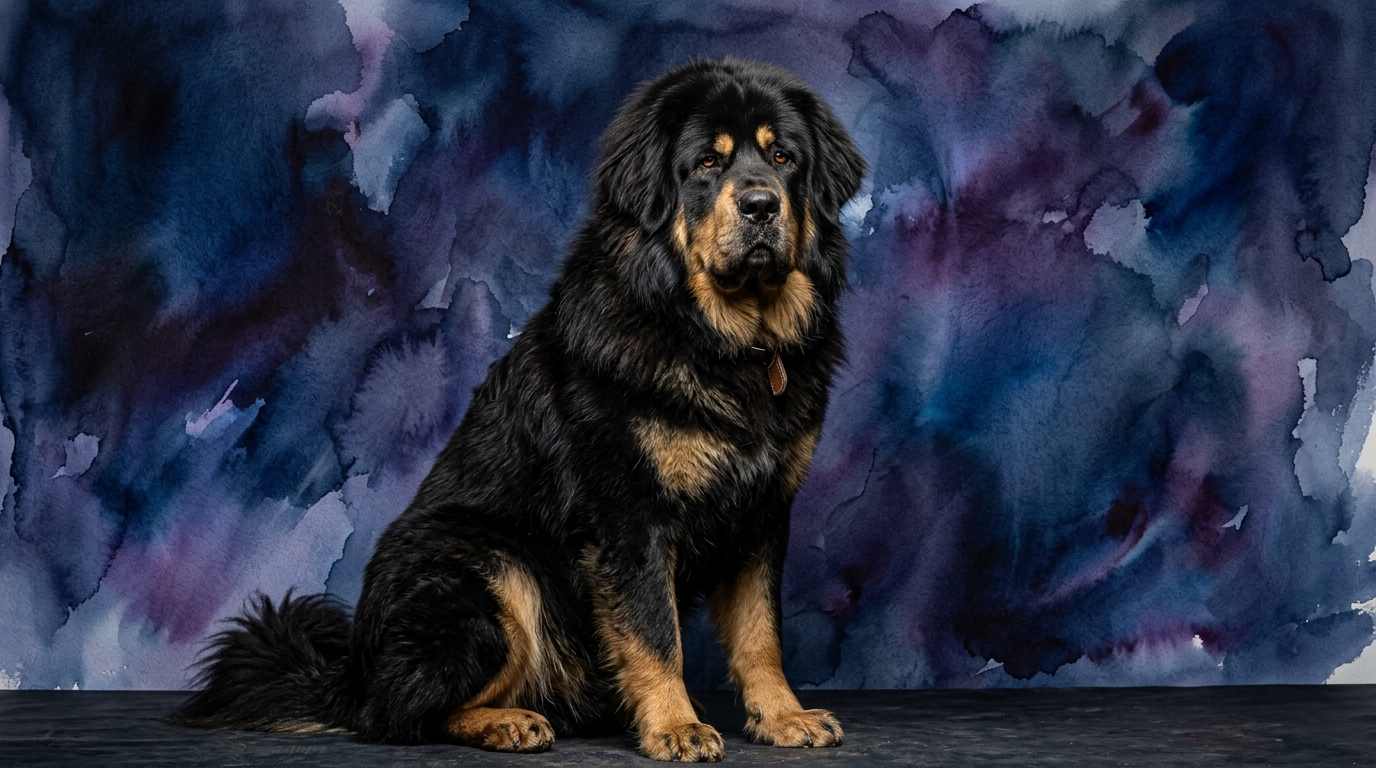
For the **Tibetan Mastiff**, their **Problem Solving 3/5** translates into an impressive capacity for independent assessment and decision-making, particularly concerning their guardian duties. They excel at evaluating situations and responding to perceived threats without needing constant human instruction, often finding their own solutions to secure their territory or protect their family. Their problem-solving is less about fetching a specific item on command and more about discerning a safe path or a potential intruder. Their **Training Speed 3/5** reflects a deliberate approach to learning; they are capable of understanding commands, but their strong will means they need to perceive the value or logic behind an instruction before complying readily, demanding immense patience and consistency from a handler. A Tibetan Mastiff's **Social Intelligence 3/5** is highly discerning, forming profound bonds with their immediate family, reading their moods and intentions with surprising accuracy, while meticulously evaluating strangers. Their **Instinctive Drive 3/5** signifies a powerful, innate urge for guardianship, possessing natural vigilance and a strong sense of responsibility to protect their territory. Lastly, their **Memory 3/5** is long-term for people, places, and experiences, especially those related to their protective duties, aiding their consistent guardianship.
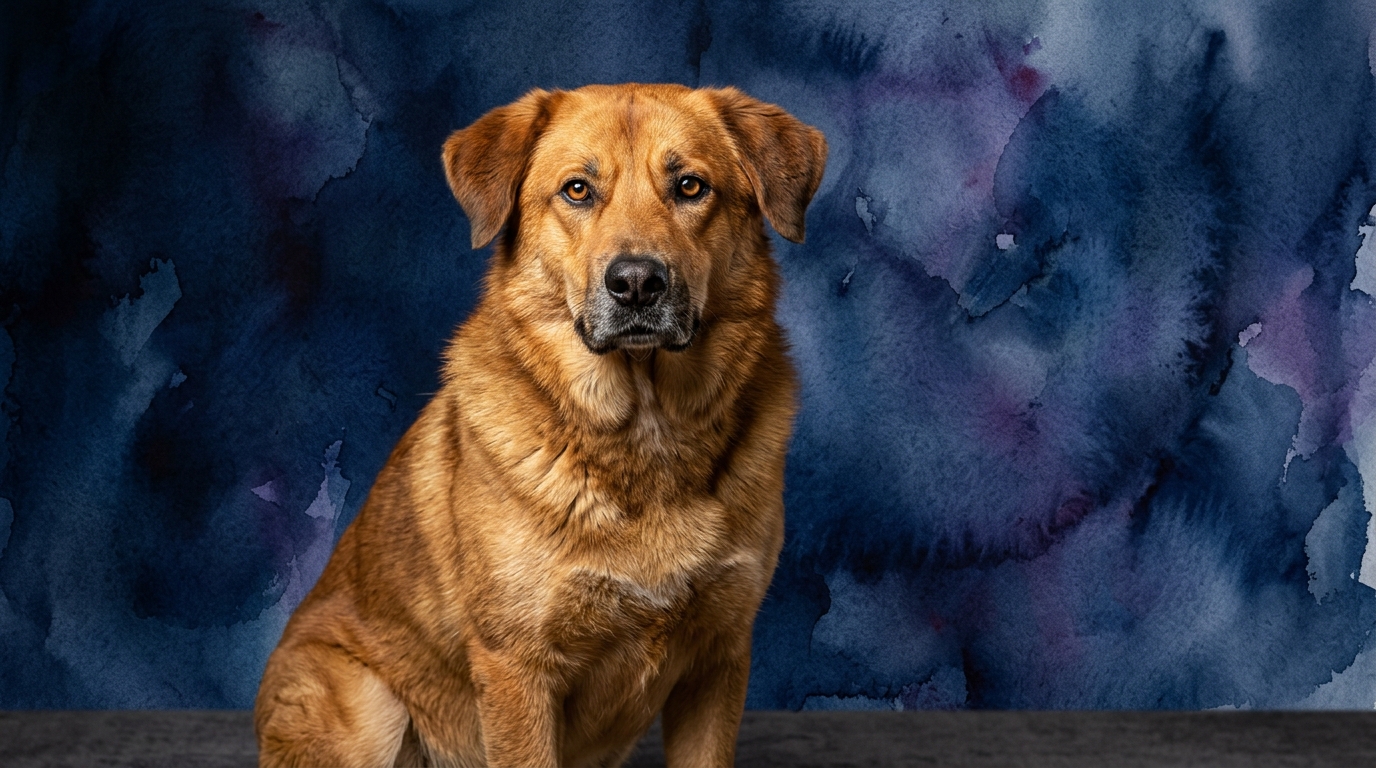
Conversely, the **Chinook's Problem Solving 3/5** shines in cooperative tasks and navigating complex environments alongside their human partners, demonstrating a capacity for adapting to new situations during activities like sledding or hiking. Their **Training Speed 3/5** reflects an eager-to-please nature that makes them generally responsive to training, especially with positive reinforcement, as they enjoy the interaction and mental stimulation of learning new commands. Chinooks are known for their harmonious social disposition, with a **Social Intelligence 3/5** that allows them to integrate smoothly into family dynamics, understanding human emotions and seeking to be an involved member of the household, reading social cues from their family and familiar individuals. Their primary **Instinctive Drive 3/5** is companionship and cooperative work, highlighting their innate desire to be part of a team and to have a purpose alongside their humans. Finally, their **Memory 3/5** is reliable for learned commands, routines, and social interactions, enabling them to retain complex sequences for work or sports, supporting their role as consistent, dependable companions.
Where the Tibetan Mastiff Wins Cognitively
The Tibetan Mastiff's cognitive strengths truly shine in scenarios demanding independent judgment and unwavering guardianship, a unique interpretation of their 3/5 scores. Their problem-solving, while rated 3/5, manifests as a profound ability to assess environmental cues and potential threats without constant human direction, making them formidable, self-reliant protectors who can evaluate and react to nuanced situations on their own.
This breed's social intelligence, also at 3/5, is particularly acute in discerning intentions; they possess an unparalleled capacity to differentiate between a genuinely welcome guest and a perceived intruder, offering a highly nuanced protective response rather than indiscriminate reactions. Furthermore, their memory, another 3/5, is exceptionally robust for recognizing perceived threats or changes in their environment, ensuring consistent vigilance over their territory and family across long periods.
Where the Chinook Wins Cognitively
Conversely, the Chinook's cognitive profile excels in collaborative environments where partnership with humans is paramount, showcasing a different facet of their identical 3/5 ratings. Their 3/5 problem-solving capability is often directed towards mastering complex tasks and navigating challenging terrain alongside their handlers, showcasing a cooperative ingenuity in activities like sledding or advanced obedience.
This breed's social intelligence, also rated 3/5, emphasizes forming strong, harmonious bonds and understanding subtle human emotional cues within a family unit, making them exceptionally attuned and empathetic companions who thrive on mutual engagement. Their training speed, a 3/5, translates into a greater willingness to engage in and retain new commands, making them more adaptable to a variety of structured activities and learning experiences when working with their human partners.
Which is Easier to Train and Why
Despite identical 3/5 scores in training speed, the Chinook generally presents a more straightforward and often more rewarding training experience for the average owner due to their inherent temperament. Their strong desire to be an integrated family member and their historical role as cooperative sled dogs translate into an inherent willingness to engage in learning and respond enthusiastically to positive reinforcement, often seeing training as a bonding activity.
The Tibetan Mastiff, while certainly capable of learning and holding deep memory of commands, approaches training with a more independent and discerning mindset; their 3/5 in training speed reflects a need for the command to make logical sense to them, often requiring immense patience, unwavering consistency, and a deeper understanding of their guardian instincts from the handler, as they are not easily swayed by mere instruction.
Which Suits Active Owners vs. Relaxed Owners
For owners who thrive on consistent, interactive outdoor activities and desire a canine partner to share adventures, the Chinook is the more fitting choice. Their history as sled dogs means they excel with regular, vigorous exercise that includes hiking, jogging, or engaging in dog sports, benefiting greatly from a partnership-oriented activity schedule that challenges both their bodies and minds.
The Tibetan Mastiff, while not a true couch potato, suits an owner who understands their need for purposeful activity, often relating to patrolling their territory or observing their domain, rather than high-octane endurance sports. Their mental activity is often more about vigilance and independent assessment than velocity, making them better for owners who appreciate a watchful, deliberate presence and can provide ample, secure outdoor space for them to fulfill their inherent guardian role.
The Verdict
Choose a Tibetan Mastiff if you seek an independent, highly discerning guardian who makes their own judgments, and you are prepared to manage a powerful, self-willed breed with profound loyalty to their immediate family.
Choose a Chinook if you desire a cooperative, family-oriented working partner who thrives on shared activities, eager to engage in adventures and form a strong, reciprocal bond with their human companions.
🧠 Find Your Pet's IQ Score
Our Pet IQ Lab assessment covers 25+ tests across 5 cognitive dimensions — personalized to your breed.
Take the Full IQ Test →Frequently Asked Questions
Do identical IQ scores mean Tibetan Mastiffs and Chinooks are equally easy to own?
No, identical IQ scores indicate similar cognitive potential, but their practical application differs significantly due to breed-specific temperaments and historical roles. The ease of ownership depends heavily on matching the dog's inherent drives and personality with an owner's lifestyle and expectations.
Can a Tibetan Mastiff be a good family dog, given their independent nature?
Yes, Tibetan Mastiffs can be excellent family dogs, forming deep bonds with their immediate household members. However, their strong protective instincts and independent will require extensive early socialization, consistent training, and an owner who understands and respects their guardian temperament, especially around strangers and children.
Are Chinooks generally good with children and other pets?
Chinooks are typically known for their gentle and patient disposition, often making them good companions for children and harmonious with other pets, especially when raised with them. Their social intelligence and desire for companionship contribute to their adaptability within a multi-member household, though supervision is always advised.