Side-by-Side IQ Profile: Understanding Distinct Minds
Despite sharing identical numerical scores across our five cognitive dimensions, the application and manifestation of these traits differ profoundly between the Tibetan Mastiff and the Field Spaniel, reflecting their centuries-old roles. It's crucial to understand that a score of 3/5 in problem-solving for a guardian breed will look very different from a 3/5 for a sporting dog, each excelling in the specific cognitive tasks relevant to their historical purpose.
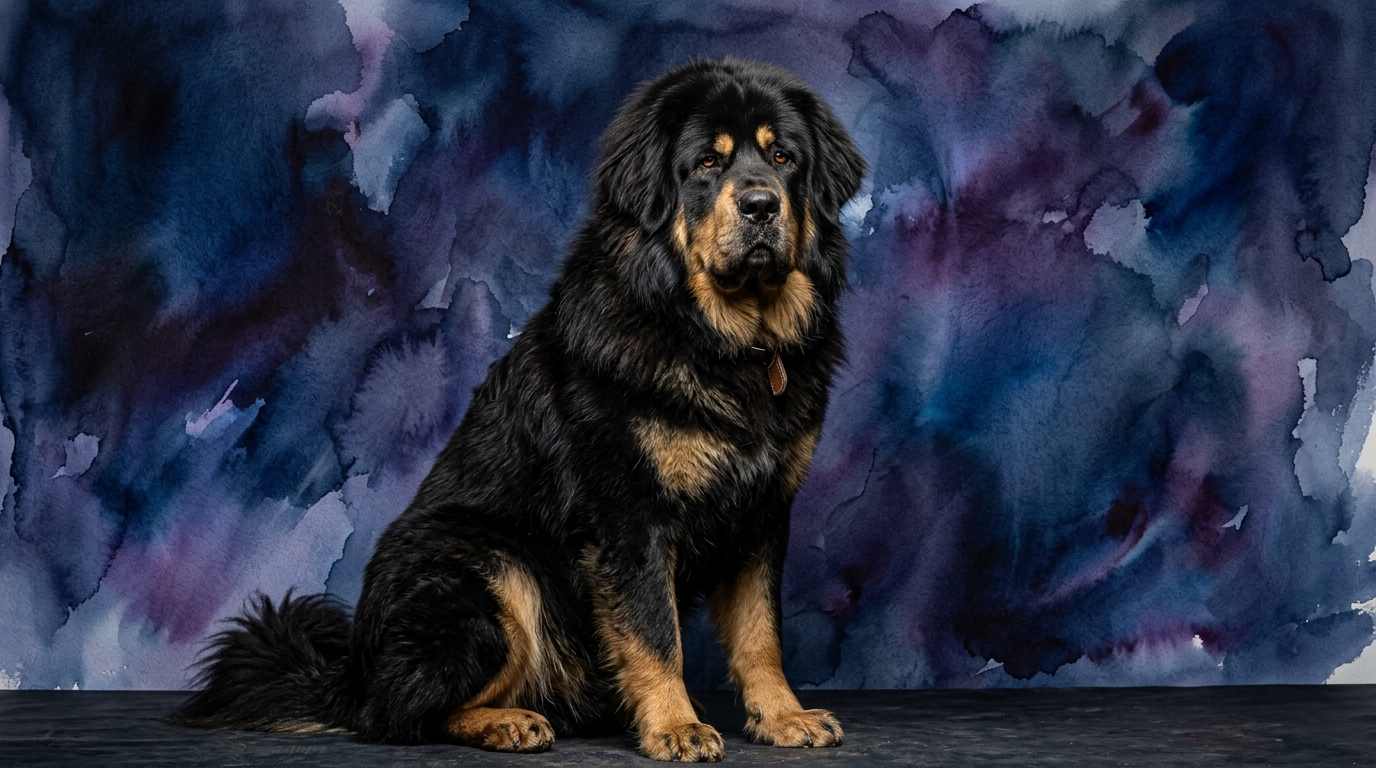
For the Tibetan Mastiff, a score of 3/5 in **Problem Solving** speaks to an independent, strategic mind geared towards protection. These dogs are adept at assessing their environment for potential threats, identifying vulnerabilities in their territory, and devising their own solutions to perceived dangers without constant human direction. Their problem-solving is often focused on practical, real-world scenarios related to guarding livestock or property, rather than abstract puzzles. A 3/5 for **Training Speed** indicates they are capable of learning, but their strong will and inherent independence mean they are not inherently eager to please in the conventional sense. They learn best when training aligns with their natural instincts or when they perceive a clear, valuable purpose behind the command. Their 3/5 in **Social Intelligence** is deeply rooted in their guardian heritage; they possess a keen ability to read the intentions and emotional states of their immediate family unit, forming profound, discerning bonds, but are reserved and cautious with strangers. The 3/5 in **Instinctive Drive** is overwhelmingly dominated by their ancient purpose as formidable guardians, manifesting as powerful territoriality and unwavering vigilance. Finally, a Tibetan Mastiff's 3/5 **Memory** suggests a robust capacity for retaining information pertinent to their world, remembering routines, territory layout, and crucially, who belongs and who does not.
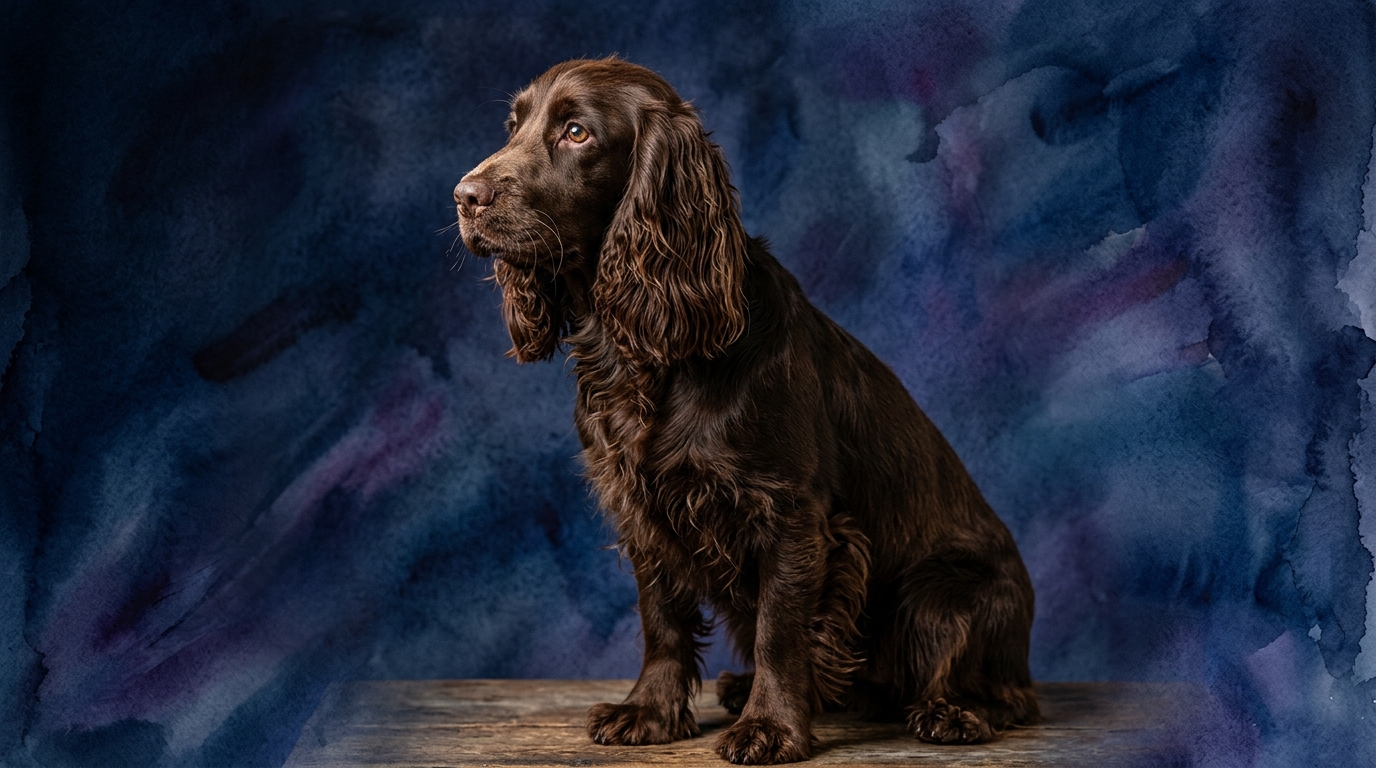
For the Field Spaniel, a 3/5 in **Problem Solving** reflects a practical intelligence focused on their sporting tasks. These dogs excel at navigating complex environments to flush and retrieve game, figuring out how to overcome obstacles in pursuit of a scent, or understanding multi-step commands from their handler in the field. Their problem-solving is often collaborative, seeking to understand and execute human directives rather than operating entirely independently. A Field Spaniel's 3/5 **Training Speed** is indicative of a breed that is generally eager to please and highly responsive to positive reinforcement. They learn new commands and behaviors with enthusiasm, thriving on engagement with their human companions. Their 3/5 in **Social Intelligence** points to a generally affable and adaptable nature; they are typically good at reading human emotions and social cues, making them empathetic companions and interacting well with a wide range of people and other animals. The Field Spaniel's 3/5 **Instinctive Drive** is characterized by a strong prey drive and an innate desire to flush and retrieve, fueling their enthusiasm for outdoor activities, their keen sense of smell, and their persistence in tracking. Lastly, a Field Spaniel's 3/5 **Memory** suggests a good capacity for remembering commands, routines, and positive associations, learning complex sequences of actions and recalling them reliably, especially when reinforced.
Where the Tibetan Mastiff Excels Cognitively
The Tibetan Mastiff's cognitive edge lies in its independent decision-making and strategic assessment of its environment. While both breeds score 3/5 in problem-solving, the Mastiff's application of this trait is unique: it excels at autonomous threat evaluation and resource protection. This breed displays a superior ability to operate without direct human oversight, making complex judgments about safety and security based on subtle environmental cues. Their social intelligence, while reserved, is profoundly astute in discerning friend from foe, a critical cognitive skill for their guardian role that surpasses the Field Spaniel's more generalized affability. Their memory is particularly tuned to remembering territorial boundaries and past interactions, which is paramount for effective long-term guarding.
Where the Field Spaniel Excels Cognitively
The Field Spaniel demonstrates a cognitive advantage in cooperative learning and adaptability within a human-directed framework. Their 3/5 in training speed, while numerically identical, manifests as a greater eagerness to engage in reciprocal learning, making them more responsive to varied training methods focused on partnership. Their problem-solving is often directed towards understanding human cues and executing multi-step tasks to achieve a shared goal, a collaborative cognitive approach distinct from the Mastiff's self-directed problem-solving. Furthermore, their social intelligence, while also 3/5, allows for broader and more flexible social integration, enabling them to thrive in diverse social settings and form bonds with a wider range of individuals more readily than their guardian counterpart.
Training Dynamics: Independence vs. Cooperation
The Field Spaniel is generally easier to train than the Tibetan Mastiff, largely due to fundamental differences in their motivational drives and historical roles. While both breeds achieve a 3/5 in training speed, the Field Spaniel’s cooperative nature and desire to please its handler mean it is typically more receptive to instruction. They find intrinsic reward in working alongside their human, making positive reinforcement highly effective. Their sporting background has ingrained a responsiveness to commands and a willingness to engage in repetitive tasks, which simplifies the learning process. They thrive on clear communication and consistent, engaging training sessions that foster a strong partnership.
In contrast, the Tibetan Mastiff's deep-seated independence and guardian instincts mean they often question commands that don't align with their perceived duty or make logical sense to them. Training a Mastiff requires immense patience, understanding of their independent thought process, and a consistent demonstration of leadership, as they are less inclined to simply obey without purpose. Their learning speed is there, but their motivation is different; they learn what *they* deem important, which may not always align with what their human wants to teach. Success with a Mastiff hinges on building trust and respect, rather than relying on an inherent eagerness to comply.
Lifestyle Match: Active Engagement vs. Watchful Presence
The Field Spaniel is a better fit for active owners who enjoy engaging their dog in various activities. Their sporting heritage means they thrive on regular exercise, scent work, and interactive play, making them ideal companions for hiking, canine sports, or long walks. They require mental stimulation through training and activities that channel their instinctive drives for flushing and retrieving, maintaining their physical and cognitive well-being through shared adventures. These dogs are happiest when they have a job to do, even if that job is accompanying their owner on a vigorous outdoor excursion.
Conversely, the Tibetan Mastiff, while requiring space and consistent, moderate exercise to maintain physical health, is often more suited to owners who appreciate a relaxed, watchful companion. Their activity is often characterized by patrolling their territory and observing, rather than intense, prolonged physical exertion. They are not typically a dog for jogging partners or intense agility, preferring a more sedate, observant lifestyle once their guardian duties are understood and fulfilled. Their mental engagement comes from assessing their environment and making independent decisions about security, not from constantly being 'on the go' in a human-directed manner.
The Verdict
Opt for the Tibetan Mastiff if you seek an independent, discerning guardian with a profound sense of loyalty, an owner who appreciates a dog that thinks for itself and is prepared for a long-term commitment to a powerful, watchful presence.
Select the Field Spaniel if you desire a cooperative, affectionate, and energetic companion eager to participate in family activities and outdoor adventures, an owner who values responsiveness and a strong partnership in training.
🧠 Find Your Pet's IQ Score
Our Pet IQ Lab assessment covers 25+ tests across 5 cognitive dimensions — personalized to your breed.
Take the Full IQ Test →Frequently Asked Questions
Do Tibetan Mastiffs and Field Spaniels have similar temperaments due to their identical IQ scores?
No, identical IQ scores do not imply similar temperaments. While both breeds score 3/5 across cognitive dimensions, the nature of their problem-solving, social intelligence, and drives varies significantly due to their distinct historical roles, leading to very different personalities and behavioral expressions.
Which breed is better for a first-time dog owner?
The Field Spaniel is generally more suitable for first-time dog owners due to their cooperative nature and eagerness to please, making training more straightforward and rewarding. The Tibetan Mastiff's independence and strong guardian instincts require an experienced owner capable of consistent, confident leadership and extensive socialization.
How do their grooming needs compare?
The Tibetan Mastiff has a thick double coat that requires regular brushing, especially during seasonal shedding, to prevent matting and manage loose hair. The Field Spaniel has a medium-length, silky single coat that also needs regular brushing to prevent tangles and keep it healthy, and may require occasional trimming around the ears and feet.