Side-by-Side IQ Profile: A Cognitive Blueprint
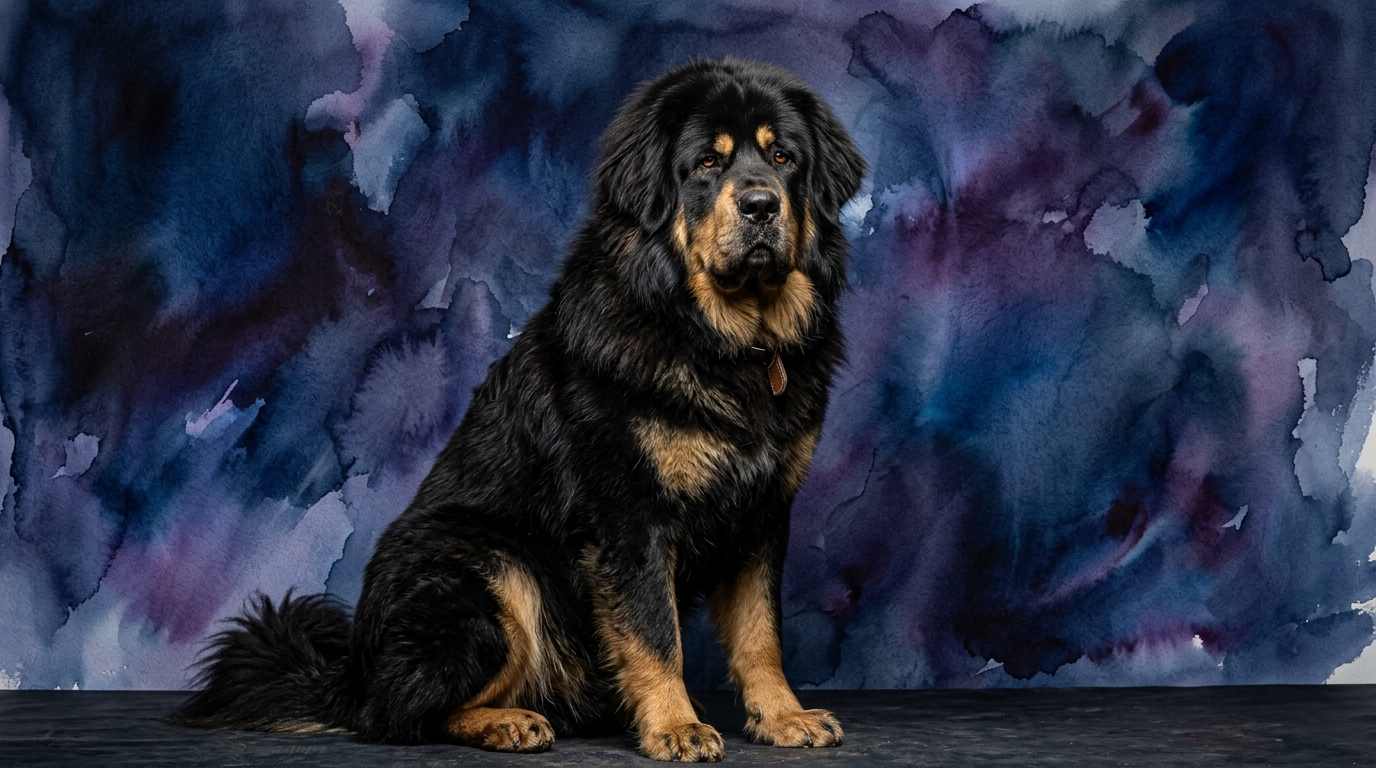
The Cosmic Pet Pet IQ Lab's assessment offers a granular view into the cognitive makeup of these distinct breeds. For the Tibetan Mastiff, a Working dog not Coren-ranked, its Problem Solving scores 3/5, reflecting an independent capacity to assess and manage territorial threats. Training Speed is 3/5, indicating a discerning learner who weighs commands against its own judgment. Social Intelligence, also 3/5, highlights its deep loyalty to family and a reserved, watchful stance towards outsiders. Its Instinctive Drive is 3/5, primarily focused on guarding, and its Memory is 3/5, solid for recalling routines and individuals within its domain. This profile paints a picture of a self-reliant sentinel.
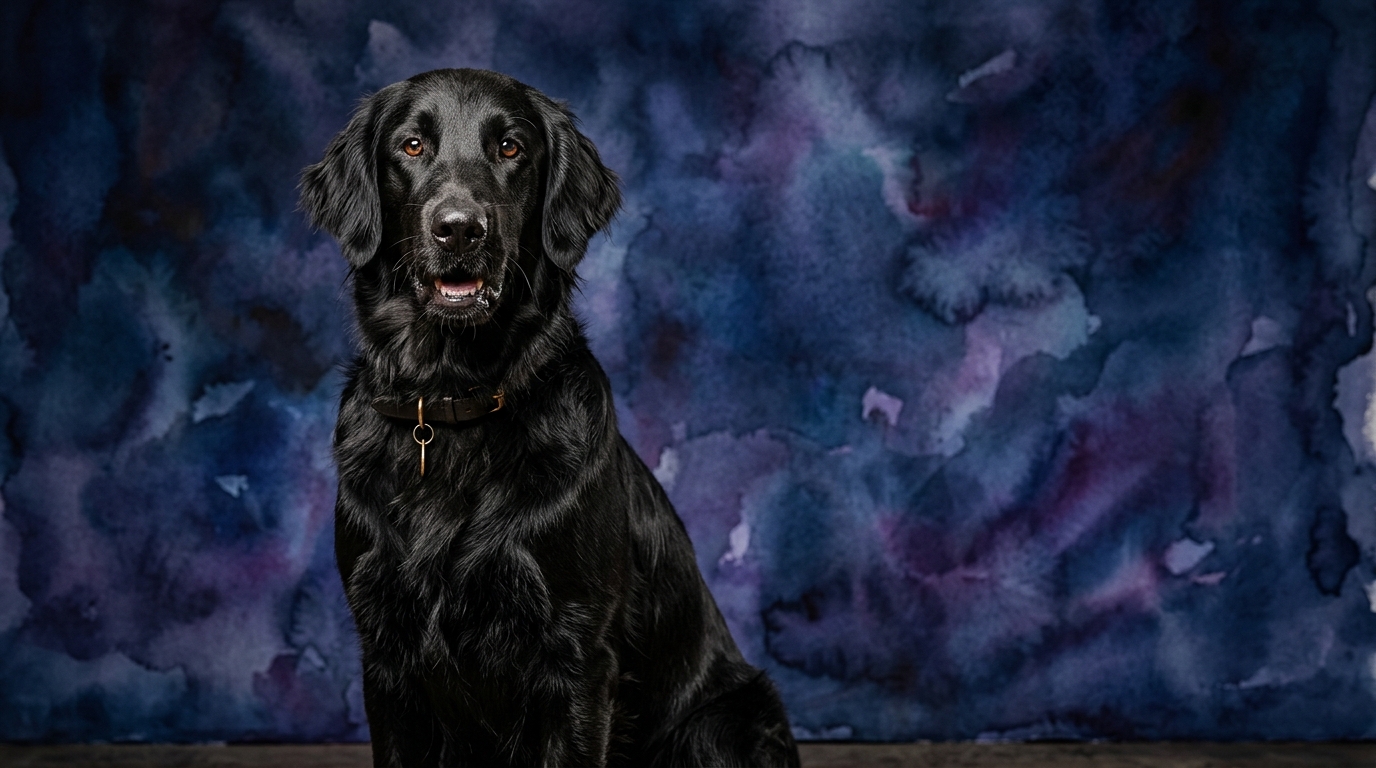
In contrast, the Flat-Coated Retriever, a Sporting dog with a Coren rank of #17, exhibits a different set of cognitive strengths. Its Problem Solving is rated 4/5, demonstrating an ability to navigate complex scenarios and learn sequential actions, particularly in retrieving tasks. Training Speed is a strong 4/5, indicative of its eagerness to please and quick grasp of new commands. Social Intelligence stands at 3/5, reflecting a generally affable and adaptable nature. Its Instinctive Drive is 3/5, centered on retrieving and cooperative work. Notably, its Memory scores an exceptional 5/5, allowing it to retain vast repertoires of commands and intricate routines, a hallmark of its collaborative intelligence.
Where the Tibetan Mastiff's Cognition Excels
The Tibetan Mastiff's cognitive strengths lie in its profound independence and discerning judgment, qualities honed over centuries as a formidable guardian. This breed excels in problem-solving that demands autonomous decision-making, such as assessing a perceived threat and determining the appropriate level of response without human intervention. Their social intelligence, while not overtly gregarious, is superior in its ability to differentiate between familiar and unfamiliar individuals, often reading subtle cues to identify potential intruders long before their human companions. This acute discernment allows them to patrol their territory with an almost intuitive understanding of security, making them unmatched in self-reliant vigilance. Their memory, though rated moderately, is particularly robust for recalling patterns of behavior and individuals within their defined social and territorial boundaries, contributing to their consistent and unwavering protective duties.
Where the Flat-Coated Retriever's Cognition Shines
The Flat-Coated Retriever shines brightest in areas demanding collaborative intelligence, rapid learning, and an exceptional memory for complex tasks. Their problem-solving prowess is particularly evident in scenarios requiring sequential actions, such as navigating an agility course or executing multi-stage retrieves, where they quickly deduce the most efficient path to a goal. With a Coren rank of #17, their training speed is significantly faster, reflecting a deep desire to please and a remarkable capacity for understanding and executing commands efficiently. This breed's memory, rated 5/5, is a standout feature, enabling them to retain vast repertoires of cues, learn intricate routines, and remember the precise location of objects even after a delay. This combination makes them highly adaptable and proficient partners in a wide array of activities, from competitive obedience to intricate field work.
Training Ease: Biddable Partner vs. Independent Guardian
Without a doubt, the Flat-Coated Retriever presents a significantly easier training journey for most owners due to fundamental differences in temperament and cognitive wiring. Their Coren rank of 17 places them among the most obedient breeds, a testament to their inherent eagerness to please and high biddability. Flat-Coats possess a natural inclination to work alongside humans, finding satisfaction in cooperative tasks and readily responding to positive reinforcement. Their quick training speed (4/5) means they grasp new commands rapidly and are motivated by interaction and praise. In contrast, the Tibetan Mastiff, with a training speed of 3/5, is a much more challenging student. This breed's strong independent streak and guardian instincts mean they are less inclined to blindly follow commands. They often question the necessity of a directive, requiring clear, consistent, and patient training that respects their self-reliant nature. While capable of learning, their progress is slower and demands an owner who understands their discerning and sometimes stubborn temperament, focusing on building a relationship of mutual respect rather than expecting immediate, eager obedience.
Matching Canine Cognition to Owner Lifestyle
The choice between these breeds hinges significantly on an owner's lifestyle and their preferred level of interactive engagement. The Flat-Coated Retriever is an ideal match for active owners who relish outdoor adventures, structured training, and constant companionship. These dogs thrive on mental and physical stimulation, excelling in activities like hiking, running, swimming, and various dog sports. They require consistent interaction and a 'job' to remain content and well-adjusted, making them perfect for families seeking an enthusiastic and involved participant in their active lives. Conversely, the Tibetan Mastiff might appeal more to owners who, while dedicated, appreciate a dog with a more reserved and independent demeanor indoors, yet possess the capacity for significant outdoor space and secure boundaries. While they need regular exercise and mental engagement through patrolling their territory, their cognitive needs lean more towards vigilance and observation rather than constant, high-intensity interactive play. They are not content being left alone for extended periods without oversight, but their daily activity might involve less direct human participation once their territory is established, making them suitable for owners who value a watchful presence and are prepared for their robust management needs.
The Verdict
Choose the Tibetan Mastiff if you are an experienced owner seeking a supremely independent and watchful guardian, prepared for substantial socialization and management to channel their protective instincts effectively.
Opt for the Flat-Coated Retriever if you desire an engaging, highly trainable, and affectionate companion eager to participate actively in a vibrant and busy household.
🧠 Find Your Pet's IQ Score
Our Pet IQ Lab assessment covers 25+ tests across 5 cognitive dimensions — personalized to your breed.
Take the Full IQ Test →Frequently Asked Questions
Are Tibetan Mastiffs difficult to train?
Yes, Tibetan Mastiffs are generally considered more challenging to train due to their independent, discerning nature and strong guardian instincts. They require consistent, patient training built on respect, rather than expecting eager obedience, and may question commands.
Do Flat-Coated Retrievers require a lot of mental stimulation?
Absolutely, Flat-Coated Retrievers are energetic and thrive on significant mental and physical stimulation. They need regular training, interactive play, and engaging activities to prevent boredom and destructive behaviors.
Which breed is better for a first-time dog owner?
The Flat-Coated Retriever is generally a better choice for first-time dog owners due to its biddable nature and eagerness to please, making training more accessible. The Tibetan Mastiff's independent temperament and specific needs make it more suitable for experienced owners.