Side-by-Side Cognitive Profiles
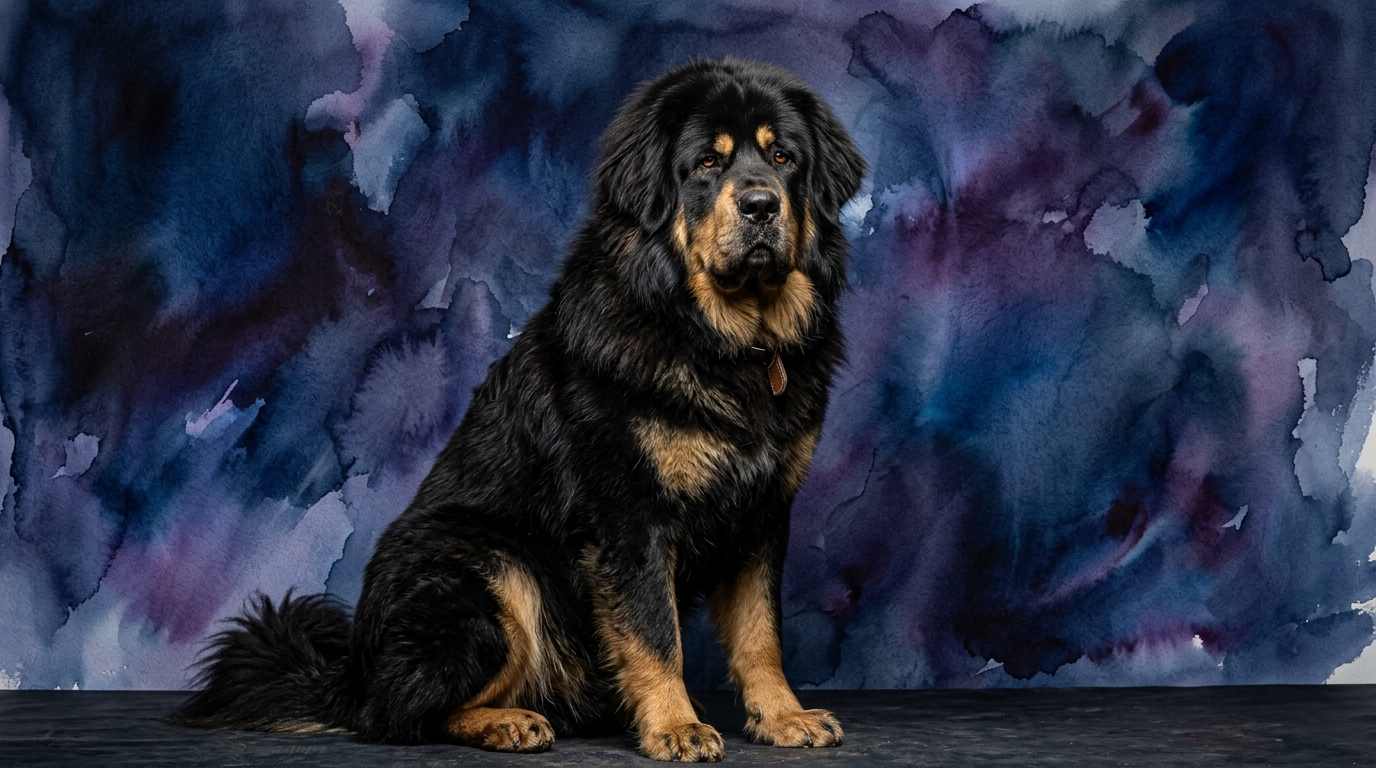
**Tibetan Mastiff (Working, Not Coren-ranked):**
**Problem Solving (3/5):** This breed exhibits a practical, independent approach to problem-solving, often evaluating situations from a self-sufficient perspective rather than seeking human direction. Their intelligence is geared towards assessing threats and making autonomous decisions to protect their territory and family, which might not always align with human-defined 'problems'.
**Training Speed (3/5):** Tibetan Mastiffs are capable of learning, but their strong will and independent nature mean they don't typically absorb commands with rapid eagerness. Training requires immense patience, consistency, and a deep understanding of their guardian mindset, focusing on motivation rather than rote repetition.
**Social Intelligence (3/5):** With their family, Tibetan Mastiffs demonstrate profound loyalty and a nuanced understanding of household dynamics. However, their social intelligence often manifests as discernment and wariness towards strangers, making them excellent, albeit selective, judges of character in their perceived territory.
**Instinctive Drive (3/5):** Their primary instinctive drive is guardianship – a powerful, ingrained impulse to protect. This manifests as territoriality, vigilance, and a keen sense of responsibility for their family and property, often expressed through watchful observation and a commanding presence.
**Memory (3/5):** Tibetan Mastiffs possess a robust memory for experiences, people, and boundaries. They remember commands, but their execution can be conditional on their assessment of the situation, rather than a simple recall of learned tasks. They retain lessons, but their application is often filtered through their independent judgment.
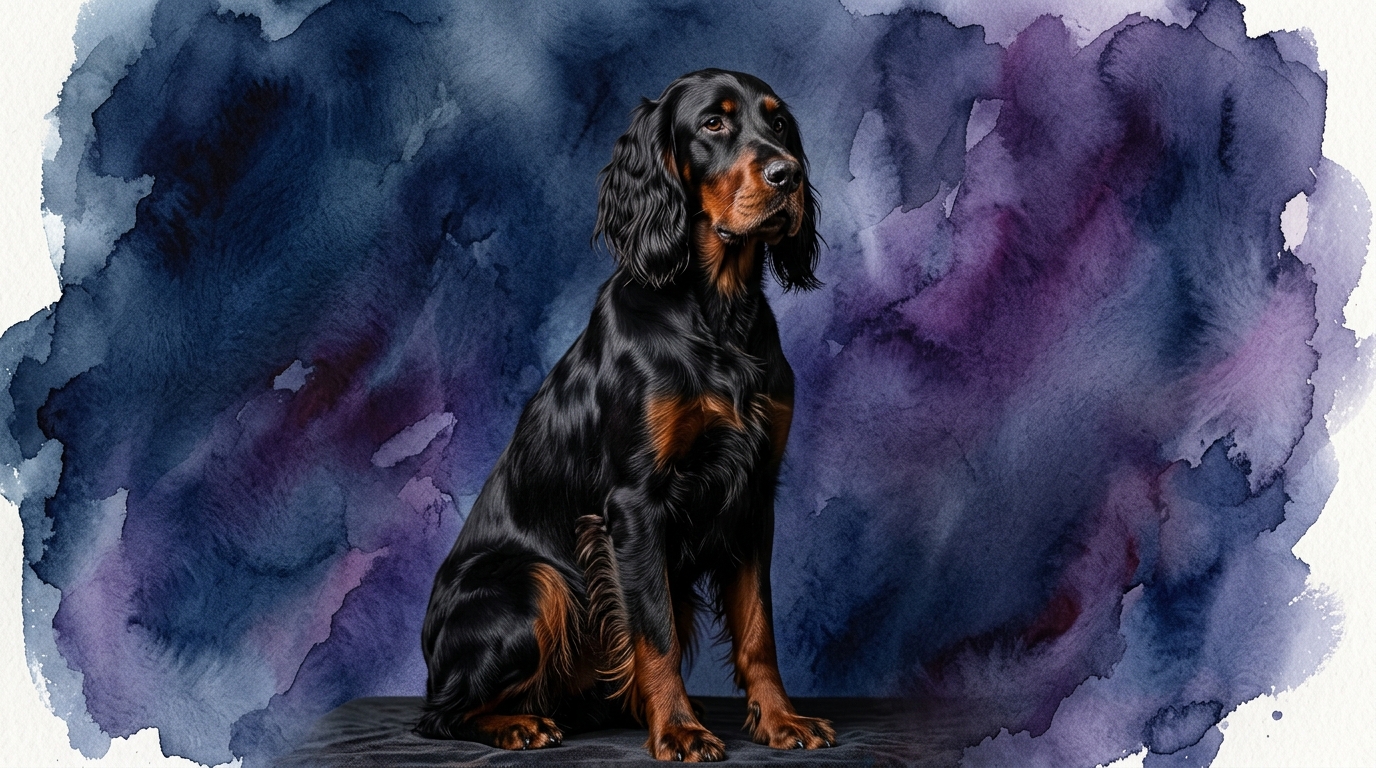
**Gordon Setter (Sporting, Coren rank #39):**
**Problem Solving (4/5):** Gordon Setters display a more collaborative and task-oriented problem-solving ability. They are adept at figuring out how to achieve goals, particularly those that involve working with their human partners, such as locating game or navigating complex terrain during a hunt.
**Training Speed (4/5):** These dogs are generally responsive and eager to please, allowing them to pick up new commands and routines with relative speed. Their cooperative spirit and desire to engage with their owners make them rewarding students in structured training environments.
**Social Intelligence (3/5):** Gordon Setters are typically amiable and affectionate with their families, often showing a gentle sensitivity to human moods. While they can be reserved with new people, they are not usually aggressive, preferring to observe before engaging, and generally adapt well to various social settings once comfortable.
**Instinctive Drive (3/5):** Their core instinctive drive is rooted in their sporting heritage: a strong prey drive, an excellent nose for scent, and an innate desire to 'set' or point game. This drive fuels their enthusiasm for outdoor activities and their capability as a working bird dog.
**Memory (4/5):** Gordon Setters exhibit strong memory retention, particularly for sequences of commands, routes, and the locations of retrieved items. This capability is crucial for their role as hunting partners, where remembering specific cues and patterns is vital for success in the field.
Where the Tibetan Mastiff Shines Cognitively
The Tibetan Mastiff's distinct cognitive strengths lie primarily in its autonomous decision-making and profound situational awareness, particularly within its role as a guardian. Unlike many breeds that excel at following human instruction, the Mastiff's intelligence is geared towards independent assessment and action. For instance, in a perceived threat scenario, a Tibetan Mastiff will often evaluate the situation and react based on its own judgment of what is required to protect its family or territory, rather than waiting for a command. This manifests as a remarkable ability to discern genuine threats from harmless occurrences, often making subtle judgments about individuals approaching their property. Their tenacity in maintaining vigilance and their unwavering focus on their protective duties are cognitive assets; they don't easily get distracted from their perceived responsibilities. This breed excels in a specialized form of problem-solving that involves constant environmental monitoring and proactive, self-directed security, a nuanced form of intelligence often underestimated in conventional tests focused on obedience.
Where the Gordon Setter Demonstrates Superior Cognitive Prowess
The Gordon Setter's cognitive advantages are deeply rooted in its cooperative nature and refined ability to work in partnership with humans. Their higher problem-solving score (4/5) reflects an adaptability to learning and executing complex tasks that directly benefit a human-dog team, such as intricate retrieval patterns or navigating specific terrain during a hunt. This breed showcases a superior responsiveness to human cues, often anticipating a handler's next move or intention, a critical skill for effective fieldwork. Their elevated memory (4/5) is not just about recalling basic commands but extends to remembering specific scent trails, the location of fallen game, or complex sequences of movements, allowing for highly efficient and precise work in the field. Furthermore, their cognitive strengths include a remarkable ability to maintain focus on a task, even amidst distractions, and a willingness to learn new methods that enhance their performance as a sporting companion. This collaborative intelligence makes them exceptionally capable partners for intricate activities.
Trainability: An Examination of Behavioral Differences
When considering trainability, the fundamental behavioral differences between these two breeds become starkly apparent. The Gordon Setter, with its 4/5 training speed, is generally considered easier to train due to its inherent desire to please and its cooperative nature. This breed typically thrives on positive reinforcement, quickly forming associations between commands and rewards. Their keen focus on their handler and their historical role as a bird dog mean they are accustomed to working in tandem with a human, making them responsive to cues and eager to learn new tasks. They often enjoy the process of training itself, viewing it as an engaging activity with their owner.
In contrast, the Tibetan Mastiff, with a 3/5 training speed, presents a more significant training challenge. Their powerful independence and self-reliant guardian mindset mean they are not inherently driven by a desire to please a human in the same way a sporting dog might be. They will learn, but often on their own terms, requiring an owner to earn their respect and cooperation through consistent, fair, and patient methods. Repetitive drills might bore them, and they may question the necessity of a command if it doesn't align with their strong protective instincts or perceived self-interest. Training a Tibetan Mastiff demands understanding their motivations and leveraging their inherent sense of responsibility, rather than expecting eager compliance. It's not a lack of capacity, but a difference in motivation and approach to authority.
Matching Breeds to Owner Lifestyles: Active vs. Independent Companionship
The choice between a Tibetan Mastiff and a Gordon Setter often hinges on an owner's lifestyle and their vision of companionship. For owners seeking a highly active, engaging, and cooperative partner, the Gordon Setter is an ideal match. These dogs require substantial daily exercise, thriving on long walks, runs, and interactive play sessions that stimulate both their bodies and minds. They excel in activities like agility, obedience trials, or field work, where their collaborative intelligence and stamina can be fully utilized. An active owner who enjoys outdoor adventures and wants a canine companion to share these experiences will find the Gordon Setter to be a willing and enthusiastic participant.
Conversely, the Tibetan Mastiff, while not a couch potato, suits an owner who appreciates an independent, discerning companion rather than a constantly interactive one. Their exercise needs are moderate once mature, but they require ample space and a secure yard to patrol and observe. They are not typically dogs for off-leash adventures in open spaces, given their strong territorial instincts and potential wariness of strangers. Owners who value a formidable, watchful presence, and are prepared for a dog that makes its own decisions and demands respect for its boundaries, will find a deep connection with a Tibetan Mastiff. They offer a dignified, self-possessed companionship that is less about constant interaction and more about a shared, quiet understanding.
The Verdict
Choose a Tibetan Mastiff if you seek an independent, formidable guardian with a discerning mind, appreciating a dog that makes its own decisions and provides a watchful, dignified presence rather than constant interaction.
Opt for a Gordon Setter if you desire an active, cooperative companion eager to engage in outdoor activities, valuing a responsive partner for sport, field work, or energetic family life.
🧠 Find Your Pet's IQ Score
Our Pet IQ Lab assessment covers 25+ tests across 5 cognitive dimensions — personalized to your breed.
Take the Full IQ Test →Frequently Asked Questions
Is a Tibetan Mastiff difficult to train?
Training a Tibetan Mastiff requires significant patience and consistency due to their independent nature and strong will, but they are capable of learning when motivated through fair and respectful methods. They respond best to an owner who understands their guardian mindset rather than demanding blind obedience.
How much exercise does a Gordon Setter need daily?
Gordon Setters are an active sporting breed that requires substantial daily exercise, typically needing at least an hour or more of vigorous activity, such as running, brisk walks, or engaging playtime, to keep them physically and mentally content.
Are Tibetan Mastiffs good with children?
Tibetan Mastiffs can be good with children in their own family, often showing a protective loyalty, but their sheer size and independent nature mean they require careful supervision and early socialization to ensure safe interactions, especially with unfamiliar children.