Side-by-Side IQ Profile: Interpreting Identical Scores
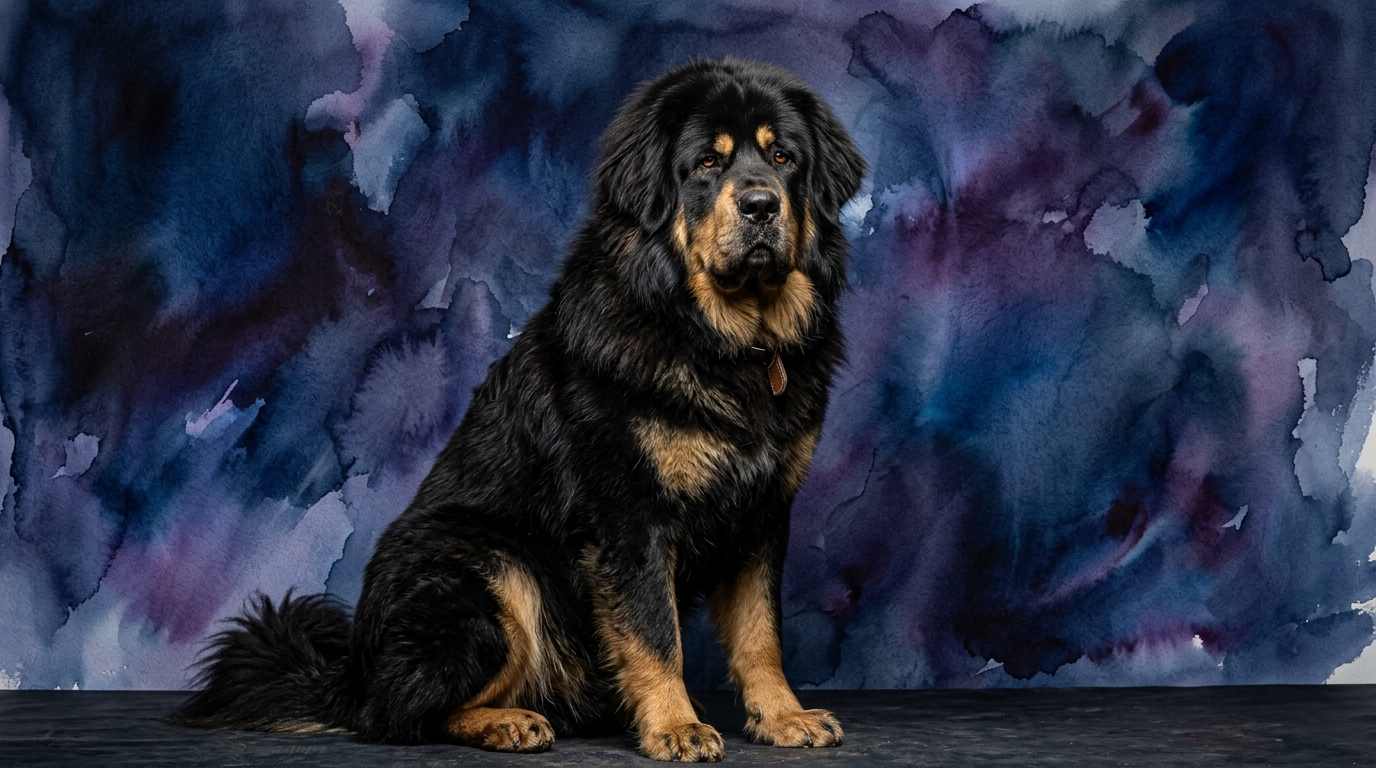
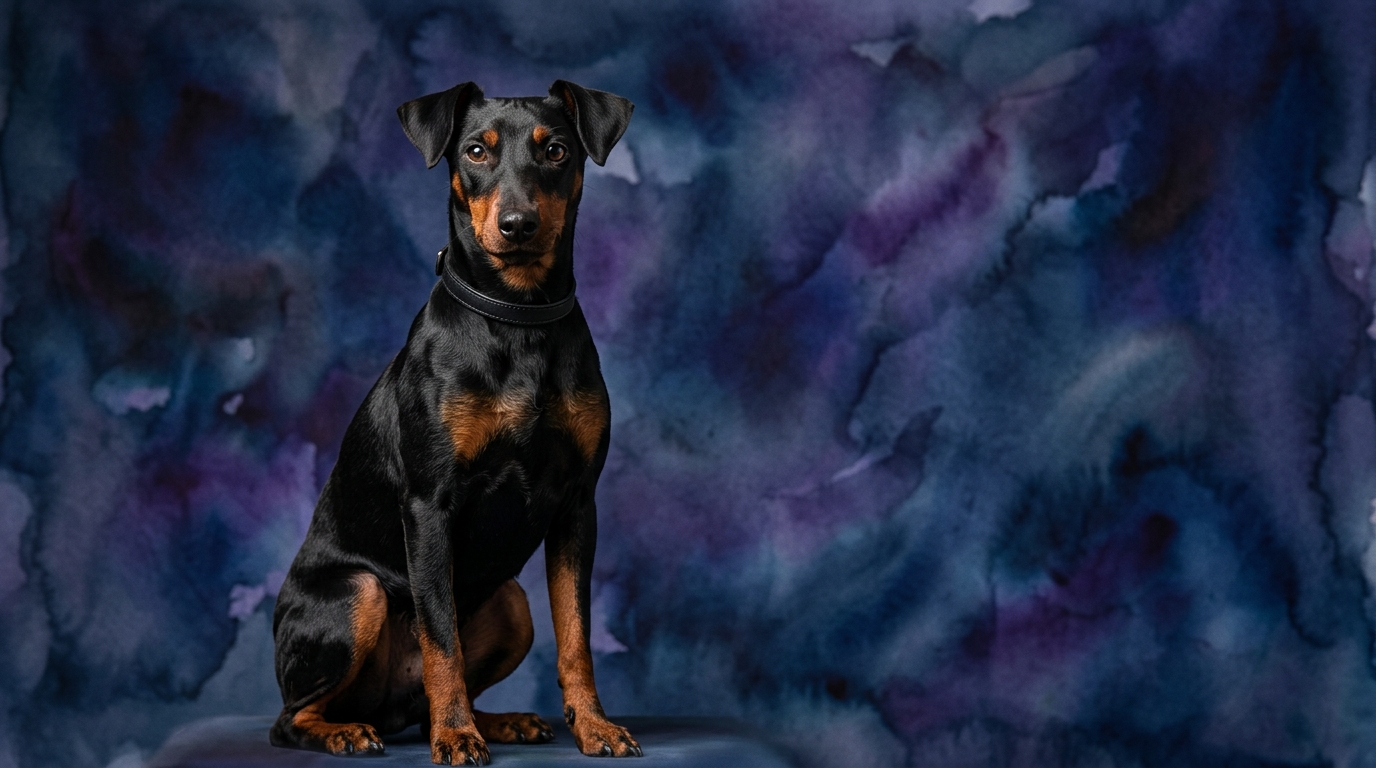
At first glance, The Cosmic Pet Pet IQ Lab's assessment of both the Tibetan Mastiff and the Manchester Terrier reveals identical scores across five key intelligence dimensions: Problem Solving (3/5), Training Speed (3/5), Social Intelligence (3/5), Instinctive Drive (3/5), and Memory (3/5). However, these scores don't imply identical cognitive manifestations. Instead, they highlight a nuanced truth: different breeds utilize similar cognitive capacities in ways uniquely tailored to their historical roles and physical attributes. Let's explore how these 3/5 scores play out distinctly for each breed.
**Problem Solving (3/5):** For the Tibetan Mastiff, problem-solving is deeply rooted in independent threat assessment and territorial security. They excel at calmly evaluating their environment, identifying anomalies, and deciding on actions to protect their domain, reflecting a deliberate, guardian-focused intelligence rather than puzzle-solving agility. Conversely, the Manchester Terrier exhibits quick, adaptable problem-solving, honed for vermin control. They skillfully navigate complex spaces, rapidly assessing surroundings to locate prey, showcasing mental agility, resourcefulness, and speed in dynamic, pursuit-oriented scenarios.
**Training Speed (3/5):** The Tibetan Mastiff's training speed is often perceived as moderate due to its inherent independence; they learn but often on their own terms. Requiring patience and respect, Mastiffs weigh the perceived value of commands, making consistent repetition less effective if they don't grasp the purpose. The Manchester Terrier, while quick to grasp commands, has a 3/5 score that reflects challenges in consistent execution. Their strong prey drive and independent spirit can easily distract them, demanding engaging, creative training methods to maintain focus and compliance.
**Social Intelligence (3/5):** The social intelligence of a Tibetan Mastiff is deeply attuned to its family unit and territory. They keenly read trusted humans' moods and intentions, acting as watchful protectors. With strangers, they exhibit discerning observation, subtly communicating their assessment of potential threats. Manchester Terriers express social intelligence through lively interactions and strong human bonds. They adeptly read emotions, often responding with comforting or playful gestures, and quickly learn household dynamics, cleverly soliciting attention or initiating play.
**Instinctive Drive (3/5):** This breed's instinctive drive for the Tibetan Mastiff is profoundly rooted in guardianship. They possess an innate, powerful urge to watch over family and property, manifesting as constant vigilance and a readiness to deter intruders through imposing presence or decisive action. For the Manchester Terrier, their instinctive drive is dominated by a historical purpose: relentless vermin control. This manifests as an intense prey drive, an urge to hunt, chase, and dispatch small animals with acute senses and lightning-fast reflexes.
**Memory (3/5):** Tibetan Mastiffs demonstrate strong memory for their environment, routines, and individuals within their territory. They recall welcomed versus unwelcome individuals and the property layout, supporting their guardian role by identifying deviations from the norm. The Manchester Terrier displays robust memory for commands, learned behaviors, and locations of interesting stimuli. Their memory is practical and adaptive, serving their energetic, inquisitive nature, helping them efficiently navigate their world for rewards or fun.
Where the Tibetan Mastiff Wins Cognitively
The Tibetan Mastiff truly distinguishes itself in its capacity for independent, strategic decision-making within a guardian context. While both breeds score 3/5 in problem-solving, the Mastiff's strength lies in its ability to calmly assess complex, evolving security situations, weigh risks, and act decisively to protect its charges without constant human input. This involves a profound understanding of its territory and the subtle nuances of potential threats, a cognitive process honed over millennia of solitary guardianship.
Where the Manchester Terrier Wins Cognitively
The Manchester Terrier shines in its rapid cognitive processing and agile application of problem-solving skills, particularly in pursuit-related tasks. Its intelligence is geared towards quick analysis of dynamic environments, finding efficient solutions to navigate obstacles, and anticipating the movements of prey. This breed's strength lies in its mental quickness, its ability to learn and adapt on the fly, and its resourceful approach to achieving its objectives in fast-paced scenarios.
Which is Easier to Train, and Why?
Neither the Tibetan Mastiff nor the Manchester Terrier can be categorized as "easy" to train in the conventional sense, but for very different reasons. The Manchester Terrier, with its quick wit and desire for engagement, often picks up new commands faster initially. However, its strong prey drive and independent terrier stubbornness mean that consistent, reliable obedience requires immense patience, creative motivation, and making training feel like a stimulating game. The Tibetan Mastiff, conversely, is not quickly swayed by rote repetition or arbitrary commands; its training speed is tempered by its independent thought and a need to understand the purpose of an instruction. Training a Mastiff demands building a deep, trust-based relationship, respecting its inherent self-reliance, and demonstrating why a command is valuable, making long-term consistency a significant commitment for owners.
Which Suits Active Owners vs. Relaxed Owners
For truly active owners who seek a constant companion for jogging, hiking, or agility sports, the Manchester Terrier is a far more suitable match. Their boundless energy, quick reflexes, and zest for life demand consistent physical exercise and mental stimulation, thriving on engagement and structured activity. Owners who prefer a more "relaxed" pace, valuing a calm, observant presence over high-octane companionship, might find the Tibetan Mastiff a better fit, provided they understand its unique needs. While not a running partner, the Mastiff requires significant owner activity in terms of robust socialization, consistent boundary setting, and providing ample, secure outdoor space for patrolling and observation. A "relaxed" owner for a Mastiff is one who is actively engaged in thoughtful management and protection of their dog's mental and physical well-being, rather than one seeking a low-maintenance pet.
The Verdict
Choose the Tibetan Mastiff if you are a patient, experienced owner seeking a deeply loyal, independent guardian for a secure, spacious property, understanding their profound need for purpose and careful socialization.
Opt for the Manchester Terrier if you're an energetic owner ready to provide consistent mental and physical challenges, enjoying a quick-witted, agile companion for dynamic activities and an engaging home life.
🧠 Find Your Pet's IQ Score
Our Pet IQ Lab assessment covers 25+ tests across 5 cognitive dimensions — personalized to your breed.
Take the Full IQ Test →Frequently Asked Questions
Do these breeds require different training approaches given their identical IQ scores?
Absolutely. Despite scoring similarly, the nature of their intelligence differs. Tibetan Mastiffs respond best to patient, respect-based training that demonstrates the purpose of commands, while Manchester Terriers thrive on engaging, positive reinforcement methods that keep their quick minds stimulated and counteract their strong prey drive.
How does the 'instinctive drive' score of 3/5 manifest uniquely in each breed?
For the Tibetan Mastiff, this drive is expressed as a powerful, inherent need to guard and protect its family and territory, leading to watchful vigilance and decisive action against perceived threats. In the Manchester Terrier, the 3/5 instinctive drive translates to an intense, persistent prey drive, fueling their desire to hunt, chase, and dispatch small vermin with remarkable focus and agility.
Can a Manchester Terrier be a good guard dog, or a Tibetan Mastiff a good agility dog?
While a Manchester Terrier will alert to strangers, its primary instinct is not territorial guarding like the Mastiff's, making it less suited for that role. Conversely, a Tibetan Mastiff, despite its intelligence, lacks the physical agility and inherent drive for fast-paced, complex tasks like agility courses, which the Manchester Terrier would naturally excel at.