Side-by-Side Cognitive Profiles: Guardianship vs. Adaptability
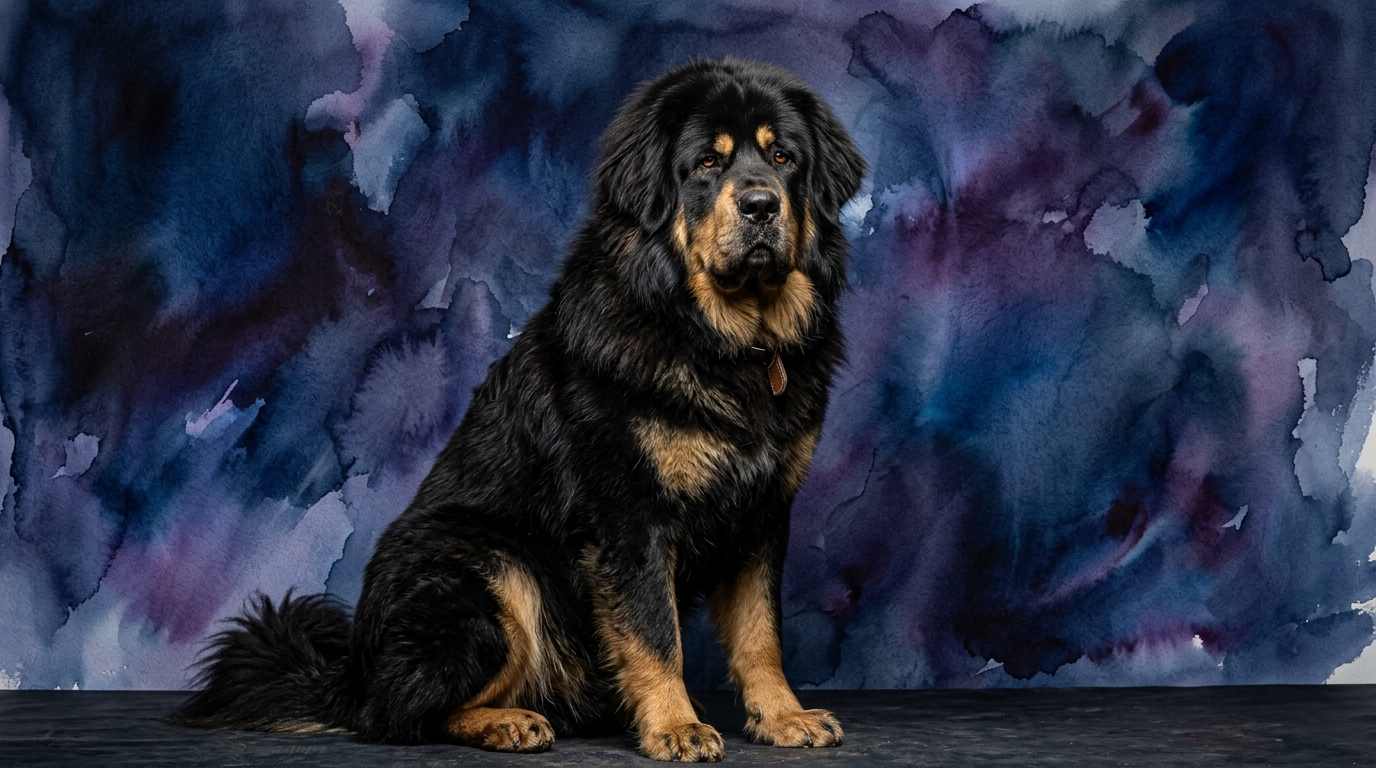
The Cosmic Pet Pet IQ Lab employs a five-dimensional framework to assess canine cognition, offering a granular view beyond general perceptions. For the Tibetan Mastiff, a breed not ranked by Coren, its scores are notably consistent: Problem Solving 3/5, Training Speed 3/5, Social Intelligence 3/5, Instinctive Drive 3/5, and Memory 3/5. These scores suggest a balanced but deliberate cognitive approach, reflecting its historical role as a formidable, independent guardian.
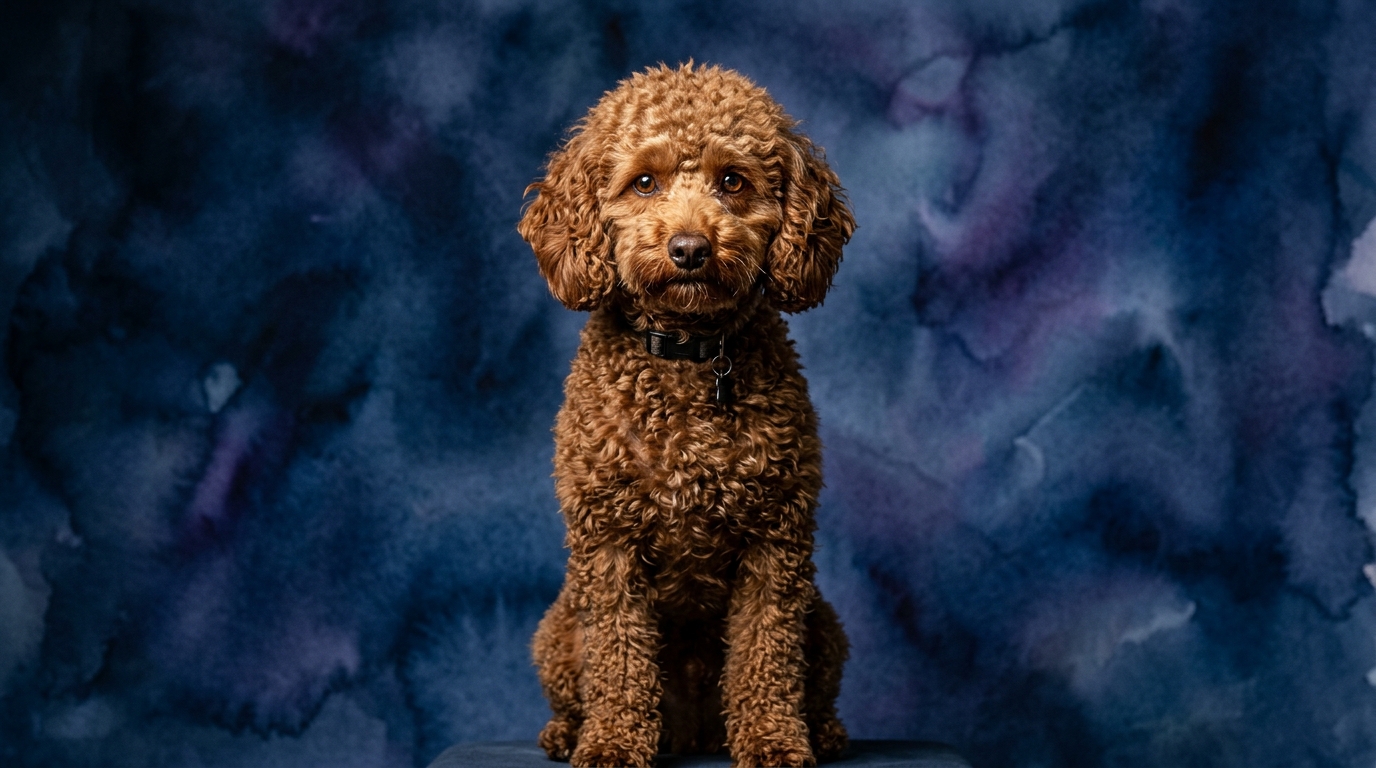
In stark contrast, the Miniature Poodle, a Non-Sporting breed, holds the esteemed Coren rank #2, indicating a remarkable capacity for understanding and obeying new commands. Its IQ scores are impressive: Problem Solving 5/5, Training Speed 5/5, Social Intelligence 3/5, Instinctive Drive 3/5, and Memory 5/5. These figures paint a picture of a highly adaptable and mentally agile canine, excelling in rapid learning and retention.
Tibetan Mastiff: Cognitive Strengths in Self-Reliant Vigilance
While the Tibetan Mastiff’s scores of 3/5 in various cognitive dimensions might seem moderate compared to the Poodle, they represent a specialized form of intelligence honed for its specific purpose. Its Problem Solving at 3/5 is not about mastering complex puzzles for human entertainment, but rather about independently assessing environmental cues and threats within its territory. This involves a sophisticated understanding of subtle changes in its surroundings and the ability to make autonomous decisions regarding perceived dangers, a critical skill for a lone guardian.
The 3/5 in Social Intelligence reflects a discerning nature, where loyalty is deep-seated within its family unit, but wariness towards strangers is a default setting. This isn't a deficit in understanding social signals but rather a highly selective application of them, prioritizing protection over universal affability. Its 3/5 in Instinctive Drive points to a strong, inherent motivation for territorial defense and guarding, rather than a drive for retrieving or competitive obedience. This drive translates into a persistent, unwavering focus on its protective duties, a cognitive strength in its own right.
Miniature Poodle: Cognitive Prowess in Adaptability and Learning
The Miniature Poodle's cognitive strengths are evident in its exceptional scores, particularly its 5/5 in Problem Solving, Training Speed, and Memory. Its Problem Solving ability allows it to quickly grasp complex tasks, figure out novel solutions, and adapt to changing situations with remarkable ease. This isn't just about following commands, but about understanding the underlying principles of a task and applying that knowledge flexibly.
The 5/5 in Training Speed highlights its rapid acquisition of new behaviors and commands, making it exceptionally responsive to instruction. Coupled with a 5/5 in Memory, the Miniature Poodle retains a vast repertoire of learned behaviors, experiences, and associations over extended periods. This combination makes it a highly versatile breed, excelling in competitive obedience, agility, and even intricate trick training. Its social intelligence, also at 3/5, suggests a capacity for strong bonding and reading human cues, allowing it to integrate seamlessly into diverse family dynamics, though it may also exhibit sensitivity to social nuances.
Training Dynamics: Independence vs. Eagerness to Engage
The training experience with these two breeds diverges significantly due to their distinct cognitive profiles. The Miniature Poodle, with its 5/5 Training Speed and 5/5 Memory, is typically eager to please and quick to form associations between commands and actions. This breed often thrives on consistent, positive reinforcement, picking up new cues rapidly and retaining them with minimal repetition. Its natural inclination to engage and its capacity for understanding complex sequences make it a joy for owners who enjoy structured training and performance activities.
Conversely, the Tibetan Mastiff's 3/5 Training Speed and more independent nature mean that training requires immense patience, consistency, and a deep understanding of its motivations. This breed is not inherently driven to obey purely for the sake of pleasing; rather, it responds best to leadership built on mutual respect and clear, fair expectations. While capable of learning commands, a Tibetan Mastiff might choose to prioritize its own judgment or instinctive drives over immediate compliance, especially if it perceives a command as illogical or unnecessary from its guardian perspective. Early and consistent socialization, coupled with reward-based training that taps into its discerning nature, is crucial to manage its formidable presence and ensure appropriate responses to commands.
Owner Suitability: Active Engagement vs. Respectful Coexistence
The cognitive makeup of each breed dictates different ideal owner profiles. Owners seeking an active, highly engaged companion that thrives on mental stimulation and participation in various dog sports will find the Miniature Poodle an excellent match. Its problem-solving prowess and eagerness to learn mean it requires consistent mental challenges to prevent boredom, making it suitable for individuals or families committed to daily interactive play, training sessions, and potentially competitive endeavors. The Poodle's adaptability also makes it a good fit for diverse living situations, provided its mental and physical exercise needs are met.
The Tibetan Mastiff, on the other hand, suits owners who appreciate a self-reliant, watchful presence and are prepared to respect its independent decision-making. These are not dogs that demand constant interaction or seek to please at every turn; instead, they offer a profound, loyal guardianship to their chosen family. Owners must be experienced, patient, and understand the nuances of managing a powerful breed with strong territorial instincts. They need to provide a secure environment and be comfortable with a dog that, while devoted, maintains a certain level of autonomy in its cognitive processes and daily routines, making it suitable for relaxed owners who value a steady, protective presence over constant, eager engagement.
The Verdict
Choose the Tibetan Mastiff if you seek a self-reliant, dedicated guardian who offers unwavering loyalty and independent decision-making, and you are prepared for a dog that maintains a degree of autonomy. This breed thrives with patient owners who respect its discerning nature and provide a secure, consistent environment.
Opt for the Miniature Poodle if you desire a highly adaptable, mentally agile companion eager to engage in training, puzzles, and performance activities. This breed excels with active owners committed to providing regular mental stimulation and enjoys a dog that quickly learns and enthusiastically participates in family life.
🧠 Find Your Pet's IQ Score
Our Pet IQ Lab assessment covers 25+ tests across 5 cognitive dimensions — personalized to your breed.
Take the Full IQ Test →Frequently Asked Questions
Is the Tibetan Mastiff difficult to train?
The Tibetan Mastiff's 3/5 training speed and independent nature mean it requires significant patience, consistency, and a deep understanding of its motivations. While capable of learning, it often prioritizes its own judgment, so training focuses on building trust and respect rather than rote obedience.
What makes the Miniature Poodle so good at problem-solving?
The Miniature Poodle's 5/5 problem-solving ability stems from its capacity to quickly grasp complex concepts, adapt to new situations, and understand the underlying principles of tasks. This allows it to excel in learning intricate commands, navigating agility courses, and solving interactive puzzles with remarkable efficiency.
How do their social intelligence scores affect their behavior?
Both breeds have a 3/5 social intelligence score, but it manifests differently. The Tibetan Mastiff's score reflects a discerning loyalty to its family and wariness of strangers, prioritizing protection. The Miniature Poodle's score indicates a capacity for strong bonding and reading human cues, making it adaptable to family life, though it can be sensitive to social dynamics and requires thoughtful interaction.