Side-by-Side IQ Profile: Interpreting Identical Scores
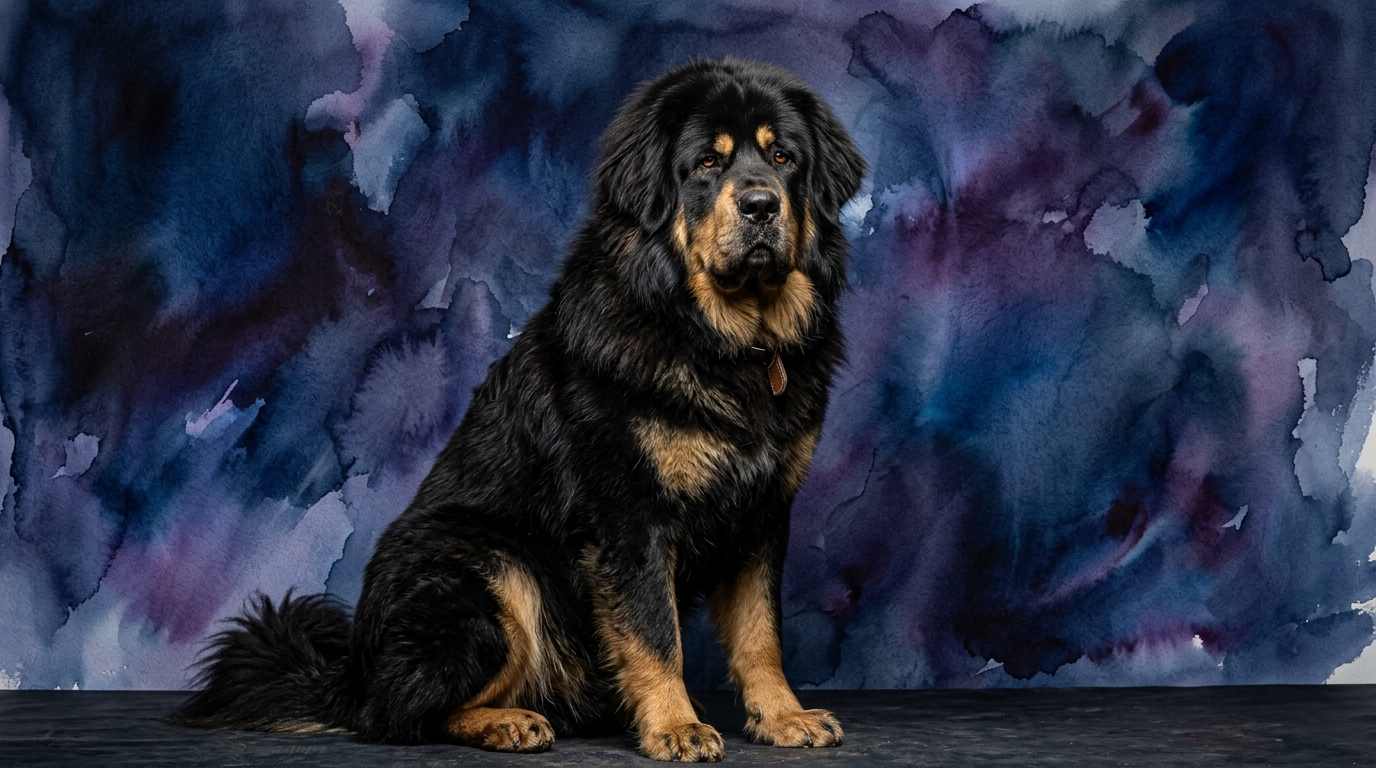
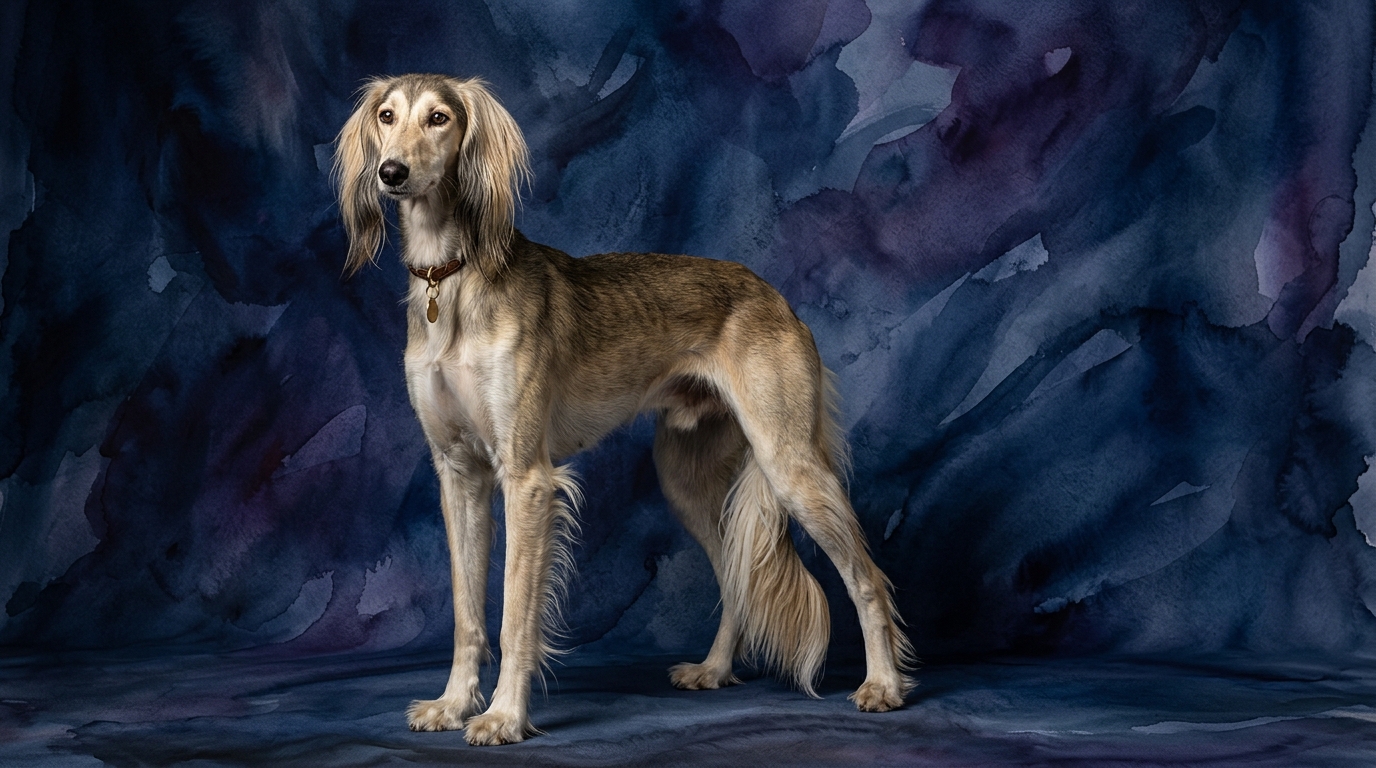
At first glance, the Tibetan Mastiff and the Saluki present an intriguing puzzle: both breeds register a consistent 3 out of 5 across all five dimensions of our Pet IQ Lab assessment. This parity doesn't suggest identical mental processes, but rather distinct expressions of similar cognitive capacities shaped by millennia of specialized roles.
For the **Tibetan Mastiff**, their 3/5 in **Problem Solving** reflects an independent, often strategic approach to their ancestral role as guardians. They excel at assessing situations and making decisions without constant human oversight, such as discerning true threats from harmless passersby or finding optimal vantage points for surveillance. This isn't about solving complex puzzles for treats, but rather practical, real-world scenario management.
Their **Training Speed** at 3/5 indicates they are capable learners, but their inherent independence means they respond best to training methods that respect their deliberate nature and strong will. They learn commands, yet their obedience is often contingent on their assessment of the command's relevance and their handler's leadership, rather than eager compliance. Repetition alone may not be enough; understanding the 'why' is crucial for them.
The 3/5 for **Social Intelligence** in a Tibetan Mastiff pertains to their acute awareness of their family unit and their environment. They are perceptive regarding human emotions and intentions, often forming deep, protective bonds. However, this social acumen is often reserved for their inner circle, and they can be aloof or suspicious with strangers, meticulously evaluating new interactions for potential risks.
**Instinctive Drive** at 3/5 for the Tibetan Mastiff is heavily weighted towards guarding and territorial protection. This powerful impulse dictates much of their behavior, from patrolling boundaries to alerting their family to perceived intrusions. This drive is not easily suppressed; it's a fundamental part of their being, requiring careful management rather than elimination.
Finally, their **Memory** score of 3/5 suggests they retain information well, particularly regarding routines, boundaries, and individuals they've deemed friend or foe. They recall past experiences and can apply learned lessons to new situations, especially those related to their protective duties. They remember slights and kindnesses with equal tenacity.
Turning to the **Saluki**, their 3/5 in **Problem Solving** manifests differently, geared towards the intricate demands of sight hunting. This involves strategic pursuit, anticipating prey movements, navigating varied terrain at high speeds, and often working cooperatively with other hounds or their handler over vast distances. Their problem-solving is dynamic and immediate, focused on the chase.
A Saluki's **Training Speed** (3/5) means they can grasp concepts quickly, but their strong prey drive and independent spirit can make consistent execution a challenge. They are sensitive and respond well to positive reinforcement, but can become easily bored or distracted if training isn't engaging or if a squirrel suddenly appears. Their learning is rapid, but their focus can be fleeting.
Their **Social Intelligence** at 3/5 is characterized by a refined sensitivity and often a reserved demeanor. Salukis are deeply bonded with their chosen people, displaying a quiet affection and keen awareness of their handler's moods. They are not typically overtly demonstrative, but their social radar is finely tuned, allowing them to adapt gracefully to different social contexts within their trusted circle.
The 3/5 for **Instinctive Drive** in a Saluki is overwhelmingly dominated by their sighthound heritage – the powerful urge to chase and capture. This drive is paramount, overriding many other impulses when triggered by a moving object. It's an ancient, ingrained behavior that defines much of their daily existence and requires extensive outlets and secure environments.
Lastly, the Saluki's **Memory** at 3/5 allows them to remember specific hunting routes, the habits of prey animals, and commands, especially those associated with their primary instincts. They recall training cues and environmental details with accuracy, which is crucial for their athletic pursuits and for navigating familiar territories.
Despite identical numerical scores, it's clear that the cognitive architecture of these two breeds, while similarly capable, is specialized for vastly different life purposes and behavioral expressions.
Where Tibetan Mastiff Wins Cognitively
The Tibetan Mastiff holds a cognitive edge in scenarios demanding independent judgment and unwavering territorial vigilance. Their problem-solving, though rated 3/5, is uniquely suited for assessing and managing complex, evolving situations within their designated domain without direct instruction. This makes them exceptional at discerning genuine threats from non-threats, a skill crucial for effective guarding.
Their social intelligence, also 3/5, translates into a profound, intuitive understanding of their family's dynamics and safety, coupled with a deliberate, cautious approach to outsiders. This allows them to act as discerning protectors, making nuanced decisions about who belongs and who doesn't, a level of autonomous discernment that many other breeds lack.
Where Saluki Wins Cognitively
The Saluki demonstrates a cognitive advantage in situations requiring swift, athletic problem-solving and immediate environmental processing. Their 3/5 problem-solving is specifically honed for complex, high-speed pursuit, allowing them to dynamically adjust their strategy based on prey movement and terrain, making split-second decisions that optimize their chase.
Their memory, also 3/5, is particularly adept at recalling intricate details of landscapes, routes, and patterns of movement, a critical asset for a breed designed to hunt over vast and varied terrains. This spatial and procedural memory allows them to navigate efficiently and effectively during intense physical exertion, maximizing their natural hunting instincts.
Which is Easier to Train and Why
While both breeds score 3/5 in training speed, the *experience* of training them differs significantly due to their inherent temperaments and drives. The Saluki, with its sensitive nature and desire for connection, often learns new commands quickly when motivated by positive reinforcement and engaging methods. However, their potent instinctive drive for chasing can easily override learned behaviors when triggered, meaning consistent recall in an open field is a profound challenge. Their focus can be fleeting, requiring patience and creativity to hold their attention, especially amidst distractions.
The Tibetan Mastiff, conversely, is a deliberate learner. Their 3/5 training speed means they *can* learn, but they often require more repetition and a firm, consistent leader they respect. Their independence means they question the 'why' behind a command and may choose not to comply if they don't perceive it as necessary or if it conflicts with their strong guardian instincts. They are not easily bribed or coerced; training them involves building a relationship based on trust and mutual understanding, rather than simple command-and-response. While they may not be as easily distracted by prey as a Saluki, their territorial instincts can present their own set of training obstacles, such as managing reactivity towards strangers or other dogs.
Which Suits Active Owners vs. Relaxed Owners
For owners seeking an active companion, the Saluki is generally the more fitting choice, despite their reserved indoor demeanor. Their profound instinctive drive for running and chasing necessitates regular, vigorous exercise in secure, expansive areas. They thrive with owners who can provide outlets for their sighthound nature, such as lure coursing, extensive off-leash runs in safe environments, or long, brisk walks. While they enjoy lounging, their physical and mental well-being depends on satisfying their innate need for speed and pursuit.
The Tibetan Mastiff, while imposing, is surprisingly suited for a more relaxed owner, provided that 'relaxed' means attentive and prepared for their specific needs, rather than truly sedentary. They are not high-energy dogs in the same vein as a Saluki; their exercise needs are moderate, consisting of daily walks and access to a secure yard for patrolling. Their 'activity' is often more mental, involving observation and guardianship. They are content to be near their family, but require consistent mental stimulation and socialization to manage their strong protective instincts. A relaxed owner for a Tibetan Mastiff understands that while the dog might not need intense physical activity, they do demand a calm, consistent, and confident leader who can manage their independent and protective nature.
The Verdict: When to Choose Each
The Verdict
Choose the Tibetan Mastiff if you are a confident, experienced owner seeking a loyal, independent guardian who thrives on thoughtful observation and moderate exercise, prepared to manage their strong protective instincts with consistent leadership.
Opt for the Saluki if you are an active individual or family who can provide ample opportunities for high-speed running in secure areas, appreciating a sensitive, elegant companion whose reserved nature belies a powerful, instinctive drive.
🧠 Find Your Pet's IQ Score
Our Pet IQ Lab assessment covers 25+ tests across 5 cognitive dimensions — personalized to your breed.
Take the Full IQ Test →Frequently Asked Questions
Can a Tibetan Mastiff live in an apartment?
While not excessively energetic, a Tibetan Mastiff's strong territorial instincts and need for a secure outdoor space to patrol make apartment living challenging. They generally thrive in homes with large, securely fenced yards where they can fulfill their guardian role.
Are Salukis good with children?
Salukis can be good with older, respectful children who understand their sensitive and sometimes reserved nature. They are not typically boisterous playmates and prefer calm interactions; proper socialization and supervision are always essential.
Do Tibetan Mastiffs and Salukis require a lot of grooming?
Both breeds require regular grooming. Tibetan Mastiffs have a thick double coat that sheds seasonally and needs consistent brushing to prevent matting. Salukis have a shorter, silky coat that requires less intense brushing but benefits from regular attention to prevent tangles and maintain coat health.