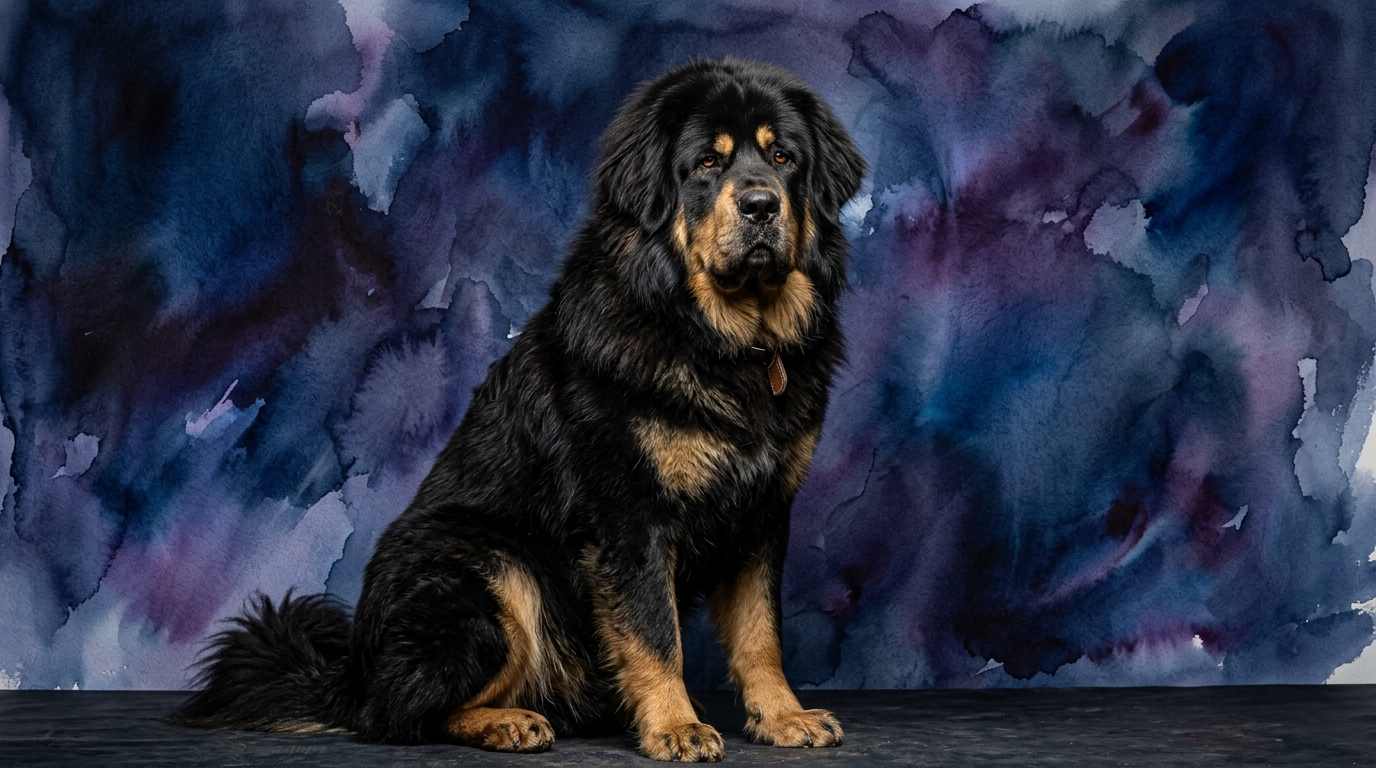
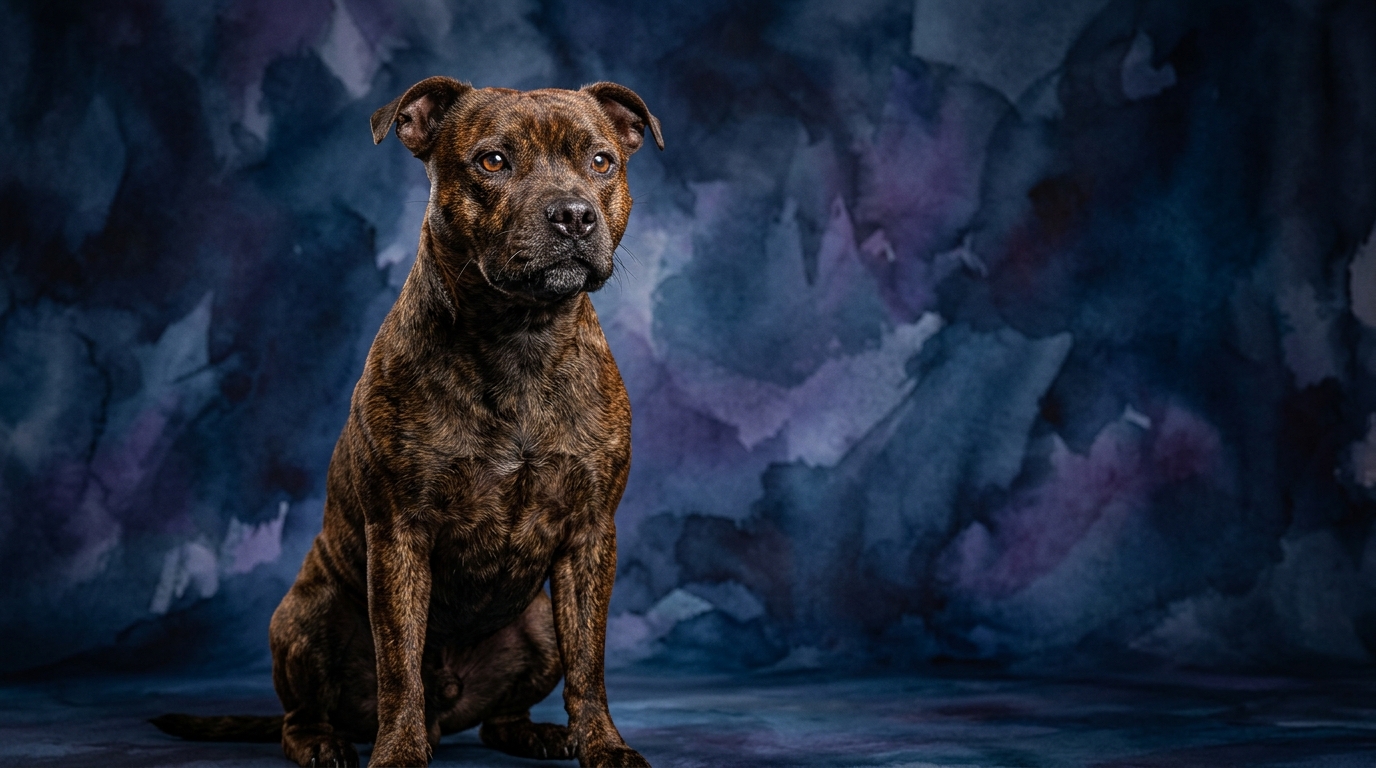
Side-by-Side IQ Profile: Unpacking the 3/5 Scores
At first glance, the IQ profiles for the Tibetan Mastiff and the Staffordshire Bull Terrier from The Cosmic Pet Pet IQ Lab appear identical, with both breeds scoring a consistent 3/5 across all five dimensions: problem solving, training speed, social intelligence, instinctive drive, and memory. This 3/5 rating signifies a capable, average cognitive ability – neither struggling nor exceptionally gifted in these areas. It’s crucial to note that neither breed is currently ranked by Stanley Coren, meaning our understanding relies on these specific dimensional assessments rather than broader obedience and working intelligence metrics.
For the Tibetan Mastiff, a 3/5 in problem solving indicates an aptitude for independent thought, particularly regarding their guarding duties; they can figure out how to navigate or secure their territory, though abstract puzzles might not be their forte. Their 3/5 training speed suggests they are capable learners, but often require patience and understanding of their self-reliant nature, not always picking up cues instantly. Social intelligence at 3/5 means they comprehend pack dynamics within their trusted family, yet exhibit reservation with strangers, reading intentions within their established circle. An instinctive drive of 3/5 points to strong territorial and guarding instincts, with a moderate prey drive, primarily motivated by defense rather than complex tasks. Finally, their 3/5 memory allows them to retain routines, learned behaviors, and the identities of people and places, especially those linked to their perceived responsibilities.
The Staffordshire Bull Terrier, also at 3/5 across the board, expresses these dimensions differently. Their problem solving at 3/5 makes them resourceful, particularly when motivated by play or treats, adept at figuring out how to access desired objects or escape boredom-induced confinement. A 3/5 training speed reflects their eagerness to please their human companions, which generally aids learning, although a typical terrier stubbornness can emerge; they learn consistent commands well with positive reinforcement. Their 3/5 social intelligence means they are generally affable and perceptive of human emotions, often seeking interaction, though sometimes with exuberant greetings. An instinctive drive of 3/5 points to a strong prey drive, along with moderate digging and chasing tendencies, driven more by engagement and interaction than independent tasks. Their 3/5 memory ensures good recall for cherished routines and familiar people, retaining training cues effectively with ongoing consistency.
Where the Tibetan Mastiff's Cognition Shines
The Tibetan Mastiff's cognitive strengths primarily manifest in their nuanced approach to guardianship and their specific social intelligence within their established family unit. Their 3/5 problem-solving ability is most evident in their capacity to independently assess potential threats and make decisions regarding territory protection without constant human direction. This trait, honed over centuries as solitary protectors, allows them to be astute observers of their environment, quickly identifying and responding to perceived irregularities or intruders with a calm, decisive presence.
Their memory, also rated 3/5, plays a crucial role in this capacity. Tibetan Mastiffs retain a detailed mental map of their territory, remembering boundaries, the typical comings and goings of familiar individuals, and the specific locations of potential vulnerabilities. This spatial and routine memory allows them to act as highly effective, self-sufficient sentinels, recalling past events or patterns to inform their present guarding behaviors, contributing significantly to their formidable and reliable presence.
Where the Staffordshire Bull Terrier's Cognition Excels
The Staffordshire Bull Terrier's cognitive advantages are rooted in their exceptional social intelligence and their motivation for human interaction. While also rated 3/5, their social intelligence manifests as a deep attunement to human emotions and a strong desire to engage, making them highly responsive to their family's moods and cues. Their problem-solving skills, rated 3/5, often surface in creative efforts to initiate play or gain attention, demonstrating a cognitive flexibility geared towards maintaining social bonds and engaging their human companions.
Furthermore, the Staffie's 3/5 training speed, combined with their eager-to-please nature, provides a distinct advantage in the training arena. While not necessarily quicker to grasp a concept than a Mastiff, their powerful motivation to comply with human wishes and their memory for positive reinforcement cues make them highly amenable to structured lessons. This means they are often perceived as more responsive and easier to guide through training, as their focus is typically directed towards their human, making the learning process a shared, enjoyable experience.
Training Dynamics: Independence vs. Engagement
When considering which breed is 'easier' to train, the identical 3/5 training speed scores can be misleading without context. Training a Tibetan Mastiff requires an understanding of their inherent independence and their deeply ingrained guardian mindset. They are not typically driven by an overwhelming desire to please in the same way some breeds are. Instead, their 3/5 training speed means they *can* learn, but it demands immense patience, unwavering consistency, and a profound respect for their self-reliant nature. They respond best when they perceive a command as logical, beneficial to their perceived duties, or aligned with their own assessment of a situation, often requiring a calm, authoritative approach.
In contrast, training a Staffordshire Bull Terrier, despite their identical 3/5 training speed, is often perceived as a more straightforward endeavor due to their intense desire for human interaction and approval. Their robust social intelligence and willingness to engage mean they are highly motivated by positive reinforcement, play, and praise. While they possess the typical terrier tenacity, their focus is generally on their human, making them more receptive to structured lessons if these are made enjoyable and rewarding. Their keen memory for positive experiences further solidifies their responsiveness, meaning that consistent, engaging training methods yield effective results, even if occasional terrier stubbornness requires a firm but fair hand.
Tailoring to Lifestyles: Active vs. Relaxed Owners
The Tibetan Mastiff is best suited for owners who appreciate a dog with a profound sense of purpose and a more reserved energy. While they require regular exercise, their 'active' often translates to patrolling their territory, a steady walk, or quiet observation, rather than high-intensity, continuous physical exertion. Relaxed owners who value quiet companionship, a formidable presence, and are prepared to manage strong territorial instincts will find a harmonious match. Their cognitive strengths are best utilized in an environment where they can survey and protect, rather than constantly engage in demanding activities.
Conversely, the Staffordshire Bull Terrier is an ideal companion for active owners who seek an engaging, playful partner. Their energy is frequently expressed in enthusiastic bursts of play, necessitating regular interactive exercise, games, and mental stimulation. They thrive on being an integral part of family activities and require consistent outlets for their spirited temperament. A 'relaxed' owner who cannot meet their need for engagement and activity might find their lively nature challenging, as their cognitive makeup is geared towards interaction and participation rather than independent, quiet guardianship.
The Verdict: When to Choose Each
The Verdict
Choose a Tibetan Mastiff if you seek a majestic, independent guardian who thrives on purpose and quiet companionship within a secure, well-defined territory, and you are prepared for a dog whose training requires patience and respect for its self-reliant nature.
Opt for a Staffordshire Bull Terrier if you desire an affectionate, energetic companion who thrives on close family interaction and engaging activities, and you're ready to provide consistent, positive training to channel their spirited enthusiasm.
🧠 Find Your Pet's IQ Score
Our Pet IQ Lab assessment covers 25+ tests across 5 cognitive dimensions — personalized to your breed.
Take the Full IQ Test →Frequently Asked Questions
Do Tibetan Mastiffs guard naturally, or do they need extensive training?
Tibetan Mastiffs possess a deeply ingrained instinctive drive for guardianship, rated 3/5, meaning they naturally assess and protect their territory and family. While basic obedience training is essential, their protective instincts are largely inherent and manifest without specific guard dog training, relying on their independent problem-solving and memory.
Are Staffordshire Bull Terriers good with children, given their strong drive?
Staffordshire Bull Terriers, with their 3/5 social intelligence, are often known for their affectionate nature towards their human family, including children, earning them the nickname 'nanny dog.' However, their enthusiastic play and moderate instinctive drive mean supervision is always necessary, and early socialization is crucial for positive interactions with all family members.
If both breeds have 3/5 for training speed, why are their training experiences so different?
While both are rated 3/5 for training speed, the *motivation* behind their learning differs significantly. Tibetan Mastiffs learn best when commands align with their independent thinking and perceived duties, whereas Staffordshire Bull Terriers are often more eager to please their human and respond strongly to positive reinforcement and engaging interaction, making the process feel more collaborative.