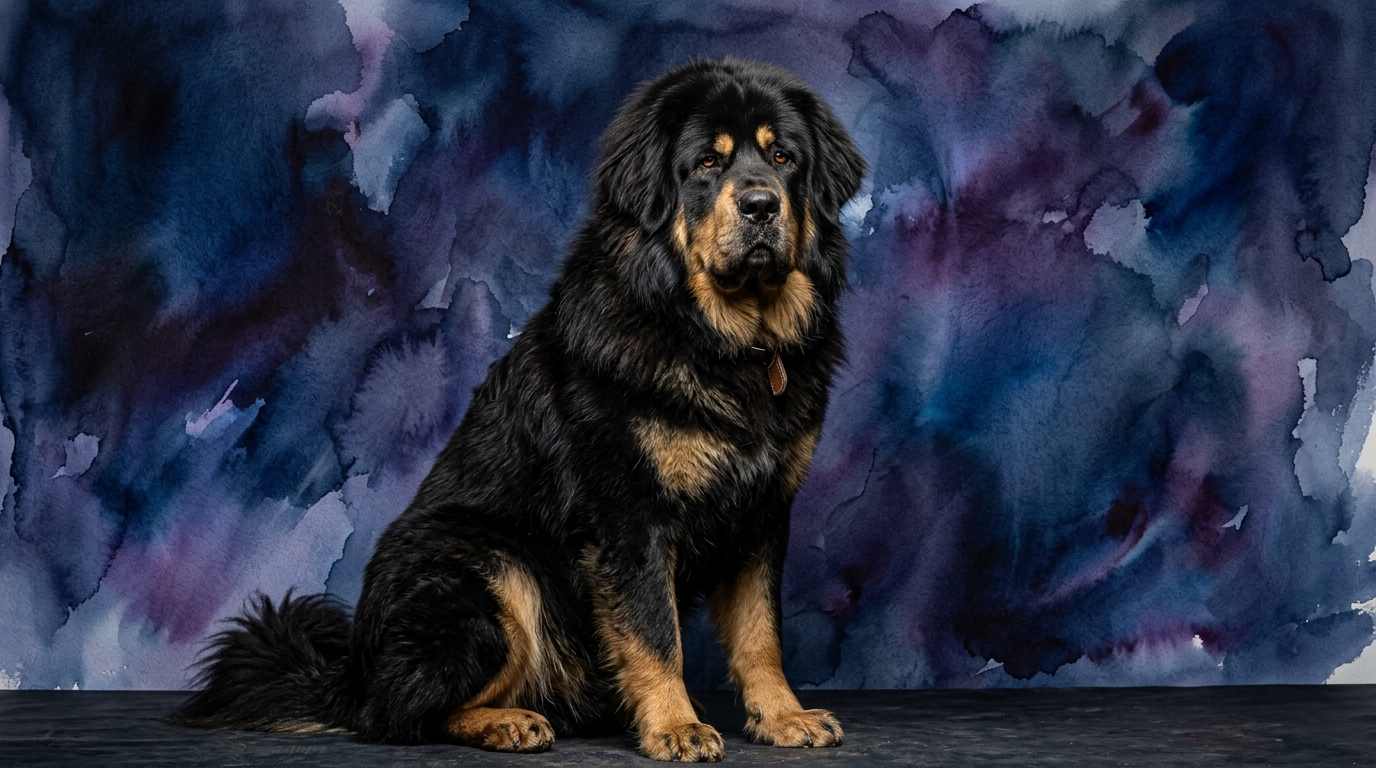
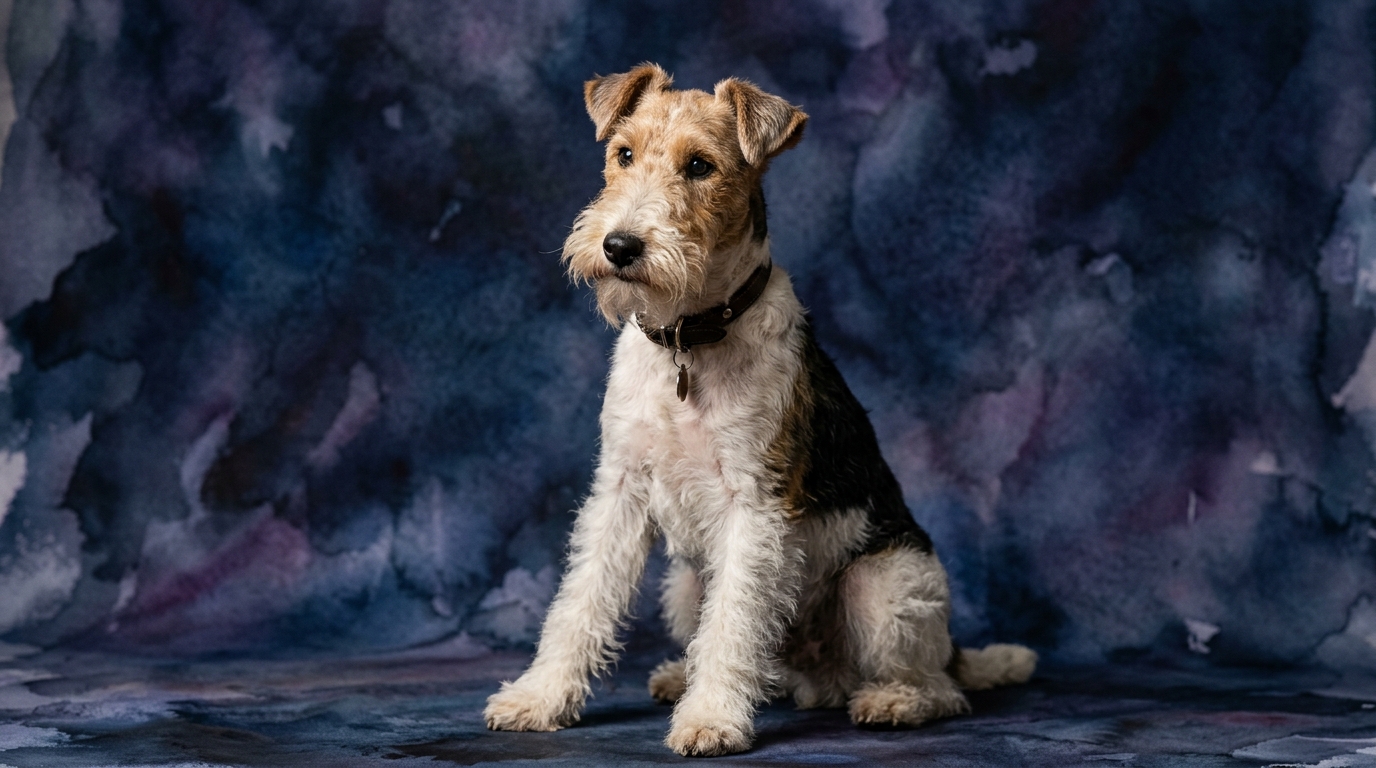
Side-by-Side IQ Profile: Interpreting Identical Scores
At The Cosmic Pet Pet IQ Lab, we assess canine intelligence across five key dimensions. Interestingly, both the Tibetan Mastiff and the Wire Fox Terrier register a consistent 3 out of 5 in every category. This parity doesn't suggest a lack of cognitive depth, but rather emphasizes how context profoundly shapes the expression of intelligence.
For the Tibetan Mastiff, a breed from the Working group, a problem-solving score of 3/5 often translates to an ability to independently assess and mitigate perceived threats within their territory, rather than excelling at puzzle toys. Their training speed of 3/5 reflects a capacity to learn complex commands, yet their independent nature means compliance is often a matter of choice and perceived necessity. Social intelligence at 3/5 indicates a deep bond with their immediate family and a discerning approach to strangers, reading intentions with a calm vigilance. Their instinctive drive of 3/5 is primarily centered around guarding and protection, a powerful innate impulse, while their memory at 3/5 allows them to recall specific individuals, boundaries, and routines over long periods, crucial for their sentinel role.
The Wire Fox Terrier, a member of the Terrier group, also scores 3/5 across the board, yet these scores manifest differently. Their problem-solving at 3/5 is typically expressed in ingenious methods for locating and pursuing quarry, or navigating complex environments to achieve a goal, often with tenacious determination. A training speed of 3/5 means they grasp concepts readily, but their strong will and distractibility, driven by instinct, can make consistent execution a challenge. Social intelligence at 3/5 often means an engaging, playful interaction style with their chosen people, though their focus can quickly shift to external stimuli if a chase is involved. Their instinctive drive of 3/5 is overwhelmingly focused on hunting and digging, a potent and persistent force, and their memory at 3/5 is keen for remembering the locations of interesting smells, potential prey, and past adventures.
Where the Tibetan Mastiff Excels Cognitively
The Tibetan Mastiff's cognitive strengths lie in their capacity for independent judgment and their profound understanding of their designated territory and family unit. While their problem-solving score is 3/5, this manifests as an exceptional ability to discern friend from foe without constant human instruction, a critical skill for a guardian breed. They excel at assessing situations from a distance, making calm, calculated decisions about whether a perceived threat warrants intervention, demonstrating a sophisticated form of applied problem-solving.
Their social intelligence, also rated 3/5, is particularly refined in understanding subtle shifts in family dynamics and moods, offering a comforting presence or a watchful guard as needed. This isn't about being universally gregarious, but rather about a deep, intuitive connection with their inner circle, making them remarkably attuned companions within their chosen family. Their memory is robust for remembering who belongs and who doesn't, a vital aspect of their protective duties that allows them to maintain consistent boundaries over time.
Where the Wire Fox Terrier Shines Cognitively
The Wire Fox Terrier's cognitive prowess is deeply rooted in their terrier heritage: an unstoppable drive for exploration and pursuit, combined with cleverness in overcoming obstacles. Their 3/5 problem-solving ability often translates into remarkable ingenuity when faced with barriers to their objectives, whether it's figuring out how to open a gate or unearth a hidden toy. They are persistent strategists when it comes to achieving a goal, often demonstrating a trial-and-error approach that quickly leads to success.
Their instinctive drive, also 3/5, is a powerful cognitive engine, fueling their curiosity and determination. This drive means they are incredibly focused once they've identified a 'mission,' whether it's a scent trail or a playful challenge. This intense focus, while sometimes challenging for owners, is a testament to their cognitive efficiency in pursuing their innate purpose, making them exceptionally engaging partners for specific activities like agility or earthdog trials where their natural talents are harnessed.
Training Dynamics: Independence vs. Drive
When it comes to training, the identical 3/5 training speed scores for both breeds belie significant differences in their approach to learning and compliance. The Tibetan Mastiff, despite its ability to grasp commands, often requires a trainer who understands their independent and self-assured nature. They are not dogs that typically live to please; instead, they learn best when training is framed as a collaborative effort or when the requested action aligns with their own perceived purpose or benefit. Their sheer size and strength also mean that early, consistent, and respectful training is paramount to managing such a powerful, self-thinking animal.
The Wire Fox Terrier also presents a unique training challenge, not due to independence in the Mastiff's sense, but because of their intense instinctive drive and boundless energy. While they learn quickly, their strong prey drive and curiosity can easily override their attention, making consistency difficult in distracting environments. Training a Wire Fox Terrier demands creativity, patience, and a high-value reward system to maintain their focus. Their persistent nature can also manifest as stubbornness if they decide a particular command isn't worth their effort, requiring an owner who can make training feel like an engaging game rather than a chore.
Matching Breeds to Lifestyles: Active vs. Relaxed Owners
The lifestyle requirements for these two breeds diverge considerably, despite their similar IQ scores, primarily due to their physical needs and inherent temperaments. A Tibetan Mastiff is better suited for owners who appreciate a calm, watchful presence and have ample space, preferably with a securely fenced yard. While they require regular walks, their exercise needs are not as intensely demanding as some other large breeds; rather, they thrive on routine, companionship, and a clear understanding of their role within the family. Relaxed owners who value a majestic, self-reliant companion and are prepared for a dog that won't always be effusively demonstrative will find a good match.
Conversely, the Wire Fox Terrier is an ideal companion for active owners who relish daily adventures and can provide consistent mental and physical stimulation. Their high energy levels and relentless curiosity mean they require significant daily exercise, structured play, and opportunities for 'work' that taps into their terrier instincts, such as agility, earthdog, or even just vigorous games of fetch. Owners who lead an active outdoor lifestyle and enjoy engaging with a perpetually enthusiastic and spirited canine partner will find the Wire Fox Terrier to be an invigorating addition to their lives.
The Verdict
Choose a Tibetan Mastiff if you seek a majestic, independent guardian with a calm demeanor, requiring an owner who values a discerning, self-reliant presence and can provide a spacious, secure environment.
Opt for a Wire Fox Terrier if you desire an energetic, sharp-witted companion for an active lifestyle, thriving with an owner who can channel their boundless enthusiasm and tenacious drive into engaging activities.
🧠 Find Your Pet's IQ Score
Our Pet IQ Lab assessment covers 25+ tests across 5 cognitive dimensions — personalized to your breed.
Take the Full IQ Test →Frequently Asked Questions
Do identical IQ scores mean these dogs are equally easy to train?
No, identical IQ scores do not equate to equal ease of training. While both score 3/5 in training speed, the Tibetan Mastiff's independence and the Wire Fox Terrier's intense drive manifest as different training challenges, requiring distinct approaches and patience levels from their owners.
How does 'problem solving 3/5' differ between these breeds?
For the Tibetan Mastiff, 3/5 problem-solving often means adeptly assessing territorial threats and making independent decisions about guarding. For the Wire Fox Terrier, it typically translates to ingenious methods for pursuing prey or overcoming obstacles to reach a desired object, showcasing their tenacious ingenuity.
Which breed is better for a first-time dog owner?
Neither breed is typically recommended for first-time dog owners due to their strong personalities and specific needs. Both require experienced handling, consistent training, and a deep understanding of their breed-specific temperaments to thrive.