Side-by-Side IQ Profile: Interpreting Identical Scores
The Cosmic Pet Pet IQ Lab rates both the Tibetan Mastiff and the Wirehaired Pointing Griffon with a consistent 3/5 across all five measured dimensions: Problem Solving, Training Speed, Social Intelligence, Instinctive Drive, and Memory. While these identical scores might suggest similar cognitive capacities, understanding their application requires looking through the lens of each breed's historical role and inherent temperament. A '3/5' indicates a solid, functional capacity that is neither exceptional nor deficient, but rather suitable for their respective demanding tasks.
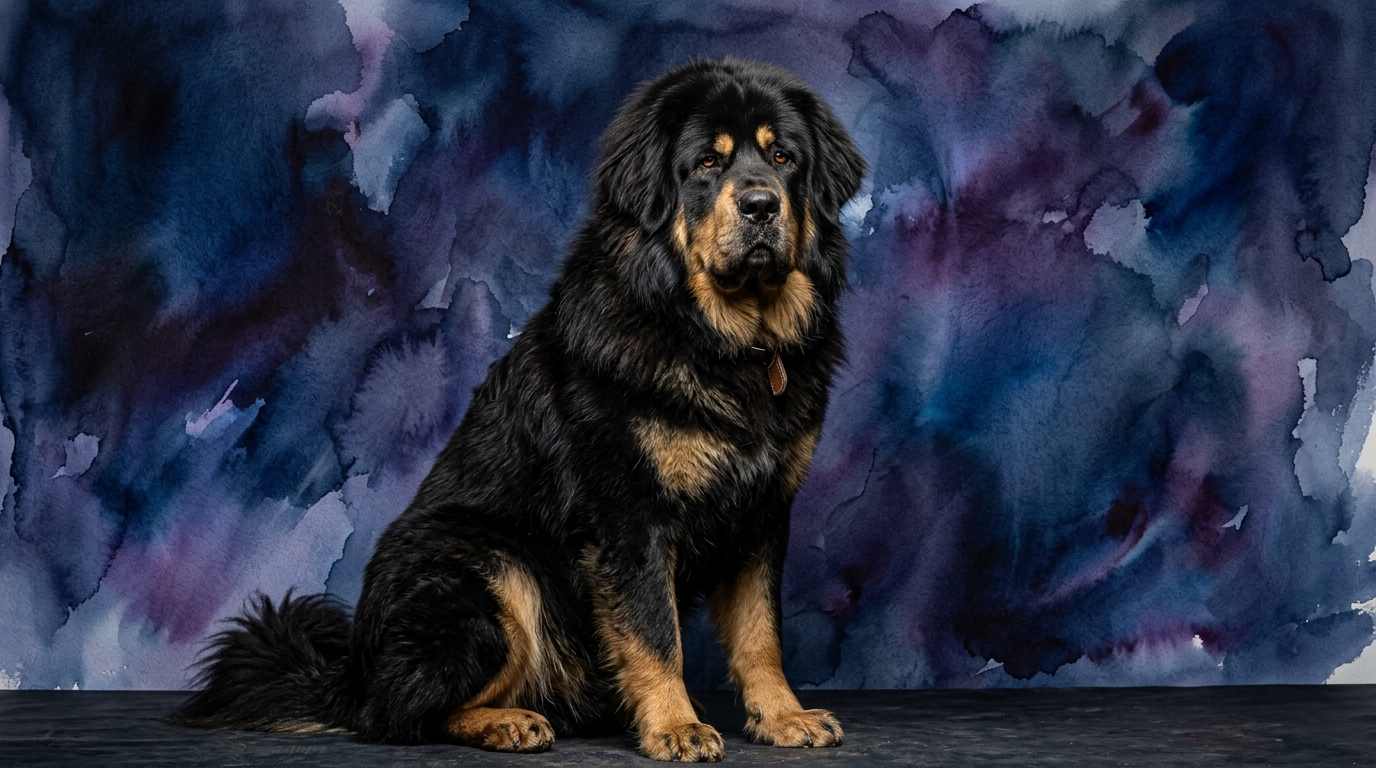
For the **Tibetan Mastiff**, a 3/5 in **Problem Solving** reflects their capacity for independent decision-making when assessing potential threats to their territory or flock, requiring them to evaluate situations and react without constant human direction. Their **Training Speed** at 3/5 suggests they are capable learners, but their inherent independence means they often require consistent, patient, and motivating methods, as they are not typically eager to please in the conventional sense. A 3/5 in **Social Intelligence** pertains to their discerning nature, adept at distinguishing between family members and strangers, exhibiting a protective yet often reserved demeanor. Their **Instinctive Drive** at 3/5 is profoundly rooted in guarding and territorial defense, a powerful inherent motivation to protect their home and people. Finally, their **Memory** at 3/5 supports their ability to recall boundaries, identify recurring threats, and remember the layout of their domain, crucial for effective guardianship.
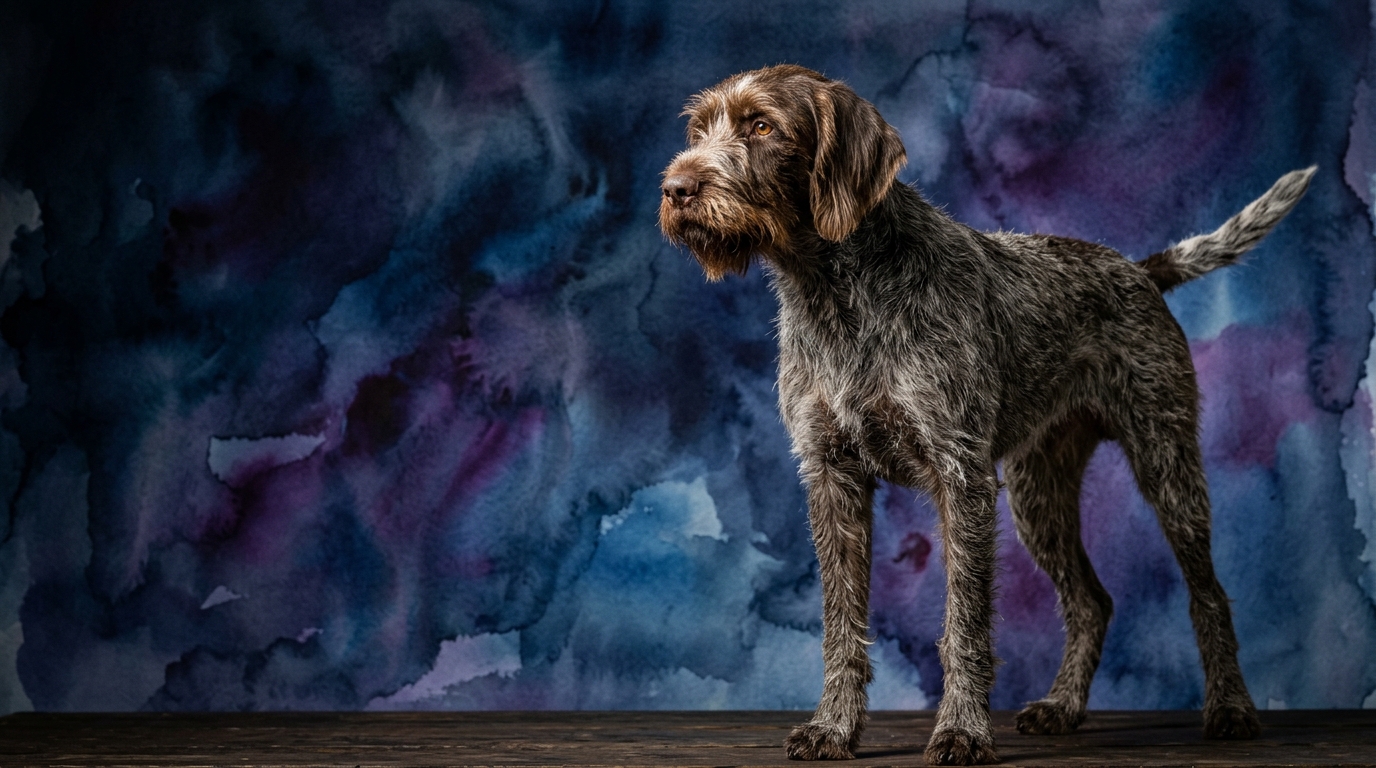
Conversely, for the **Wirehaired Pointing Griffon**, a 3/5 in **Problem Solving** manifests in their ability to decipher complex scent trails, navigate varied terrains, and strategize during a hunt, demanding quick, on-the-spot deductions to locate game. Their **Training Speed** at 3/5 indicates a responsive and generally cooperative learner, driven by a desire to work alongside their human partner, though their strong prey drive can sometimes present a distraction. A 3/5 in **Social Intelligence** reflects their capacity for close collaboration with a handler, understanding subtle cues and working as part of a team in the field, while typically being amiable with known individuals. Their **Instinctive Drive** at 3/5 is powerfully geared towards hunting, pointing, and retrieving, an innate desire to pursue and locate game. Their **Memory** at 3/5 is vital for recalling complex hunting patterns, remembering specific commands, and tracking scent information over time, all essential for their sporting endeavors.
Where the Tibetan Mastiff Excels Cognitively
While both breeds share identical IQ scores, the Tibetan Mastiff's cognitive profile, particularly its 3/5 in Problem Solving and Instinctive Drive, shines in scenarios demanding autonomous judgment and unwavering vigilance. The Mastiff's intelligence is geared towards independent assessment of threats, making them exceptionally adept at determining when and how to react to perceived dangers without constant human input. This isn't about rapid-fire learning of tricks, but rather a profound internal compass for security. Their 3/5 Social Intelligence, when combined with their impressive memory, allows them to accurately categorize individuals as friend or foe, remembering interactions and maintaining a consistent, protective stance towards their inner circle. This specific application of their cognitive abilities makes them unparalleled as dedicated, self-reliant guardians, capable of making critical decisions to safeguard their territory and family.
Their cognitive strength lies in a deep-seated understanding of their role as protector. A Tibetan Mastiff will use its 3/5 Problem Solving to evaluate a strange car approaching, gauging its speed, occupants, and intent, then deciding on the appropriate level of deterrent. This isn't a learned behavior in the sense of 'sit' or 'stay,' but an intrinsic, complex cognitive process of threat assessment and response. Their memory allows them to build a comprehensive mental map of their domain, identifying usual patterns and quickly flagging anomalies. This independent, critical thinking for security purposes is where their cognitive abilities are most pronounced and effective.
Where the Wirehaired Pointing Griffon Excels Cognitively
The Wirehaired Pointing Griffon, with its matching 3/5 scores, demonstrates cognitive strengths that pivot around collaboration, adaptability in dynamic environments, and a profound connection to its human partner in pursuit of a shared goal. Their 3/5 in Problem Solving is acutely focused on the intricacies of the hunt: interpreting subtle changes in scent, navigating dense cover, and strategically maneuvering to 'point' game. This requires a specific type of on-the-fly decision-making that is less about independent guardianship and more about effective partnership. Their 3/5 Training Speed, combined with a strong Instinctive Drive, means they are often highly motivated to engage in activities that fulfill their hunting purpose, translating into a keen ability to learn and apply complex sequences of commands in the field.
The Griffon's cognitive prowess is particularly evident in its ability to process multiple sensory inputs simultaneously – scent, sight, sound – and integrate them into a coherent hunting strategy, often adjusting their approach based on the handler's signals. Their 3/5 Social Intelligence shines in their capacity to understand and respond to human intentions during a hunt, demonstrating a collaborative intelligence that is crucial for a successful sporting dog. This involves not just following commands but anticipating needs and working in concert with their handler. Their memory is vital for retaining intricate hunting strategies, remembering the location of downed game, and recalling specific training cues across varied environments, making them highly effective and responsive field companions.
Which is Easier to Train and Why?
Despite both breeds scoring a 3/5 in Training Speed, their underlying behavioral tendencies create a noticeable difference in the training experience. The Wirehaired Pointing Griffon generally presents as the 'easier' breed to train for most owners. This isn't because they are inherently 'smarter' in a general sense, but because their 3/5 Training Speed is coupled with a strong desire to work cooperatively and please their handler, especially when tasks align with their inherent hunting drive. They are often highly food-motivated and eager to engage in interactive learning, making them more amenable to traditional obedience and complex task training. Their natural inclination to retrieve and point means many foundational skills are built upon strong, enjoyable instincts, making the learning process feel more like a game.
The Tibetan Mastiff, while equally capable of learning with its 3/5 Training Speed, often requires a different approach. Their cognitive profile leans towards independence and self-reliance, meaning they are less inclined to perform simply to please. Training a Mastiff involves convincing them that a command or action is beneficial or logical from their perspective. They can be highly discerning and may question the necessity of repetitive drills. Their protective instincts mean early and extensive socialization is crucial, and training often focuses on management and boundary setting rather than intricate commands. While they absorb information, their compliance is often tied to trust and respect for their owner, making their 'training speed' more about building a relationship than rote memorization. This independence can be perceived as stubbornness by inexperienced owners, making the training journey feel more challenging.
Suitability for Active vs. Relaxed Owners
The distinction between these two breeds, despite their identical IQ scores, becomes stark when considering owner lifestyle. The Wirehaired Pointing Griffon is unequivocally suited for active owners. Their robust 3/5 Instinctive Drive for hunting, combined with their collaborative social intelligence and problem-solving skills, means they thrive on consistent physical and mental engagement. They require daily vigorous exercise, such as long runs, hikes, or swimming, and benefit immensely from activities like field trials, agility, or extensive scent work. Owners who enjoy spending significant time outdoors, participating in dog sports, or who are avid hunters will find the Griffon to be an ideal, tireless companion. Their cognitive abilities are best expressed and maintained when regularly challenged with tasks that mimic their natural instincts.
The Tibetan Mastiff, on the other hand, is better suited for owners who appreciate a more relaxed, yet highly responsible, lifestyle. While large and powerful, their exercise needs are moderate compared to a sporting breed; they prefer a watchful patrol of their territory over sustained high-impact activity. Their 3/5 Instinctive Drive for guarding means their mental energy is often directed towards observation and assessment, not constant physical exertion. Relaxed owners, however, must not mistake this for low maintenance. Mastiffs require significant mental engagement through consistent, early socialization, clear boundaries, and an owner who understands and respects their independent, protective nature. They are not dogs for casual strolls in crowded areas but prefer a secure, quiet environment where they can fulfill their guardian role. Their cognitive strengths are best appreciated by those who value a calm, observant, and dedicated presence.
The Verdict: When to Choose Each Breed
Deciding between a Tibetan Mastiff and a Wirehaired Pointing Griffon comes down to aligning their specific cognitive applications and inherent drives with your lifestyle and expectations, rather than a simple 'smarter' choice. Both offer unique rewards for their owners, rooted in their distinct evolutionary paths.
Choosing a Tibetan Mastiff means embracing a breed whose 3/5 cognitive scores are finely tuned for independent guardianship and discerning protection. Opt for this majestic breed if you seek a calm, watchful, and profoundly loyal companion who excels at territorial defense, thrives with clear boundaries, and whose mental stimulation comes from observation and decision-making within a secure home environment. They are best for owners who appreciate a dog with an ancient soul and an independent mind, requiring a firm yet gentle hand and extensive early socialization.
Conversely, select a Wirehaired Pointing Griffon if your life revolves around outdoor adventure, active engagement, and a desire for a collaborative canine partner. This breed, with its 3/5 cognitive scores geared towards cooperative problem-solving and an insatiable hunting drive, is perfect for individuals or families who enjoy hiking, hunting, dog sports, and who can provide consistent, varied mental and physical challenges. They thrive on working closely with their human, making them an excellent choice for those who value an eager-to-please, versatile, and energetic companion.
The Verdict
Choose a Tibetan Mastiff if you prioritize a self-reliant guardian with a calm demeanor and a deep sense of territorial responsibility, appreciating their independent decision-making and profound loyalty. They thrive in secure environments where their watchful nature is valued over constant high-energy activities.
Opt for a Wirehaired Pointing Griffon if you lead an active lifestyle and seek a collaborative, energetic partner for outdoor adventures, hunting, or dog sports. Their eagerness to work and problem-solve alongside their human makes them an ideal companion for engaged, hands-on owners.
🧠 Find Your Pet's IQ Score
Our Pet IQ Lab assessment covers 25+ tests across 5 cognitive dimensions — personalized to your breed.
Take the Full IQ Test →Frequently Asked Questions
Do the identical IQ scores mean these breeds are equally easy to live with?
No, identical IQ scores of 3/5 across the board indicate functional cognitive capacities suitable for their breed roles, but their application differs significantly. The Tibetan Mastiff's independence and guarding instincts require specific management, while the Wirehaired Pointing Griffon's high energy and collaborative drive demand constant engagement, making them very different in terms of daily living.
Can a Tibetan Mastiff be trained for complex tasks like a Wirehaired Pointing Griffon?
While a Tibetan Mastiff's 3/5 Training Speed allows them to learn, their independent nature means they are less motivated by performing complex tasks purely for human pleasure. They can learn, but their compliance is often tied to their perception of the task's utility or their respect for the handler, making the process slower and requiring different motivational strategies compared to the more eager-to-please Griffon.
Which breed is better for a first-time dog owner?
Neither breed is typically recommended for a first-time dog owner due to their specific needs and strong inherent drives. Both require experienced handling, consistent training, and thorough socialization. The Wirehaired Pointing Griffon's high energy and strong prey drive can be overwhelming, while the Tibetan Mastiff's independent and protective nature requires a deep understanding of guardian breeds.