Side-by-Side IQ Profile: Tibetan Spaniel vs. Miniature Poodle
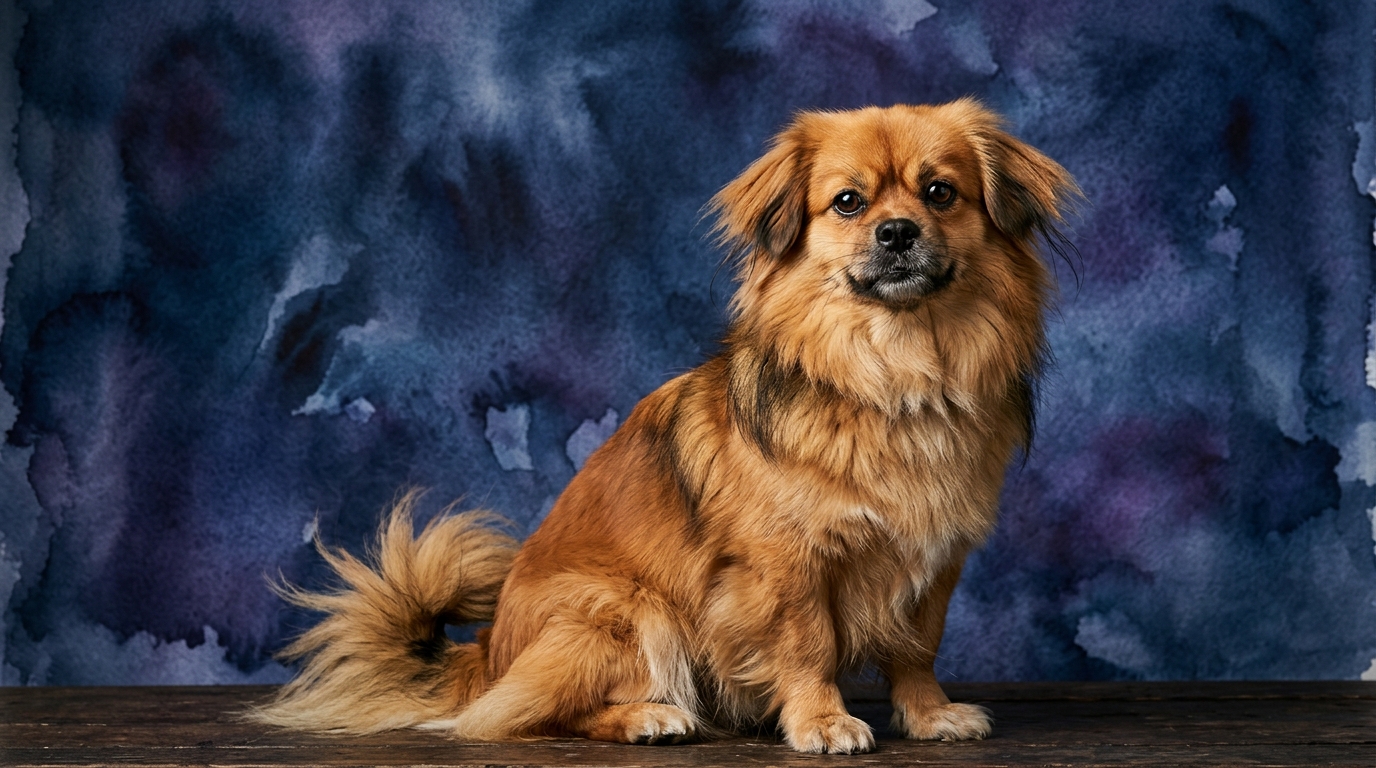
The Cosmic Pet Pet IQ Lab employs a five-dimensional framework to assess canine intelligence, offering a granular view beyond general perceptions. For the Tibetan Spaniel, a breed with ancient origins as companions in monasteries, its cognitive profile is notably balanced, scoring 3/5 across all categories. This indicates a consistent, moderate aptitude without extreme peaks or valleys. In Problem Solving (3/5), Tibetan Spaniels exhibit a moderate capacity for navigating novel situations and figuring out solutions to environmental challenges. They aren't typically driven to invent complex strategies but can manage everyday puzzles, like opening a familiar cabinet or finding a hidden treat with some effort. Their approach is often practical and persistent rather than highly analytical. Regarding Training Speed (3/5), learning new commands and routines takes a moderate amount of repetition and patience. They are capable of learning a wide range of behaviors but may not pick them up on the first few tries, as their independent streak means they might consider whether a command is truly worth their effort before complying. Their Social Intelligence (3/5) reflects a balanced understanding of cues from both humans and other animals, allowing them to integrate into a family dynamic and interact appropriately without being overly demonstrative but certainly aware of their social environment. The Instinctive Drive (3/5) in Tibetan Spaniels, such as chasing or guarding, is present but generally moderate, meaning they are adaptable and less prone to intense, singular behavioral patterns. Finally, their Memory (3/5) capabilities are solid, allowing them to recall learned commands, familiar people, and routines over time, supporting a stable understanding of their world without requiring constant reinforcement.
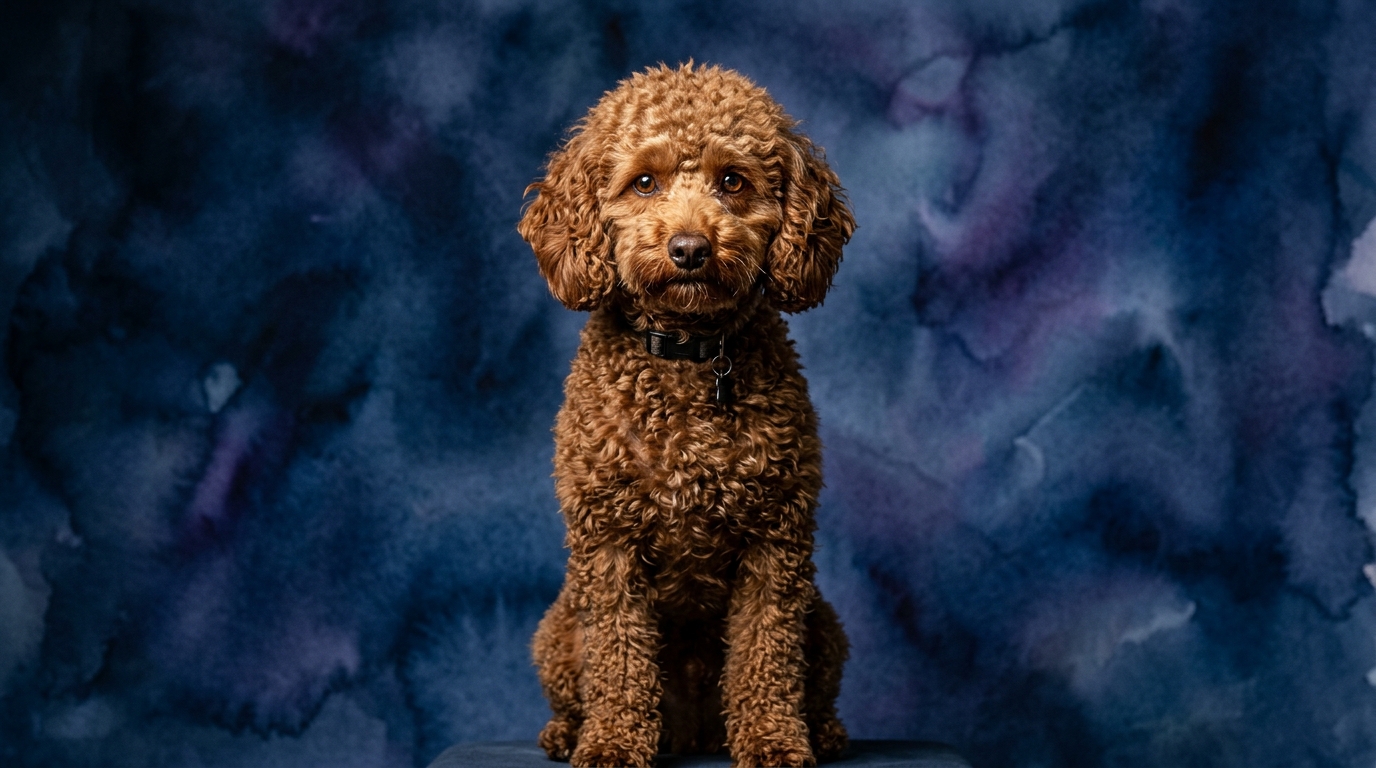
In stark contrast, the Miniature Poodle presents a cognitive profile marked by exceptional strengths in specific areas, earning a Coren rank of #2 among all dog breeds, a rare distinction. Their Problem Solving (5/5) is outstanding; Miniature Poodles demonstrate an exceptional ability to analyze and resolve intricate problems, adept at strategizing, quickly understanding cause-and-effect, and adapting their approach when faced with new mental challenges, whether in an agility course or figuring out how to access a desired object. Their Training Speed (5/5) is equally remarkable, as they often require very few repetitions to learn complex behaviors, making them highly responsive to instruction and contributing to their reputation as eager and capable learners. Curiously, their Social Intelligence (3/5) aligns with the Tibetan Spaniel, indicating a balanced capacity for social understanding; they can read human emotions and intentions reasonably well and interact appropriately within a social structure, without the extreme sensitivity seen in some other breeds. Their Instinctive Drive (3/5) is also moderate, reflecting their balanced nature despite their historical role as water retrievers, meaning these drives are not typically dominating their behavior. However, their Memory (5/5) is outstanding, allowing them to retain a vast repertoire of commands, experiences, and associations for extended periods. Once a skill or piece of information is learned, it is deeply ingrained, requiring minimal reinforcement to maintain, a robust memory that underpins their exceptional trainability and problem-solving prowess.
Where the Tibetan Spaniel Wins Cognitively
While the Miniature Poodle often shines in raw learning speed and complex problem-solving, the Tibetan Spaniel’s cognitive strengths lie in its balanced, self-sufficient approach to the world. A Tibetan Spaniel’s consistent 3/5 across all dimensions suggests a dog that is neither overly reliant on human direction nor burdened by an intense drive for constant mental work. This cognitive equilibrium can be a distinct "win" for owners seeking a companion that possesses a degree of independent thought and self-amusement without becoming aloof. Their moderate problem-solving means they are capable enough to navigate daily life without needing constant, elaborate mental challenges, offering a more relaxed companionship. Furthermore, their balanced social intelligence allows them to be a part of the family without the intense emotional sensitivity or demand for constant interaction that can accompany breeds with higher social drives, making them excellent observers and quiet contributors to the household dynamic. Their independence is not a lack of intelligence, but a different cognitive style that values autonomy and a less intense engagement with their environment.
Where the Miniature Poodle Wins Cognitively
The Miniature Poodle's cognitive superiority is evident in its exceptional scores for Problem Solving (5/5), Training Speed (5/5), and Memory (5/5). These high metrics translate into a dog with an unparalleled capacity for rapid learning and sophisticated mental engagement. A Poodle can quickly decipher complex tasks, learn multi-step commands in a remarkably short time, and retain that knowledge with impressive longevity. This makes them outstanding candidates for advanced obedience, dog sports like agility or rally, and even tasks requiring specialized learning or service work. Their ability to process and recall information so efficiently means they are profoundly adaptable and capable of mastering a wide array of cognitive challenges, making them an ideal partner for owners who enjoy engaging in structured mental activities with their canine companion. This breed’s cognitive peaks mean they are often seeking mental engagement, thriving when their sharp minds are given a purpose and a challenge to unravel.
Which is Easier to Train and Why
Without question, the Miniature Poodle is significantly easier to train due to its superior Training Speed (5/5) and Memory (5/5) compared to the Tibetan Spaniel's 3/5 in both categories. A Poodle's remarkable capacity for quickly grasping new concepts means they can learn a command or trick in just a few repetitions, often showing an eagerness to please that further accelerates the process. Their strong memory ensures that once a behavior is learned, it is deeply ingrained and rarely forgotten, translating into a dog that reliably performs learned tasks. In contrast, the Tibetan Spaniel, with its moderate training speed, requires more patience and repetition. Their independent nature and tendency to evaluate the value of a command before complying means training sessions might progress at a slower pace. While capable of learning, their behavioral difference lies in a more deliberate, less overtly enthusiastic approach to instruction, requiring a consistent and understanding trainer to achieve desired outcomes. The Tibetan Spaniel is certainly trainable, but it requires a different approach, one that respects their independent streak and rewards thoughtful engagement rather than instant compliance.
Which Suits Active Owners vs. Relaxed Owners
For owners who thrive on mental stimulation and enjoy actively engaging their dog in structured activities, the Miniature Poodle is an ideal match. Their high problem-solving and training speed mean they flourish when presented with puzzles, learning new tricks, or participating in dog sports like agility, obedience, or scent work. An active owner for a Poodle is often one who values mental exercise as much as, or more than, physical exercise, ensuring their sharp mind is consistently challenged to prevent boredom and potential behavioral issues. Conversely, the Tibetan Spaniel, with its balanced cognitive profile, is well-suited for more relaxed owners. Their moderate instinctive drive and problem-solving capabilities mean they are content with a more moderate level of mental engagement. While they enjoy interaction and are certainly playful, they are also capable of independent leisure and self-amusement, making them a good fit for individuals or families who appreciate a companion that is present and observant without constantly demanding complex mental tasks or intense, structured training regimens. They are happy to observe the world from a comfortable perch, offering companionship without constant mental demands.
The Verdict
Choose the Tibetan Spaniel if you seek a balanced, independent companion content with moderate mental engagement and a calm, observant presence.
Opt for the Miniature Poodle if you desire a highly trainable, problem-solving partner eager for advanced mental challenges and structured, consistent learning.
🧠 Find Your Pet's IQ Score
Our Pet IQ Lab assessment covers 25+ tests across 5 cognitive dimensions — personalized to your breed.
Take the Full IQ Test →Frequently Asked Questions
Does a Coren ranking indicate overall intelligence?
A Coren ranking primarily reflects a breed's working intelligence and obedience, specifically how quickly they learn new commands and obey them, which aligns with the training speed metric. It doesn't encompass all facets of intelligence, such as problem-solving or social understanding, which can be equally important for a companion animal's suitability.
Can a Tibetan Spaniel be trained for advanced tricks or sports?
Yes, a Tibetan Spaniel can certainly learn advanced tricks and participate in dog sports, though it will likely require more patience, consistent effort, and positive reinforcement than with a breed like the Miniature Poodle. Their moderate training speed means they are capable, but the learning curve will be longer and more deliberate, requiring a dedicated trainer.
Are Miniature Poodles prone to boredom if not mentally stimulated?
With their exceptional problem-solving and memory, Miniature Poodles do thrive on mental stimulation and can become restless or develop undesirable behaviors if their intelligent minds are not adequately engaged. Providing regular training, puzzle toys, interactive play, and opportunities to learn new skills is crucial for their overall well-being and contentment.