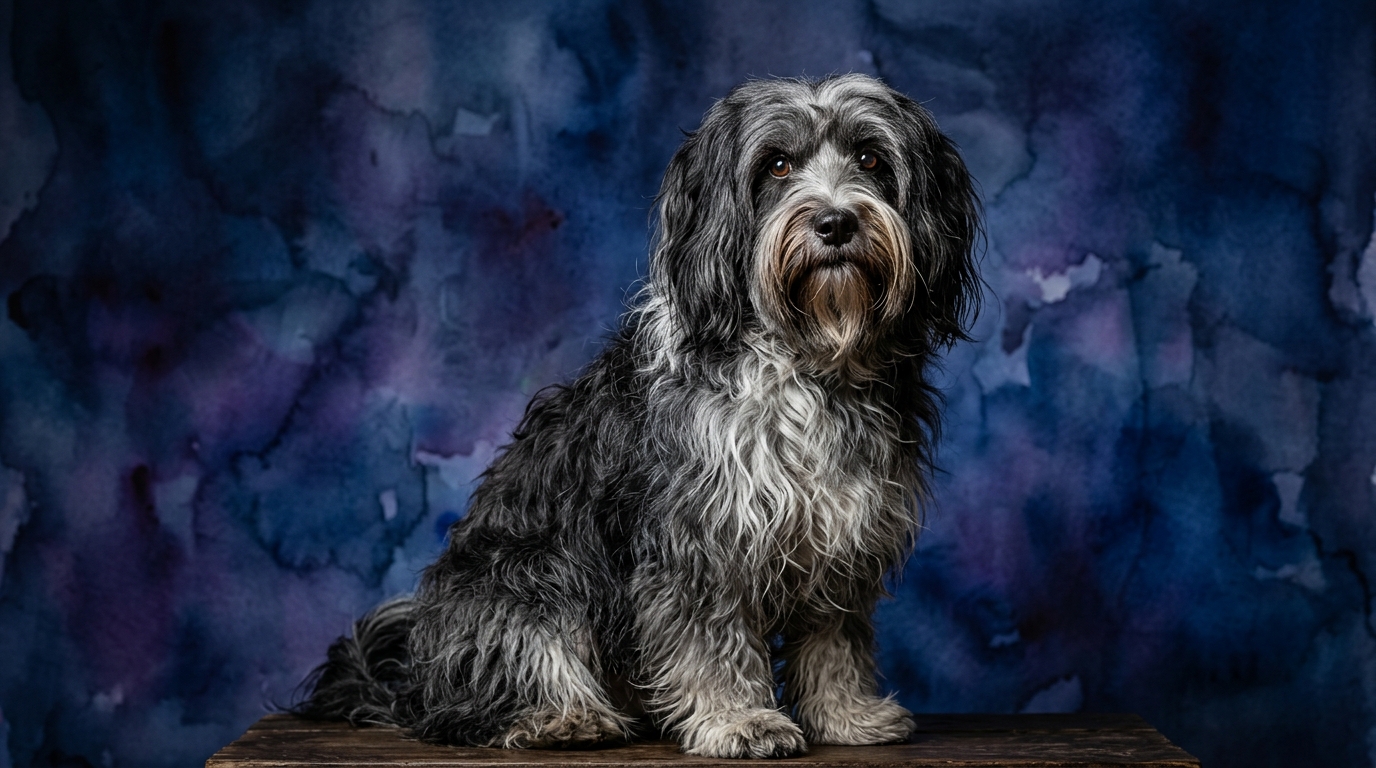
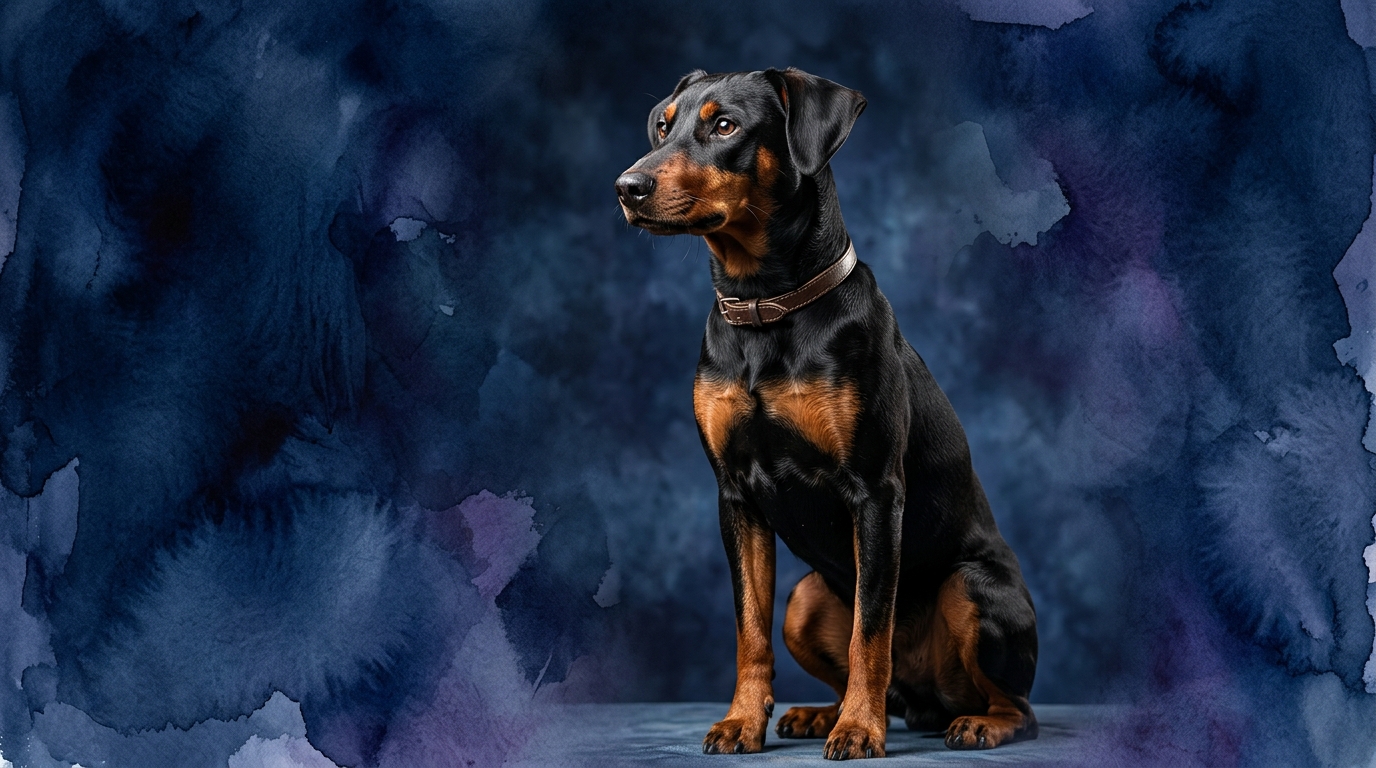
Side-by-Side Cognitive Profile: Tibetan Terrier vs. German Pinscher
Both the Tibetan Terrier, a Non-Sporting breed, and the German Pinscher, a Working breed, register an intriguing 3 out of 5 across all five dimensions of our Pet IQ Lab assessment: Problem Solving, Training Speed, Social Intelligence, Instinctive Drive, and Memory. This parity suggests a baseline of solid cognitive function, but the expression of these abilities is deeply colored by their ancestral purposes.
For the Tibetan Terrier, a 3/5 in Problem Solving often translates to an independent resourcefulness in navigating their home environment and finding comfort or amusement, rather than a drive to solve human-devised puzzles. Their Training Speed at 3/5 indicates they are capable learners but require positive motivation and consistency, sometimes needing to understand the 'why' behind a command. Social Intelligence at 3/5 means they are observant of family dynamics and moods, forming deep bonds, yet can be reserved with unfamiliar individuals. An Instinctive Drive of 3/5 points to their historical role as watchful companions, alert to their surroundings without an overwhelming prey drive. Finally, their Memory at 3/5 allows them to retain routines, learned behaviors, and social interactions effectively over time.
The German Pinscher, with the same 3/5 scores, applies these cognitive strengths differently. Their Problem Solving at 3/5 often manifests as a decisive approach to achieving a goal, whether it's outsmarting a perceived pest or navigating obstacles in their path with purpose. A 3/5 in Training Speed means they learn commands efficiently when motivated, but their strong will and working drive necessitate clear, firm, and consistent guidance. Social Intelligence at 3/5 highlights their deep loyalty and ability to read their immediate family 'pack,' often coupled with a discerning and protective stance towards strangers. Their Instinctive Drive at 3/5 is strongly tied to their heritage as ratters and guardians, expressing a purposeful drive and alertness. Memory at 3/5 ensures they quickly recall training, past experiences, and perceived threats or rewards, contributing to their consistent behavior.
Where the Tibetan Terrier Excels Cognitively
Despite identical raw scores, the Tibetan Terrier's cognitive strengths often lie in their nuanced social awareness and adaptable independence. Their 3/5 Social Intelligence, combined with their history as 'holy dogs' and companions in monasteries, suggests a refined ability to perceive and respond to subtle human emotional states within a family context. They are less driven by a singular task and more by observational understanding, making them adept at fitting into diverse household dynamics.
The Tibetan Terrier's 3/5 Problem Solving manifests as a quiet ingenuity in their daily lives. They are not necessarily looking for a job to do, but rather for ways to optimize their comfort and engagement within their environment. This can include figuring out how to get to a favorite sunbeam, retrieve a toy from an unexpected spot, or subtly communicate their needs to their human companions through body language and vocalizations. Their Coren ranking of #63, while not top-tier, reflects a solid capacity for obedience and learning when paired with their characteristic independence, indicating a balanced, thoughtful cognitive approach to their world.
Where the German Pinscher Excels Cognitively
The German Pinscher's cognitive prowess shines in their purposeful application of intelligence and decisive action. Their 3/5 Problem Solving is often geared towards practical outcomes, reflecting their working heritage as guardians and vermin hunters. This means they are effective at assessing situations and taking direct action, whether it's identifying a potential intruder or methodically clearing an area of pests. Their intelligence is less about subtle observation and more about clear-headed execution.
The German Pinscher's 3/5 Instinctive Drive is a significant cognitive asset, providing a strong internal motivation for activity and purpose. While not Coren-ranked, their breed characteristics suggest an intelligence that prioritizes vigilance and task completion over eager compliance in a formal obedience setting. Their memory at 3/5 is particularly strong in retaining boundaries, perceived threats, and the learned steps to achieve a specific goal, making them exceptionally reliable in their protective and working roles once trained. This blend of drive, problem-solving, and memory makes them formidable and focused partners for specific tasks.
Ease of Training: Behavioral Differences Unpacked
When assessing ease of training, the identical 3/5 Training Speed scores for both breeds are deceptive, as their underlying motivations differ significantly. The Tibetan Terrier, with its independent and sometimes 'cat-like' nature, requires an owner who understands the value of positive reinforcement, patience, and making training enjoyable. They can learn a vast array of commands, but their compliance is often linked to their mood or whether they perceive the command as worthwhile. They might question the necessity of a task, requiring creative engagement to maintain their focus and enthusiasm, and consistency is paramount to overcome their independent streak.
The German Pinscher, while also possessing a 3/5 Training Speed, is often more driven by a desire for a 'job' and clear leadership. They learn quickly when provided with a consistent, structured training regimen that taps into their natural working instincts. However, their strong will and protective nature mean they require a confident and experienced handler who can establish clear boundaries and provide consistent guidance. Without proper direction, their decisiveness can lead to self-appointed leadership or the development of undesirable behaviors. For an owner who understands working breeds and can provide consistent structure, the German Pinscher might appear to learn faster due to their inherent drive to perform, whereas the Tibetan Terrier demands a more nuanced, relationship-based approach.
Matching Breeds to Lifestyles: Active vs. Relaxed Owners
The Tibetan Terrier is a versatile companion, well-suited for owners who enjoy a balanced lifestyle. While not requiring extreme athleticism, they thrive on regular daily walks, interactive play sessions, and mental enrichment through puzzle toys or varied experiences. They adapt well to apartment living if their exercise needs are met and appreciate being an integral part of family activities. They are not a sedentary breed but can transition smoothly from an active outdoor session to a relaxed evening at home, making them suitable for owners who are active but also cherish quiet companionship.
The German Pinscher, in contrast, demands a significantly more active and engaged owner. Their strong working drive and energetic nature mean they require substantial daily physical exercise and consistent mental stimulation. They excel in dog sports like agility, obedience, or protection work, and benefit immensely from having a 'job' to do. A German Pinscher is not content with being a backyard ornament; they need purposeful activity and strong leadership to channel their energy constructively. This breed is ideal for highly active, experienced owners who are prepared to dedicate considerable time to structured exercise, training, and providing a consistent sense of purpose.
The Verdict
Choose the Tibetan Terrier if you seek a watchful, observant companion who thrives on family interaction and appreciates a balanced routine of activity and calm, and you are prepared for an independent thinker.
Opt for the German Pinscher if you are an experienced, active owner ready to provide consistent leadership, structured training, and ample physical and mental challenges for a driven, protective partner.
🧠 Find Your Pet's IQ Score
Our Pet IQ Lab assessment covers 25+ tests across 5 cognitive dimensions — personalized to your breed.
Take the Full IQ Test →Frequently Asked Questions
Do their identical IQ scores mean they behave the same?
No, their scores indicate similar potential across dimensions, but breed-specific instincts and historical roles profoundly shape how this potential is expressed in daily behavior and learning. Their behaviors diverge based on how they apply their cognitive abilities.
Which breed is better for first-time dog owners?
Neither breed is typically recommended for first-time owners due to their independent nature (Tibetan Terrier) or strong working drive and protective instincts (German Pinscher); both benefit from experienced handling and consistent guidance.
How important is mental stimulation for these breeds?
Mental stimulation is crucial for both breeds, preventing boredom and channeling their cognitive abilities constructively, whether through puzzle toys, varied training, or engaging environments. It helps satisfy their inherent intellectual needs.