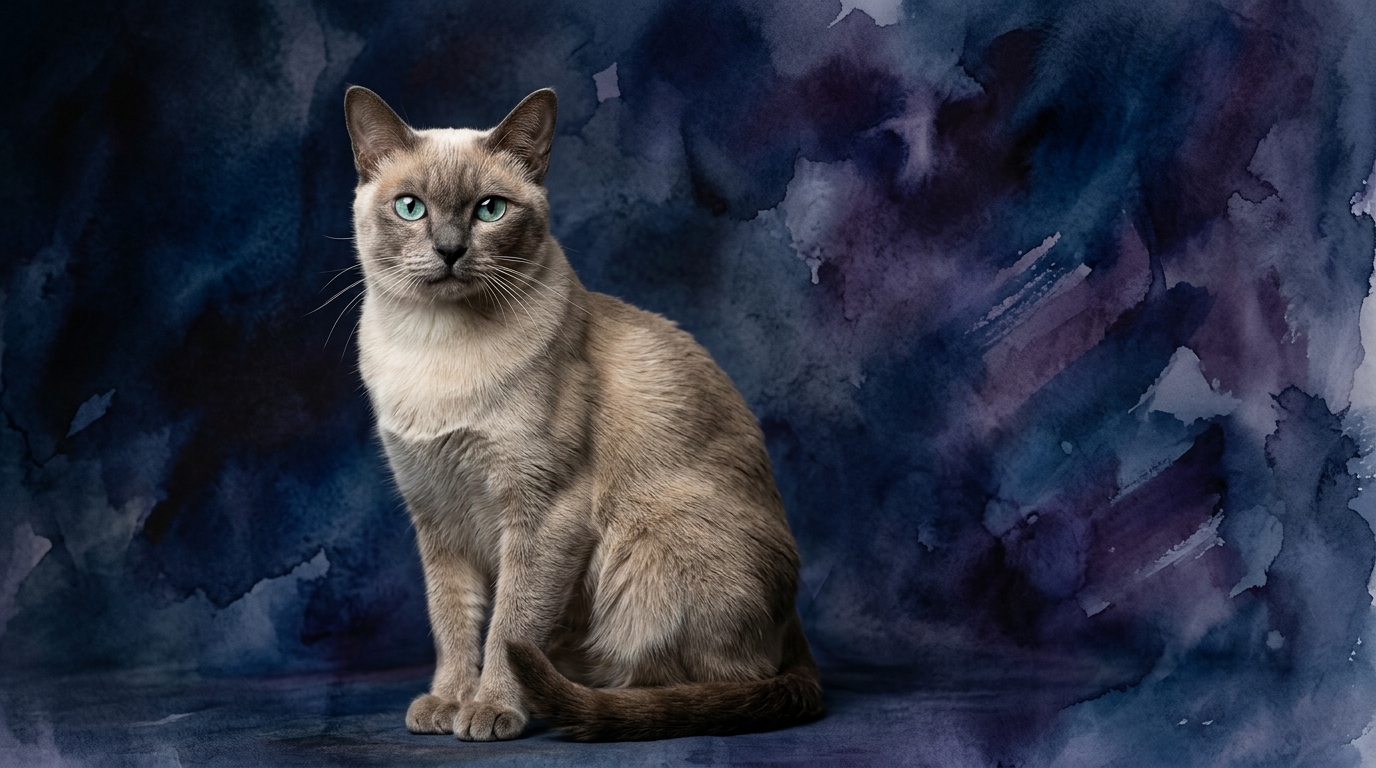
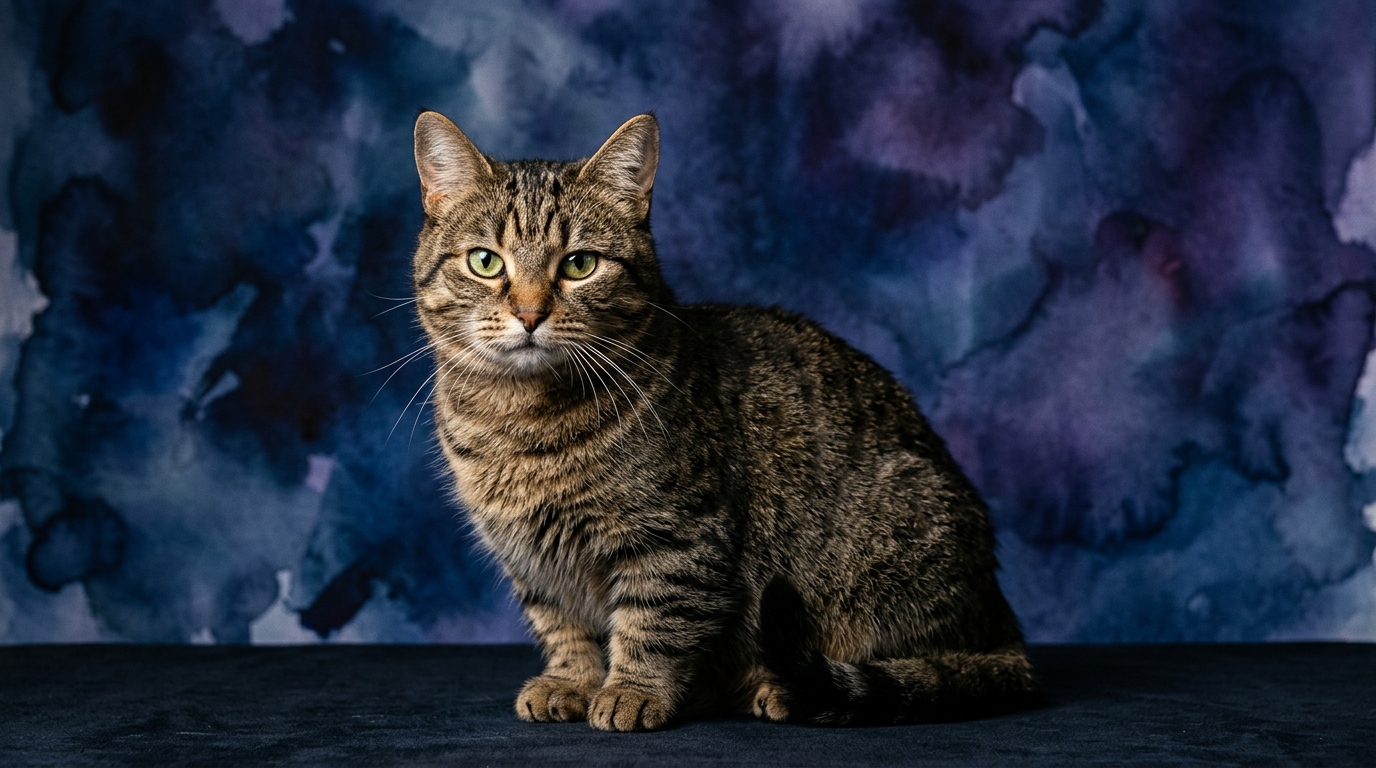
Side-by-Side IQ Profile: Tonkinese vs. Munchkin
At The Cosmic Pet Pet IQ Lab, we evaluate feline intelligence across five key dimensions, offering a clear comparative lens for these two breeds.
For the **Tonkinese (Cat)**:
Problem Solving (5/5): This breed excels at navigating complex environments and figuring out how things work, quickly mastering puzzle feeders or opening latches, showcasing a keen analytical mind.
Training Speed (5/5): Their ability to rapidly connect actions with outcomes makes them exceptionally receptive to training, picking up commands and tricks with minimal repetition, even for leash training or agility.
Social Intelligence (5/5): Tonkinese cats deeply understand human emotions and social cues, often anticipating needs and forming profound, communicative bonds that extend beyond simple affection.
Instinctive Drive (4/5): While highly social, their robust predatory instincts drive enthusiastic engagement in play mimicking hunting, demanding interactive toys for mental and physical stimulation.
Memory (5/5): Their exceptional recall allows them to remember intricate routines, learned commands, and favored items or people over long periods, contributing to consistent behavior.
For the **Munchkin (Cat)**:
Problem Solving (3/5): Munchkins approach challenges with a more straightforward methodology, requiring more explicit guidance and repetition for complex tasks, preferring simpler, direct solutions.
Training Speed (3/5): Learning new behaviors takes a measured pace; they are trainable with patience and consistent positive reinforcement, but anticipate a longer learning curve.
Social Intelligence (3/5): These cats are affectionate and enjoy companionship, yet their interpretation of social cues might be less nuanced, offering warmth and friendliness without demanding intricate emotional reciprocity.
Instinctive Drive (3/5): Munchkins are playful but their hunting drive is generally moderate, enjoying interactive play with less intense focus, making them a gentler playmate.
Memory (3/5): Their memory serves well for daily routines and familiar faces, but retaining a large repertoire of complex commands might require more frequent reinforcement, thriving in established comfort zones.
Where the Tonkinese Wins Cognitively
The Tonkinese truly shines in areas demanding sharp mental agility and intricate understanding. Their exceptional 5/5 Problem Solving means they actively engage with their environment, figuring out cause-and-effect relationships with impressive speed. Owners report Tonkinese cats mastering complex puzzle toys, unlocking various latches, or retrieving specific items, illustrating profound strategic thinking. This cognitive prowess extends to their 5/5 Training Speed, making training sessions collaborative experiences; they pick up leash walking, complex tricks, or multi-step routines with precision. Furthermore, their 5/5 Social Intelligence allows them to form extraordinarily deep, empathic connections, often intuiting an owner's mood and offering comfort or initiating play at just the right moment. This reciprocal emotional intelligence enriches the human-feline bond significantly. Finally, their perfect 5/5 Memory underpins these strengths, allowing retention of vast information—from house rules to human preferences—ensuring consistent, thoughtful interactions.
Where the Munchkin Wins Cognitively
While the Munchkin's cognitive profile might suggest a less intense mental landscape, it offers distinct advantages for owners seeking a particular type of feline companionship. Their 3/5 Instinctive Drive means they generally exhibit a more moderate prey drive, a significant 'win' for households with smaller pets or those desiring a less demanding play dynamic. Their focus is often on interaction rather than relentless pursuit, potentially leading to fewer instances of 'hunting' household items or demanding constant, high-energy interactive play. This moderate drive, coupled with their 3/5 Problem Solving, means a cat often content with simpler forms of engagement, reducing the likelihood of boredom-induced destructive behaviors. Owners might find a Munchkin less inclined to systematically deconstruct their living space or orchestrate elaborate escapes. Their 3/5 Social Intelligence offers wonderfully uncomplicated affection; they are friendly and sociable without being overly demanding of constant emotional reciprocity. This simpler cognitive profile can lead to a more relaxed household environment, where the cat is happy with established routines and doesn't constantly seek to push boundaries.
Which is Easier to Train and Why
When it comes to trainability, the Tonkinese clearly outpaces the Munchkin, a difference directly attributable to their IQ profiles. The Tonkinese's 5/5 Training Speed and 5/5 Problem Solving mean they grasp new concepts with astonishing rapidity, eager to please and naturally curious. Teaching a Tonkinese to walk on a leash, perform complex tricks, or respond to verbal cues is often a smooth, quick process. Their superior memory ensures learned behaviors are retained effectively, requiring minimal refreshers. They thrive with clicker training and positive reinforcement, showing genuine enthusiasm for learning. In contrast, the Munchkin, with its 3/5 Training Speed and 3/5 Problem Solving, requires a more patient approach. While trainable, the learning curve will be longer, demanding more repetitions. Owners should focus on short, engaging sessions using high-value treats and consistent praise. Simple commands are achievable, but complex tricks will demand significant dedication and a realistic understanding of gradual progress. Their memory, while adequate for daily routines, may require consistent reinforcement for intricate learned behaviors.
Which Suits Active Owners vs. Relaxed Owners
The cognitive distinctions between the Tonkinese and Munchkin naturally align them with different owner lifestyles. An active owner, thriving on interaction and challenging their pets, finds an ideal match in the Tonkinese. This breed's 5/5 Problem Solving and 5/5 Social Intelligence demand consistent mental stimulation, flourishing with puzzle toys, new tricks, and active family participation. Owners enjoying teaching, long play sessions, or adventures will find the Tonkinese a willing partner. Conversely, the Munchkin suits relaxed owners who appreciate a more laid-back feline presence. Their moderate 3/5 scores mean they are generally content with simpler routines, less intense play, and straightforward affection. While enjoying interaction, they don't demand constant mental gymnastics or elaborate enrichment setups, bringing calm, affectionate energy without needing constant 'on' mental engagement.
The Verdict
Opt for a Tonkinese if you are ready for a highly interactive, quick-witted, and deeply social companion who will actively participate in your life and thrive on continuous mental challenges.
Choose a Munchkin if you prefer a sweet, affectionate, and generally more relaxed cat whose moderate cognitive needs mean they are content with a gentler pace and straightforward companionship, bringing a calm presence to your home.
🧠 Find Your Pet's IQ Score
Our Pet IQ Lab assessment covers 25+ tests across 5 cognitive dimensions — personalized to your breed.
Take the Full IQ Test →Frequently Asked Questions
Do Tonkinese cats get along well with other pets due to their social intelligence?
Yes, their 5/5 Social Intelligence often makes Tonkinese cats highly adaptable and capable of forming positive relationships with other pets, including dogs and other cats. They tend to read social cues effectively and integrate smoothly into multi-pet households, often becoming the social hub.
Are Munchkin cats prone to destructive behavior if not mentally stimulated?
Munchkin cats, with their moderate 3/5 Problem Solving and Instinctive Drive, are generally less prone to destructive behaviors stemming from boredom compared to more cognitively demanding breeds. They are often content with simpler play and established routines, though basic enrichment like toys and attention is still beneficial.
Can Munchkin cats learn tricks, despite their lower training speed score?
Absolutely, Munchkin cats can learn tricks, though their 3/5 Training Speed means it will require more patience and consistent positive reinforcement. Focus on short, engaging sessions and celebrate small successes to build their confidence and make learning a fun, rewarding experience for both of you.