Side-by-Side Cognitive Profiles
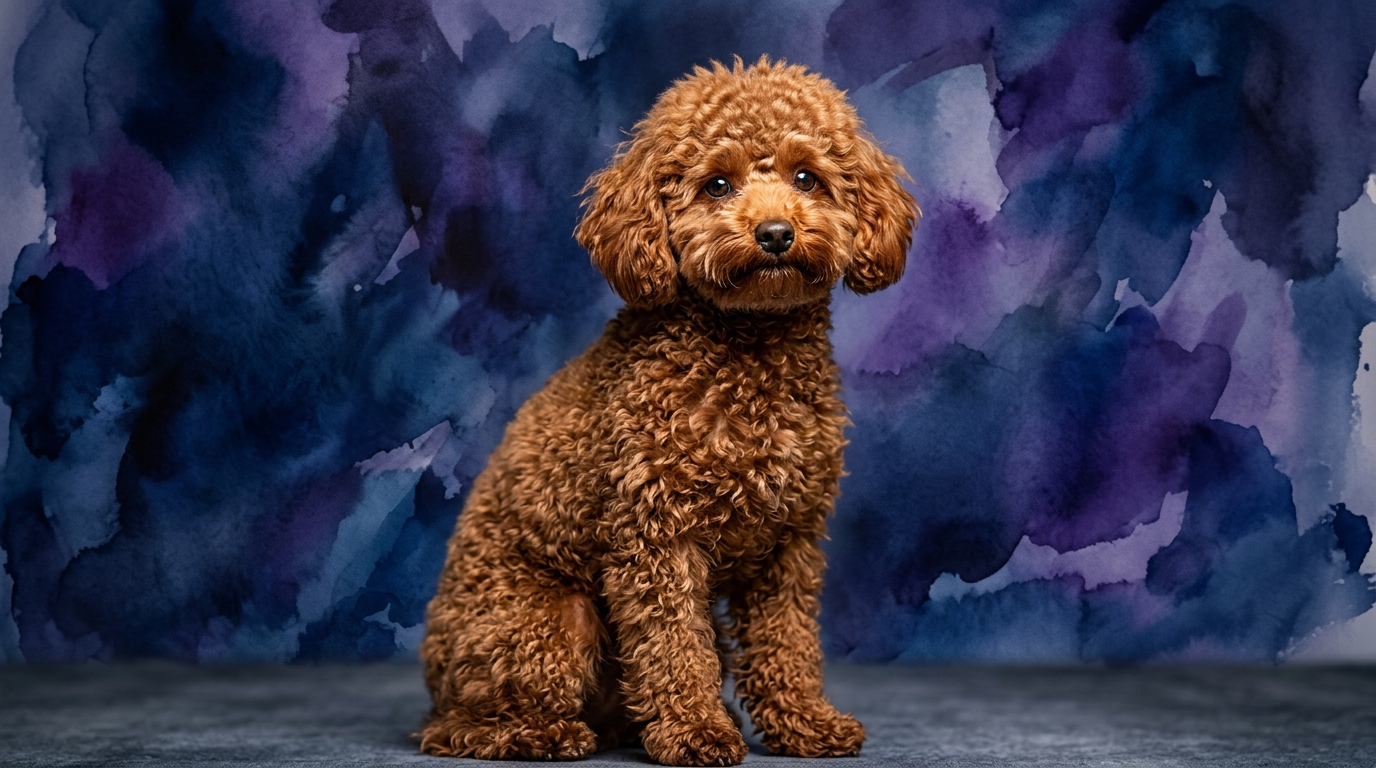
The Toy Poodle, a breed from the Toy Group, holds a remarkable Coren rank of #2, indicating an exceptional capacity for obedience and working intelligence. Its IQ profile includes an outstanding 5/5 for Problem Solving, reflecting an ability to navigate complex situations and devise novel solutions, and a perfect 5/5 for Training Speed, signifying rapid assimilation of new commands. Their Memory is also rated 5/5, ensuring excellent retention of learned behaviors, while both Social Intelligence and Instinctive Drive are measured at a balanced 3/5, suggesting a focused social bond and a moderate, manageable drive.
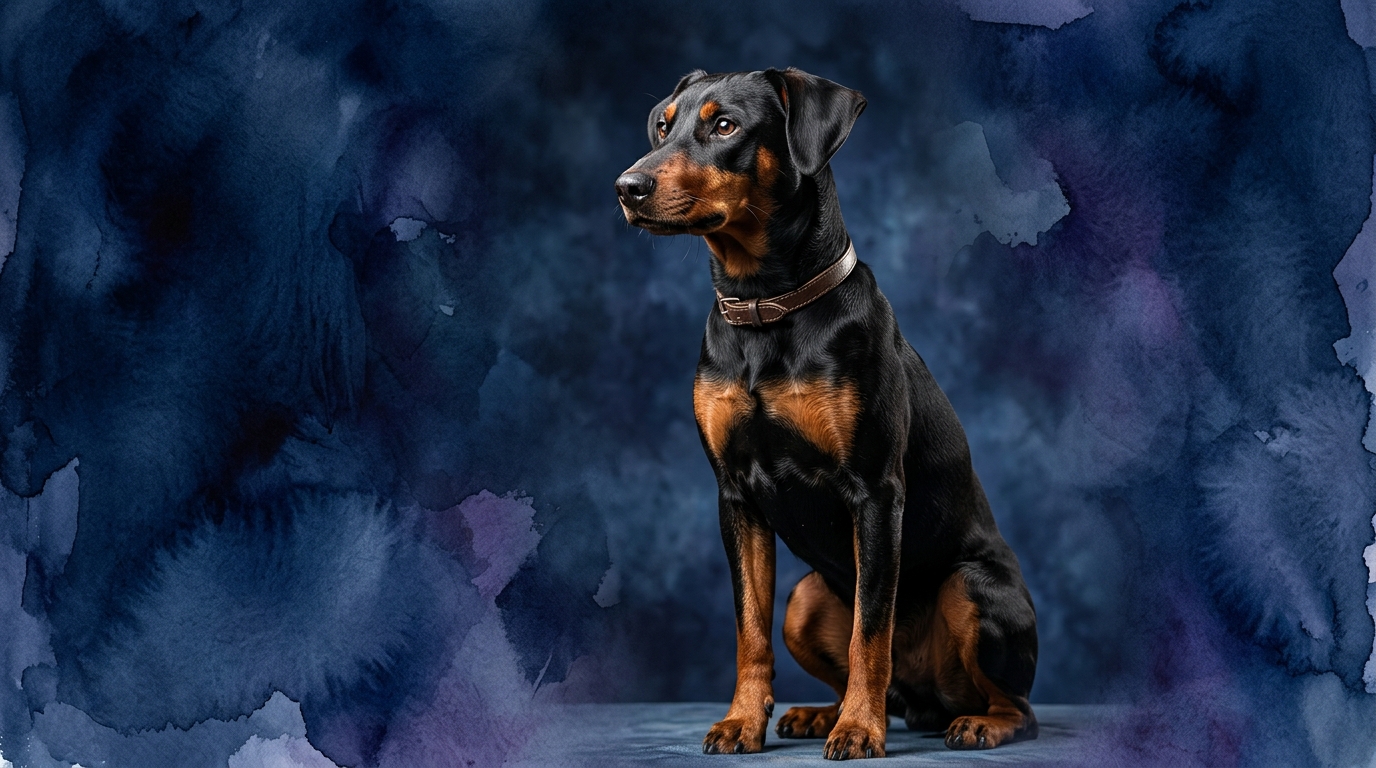
In contrast, the German Pinscher, belonging to the Working Group, is not Coren-ranked, yet possesses a robust and practical intelligence. Its IQ profile shows a consistent 3/5 across all five dimensions: Problem Solving, Training Speed, Social Intelligence, Instinctive Drive, and Memory. This balanced assessment points to a dog with a functional and reliable intellect, capable of steady learning and purposeful engagement, rather than extremes in any single cognitive area. This uniform scoring highlights a pragmatic approach to their environment and tasks.
Where the Toy Poodle Excels Cognitively
The Toy Poodle’s cognitive profile shines brightest in areas demanding advanced conceptual thinking and rapid information processing. Their perfect 5/5 score in Problem Solving indicates an exceptional capacity for abstract thought, allowing them to devise novel solutions to intricate puzzles or adapt quickly to changing training scenarios. This isn't merely about following rules; it’s often about understanding the underlying principles and applying them creatively to new challenges.
Coupled with their 5/5 Training Speed, Toy Poodles absorb new commands and complex routines with remarkable alacrity, often needing only a handful of repetitions to solidify a behavior. This makes them exceptionally responsive to structured learning environments and capable of mastering a vast repertoire of tricks and obedience tasks. Their equally impressive 5/5 Memory ensures that these learned skills are retained long-term, providing a stable foundation for ongoing development and making their training efforts highly durable and reliable.
Where the German Pinscher Finds its Cognitive Strength
While the German Pinscher doesn't boast the peak scores of the Toy Poodle in specific cognitive domains, its balanced 3/5 profile across all five dimensions represents a practical and robust form of intelligence, particularly valuable in real-world applications. Their Problem Solving at 3/5, for instance, reflects a grounded, efficient approach to challenges, focusing on tangible outcomes rather than abstract contemplation. This makes them adept at practical tasks like navigating complex environments or identifying anomalies within their territory with straightforward effectiveness.
Their 3/5 Instinctive Drive, rooted in their heritage as vigilant ratters and guardians, offers a controlled yet persistent focus. This isn't an overwhelming drive that demands constant channeling, but rather a purposeful engagement with their environment, making them reliable in roles requiring sustained attention without becoming overly hyper-focused. This consistency across their cognitive abilities means they are less likely to experience the frustration of a high-drive dog lacking the problem-solving capacity to channel it effectively, or a highly adept problem-solver lacking the consistent drive to apply its skills.
Ease of Training: Poodle vs. Pinscher
When it comes to ease of training, the Toy Poodle holds a distinct advantage, primarily due to its exceptional 5/5 Training Speed and 5/5 Memory. These attributes translate into a dog that not only picks up new commands with astonishing quickness but also retains that knowledge reliably over time. For an owner, this means fewer repetitions are needed, and the Poodle often anticipates what is expected, making training sessions highly efficient and immensely rewarding for both parties.
In contrast, the German Pinscher’s 3/5 Training Speed suggests a steady, rather than rapid, learning curve. They are perfectly capable of mastering commands and routines, but will typically require more consistent reinforcement and perhaps a greater variety of training methods to keep them engaged. Their practical Problem Solving (3/5) means they might not grasp the 'why' behind a command as quickly as a Poodle, instead focusing on the 'how' through repetition and clear cues. This isn't a deficit, but rather a difference in learning style: the Poodle often seeks to understand the pattern, while the Pinscher learns by doing and repetition, which requires more patience and structured consistency from the trainer.
Suitability for Active vs. Relaxed Owners
For owners who thrive on mental engagement and enjoy teaching complex behaviors, the Toy Poodle is an ideal companion. Their high Problem Solving and Training Speed mean they flourish with consistent mental stimulation, agility training, trick training, or even competitive obedience. While physically adaptable to various activity levels, their cognitive needs lean towards an owner who can provide structured learning and intellectual challenges, making them suitable for active minds rather than necessarily just active bodies.
The German Pinscher, with its balanced 3/5 scores across the board and a heritage in working roles, suits an owner who appreciates a dog with a pragmatic intelligence and a moderate, purposeful drive. They thrive with owners who can provide consistent physical activity, clear boundaries, and opportunities for practical tasks like exploring new trails, participating in dog sports that involve problem-solving (like tracking), or even simply being a vigilant companion on daily errands. While they benefit from training, their cognitive profile suggests they are less suited to abstract, complex trick training and more to functional, routine-based activities, making them a good fit for active owners who value consistency and purpose over constant intellectual novelty.
The Verdict
Choose the Toy Poodle if you are an owner who values rapid learning, excels at providing intricate mental challenges, and desires a dog capable of mastering complex tasks and obedience routines with remarkable speed and retention.
Conversely, opt for the German Pinscher if you appreciate a dog with a balanced, practical intelligence, a steadfast demeanor, and a moderate, purposeful drive, thriving with consistent routines, clear guidance, and opportunities for active engagement that leverage their vigilance and physical capabilities.
🧠 Find Your Pet's IQ Score
Our Pet IQ Lab assessment covers 25+ tests across 5 cognitive dimensions — personalized to your breed.
Take the Full IQ Test →Frequently Asked Questions
Are Toy Poodles only good for tricks due to their high IQ?
Not at all; their high problem-solving and training speed make them excel in diverse roles beyond tricks, including service work, therapy, and advanced competitive obedience. Their mental acumen allows them to adapt and understand complex situations, making them highly versatile companions.
Does 'not Coren-ranked' mean German Pinschers are not intelligent?
Absolutely not. The Coren ranking primarily assesses obedience and working intelligence, and many capable breeds simply haven't been included or don't fit the specific criteria. The German Pinscher's balanced IQ profile indicates a practical, adaptable intelligence well-suited for its historical working roles and companionship.
How do their social intelligence scores of 3/5 compare in real life?
For both breeds, a 3/5 social intelligence suggests they are generally good at reading human cues and forming strong bonds with their immediate family, but might not be universally outgoing or indiscriminate with strangers. The Toy Poodle may be more attuned to its owner's subtle emotional states, while the German Pinscher's social interactions might be more discerning, reflecting its guarding instincts and watchful nature.