Side-by-Side IQ Profile: Interpreting Identical Scores
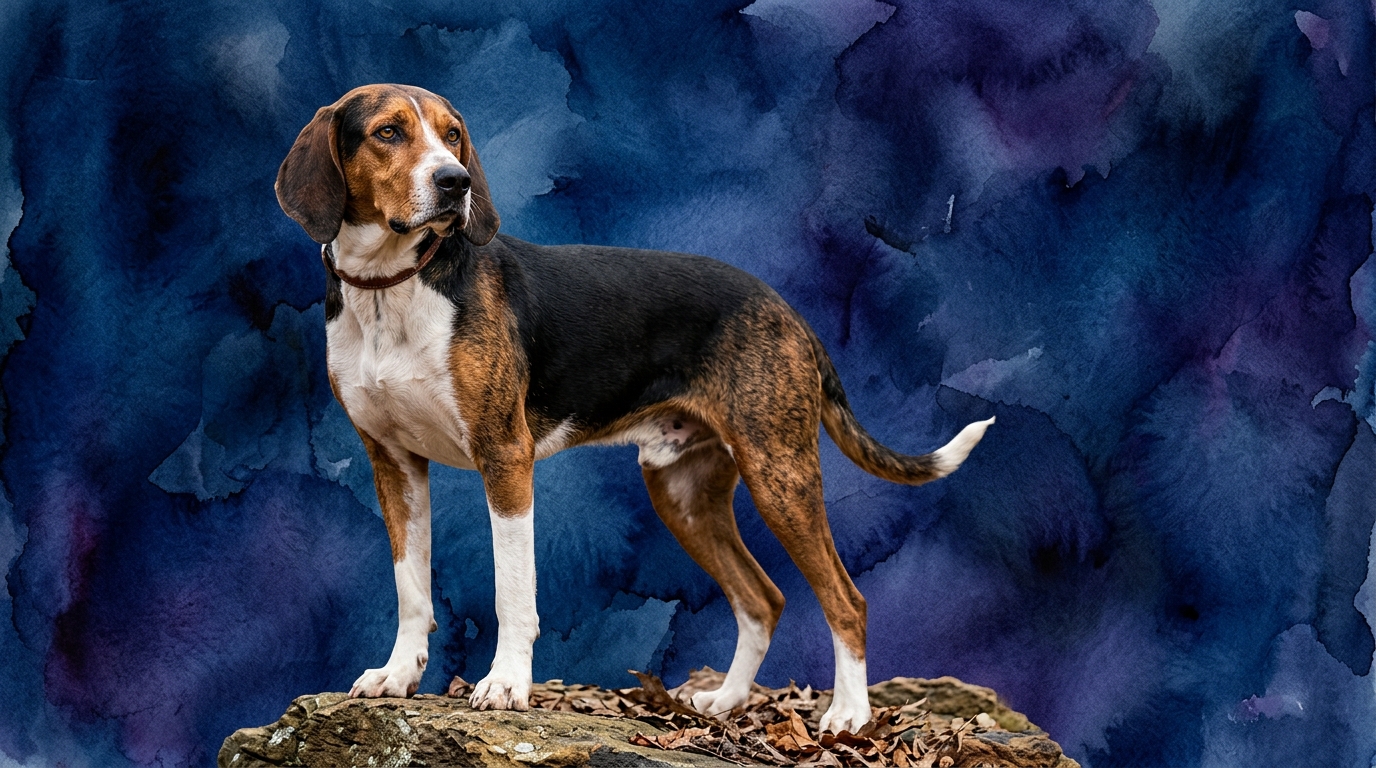
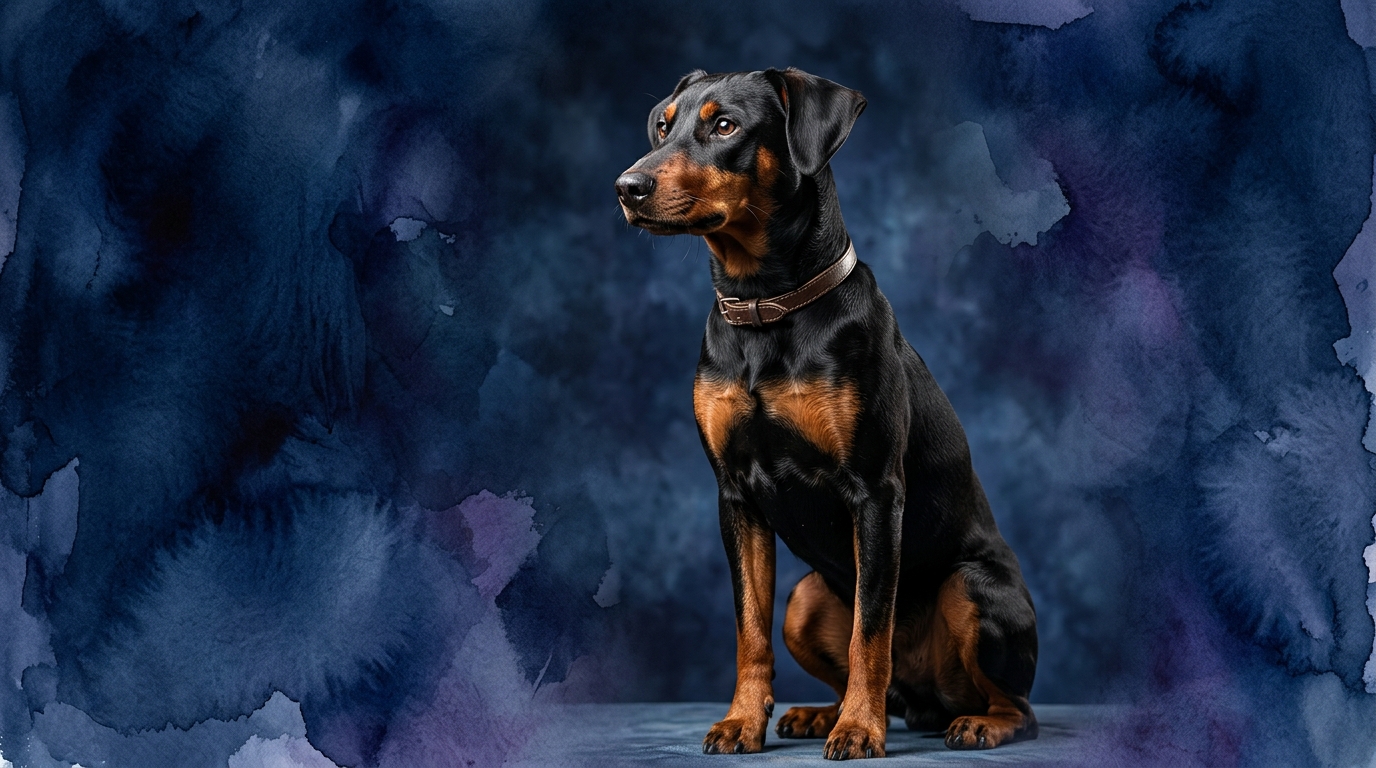
At first glance, the Cosmic Pet Pet IQ Lab scores for both the Treeing Walker Coonhound and the German Pinscher appear identical: Problem Solving 3/5, Training Speed 3/5, Social Intelligence 3/5, Instinctive Drive 3/5, and Memory 3/5. However, these numerical equivalences belie significant differences in how these cognitive abilities manifest within each breed's unique context. Understanding these nuances requires looking beyond the raw numbers to their evolutionary and functional backgrounds.
For the Treeing Walker Coonhound, a 3/5 in Problem Solving primarily reflects their specialized talent for sequential scent-trailing. This isn't about solving abstract puzzles, but expertly deciphering a complex olfactory landscape to locate quarry, a highly demanding cognitive task requiring sustained focus and deduction. Their Training Speed at 3/5 indicates they are capable learners, yet their independent hound nature means their motivation often hinges on scent-related rewards or the inherent joy of the chase, sometimes making traditional obedience a secondary concern. Social Intelligence at 3/5 suggests they are generally affable and understand pack dynamics, but their primary social drive often integrates with their hunting purpose. An Instinctive Drive of 3/5 is a core strength, representing an unwavering focus on prey scent, which shapes their entire cognitive architecture. Finally, their 3/5 Memory is exceptional for recalling intricate scent trails and the geography of past hunts, though perhaps less so for arbitrary, context-free commands.
The German Pinscher's 3/5 in Problem Solving, by contrast, manifests as resourceful cleverness in their immediate environment. They excel at figuring out how to manipulate objects, navigate household obstacles, or outwit perceived threats, demonstrating an adaptability to domestic challenges. Their Training Speed, also 3/5, points to a quick ability to grasp commands when motivated by their desire to please their primary human, though their strong-willed nature demands clear, consistent guidance. Social Intelligence at 3/5 means they are highly attuned to their family's emotions and intentions, often reserved with strangers but deeply connected to their established 'pack,' displaying a nuanced understanding of social boundaries. Their Instinctive Drive of 3/5 is rooted in strong watchdog and vermin-catching instincts, manifesting as acute alertness and a proactive desire to patrol and protect rather than pursue prey over long distances. Their 3/5 Memory allows them to retain commands and routines effectively, alongside a robust recall for past interactions with both people and other animals.
Where the Treeing Walker Coonhound Wins Cognitively
The Treeing Walker Coonhound's cognitive strengths shine brightest in tasks demanding sustained olfactory processing and physical endurance, integrated into a problem-solving framework. Their ability to lock onto a scent trail and follow it relentlessly for hours, navigating varied and challenging terrain, represents a specialized form of cognitive persistence. This isn't just physical stamina; it's a mental fortitude to continuously analyze scent data, differentiate target odors, and ignore distractions, all while maintaining a singular objective. This specific problem-solving capacity, intertwined with their powerful instinctive drive, is a profound cognitive advantage where few other breeds can compete.
Furthermore, their memory, while rated 3/5, is particularly acute for environmental details and scent patterns relevant to their hunting heritage. They can recall the precise location of a previous 'tree' or the nuances of a specific animal's trail, demonstrating a spatial and olfactory memory that is highly sophisticated within its specialized domain. This cognitive specialization allows them to operate with remarkable efficiency and autonomy in their preferred environment, making them unparalleled partners for specific outdoor pursuits.
Where the German Pinscher Wins Cognitively
The German Pinscher excels in cognitive domains related to vigilance, adaptability within a human household, and quick decision-making in novel or perceived challenging situations. Their problem-solving at 3/5 is more about immediate, practical solutions for navigating their domestic world – whether it's figuring out how to open a childproof cabinet or assessing a new visitor at the door. Their alertness and capacity for rapid evaluation of their surroundings showcase a different kind of mental agility, making them astute observers and quick responders.
Their social intelligence, also 3/5, is particularly geared toward protective family dynamics. They are adept at reading human cues within their established 'pack,' understanding subtle shifts in mood or intent, and acting accordingly to guard their home and loved ones. This nuanced social awareness, combined with their strong memory for past interactions, allows them to form deep, protective bonds and anticipate household routines and potential disturbances with remarkable precision. Their cognitive strength lies in their integrated approach to family protection and environmental management.
Which is Easier to Train and Why
When considering ease of training, the German Pinscher generally presents a more straightforward experience for the average owner, despite both breeds scoring 3/5 in training speed. The German Pinscher's working dog heritage and inherent desire to engage with and please their primary human often translate into a more cooperative attitude in traditional obedience settings. They respond well to consistent positive reinforcement, clear expectations, and structured training sessions, eager to learn and integrate into the family's routine. Their strong will requires a confident, consistent leader, but once they understand the 'rules,' they are generally keen to follow.
The Treeing Walker Coonhound, conversely, can be more challenging for an owner unfamiliar with hound breeds, even with the same 3/5 training speed score. Their profound independent streak and overwhelming scent drive mean that once their nose is engaged, external commands often become secondary. Training requires immense patience, a deep understanding of their specialized instincts, and creative methods to make obedience more intrinsically rewarding than the allure of a captivating scent. Recall, in particular, demands extensive, dedicated training due to their tendency to become engrossed in a trail, often tuning out their human. While capable of learning, their priorities are often dictated by their powerful olfactory world, necessitating a different training philosophy.
Which Suits Active Owners vs. Relaxed Owners
Neither the Treeing Walker Coonhound nor the German Pinscher are suitable for truly relaxed owners, as both breeds demand significant commitment to physical exercise and mental engagement. They are active, driven dogs that thrive when given a 'job' or regular outlets for their cognitive and physical energy. An owner seeking a low-maintenance companion for minimal activity will find both breeds challenging to live with, potentially leading to undesirable behaviors stemming from boredom or unfulfilled instincts.
For active owners, both breeds can be excellent choices, though they suit different types of activity. The Treeing Walker Coonhound is ideal for owners who relish long, adventurous hikes, enjoy scent work or tracking sports, or even engage in actual hunting. Their boundless energy and deep need to follow a trail mean they thrive in environments where they can utilize their specialized senses over extended periods. The German Pinscher also requires vigorous daily exercise, but their needs are often met through varied activities like agility, dog sports, long brisk walks, or vigorous play sessions combined with mental challenges. They prefer to be active participants in family life, making them a good fit for owners who want a versatile, engaged partner for a range of activities beyond just tracking.
The Verdict: When to Choose Each Breed
The Verdict
Choose the Treeing Walker Coonhound if you are drawn to a deeply instinctual partner, relish long outdoor adventures focused on scent work, and have the patience to guide a dog whose nose often dictates its immediate priorities. They thrive with owners who appreciate their specialized cognitive talents for tracking and vocal expression.
Opt for the German Pinscher if you seek an alert, protective, and highly engaged companion who excels in a structured home environment and enjoys diverse mental and physical challenges. This breed suits an owner ready for a confident, quick-witted partner who thrives on being an active participant in family life.
🧠 Find Your Pet's IQ Score
Our Pet IQ Lab assessment covers 25+ tests across 5 cognitive dimensions — personalized to your breed.
Take the Full IQ Test →Frequently Asked Questions
Do identical IQ scores mean these breeds are equally easy to train?
Not necessarily; while both score 3/5 in training speed, the German Pinscher's eagerness to please often makes traditional obedience more straightforward, whereas the Treeing Walker Coonhound's strong independent hunting drive requires specialized training approaches and a different understanding of motivation.
How does 'instinctive drive' manifest differently in a Coonhound versus a Pinscher?
For the Treeing Walker Coonhound, instinctive drive is primarily about scent tracking and treeing quarry, leading to persistent, focused pursuit over long distances. In the German Pinscher, it manifests as vigilance, territorial protection, and vermin control, making them alert and proactive guardians of their home and family.
Can a Treeing Walker Coonhound or German Pinscher live happily in an apartment?
While both breeds are energetic, a German Pinscher might adapt better to apartment living with sufficient daily exercise and mental stimulation due to their compact size and home-centric protective nature. A Treeing Walker Coonhound's vocalizations, large size, and intense need for extensive scenting opportunities make apartment living much more challenging without extraordinary dedication.