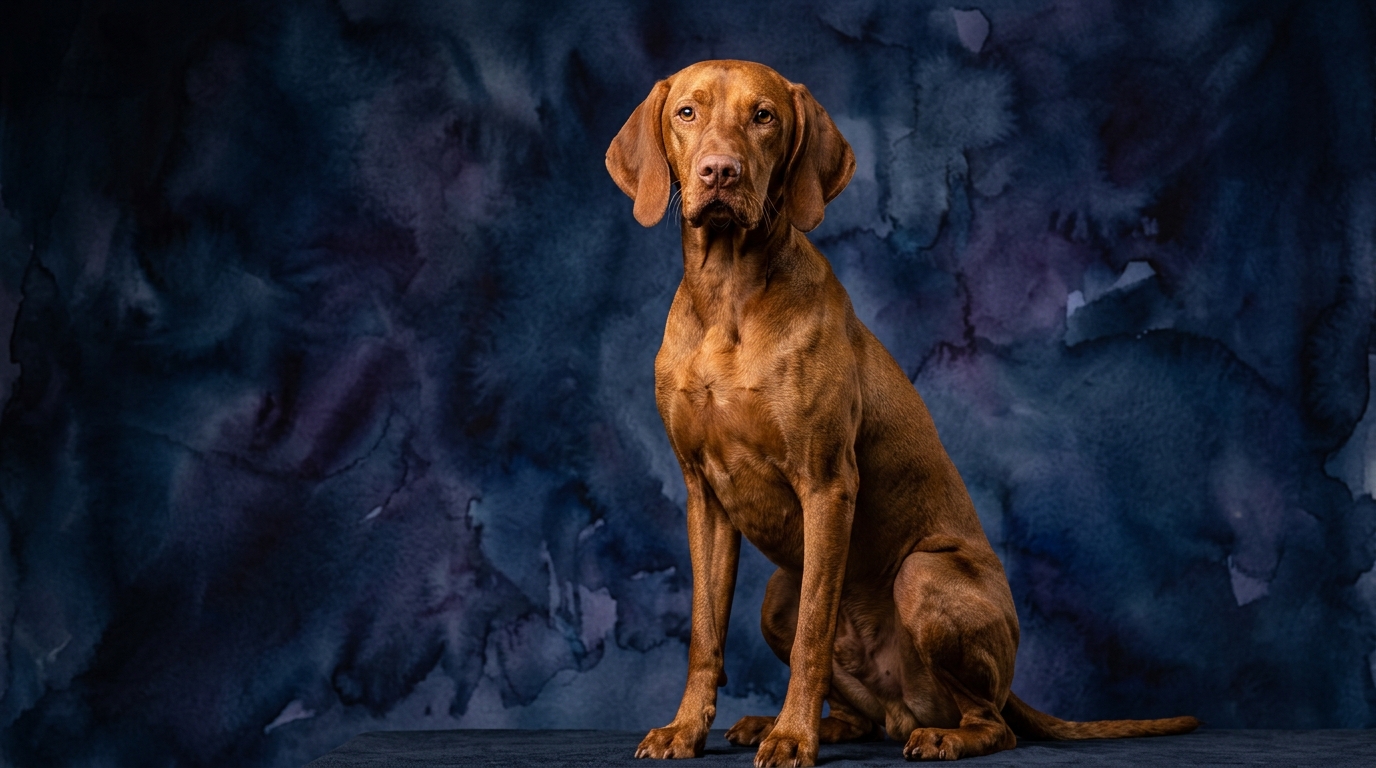
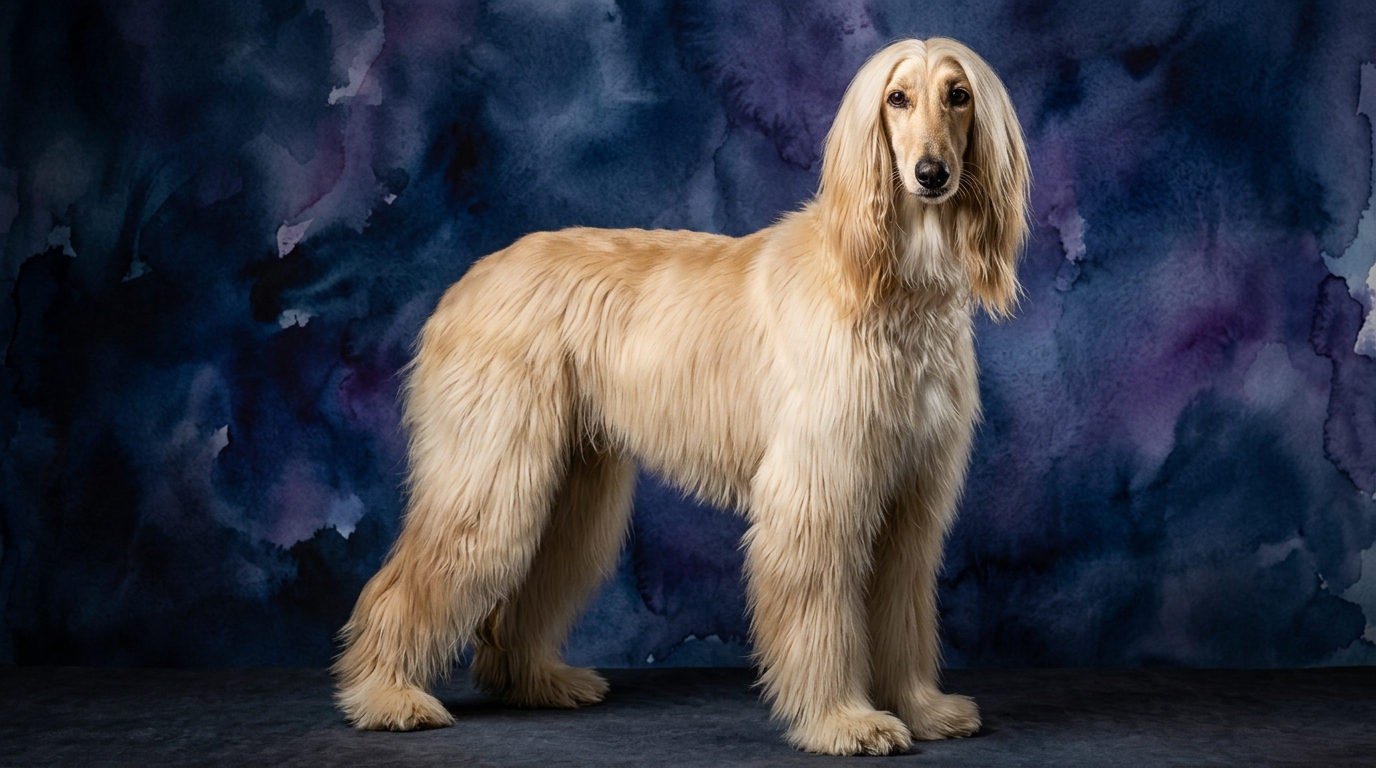
Side-by-Side IQ Profile: Vizsla vs. Afghan Hound
The Cosmic Pet Pet IQ Lab employs five dimensions to evaluate canine intelligence, offering a nuanced perspective beyond simple rankings. Let’s examine how the Vizsla, ranked #31 by Coren, and the Afghan Hound, ranked #79, measure up in each area.
The Vizsla, a Sporting breed, demonstrates robust cognitive abilities tailored for partnership. Their Problem Solving is rated 4/5, indicating a strong capacity to figure out practical challenges, often with a direct, efficient approach geared towards their working purpose, such as navigating complex terrain. Training Speed stands at 4/5; they are quick to grasp commands and form associations, facilitated by their eagerness to please. Social Intelligence is exceptional at 5/5, reflecting a deep attunement to human emotional states and intentions, fostering highly responsive bonds. Their Instinctive Drive is also 5/5, showcasing powerful innate predispositions for hunting, retrieving, and tracking, which naturally motivates them. Finally, their Memory is 4/5, allowing them to retain learned behaviors and experiences with considerable accuracy over time.
In contrast, the Afghan Hound, a Hound breed, presents a distinct cognitive profile shaped by its independent hunting heritage. Their Problem Solving is also 4/5, but often manifests in self-serving ways, like strategically finding a comfortable spot or outmaneuvering obstacles to pursue a scent. Training Speed is notably lower at 1/5; they exhibit a marked deliberateness in learning new commands, often evaluating the command's personal value before compliance. Social Intelligence is 2/5; they are more reserved and selective in their interactions, often displaying a dignified aloofness rather than constant human engagement. However, their Instinctive Drive is a powerful 5/5, driven by an exceptional prey drive and sight-hound instinct for autonomous pursuit across vast distances. Their Memory is 3/5, functional for important routines and locations, though less focused on intricate, handler-specific commands.
Where the Vizsla Wins Cognitively
The Vizsla truly shines in areas demanding collaborative intelligence and a responsive partnership. Their superior social intelligence (5/5) means they are deeply attuned to human cues, often anticipating a handler’s next move or emotional state. This makes them exceptionally pliable in learning complex routines, as they actively seek to understand and engage in joint activities. Coupled with their high training speed (4/5), a Vizsla quickly grasps new commands and concepts, not just because they can, but because they often want to participate and please. This translates into rapid skill acquisition, from intricate field work to agility courses, where their focus remains steadfastly on their human partner. Their memory (4/5) further supports this, allowing them to retain vast repertoires of commands and experiences, making them reliable and consistent performers over time. In scenarios requiring adaptability to diverse human environments and an eagerness to integrate into family life, the Vizsla's cognitive makeup provides a clear advantage, fostering a highly interactive and communicative relationship.
Where the Afghan Hound Wins Cognitively
The Afghan Hound's cognitive strengths lie in its profound independence and self-directed problem-solving, particularly evident in its instinctive drive (5/5). While both breeds share this high score, the Afghan's drive is geared towards autonomous pursuit, honed over centuries for hunting without direct human command. This manifests as an unparalleled ability to analyze a situation, form a strategy, and execute it based on its own assessment, especially when a visual stimulus triggers its chase instinct. Their problem-solving (4/5), though rated similarly to the Vizsla, operates from a different philosophical standpoint; it's about achieving *their* goals, not necessarily a handler's. An Afghan might ingeniously figure out how to access a forbidden couch or navigate a complex yard to track an interesting scent, demonstrating a cunning and resourcefulness that is purely self-motivated. This independence, while presenting training challenges, also means they possess a remarkable self-sufficiency and an ability to make decisions in the field without constant human guidance, a trait highly valued in their original purpose.
Which is Easier to Train and Why
The Vizsla is unequivocally the easier breed to train, a difference rooted in their fundamental cognitive wiring. Their training speed (4/5) and exceptional social intelligence (5/5) mean they are highly receptive to instruction, eager to engage with their human companions, and quick to form associations between commands and actions. A Vizsla thrives on feedback and positive reinforcement, often showing a keen desire to understand and comply, making the training process a rewarding collaborative experience. They are known for their "velcro" personality, constantly seeking interaction and direction, which translates into sustained focus during training sessions.
In stark contrast, the Afghan Hound presents a significant challenge in training due to its training speed (1/5) and more reserved social intelligence (2/5). Afghans possess a deep-seated independence; they are thinkers, not simply followers. They will often evaluate a command's utility and their personal motivation before deciding whether to comply. This isn't a lack of cognitive capacity, but rather a different form of it—one less concerned with human approval and more focused on self-determination. They require immense patience, creativity, and consistency from a trainer, often responding best to positive reinforcement techniques that appeal to their inherent desires rather than strict obedience. Their historical role as autonomous hunters meant making their own decisions, and this trait persists, manifesting as a delightful but often frustrating self-will in modern companion life.
Which Suits Active Owners vs. Relaxed Owners
For active owners seeking a true partner in adventure, the Vizsla is an ideal match. Their high instinctive drive (5/5), coupled with their desire for social interaction and physical exertion, means they thrive on activities like hiking, running, field trials, and dog sports. An owner who can provide consistent, engaging outlets for their boundless energy and cognitive needs will find a Vizsla an enthusiastic and tireless companion. They need daily vigorous exercise and mental challenges to prevent boredom and channel their strong drives constructively. Their eager-to-please nature makes them excellent candidates for active lifestyles where they can learn new skills and participate fully in family outings.
Conversely, for owners who appreciate a more self-contained presence and are prepared for a dog with distinct independent leanings, the Afghan Hound offers a unique companionship. While they possess a powerful instinctive drive (5/5) for chasing, their exercise needs often involve intense, short bursts of running rather than sustained, high-impact activities alongside their human. They are perfectly content to lounge elegantly after their exercise, observing their surroundings with a regal air. A relaxed owner who values quiet companionship, respects a dog's personal space, and understands that affection might be expressed subtly will find an Afghan rewarding. Their needs lean more towards independent exploration and comfortable lounging, punctuated by exhilarating sprints, requiring secure, large fenced areas for safe running but not typically suited for owners seeking a constant, in-your-face companion or an enthusiastic participant in every family activity.
The Verdict: When to Choose Each
The Verdict
Opt for a Vizsla if you seek an intensely interactive, highly trainable canine partner eager to participate in all aspects of an active life, thriving on collaboration and deep emotional connection.
Select an Afghan Hound if you appreciate a dignified, independent companion with a reserved charm, providing it with ample space for self-directed activity and valuing its unique, self-reliant personality.
🧠 Find Your Pet's IQ Score
Our Pet IQ Lab assessment covers 25+ tests across 5 cognitive dimensions — personalized to your breed.
Take the Full IQ Test →Frequently Asked Questions
Is the Afghan Hound truly less intelligent than the Vizsla?
Not necessarily less intelligent overall, but their intelligence manifests differently; the Afghan Hound possesses strong problem-solving skills for self-serving goals and powerful instinctive drives, whereas the Vizsla excels in collaborative problem-solving and rapid learning for human-directed tasks. Their cognitive strengths are simply oriented towards different purposes.
How does "social intelligence" impact daily life for these breeds?
A Vizsla's high social intelligence means they are often deeply empathetic, responsive to family dynamics, and eager to participate in human activities, making them highly integrated family members. An Afghan Hound's lower social intelligence means they are more reserved, often preferring their own company, and may not constantly seek human interaction, requiring owners to respect their independent nature.
Can an Afghan Hound be trained for advanced obedience or dog sports?
While an Afghan Hound *can* be trained, it typically requires exceptional patience, creative motivation, and a deep understanding of their independent nature, making advanced obedience or dog sports a significant challenge compared to more biddable breeds like the Vizsla. Success often comes from appealing to their inherent drives and making training a game of their choosing.