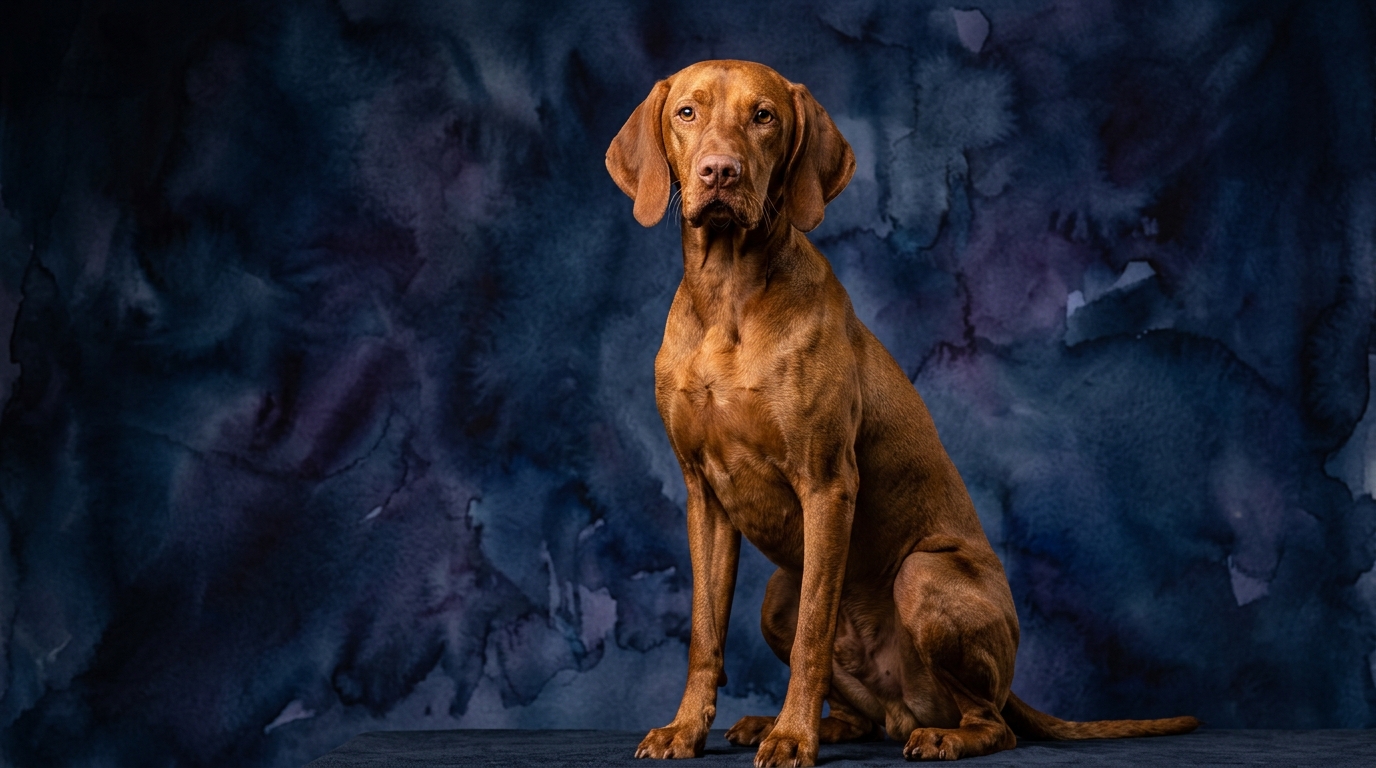
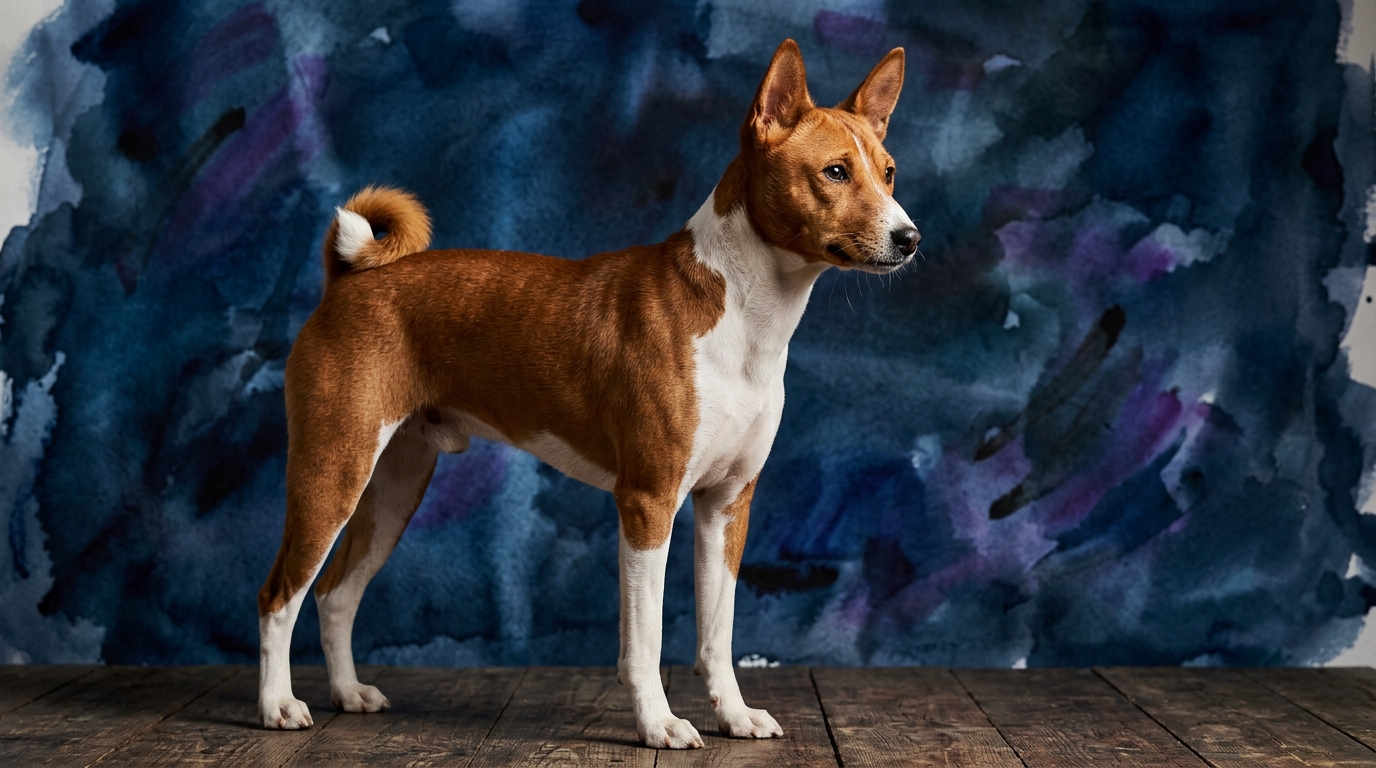
Side-by-Side Cognitive Profiles: The Sporting Dog vs. The "Barkless" Hunter
The Cosmic Pet Pet IQ Lab employs a multi-dimensional framework to assess canine intelligence, moving beyond simple obedience to encompass a range of cognitive functions. For the Vizsla, a Hungarian sporting dog ranked #31 by Coren, its profile reflects a strong desire for partnership and purpose. Its Problem Solving is rated 4/5, indicating intelligence often guided by its handler. Training Speed, at 4/5, highlights its eagerness and quick grasp of commands, making it a responsive student. Social Intelligence shines brightest at 5/5, demonstrating exceptional attunement to human emotions and a profound need for connection. An Instinctive Drive of 5/5 underscores its powerful prey drive and boundless energy for work, while Memory, at 4/5, ensures it retains learned behaviors and routines effectively.
In stark contrast is the Basenji, an African hound ranked #78, often called the "barkless dog" but more accurately described as a breed with a distinct vocal repertoire. Its cognitive profile reveals a highly self-reliant thinker. Basenjis boast an impressive Problem Solving score of 5/5, signifying their exceptional ability to independently strategize and overcome obstacles, often without human intervention. However, their Training Speed is a challenging 1/5, reflecting deep-seated independence that makes repetitive obedience less appealing. Social Intelligence, at 3/5, suggests a more selective, sometimes aloof nature, valuing personal space and forming bonds on its own terms. Its Instinctive Drive matches the Vizsla's at 5/5, fueled by a potent sight-hound prey drive and an inherent urge to explore and hunt autonomously. Memory, also 4/5, means they remember intricate routes, past experiences, and often, how to outsmart their environment for self-benefit.
Where the Vizsla Excels Cognitively
The Vizsla's cognitive prowess is most evident in its social and collaborative intelligence. Its 5/5 Social Intelligence score isn't merely about affection; it signifies an extraordinary capacity to read human cues, anticipate intentions, and form a profound emotional bond. This breed genuinely thrives on partnership, seeking to understand and engage with its human companions on a deep level. This translates into a willingness to work alongside people, making them intuitive partners in fields like hunting, search and rescue, or competitive dog sports. Their 4/5 Training Speed is directly linked to this social drive; they learn rapidly because they are motivated by the desire to please and collaborate, absorbing new commands and complex sequences with focused attention. This eagerness to engage and their emotional sensitivity allow them to integrate seamlessly into family life, making them responsive and adaptable companions who actively seek to be involved in human activities.
Where the Basenji's Mind Shines
The Basenji’s cognitive strength lies in its unparalleled independent problem-solving ability, reflected in its 5/5 score. Unlike many breeds that look to their human for direction when faced with a challenge, the Basenji is a master of self-reliance. This isn't about obedience; it's about an innate drive to figure things out for themselves. Whether it's devising a method to open a seemingly secure gate, locating a hidden treat, or navigating a complex environment, the Basenji's mind is constantly at work, strategizing and experimenting. This resourcefulness stems from its ancestral role as an independent hunter in challenging African terrains, where quick, autonomous decision-making was crucial for survival. Their memory, also a strong 4/5, supports this by allowing them to retain knowledge of successful (or unsuccessful) strategies, making them adept at learning from experience, especially when it benefits their own agenda.
Training Dynamics: Biddable Partner vs. Independent Thinker
The differences in training experience between these two breeds are profound and directly attributable to their distinct cognitive profiles. The Vizsla, with its 4/5 Training Speed and 5/5 Social Intelligence, is generally a joy to train. They are eager participants, often finding intrinsic reward in the act of learning and working alongside their owner. Their sensitivity means they respond well to positive reinforcement, praise, and clear, consistent guidance. They absorb commands quickly and reliably, making them suitable for a wide range of activities from advanced obedience to scent work. A Vizsla's desire for connection means they actively seek to understand what is expected of them and strive to meet those expectations, forming a strong, cooperative working relationship.
The Basenji, conversely, presents a unique training challenge due to its 1/5 Training Speed and high 5/5 Problem Solving. This breed rarely sees the point in repetitive drills or performing tasks simply to please a human. Their independent nature means they often question commands, weigh the personal benefit of compliance, and are easily bored. Training a Basenji requires immense patience, creativity, and a deep understanding of their motivations. Owners must make training fun, varied, and highly rewarding with high-value treats or engaging games. Success often comes from convincing the Basenji that performing a task is *their* idea or benefits *them*. Expecting traditional "heel" or "stay" commands to be executed with Vizsla-like precision and enthusiasm is unrealistic; instead, focus on clear communication and consistent boundaries, always acknowledging their innate drive for self-determination.
Lifestyle Fit: Collaborative Activity vs. Independent Exploration
Both Vizslas and Basenjis are active breeds, but their ideal lifestyles diverge significantly based on how they prefer to engage with their energy and environment. A Vizsla thrives with an owner who wants a constant, collaborative partner in adventure. Their high Instinctive Drive (5/5) means they require substantial daily exercise – running, hiking, swimming, or engaging in dog sports – but they prefer to do these activities *with* their person. Their high Social Intelligence means they need mental engagement that involves interaction and shared purpose. Owners who enjoy long runs, competitive agility, or field work will find an ideal companion in a Vizsla, as this breed finds immense satisfaction in joint endeavors and will struggle if left to entertain itself for prolonged periods.
The Basenji, also possessing a 5/5 Instinctive Drive, needs ample physical activity, but their preference leans towards independent exploration. While they enjoy walks and runs with their owner, their powerful problem-solving and self-reliant nature mean they might be more interested in following a scent trail or investigating a new sound than maintaining a perfect heel. They are excellent candidates for secure off-leash areas or long, adventurous hikes where their curiosity can be satisfied. For owners who appreciate a dog that is content to explore its surroundings independently while still enjoying companionship at home, the Basenji can be a good fit. They are not content to be couch potatoes, but their energy is often channeled into self-directed activities rather than constant human-focused interaction. A truly relaxed owner, meaning one who provides minimal physical or mental stimulation, would likely face behavioral challenges with either breed, but the Basenji's independent streak might lead to more creative (and destructive) self-entertainment.
The Verdict
For owners seeking an emotionally attuned, highly trainable, and collaborative companion for active pursuits and a deep bond, the Vizsla offers an engaging partnership.
For those who admire independent thought, resourcefulness, and a less conventional canine partnership, willing to invest significant effort in creative training and management, the Basenji might be an ideal match.
🧠 Find Your Pet's IQ Score
Our Pet IQ Lab assessment covers 25+ tests across 5 cognitive dimensions — personalized to your breed.
Take the Full IQ Test →Frequently Asked Questions
Are Basenjis truly untrainable?
No, but they require a very different approach, focusing on motivation and understanding their independent nature rather than expecting traditional obedience. Success comes from creativity, high-value rewards, and accepting their distinct will.
Do Vizslas need a lot of exercise?
Absolutely, their high instinctive drive means they require substantial physical activity and mental stimulation daily to prevent boredom and destructive behaviors. They thrive on shared adventures with their human.
How do their social needs differ?
Vizslas crave constant human interaction and affection, often described as "velcro dogs," while Basenjis are more selective and may display affection on their own terms, often preferring quiet companionship over constant engagement.