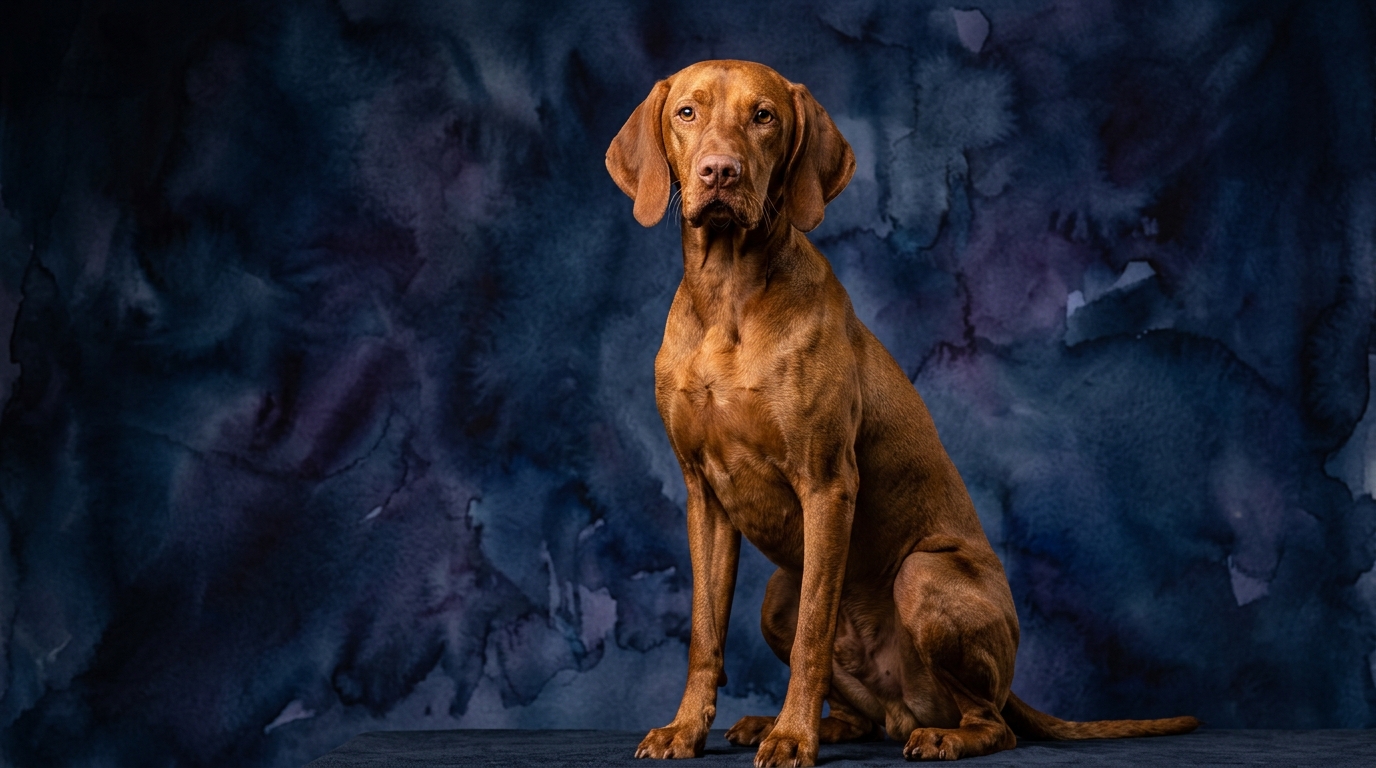
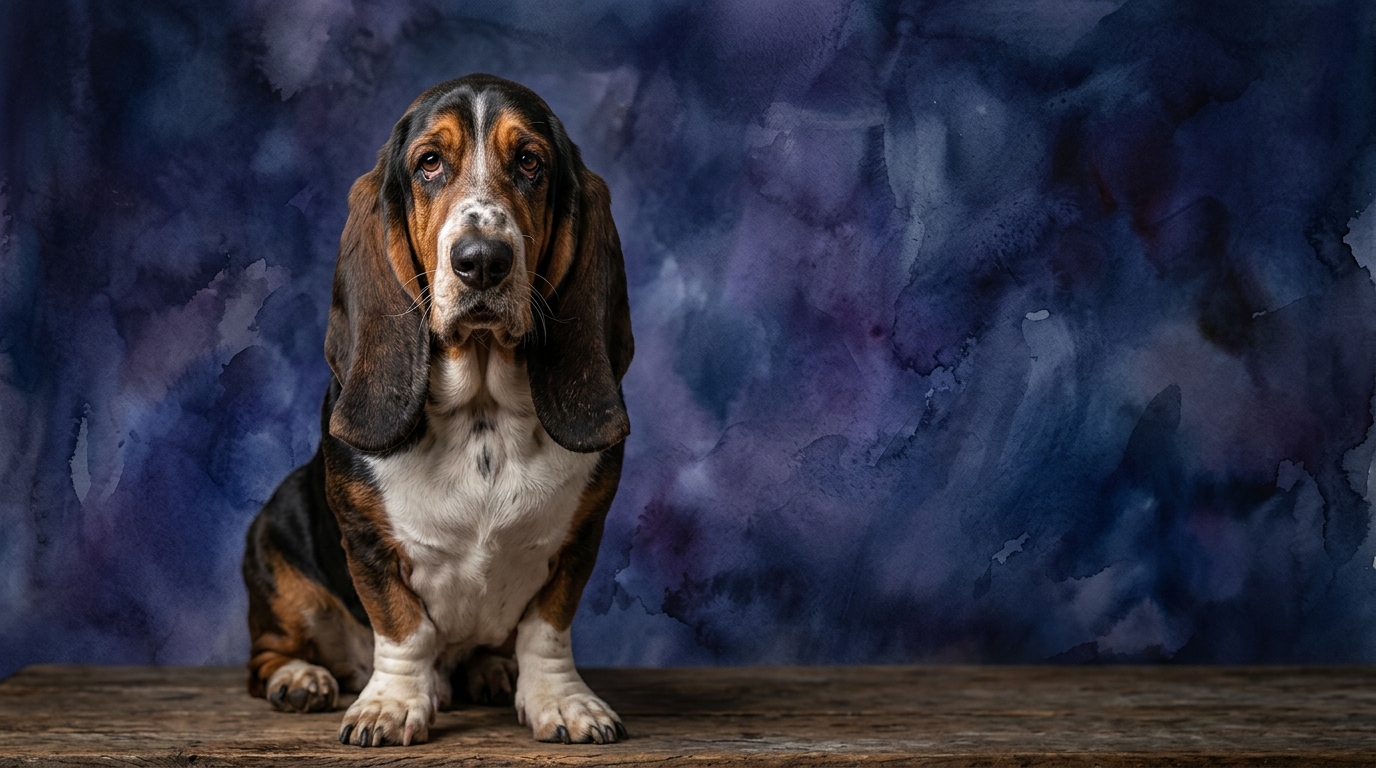
Side-by-Side IQ Profile: Vizsla vs. Basset Hound
The Vizsla, often called the 'Velcro dog' for its affectionate nature, earns its Coren rank of #31 through a compelling combination of cognitive strengths. Our IQ Lab data reveals a Problem Solving score of 4/5, reflecting their aptitude for navigating complex environments, often figuring out how to manipulate objects or overcome physical barriers to achieve a goal. Their Training Speed, also at 4/5, highlights their quick grasp of new commands and routines, often requiring fewer repetitions than many breeds and thriving on mental engagement. An exceptional Social Intelligence score of 5/5 means they are profoundly attuned to human emotions and intentions, making them highly responsive to subtle cues and forming deep, intuitive bonds with their families. Their Instinctive Drive, a perfect 5/5, speaks to a powerful inherent desire to work alongside humans, particularly in hunting and retrieving tasks, demonstrating purposefulness and focus. Finally, a Memory score of 4/5 indicates they effectively retain learned behaviors, commands, and spatial information, allowing them to recall complex sequences or locations over time.
In contrast, the Basset Hound, with its distinctive long ears and mournful eyes, sits at a Coren rank of #71, showcasing a cognitive profile deeply specialized by its heritage as a scent hound. Their Problem Solving is rated 3/5, indicating an ability to solve challenges, particularly those related to meticulously following a scent trail through varied terrain, often driven by their extraordinary nose. A Training Speed of 3/5 suggests they learn at a moderate pace, often requiring consistent, patient, and highly motivating reinforcement, as their responses can be deliberate. Their Social Intelligence, also 3/5, describes a generally amiable and affectionate companion who enjoys human interaction, though they might not always be as overtly expressive or as quick to interpret subtle human nuances as breeds with higher scores. The Instinctive Drive, a 3/5, is almost exclusively focused on their powerful sense of smell, compelling them to pursue intriguing scents with single-minded determination, sometimes overriding other commands. A Memory score of 3/5 reflects their excellent retention of scent trails and familiar routes, though they may not recall complex sequences of commands with the same precision or speed as breeds higher on the scale.
Where the Vizsla Wins Cognitively
Examining the IQ Lab data, the Vizsla clearly demonstrates a broader, more generalized cognitive advantage across multiple domains. Their superior Problem Solving (4/5 versus 3/5) means they excel at tasks requiring abstract thought or the manipulation of objects, such as untangling a leash, figuring out how to open a treat puzzle, or learning complex multi-step routines. This isn't just about physical dexterity; it's about the ability to generalize solutions from one situation to another, a hallmark of flexible cognitive function. The combination of their swift Training Speed (4/5) and unparalleled Social Intelligence (5/5) allows them to grasp new concepts rapidly and makes them incredibly responsive to their human partners. They actively seek engagement and understand subtle cues, making them prime candidates for advanced obedience, agility, or competitive dog sports where precise, quick reactions are paramount. Furthermore, their Instinctive Drive (5/5) is broadly applicable to cooperative tasks like retrieving, pointing, and working closely with a handler, rather than being singularly focused on an independent pursuit, giving them an edge in diverse collaborative activities.
Where the Basset Hound Wins Cognitively
While the Vizsla excels in general cognitive flexibility, the Basset Hound's true cognitive triumphs lie in its profound specialization, particularly concerning its olfactory capabilities. Their Instinctive Drive, rated 3/5 generally, is arguably a 5/5 when it comes to scenting. A Basset Hound's capacity to follow a cold trail for hours, meticulously processing complex scent information and differentiating minute airborne molecules, represents a cognitive feat that few breeds can match. This isn't merely a 'drive'; it's a sophisticated system of sensory processing, analysis, and unwavering persistence. Their Problem Solving (3/5) is often underestimated because it is so deeply integrated with their nose. Navigating dense underbrush, crossing streams, or circumventing obstacles solely to maintain a scent trail is an intricate, multi-faceted problem-solving task requiring spatial reasoning, memory, and an unshakeable focus on their primary objective. Moreover, their Memory (3/5), while not top-tier for general obedience, is exceptional for remembering specific scent profiles and the precise locations of past trails, allowing them to 're-read' a scent picture with remarkable accuracy. This specialized cognitive architecture makes them unparalleled in specific scent-driven tasks.
Which is Easier to Train and Why
Based on our IQ Lab metrics, the Vizsla is generally considered easier to train for conventional obedience and advanced tasks. Their 4/5 Training Speed combined with their 5/5 Social Intelligence means they are eager to engage, quickly grasp new commands, and thrive on cooperative learning. They possess an innate desire to please their human, making them highly biddable and responsive to positive reinforcement and clear communication. A Vizsla often finds joy in the act of learning and working alongside their person, leading to rapid skill acquisition and reliable recall. In contrast, the Basset Hound, with its 3/5 Training Speed and 3/5 Social Intelligence, alongside a potent 3/5 Instinctive Drive that prioritizes scent, can present more challenges in traditional training. They are not 'stubborn' in a malicious sense, but rather intensely focused on their olfactory world. Their independent pursuit of scent can make them seem less attentive to human commands, particularly outdoors. Training a Basset requires exceptional patience, consistent repetition, and highly motivating rewards that can compete with the allure of a compelling scent. Their deliberate pace and occasional 'selective hearing' when a good smell is present are real behavioral differences that trainers must account for.
Which Suits Active Owners vs. Relaxed Owners
The choice between a Vizsla and a Basset Hound largely hinges on an owner's lifestyle and capacity for engagement. The Vizsla, with its high instinctive drive and energetic profile, is an ideal match for active owners who can provide significant daily physical exercise, such as long runs, hikes, or swimming, coupled with ample mental stimulation through training, puzzle toys, or dog sports. Their deep social intelligence means they thrive when involved in all aspects of family life, becoming frustrated and potentially developing destructive behaviors if left sedentary or isolated. For these dogs, an active owner isn't just a preference; it's a necessity for their well-being. Conversely, the Basset Hound better suits owners who appreciate a more relaxed, yet still engaged, companion. While not requiring intense cardio, they absolutely need regular, moderate walks to satisfy their profound sniffing instincts – these are not just strolls, but scent-exploration missions. A relaxed owner who enjoys quiet companionship, is prepared for their distinctive 'bay' vocalizations, and is dedicated to providing supervised, stimulating scent walks in secure areas would be a good fit. They are not entirely sedentary, but their activity needs are fulfilled differently, emphasizing quality of sensory experience over sheer physical exertion.
The Verdict
Choose a Vizsla if you are an active individual or family seeking a highly engaged, responsive companion eager to participate in outdoor adventures, dog sports, or advanced obedience, and who can dedicate significant time to their physical and mental stimulation.
Opt for a Basset Hound if you appreciate a calm, affectionate home presence, understand a dog with a powerful, independent streak driven by scent, and can provide ample opportunities for leisurely, supervised sniffing expeditions.
🧠 Find Your Pet's IQ Score
Our Pet IQ Lab assessment covers 25+ tests across 5 cognitive dimensions — personalized to your breed.
Take the Full IQ Test →Frequently Asked Questions
Are Basset Hounds difficult to train?
While not 'difficult' in the sense of being untrainable, Basset Hounds require more patience and consistency than many breeds due to their moderate training speed and powerful scent drive. Training success hinges on making it highly rewarding and engaging for their nose, understanding their independent, scent-focused nature.
Do Vizslas need a lot of exercise?
Absolutely. Vizslas possess a high instinctive drive and energy levels, necessitating substantial daily physical activity like running, hiking, or swimming, alongside mental challenges such as advanced training or dog sports. Without adequate outlets, they can become restless, anxious, or develop unwanted behaviors stemming from boredom.
Which breed is better with children?
Both breeds can be wonderful with children, but in different ways. Vizslas, with their high social intelligence, often integrate seamlessly into active family life, enjoying play and companionship. Basset Hounds are typically gentle and patient, enjoying calm interaction and tolerant of younger family members. As with any dog, supervision is always key for positive dog-child interactions.