Side-by-Side Cognitive Profiles
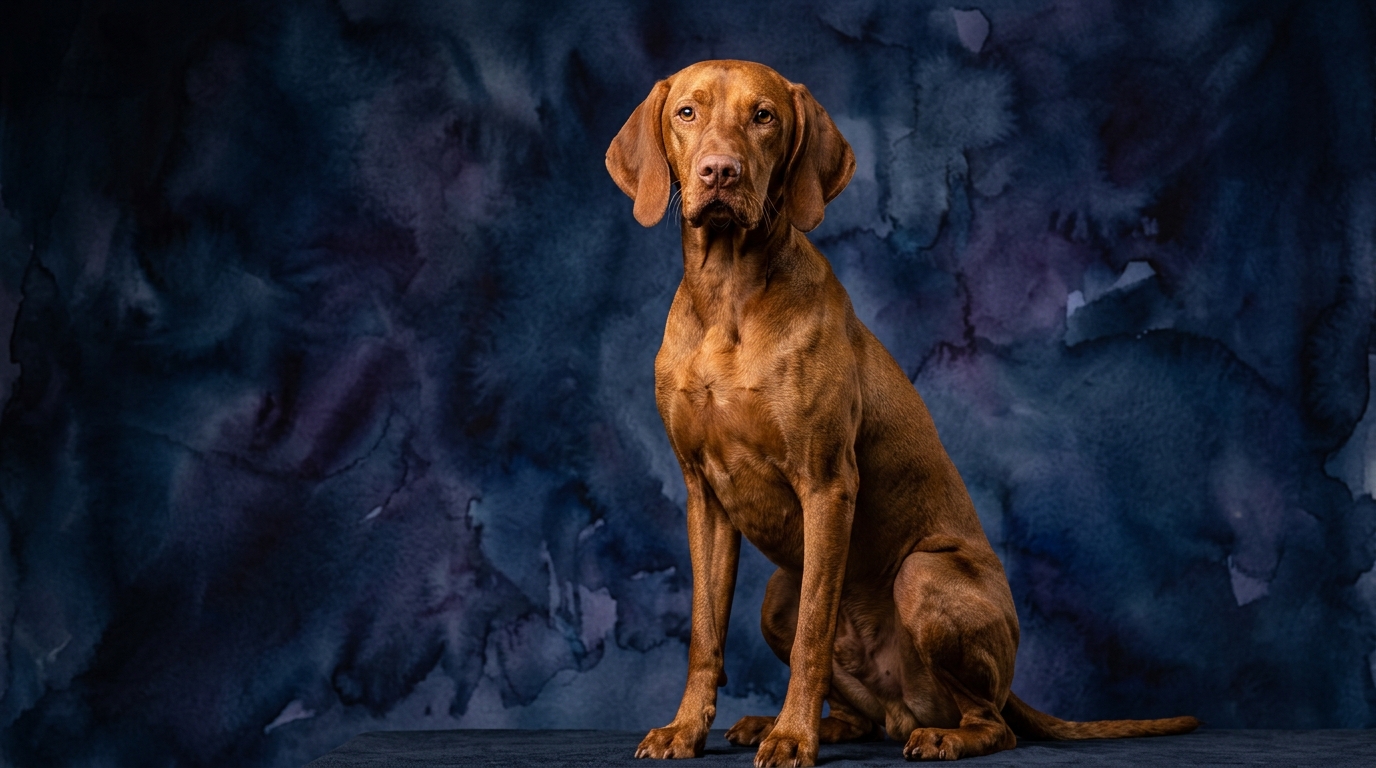
The Cosmic Pet Pet IQ Lab employs five key cognitive dimensions to map canine intelligence, offering a nuanced understanding beyond simple obedience. For the Vizsla, a Sporting breed ranking #31 on the Coren scale, we observe a problem-solving score of 4/5, indicating an agile mind capable of navigating complex situations and adapting to novel challenges. Their training speed, also 4/5, reflects a quick grasp of new commands and a general eagerness to comply, making them responsive learners. Where the Vizsla truly shines is in social intelligence, scoring a perfect 5/5, signifying an exceptional capacity to read and respond to human emotions and intentions, fostering deep, communicative bonds. Their instinctive drive, a robust 5/5, points to a strong working ethic rooted in their retrieving heritage, while a memory score of 4/5 suggests reliable retention of learned behaviors and environmental specifics.
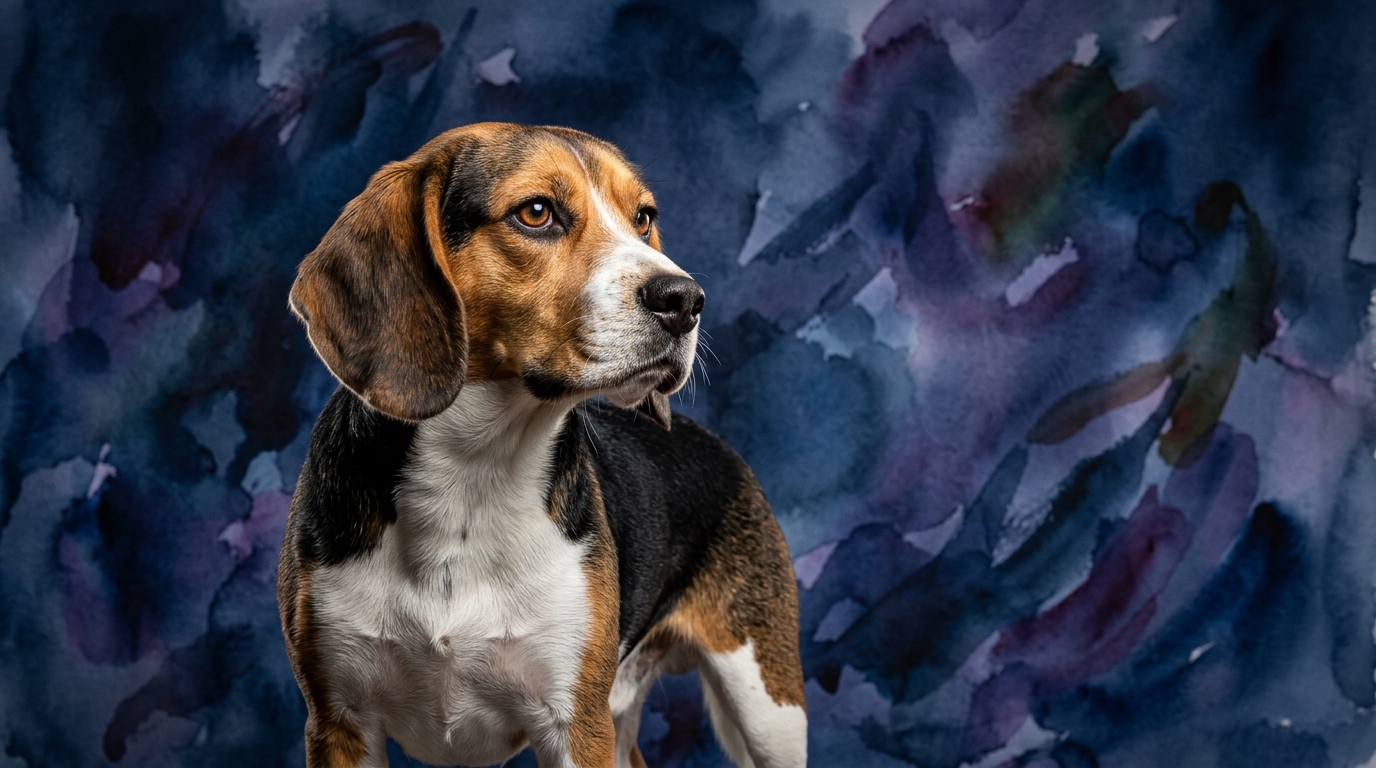
In contrast, the Beagle, a Hound breed positioned at #72 on the Coren scale, presents a distinct cognitive blueprint. Their problem-solving ability, also rated 4/5, is often channeled through their primary sensory input: scent. This score reflects their remarkable capacity for intricate olfactory puzzles and persistent tracking. However, their training speed is a comparatively lower 2/5, indicating a more independent learning style that can require greater patience and creativity from trainers. The Beagle’s social intelligence registers at 3/5; while friendly and amicable, they tend to be less acutely attuned to subtle human emotional shifts than the Vizsla, often prioritizing environmental stimuli, particularly scent. Their instinctive drive, a powerful 5/5, is almost exclusively dedicated to their legendary nose, manifesting as an unwavering pursuit of trails. Finally, their memory, a strong 4/5, is particularly adept at recalling scent patterns and geographical layouts encountered during their olfactory explorations.
Where the Vizsla Excels Cognitively
The Vizsla’s cognitive strengths are particularly pronounced in areas requiring close collaboration and emotional attunement. Their perfect 5/5 social intelligence score means they are exceptionally perceptive of human moods and intentions, often anticipating needs or reacting to subtle body language cues. This deep understanding fosters a remarkably synergistic partnership, where the Vizsla acts almost as an extension of their human companion. This acute sensitivity directly enhances their training speed (4/5), as they possess a strong intrinsic motivation to please and a quick comprehension of desired behaviors. Unlike breeds whose problem-solving (4/5) is narrowly specialized, the Vizsla applies its cognitive agility to a broader spectrum of challenges, from mastering intricate obedience sequences to navigating complex physical environments during retrieves, demonstrating a versatile and adaptable intellect that thrives on interactive mental engagement.
Where the Beagle Shines Cognitively
The Beagle's cognitive prowess is unequivocally anchored in their extraordinary olfactory capabilities, reflected in their 5/5 instinctive drive. Their problem-solving (4/5) is a masterclass in scent-based deduction; they excel at unraveling complex scent puzzles, meticulously following trails, and exhibiting an almost unwavering persistence in their pursuit. This isn't merely a physical act but a sophisticated cognitive process involving discrimination, pattern recognition, and sustained focus over extended periods, often in challenging environments. While their social intelligence (3/5) might not match the Vizsla's human-centric attunement, the Beagle's historical role as a pack hunter has cultivated a distinct form of social cognition, enabling effective cooperative work with other dogs during a hunt. Their memory (4/5) is particularly robust for scent profiles and the intricate mapping of territories, allowing them to recall specific locations and the 'narrative' of a trail with remarkable precision, a testament to their specialized sensory processing.
Trainability: Vizsla vs. Beagle
When assessing ease of training, the Vizsla generally offers a more streamlined experience for owners. Their training speed (4/5), combined with their exceptional social intelligence (5/5), translates into a dog highly receptive to instruction and eager for cooperative learning. They possess an inherent desire to work alongside their human and quickly grasp new concepts, making the acquisition of obedience commands, house rules, and even advanced tasks relatively efficient. Their attentiveness to human cues means they are often more focused on the trainer than external distractions. Conversely, the Beagle, with a training speed of 2/5, can present a more significant training challenge. Their formidable instinctive drive (5/5), almost solely directed at scent, frequently overrides human commands. An enticing scent trail can become an irresistible pull, making reliable recall in an off-leash environment particularly difficult. This independent streak, a remnant of their autonomous hunting heritage, means they are less instinctively inclined to defer to human direction when their nose has discovered a compelling 'mission.' Training a Beagle demands immense patience, consistency, and the strategic use of high-value rewards to maintain their focus amidst powerful environmental stimuli.
Matching Canine Intellect to Owner Lifestyles
For individuals embracing an active lifestyle, the Vizsla stands out as an exemplary companion. Their boundless energy and profound instinctive drive (5/5) necessitate substantial daily physical exertion, such as long runs, hikes, or vigorous play sessions, which are crucial for their physical and mental well-being. Their high social intelligence (5/5) means they thrive on being an integral, active participant in their owner's daily routines, whether it involves competitive dog sports or simply accompanying them on every adventure. They also demand consistent mental stimulation through complex training or interactive problem-solving games, aligning perfectly with owners who enjoy engaging their dog's agile mind. The Beagle, while possessing an equally powerful instinctive drive (5/5), channels much of this energy into specialized scent work. They are not a sedentary breed, enjoying walks and playtime, but their contentment often stems from satisfying their innate drive to follow a trail. This focus on olfactory exploration means they may suit owners who appreciate a dog with an independent streak and are prepared to provide structured scent-based activities, like tracking or nose work, which can be less physically demanding for the human than perpetually keeping pace with a high-energy Vizsla. While they require exercise, their primary drive is intellectual-sensory, not purely physical exertion.
The Verdict
Opt for a Vizsla if you seek an intensely bonded companion eager for collaborative activity, thrives on intricate training, and can integrate into a highly active lifestyle, valuing a dog's profound social attunement.
Select a Beagle if you appreciate an independent spirit, are prepared for the dedication required to train around powerful scent drives, and can provide outlets for their exceptional olfactory problem-solving.
🧠 Find Your Pet's IQ Score
Our Pet IQ Lab assessment covers 25+ tests across 5 cognitive dimensions — personalized to your breed.
Take the Full IQ Test →Frequently Asked Questions
Are Vizslas good family dogs given their social intelligence?
Yes, Vizslas generally excel as family dogs due to their exceptional social intelligence and strong desire for companionship. They form deep bonds with all family members and are often very patient and gentle with children, though their high energy requires supervision to prevent accidental bumps. Their need for inclusion in family activities makes them devoted and interactive household members.
Is a Beagle difficult to live with due to its independent nature?
A Beagle's independent nature, particularly its strong scent drive, can present challenges in daily living, especially regarding off-leash reliability and consistent obedience. However, with consistent training, early socialization, and ample opportunities for scent-based enrichment, they can be wonderful companions. Owners need to understand and cater to their innate drives rather than trying to suppress them entirely.
Do both breeds require a lot of exercise?
Both Vizslas and Beagles require significant exercise, but their needs differ in nature. Vizslas demand extensive physical activity, such as running and hiking, combined with mental challenges due to their high energy and desire for collaboration. Beagles, while needing daily walks, are more fulfilled by opportunities to engage their powerful sense of smell through tracking, nose work, or exploring scent-rich environments, which satisfies their instinctive drive.