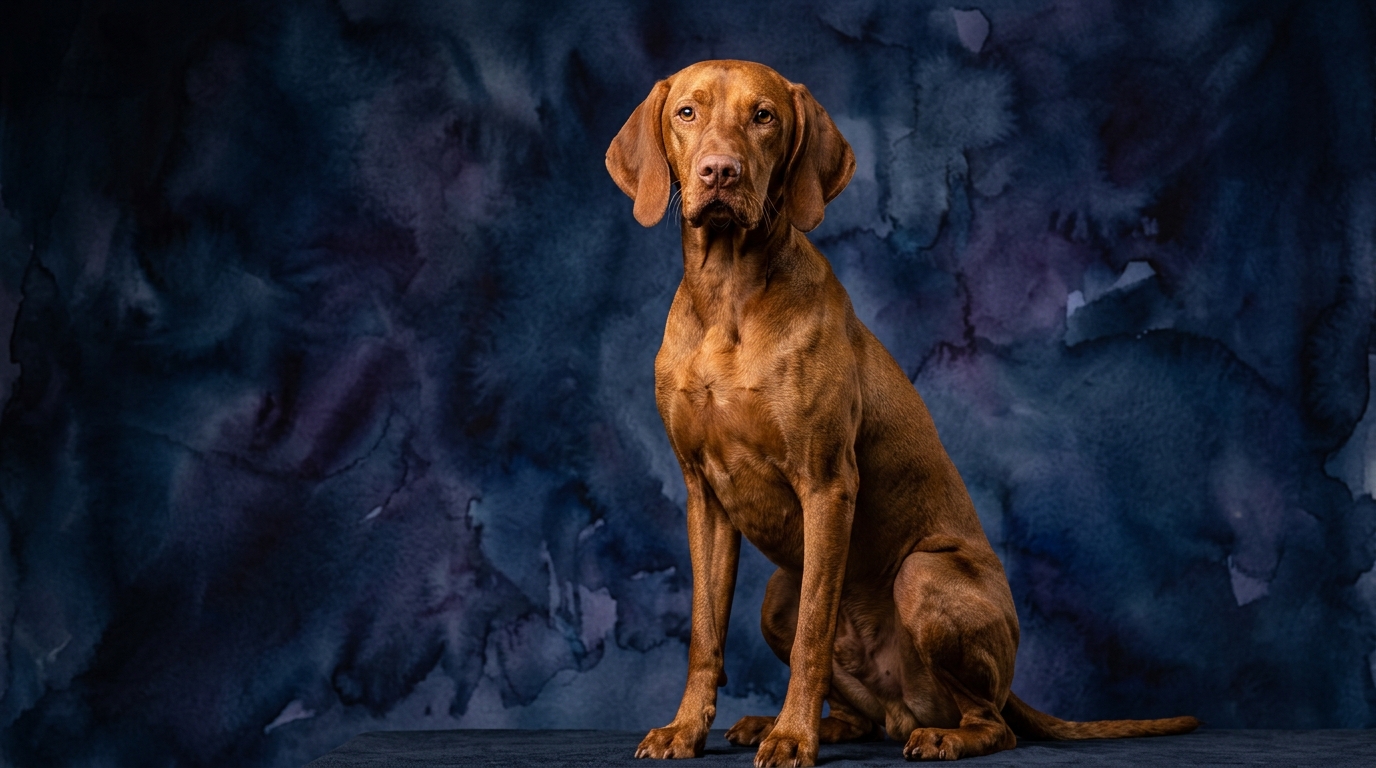
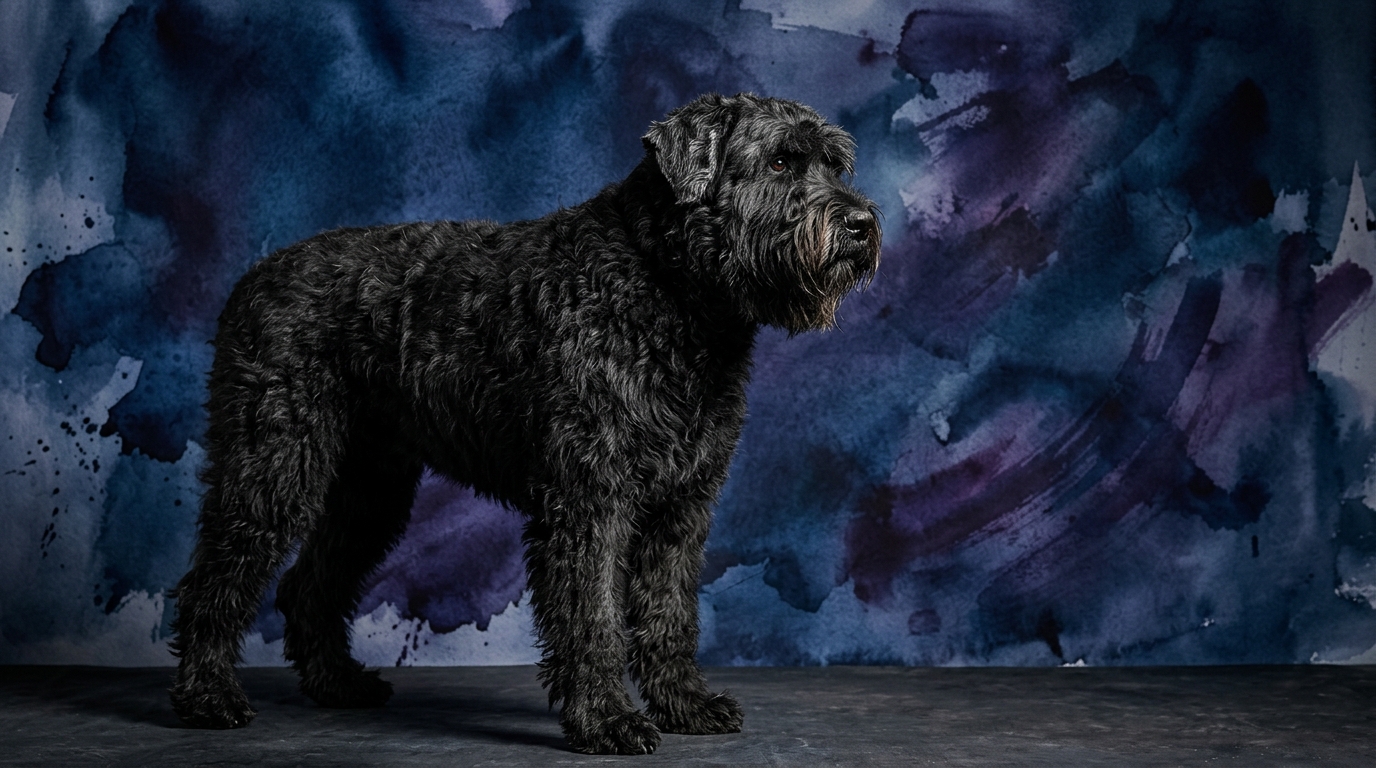
Side-by-Side IQ Profile: Vizsla vs. Bouvier des Flandres
Delving into the cognitive makeup of the Vizsla and the Bouvier des Flandres through The Cosmic Pet Pet IQ Lab reveals distinct profiles, each reflecting their historical roles and inherent dispositions.
The Vizsla, a breed from the Sporting Group, exhibits a cognitive profile geared towards agile partnership and quick decision-making in the field. Their Problem Solving is rated at 4/5, indicating a capacity for rapidly assessing new situations and creatively finding solutions, often through energetic trial and error. Training Speed for the Vizsla stands at 4/5, reflecting their eagerness to learn and quick grasp of new commands, thriving on engaging, positive reinforcement sessions. A remarkable 5/5 in Social Intelligence highlights their profound attunement to human emotions and intentions, fostering deep, responsive bonds. Their Instinctive Drive is a powerful 5/5, manifesting as an intense desire to work alongside humans, particularly in scenting and retrieval tasks, pursued with unwavering persistence. Finally, their Memory is solid at 4/5, allowing them to retain learned behaviors, complex routes, and commands effectively over time.
In contrast, the Bouvier des Flandres, a Herding breed, presents a cognitive blueprint emphasizing steadfastness, protection, and deliberate action. Their Problem Solving score of 3/5 suggests a thoughtful, sometimes methodical approach to challenges, preferring consistency and proven methods over spontaneous experimentation. The Bouvier's Training Speed is also 3/5, meaning they learn steadily but often require more repetition and patience, responding best to clear, consistent instruction delivered with confidence. Their Social Intelligence is marked at 3/5; while deeply loyal to their family and observant of their environment, they can be reserved with strangers and less overtly expressive of their emotional understanding compared to the more effusive Vizsla. Instinctive Drive for the Bouvier is 3/5, rooted in their strong herding and guarding instincts, driven by a desire to protect and manage their flock or family with a watchful presence. Their Memory, at 3/5, ensures they retain routines and commands within their established environment, benefiting from consistent reinforcement to solidify learning rather than quick, one-off lessons.
Where the Vizsla Excels Cognitively
The Vizsla's cognitive strengths lie in their exceptional blend of speed, adaptability, and profound social connection. Their 4/5 problem-solving score isn't just about finding solutions; it's about finding them rapidly and often intuitively. Faced with a novel situation, a Vizsla will quickly process information and try various approaches, making them highly effective in dynamic environments like agility courses or complex scent work. This quick processing is buttressed by their 5/5 social intelligence, allowing them to anticipate human cues and desires with uncanny accuracy, forging a partnership that feels almost telepathic. When a Vizsla understands what's expected, their 5/5 instinctive drive kicks in, providing an intense, focused energy to achieve the task, whether it's retrieving a dummy from water or mastering a new trick. They are masters of rapid learning and fluid adaptation, making them stand out in tasks requiring quick shifts in focus and immediate responsiveness to their handler.
Where the Bouvier des Flandres Excels Cognitively
The Bouvier des Flandres' cognitive advantages are rooted in their methodical nature, unwavering resolve, and keen observational skills, particularly in their guarding and herding roles. Their 3/5 problem-solving score translates into a thoughtful, deliberate approach; they might not solve a puzzle as quickly as a Vizsla, but their solution, once reached, is often consistent and well-considered. This breed excels in tasks requiring sustained focus and independent judgment, such as patrolling a property or managing livestock, where impulsive action is less desirable than steady oversight. Their 3/5 social intelligence, while more reserved, fosters a deep, protective loyalty to their family, making them acutely aware of their immediate environment and any perceived threats. The Bouvier's 3/5 instinctive drive manifests as a powerful desire to protect and maintain order, demonstrating a steadfastness that is a cognitive asset in roles demanding reliability and a calm, authoritative presence. They are specialists in consistent, dependable performance, bringing a quiet strength to their cognitive endeavors.
Training Dynamics: Which is Easier and Why?
When considering ease of training, the Vizsla generally presents fewer challenges for most owners due to their higher scores in Training Speed (4/5) and Social Intelligence (5/5). Vizslas possess an inherent eagerness to please their human companions, which, combined with their ability to quickly grasp new concepts, makes them highly receptive to positive reinforcement methods. They thrive on engaging, varied training sessions that prevent boredom and capitalize on their strong instinctive drive (5/5), making them keen participants in activities like obedience, agility, or field work. Their sensitivity means they respond best to gentle, consistent guidance, and their rapid learning curve allows for quick progression through commands and complex sequences. However, their high energy demands consistent engagement; a bored Vizsla can become a mischievous Vizsla, requiring mental and physical outlets to channel their cognitive strengths constructively.
The Bouvier des Flandres, with a Training Speed of 3/5 and Social Intelligence of 3/5, typically requires a more patient and consistent approach. Their independent nature, a hallmark of many herding breeds, means they might not always see the immediate 'point' of a command and may require more repetitions to solidify new behaviors. They respond best to clear, confident leadership and a structured training environment where expectations are unambiguous. While they form deep loyalties, their social intelligence is expressed through watchful observation rather than overt eagerness to please, meaning trainers must earn their trust and respect. Their methodical problem-solving (3/5) means they might take longer to process information, but once a concept is understood, it is deeply ingrained. Training a Bouvier is about building a respectful partnership through consistency and understanding their independent, protective mindset, rather than relying on their innate desire to quickly acquiesce.
Matching Breeds to Lifestyles: Active vs. Relaxed Owners
The Vizsla's cognitive and physical makeup makes them an ideal companion for active owners. Their powerful instinctive drive (5/5), coupled with high problem-solving (4/5) and training speed (4/5), means they demand constant mental and physical engagement. An owner who enjoys daily long runs, hiking, cycling, or participating in dog sports like agility, flyball, or advanced obedience will find a Vizsla to be an unparalleled partner. They thrive on having a 'job' and require significant outlets for their boundless energy and sharp minds. A Vizsla will not be content with short walks and minimal interaction; they need a lifestyle that actively incorporates them into adventures and challenges, or their cognitive energies can manifest as restlessness or destructive behaviors.
Conversely, the Bouvier des Flandres, while needing regular exercise and mental stimulation, can be a better fit for owners who might describe themselves as moderately active rather than intensely athletic. Their more deliberate problem-solving (3/5) and training speed (3/5), combined with a strong but less frenetic instinctive drive (3/5), mean they appreciate routine and purposeful activity. A Bouvier will benefit from dedicated daily walks, structured play, and consistent training sessions that reinforce their role as a loyal family guardian. While they are not couch potatoes, their energy is often more contained and less overtly 'bouncy' than a Vizsla's. An owner who values a thoughtful, steadfast companion for regular, consistent engagement, rather than constant high-octane adventure, might find the Bouvier to be a more harmonious match, provided they are committed to patient, confident leadership.
The Verdict: When to Choose Each Breed
The Verdict
Choose the Vizsla if you seek a highly engaged, energetic partner eager for collaborative adventures like hiking, running, or dog sports, and can provide consistent mental and physical stimulation for their quick mind.
Opt for the Bouvier des Flandres if you appreciate a steadfast, protective, and thoughtful companion, willing to invest in consistent, patient training, and who can offer a structured environment where their independent nature and guarding instincts can thrive.
🧠 Find Your Pet's IQ Score
Our Pet IQ Lab assessment covers 25+ tests across 5 cognitive dimensions — personalized to your breed.
Take the Full IQ Test →Frequently Asked Questions
Are Vizslas good with children?
Vizslas often form strong bonds with children due to their social intelligence and playful nature. However, their high energy and enthusiasm mean supervision is essential, especially with very young children, to ensure interactions remain positive and calm.
Do Bouvier des Flandres shed a lot?
Bouvier des Flandres have a coarse, double coat that does require regular grooming to prevent matting, but they are considered moderate to low-shedders. Consistent brushing, typically a few times a week, helps manage loose hair and maintain coat health.
Which breed is better for first-time dog owners?
Neither breed is typically recommended for absolute first-time owners without a strong commitment to training and understanding breed-specific needs. However, a Vizsla's eagerness to please might make them slightly more forgiving for a novice dedicated to active engagement, while a Bouvier's independence requires a more experienced, confident approach.