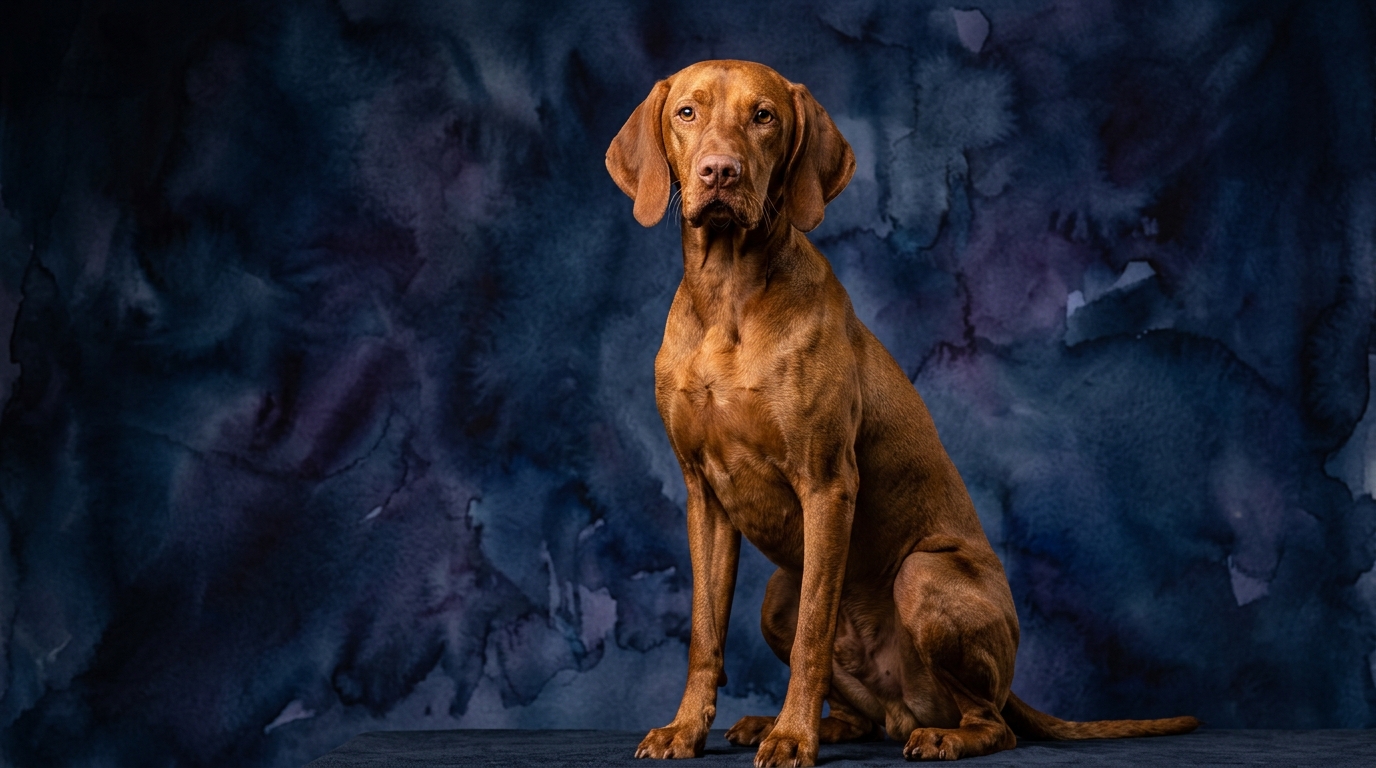
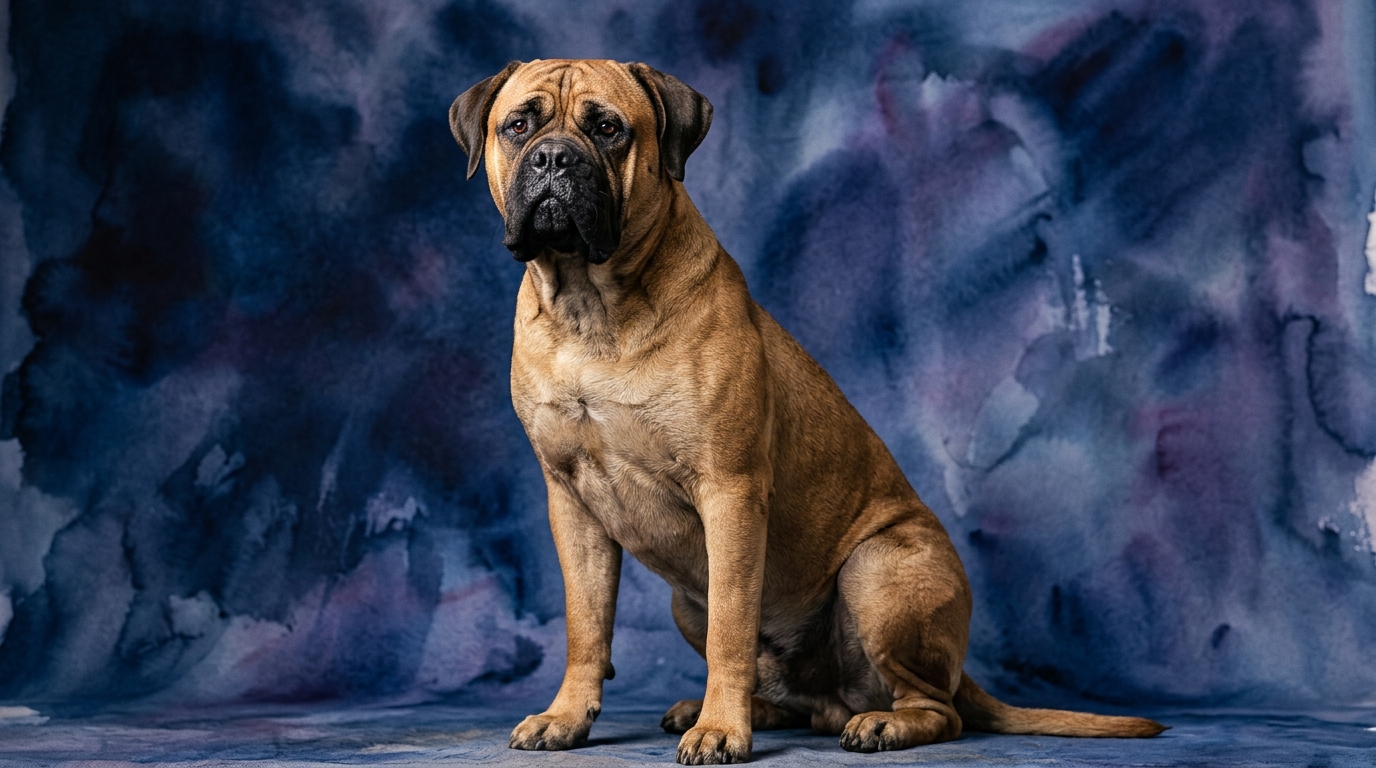
Side-by-Side IQ Profile: Vizsla vs. Bullmastiff
The Cosmic Pet Pet IQ Lab provides a comprehensive framework for understanding canine cognition, breaking down intelligence into five key dimensions. For the Vizsla, a Sporting breed, these scores paint a picture of agility and responsiveness: Problem Solving 4/5, Training Speed 4/5, Social Intelligence 5/5, Instinctive Drive 5/5, and Memory 4/5. With a Coren rank of #31, the Vizsla generally demonstrates a quick grasp of new concepts and an eagerness to engage.
In contrast, the Bullmastiff, a Working breed, presents a different cognitive landscape: Problem Solving 3/5, Training Speed 3/5, Social Intelligence 3/5, Instinctive Drive 3/5, and Memory 3/5. Ranked #69 by Coren, the Bullmastiff's scores suggest a more deliberate, less overtly driven approach to learning and interaction, reflecting their historical role as a watchful guardian rather than a dynamic hunter.
Where the Vizsla Wins Cognitively
The Vizsla's superior scores across the board translate into distinct cognitive advantages, particularly in dynamic, interactive scenarios. Their Problem Solving at 4/5 indicates a strong ability to navigate novel situations and figure out solutions quickly, whether it's opening a gate or strategizing to retrieve a toy from a complex setup. This mental agility means they often anticipate outcomes and adapt their approach effectively.
With a Training Speed of 4/5, Vizslas absorb new commands and routines with impressive alacrity, often requiring fewer repetitions to achieve mastery. This rapid acquisition of skills makes them excellent candidates for advanced obedience, agility, or scent work. Their Social Intelligence of 5/5 means they are exceptionally attuned to human emotions and intentions, making them highly responsive to subtle cues and deeply bonded companions who thrive on interaction. Furthermore, their Instinctive Drive of 5/5 fuels a tireless work ethic and a profound desire to engage in activities that mimic their hunting heritage, while their 4/5 Memory ensures they retain complex sequences and commands over long periods, making intricate training possible.
Where the Bullmastiff’s Cognitive Profile Shines
While the Bullmastiff's scores might appear lower, their cognitive profile is uniquely suited to their purpose and can be considered advantageous in specific contexts. Their Problem Solving, rated 3/5, often manifests as a methodical, deliberate approach rather than rapid improvisation. This measured cognitive style allows them to assess situations with a calm demeanor, which is crucial for a protective breed that needs to distinguish between a genuine threat and a harmless visitor without impulsive reactions. Their decision-making process, though slower, is often characterized by thoughtful consideration.
The Bullmastiff's Instinctive Drive of 3/5 means they are generally less prone to the intense prey drive that can distract many sporting breeds. This lower impulse to chase small animals or wander extensively can make them more predictable and less prone to bolting in certain environments, offering a different kind of reliability compared to the Vizsla's high-energy focus. Their Social Intelligence, while not as outwardly demonstrative, is sufficient for forming deep, loyal bonds with their families, manifesting as a watchful, protective presence rather than constant interactive demands. This allows them to be steadfast companions who are content with a more independent presence, appreciating quiet companionship alongside their guarding duties. Their 3/5 Memory is perfectly adequate for retaining household routines and recognizing familiar faces and potential strangers, supporting their role as a steadfast companion and sentinel without requiring the same level of complex recall as a hunting dog.
Which is Easier to Train and Why
Based on their Pet IQ Lab scores, the Vizsla is demonstrably easier to train, primarily due to their higher Training Speed (4/5) and Problem Solving (4/5). Vizslas possess an intrinsic desire to work alongside their human companions, combined with a quick mental uptake. They grasp new commands rapidly, often connecting actions to rewards with minimal repetition, making them highly receptive to positive reinforcement methods. Their superior memory also means they retain what they've learned for extended periods, allowing for the building of complex skill sets.
The Bullmastiff, with a Training Speed of 3/5 and Problem Solving of 3/5, requires a more patient and consistent approach. They are not as quick to pick up new concepts and may require more repetitions to solidify a command. Training a Bullmastiff often means breaking down tasks into smaller, manageable steps and celebrating every small success. Their deliberate nature means they respond best to calm, firm, and consistent guidance, rather than high-energy, fast-paced sessions. While they are capable of learning, their cognitive style means the training journey will be longer and more focused on reinforcement.
Which Suits Active Owners vs. Relaxed Owners
The Vizsla's cognitive profile aligns perfectly with active owners seeking a dynamic partner for adventures. Their high Instinctive Drive (5/5) and boundless energy demand significant physical and mental stimulation daily. Owners who enjoy running, hiking, field sports, or engaging in dog sports like agility or obedience will find a Vizsla to be an enthusiastic and capable companion. Their superior problem-solving and training speed mean they thrive on learning new tasks and engaging in mentally challenging games, making them unsuitable for sedentary lifestyles where they might become bored and destructive.
Conversely, the Bullmastiff's more deliberate cognitive style and moderate Instinctive Drive (3/5) make them an excellent fit for owners who appreciate a more relaxed pace. While they still require regular exercise to maintain health, their needs are less intense than a Vizsla's. They are content with daily walks and a comfortable spot by their owner's side, often preferring quiet companionship over constant activity. Owners seeking a steadfast, watchful presence that doesn't demand hours of high-intensity engagement will find the Bullmastiff's calm and composed nature a perfect match.
The Verdict
Choose a Vizsla if you are an active individual or family seeking a highly trainable, energetic, and socially perceptive companion eager to participate in demanding physical and mental activities.
Opt for a Bullmastiff if you prefer a calm, deliberate, and protective presence, valuing a steadfast companion that thrives on routine and offers a watchful demeanor with moderate exercise needs.
🧠 Find Your Pet's IQ Score
Our Pet IQ Lab assessment covers 25+ tests across 5 cognitive dimensions — personalized to your breed.
Take the Full IQ Test →Frequently Asked Questions
Do Vizslas need a lot of mental stimulation?
Yes, Vizslas have high problem-solving (4/5) and memory (4/5) scores, indicating a strong need for mental challenges. Without adequate stimulation, they can become bored and develop undesirable behaviors, making puzzle toys and training essential.
Are Bullmastiffs good with children given their social intelligence score?
Bullmastiffs, with a social intelligence of 3/5, form deep bonds with their families, including children, often displaying a watchful and protective nature. Their calm demeanor and lower instinctive drive can make them gentle giants, but supervision is always advised.
Which breed is better for first-time dog owners?
Neither breed is inherently 'easier' for first-time owners without considering lifestyle. A Vizsla requires significant time for training and exercise due to their high drive and quick minds, while a Bullmastiff's deliberate nature demands patience and consistency in training, making both a commitment.