Side-by-Side Cognitive Profile
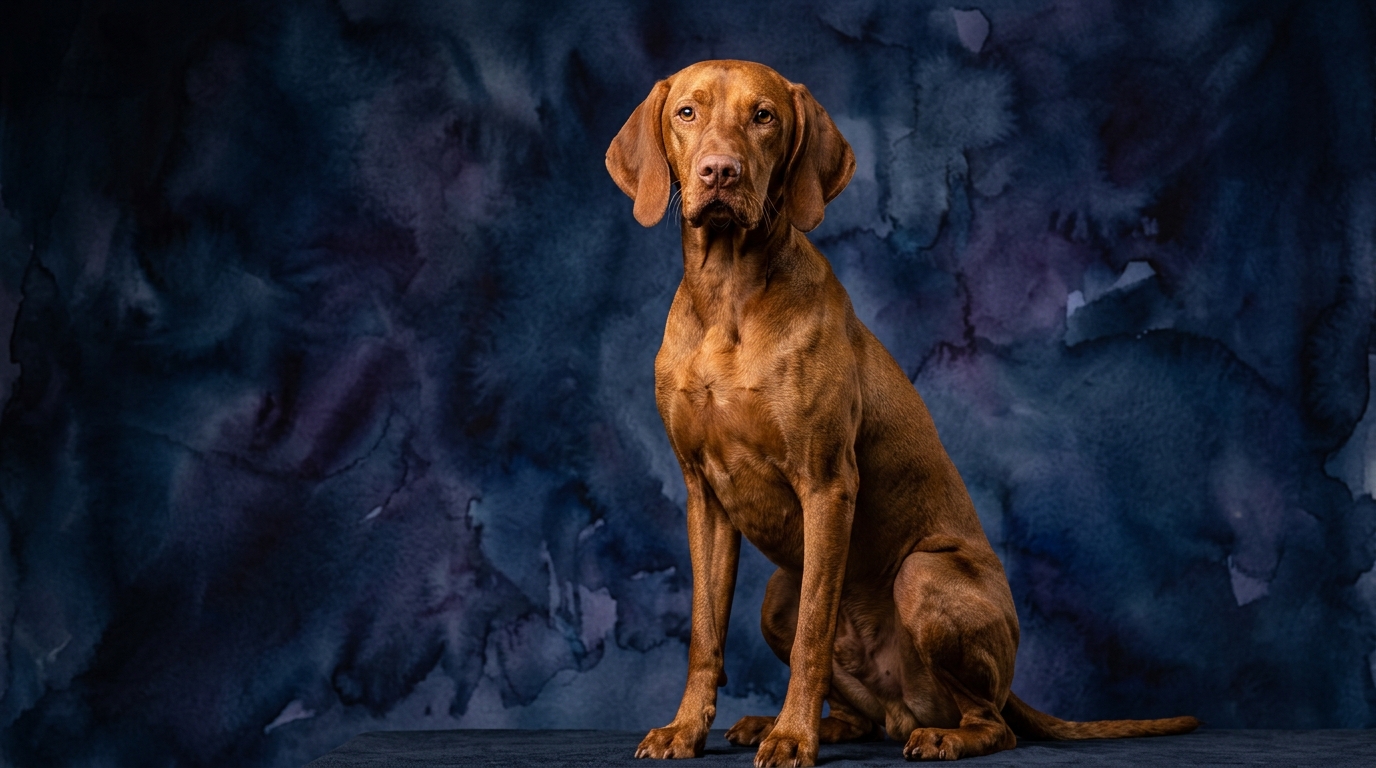
The Vizsla, a Sporting breed, demonstrates a balanced cognitive profile with strong social leanings. Their problem-solving ability (4/5) allows them to navigate complex tasks and learn from experience, often adapting strategies on the fly. Training speed (4/5) is impressive, as they quickly grasp new commands and sequences, thriving on engaging instruction. Where they truly distinguish themselves is in social intelligence (5/5), showing exceptional attunement to human emotions and intentions, fostering a profound partnership. Their instinctive drive (5/5) is a powerful engine for retrieving and field activities, reflecting a deep desire to work collaboratively. Memory (4/5) enables them to retain learned behaviors and past interactions with reliability.
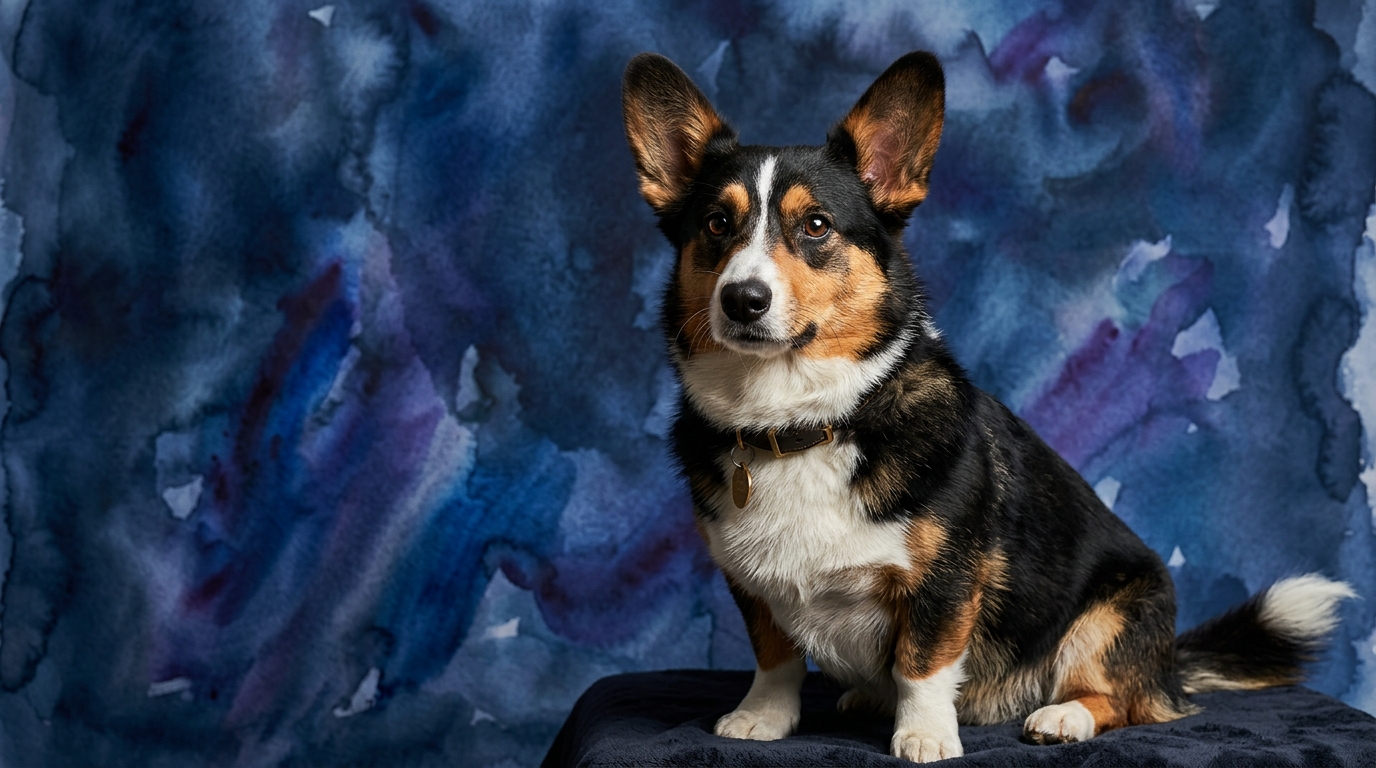
The Cardigan Welsh Corgi, a Herding breed, presents a robust and independent cognitive makeup. They excel in problem-solving (4/5), often finding clever solutions to challenges, characteristic of a dog needing to outsmart livestock. Their training speed (4/5) is admirable, as they pick up new concepts with enthusiasm and precision. Social intelligence (3/5) is present, fostering strong family bonds, but they might be less universally attuned to subtle human cues or less outwardly effusive with strangers compared to some breeds. Their instinctive drive (3/5) manifests primarily as a desire to gather and organize, a remnant of their herding heritage, though typically less intense than a dedicated hunting dog. Memory (4/5) is solid, allowing them to consistently recall commands and routines, crucial for intricate herding tasks.
Where the Vizsla Excels Cognitively
The Vizsla's exceptional social intelligence (5/5) grants them a remarkable capacity for empathy and intuition, enabling them to anticipate an owner's needs or moods with striking accuracy. This deep connection transforms daily interactions into a seamless partnership, where subtle cues are understood, making them uniquely responsive companions in both daily life and specialized activities.
Furthermore, their profound instinctive drive (5/5) provides an unparalleled wellspring of motivation and focus. This isn't merely a desire for activity; it's a deep-seated urge to engage in purposeful work alongside their human, making them relentless and dedicated participants in tasks that require sustained effort, concentration, and collaboration. This drive is a powerful asset in advanced training and performance events.
Where the Cardigan Welsh Corgi Excels Cognitively
The Cardigan Welsh Corgi's problem-solving aptitude (4/5) is often expressed through an independent and resourceful approach, a legacy of their herding role where self-reliance was essential. They demonstrate a cleverness in navigating obstacles and devising strategies, sometimes with a charmingly stubborn streak that underscores their self-assured nature.
While their training speed (4/5) is on par with the Vizsla, the Corgi's application of this speed is often filtered through their independent thought process. They learn rapidly but may require more persuasive motivation to apply their knowledge if they perceive a more efficient or self-serving alternative. Their robust memory (4/5) ensures consistency in recalled behaviors, vital for the precise execution demanded by complex herding patterns or competitive obedience. Their higher Coren rank (#26 vs #31 for Vizsla) suggests a broad adaptive intelligence, enabling them to apply their cognitive skills effectively across diverse environments.
Which is Easier to Train and Why
The Vizsla generally presents as an easier breed to train due to their superior social intelligence (5/5) and potent instinctive drive (5/5). They possess an innate desire to please and cooperate, thriving on the direct partnership with their human. Their sensitivity means they respond exceptionally well to positive reinforcement, often eager to understand and execute commands, especially when training aligns with their natural retrieving and scenting talents.
The Cardigan Welsh Corgi, despite their 4/5 in training speed, can be more challenging for some due to their lower social intelligence (3/5) and instinctive drive (3/5), which can translate into a more independent mindset. They learn quickly but may require more consistent, compelling motivation and a trainer adept at managing their inherent herding tendency to make their own decisions. Their intelligence is often paired with a strong will, necessitating engaging training methods that clearly demonstrate purpose to maintain their focus and cooperation, as they might test boundaries more frequently.
Which Suits Active Owners vs. Relaxed Owners
The Vizsla is unequivocally suited for highly active owners. Their profound instinctive drive (5/5) and intense need for social engagement demand extensive daily physical exercise and continuous mental stimulation. They flourish in environments where they can participate in activities like running, hiking, hunting, agility, or competitive dog sports that engage both their physical prowess and keen intellect. A more relaxed owner might find their boundless energy and constant need for interaction overwhelming, potentially leading to boredom-induced behaviors.
The Cardigan Welsh Corgi suits owners who are active but perhaps less intensely so than those ideal for a Vizsla. They require regular exercise to maintain their sturdy physique and mental well-being, but their instinctive drive (3/5) is more manageable. They enjoy daily walks, engaging playtime, and participating in puzzle games or obedience training. While they appreciate activity, they are also content with periods of rest and family companionship indoors, making them adaptable to a moderately active household that values both adventure and calm.
The Verdict
Select a Vizsla if you are an incredibly active individual or family seeking a deeply bonded, highly energetic partner for outdoor adventures, dog sports, or hunting, and you value a canine that thrives on constant interaction and purpose-driven work.
Opt for a Cardigan Welsh Corgi if you appreciate a clever, independent, and resilient companion who enjoys regular activity and mental challenges but is also content with a more moderate pace of life, and you are prepared for a dog with a strong will and a charmingly assertive personality.
🧠 Find Your Pet's IQ Score
Our Pet IQ Lab assessment covers 25+ tests across 5 cognitive dimensions — personalized to your breed.
Take the Full IQ Test →Frequently Asked Questions
Is a Vizsla or a Cardigan Welsh Corgi better for first-time dog owners?
A Vizsla's intense social needs and high energy can be a substantial commitment for a first-timer, requiring significant dedication to exercise and consistent training. A Cardigan Welsh Corgi, while clever and sometimes stubborn, might be more adaptable for a committed first-time owner who can provide consistent guidance and manage their inherent herding instincts with patience.
Do Vizslas and Cardigan Welsh Corgis get along with other pets?
Vizslas, with their high social intelligence, generally adapt well to other pets if introduced properly, often forming friendly bonds and enjoying companionship. Cardigan Welsh Corgis can also coexist, but their strong herding instinct might lead them to try and "manage" other animals, necessitating careful supervision and proactive training to ensure harmonious multi-pet households.
Which breed requires more mental stimulation?
Both breeds benefit from mental stimulation, but the Vizsla's higher instinctive drive and social intelligence mean they typically crave and require more complex, interactive mental challenges to prevent boredom and channel their energy constructively. The Cardigan Welsh Corgi also needs engagement, but their mental needs can often be met with varied puzzles, consistent training, and regular activities rather than constant high-intensity "work."