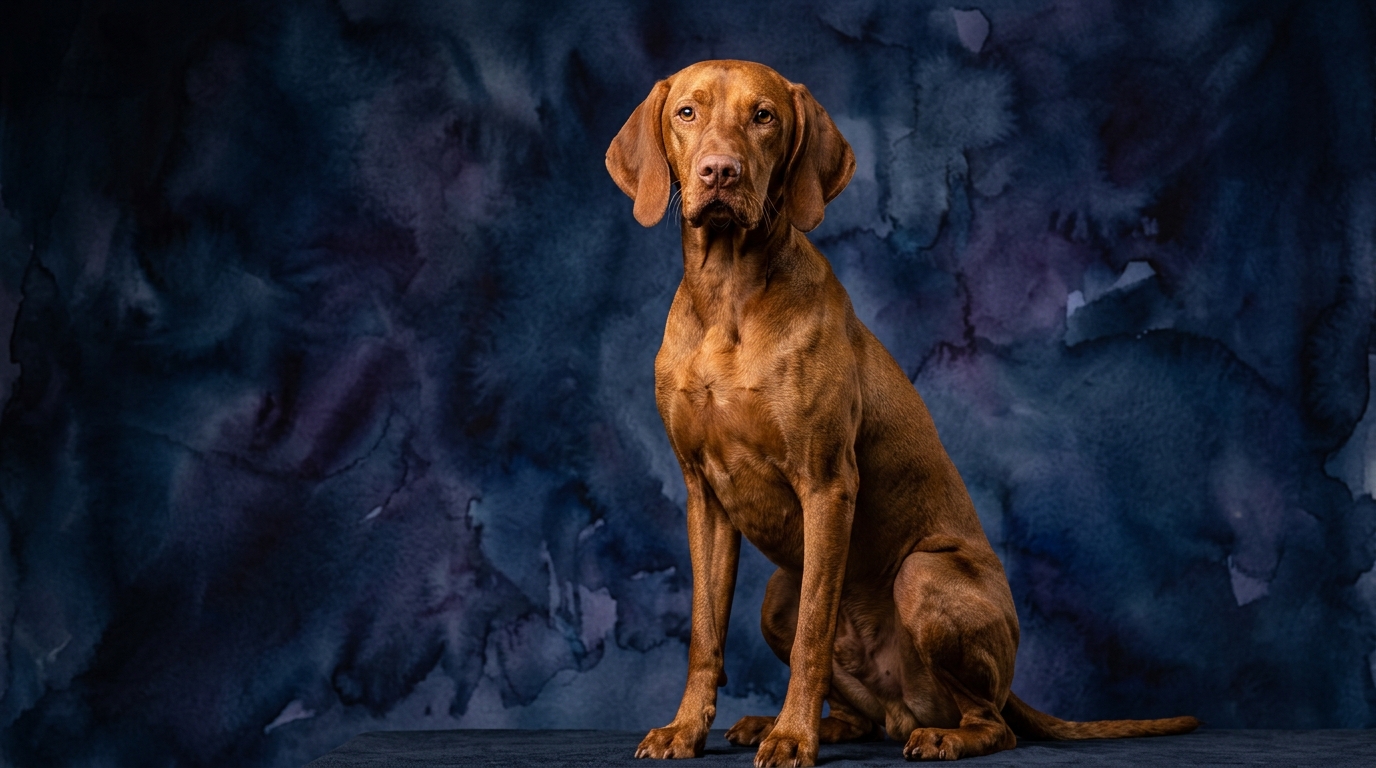
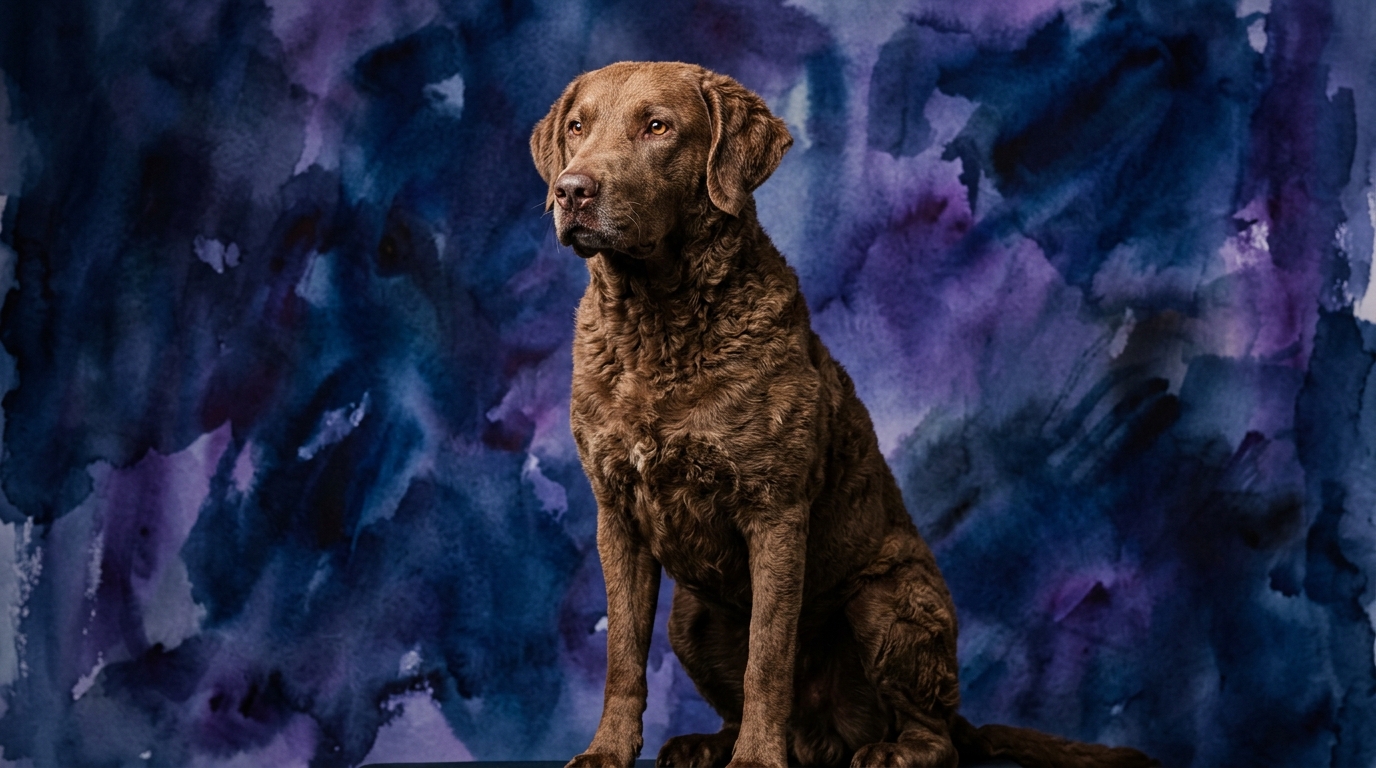
Side-by-Side Pet IQ Profile
The Vizsla's cognitive blueprint reveals a nuanced set of abilities. Their Problem Solving (4/5) reflects a strong capacity to analyze novel situations and devise effective solutions, often demonstrating ingenuity in overcoming obstacles to reach a desired outcome. Their keen senses, particularly scent, frequently play a crucial role in their problem-solving approach. Training Speed (4/5) indicates they grasp new commands and complex routines with impressive alacrity, absorbing lessons efficiently thanks to their focused attention and inherent desire to participate. A defining characteristic is their exceptional Social Intelligence (5/5), meaning they are acutely attuned to human emotions, intentions, and even subtle shifts in body language, fostering deep bonds and making them highly responsive to nuanced communication. Their powerful Instinctive Drive (5/5), particularly for scent work, retrieving, and tracking, provides a robust and self-sustaining motivation for learning and performing tasks. Finally, their Memory (4/5) ensures they consistently retain learned behaviors, complex sequences of commands, and past experiences with efficiency, allowing them to build upon previous training and reliably recall routines or specific locations.
The Chesapeake Bay Retriever's cognitive profile, while sharing some common strengths, also highlights distinct characteristics. Their Problem Solving (4/5) demonstrates solid abilities in assessing environmental challenges and formulating practical solutions, often employing a robust, methodical approach to achieve its goals, adept at navigating complex terrain or retrieving objects from difficult spots. Training Speed (4/5) shows they learn new tasks at a commendable pace, processing information and integrating novel commands into their repertoire with consistent and clear instruction, capable of mastering intricate skills. However, their Social Intelligence (3/5) suggests a more independent and discerning nature; while forming strong, loyal bonds with their chosen family, they are less overtly eager to please than some breeds and often prefer a select few companions, exhibiting a reserved demeanor with strangers. Their Instinctive Drive (3/5), while powerful and specifically focused on retrieving from water, is rated slightly lower than the Vizsla's broad range, implying they might require more external motivation or structured channeling to maintain engagement across various activities beyond their primary working purpose. Their Memory (4/5) is strong, vital for their demanding work, as they reliably remember complex sequences of commands, the locations of retrieves, and established boundaries, making them consistent performers once a skill is learned.
Where the Vizsla Wins Cognitively
The Vizsla's superior social intelligence (5/5) is a profound cognitive advantage, translating into an almost intuitive understanding of human cues. They actively seek to connect and cooperate, often anticipating their owner's wishes before a command is even fully issued. This deep attunement means they are not just responding to commands, but engaging in a true partnership, making training and daily interaction feel incredibly fluid and rewarding. Furthermore, their intense instinctive drive (5/5) provides an unparalleled internal motivation for working alongside their human, particularly in scent-based or retrieving tasks, where their drive makes them exceptionally self-starters and persistent learners. This combination fosters a bond built on mutual understanding.
Where the Chesapeake Bay Retriever Wins Cognitively
While the specific IQ sub-scores for the Chessie don't show a clear cognitive lead in individual dimensions, its slightly higher Coren ranking (#27 vs. #31 for Vizsla) points to an overall working acumen that emphasizes resilience and unwavering focus. This cognitive strength allows them to maintain concentration and execute complex tasks with remarkable tenacity, especially in demanding or distracting environments like icy waters or dense cover. Their robust problem-solving (4/5) is bolstered by this mental fortitude, enabling them to methodically overcome challenges without being easily deterred. This steadfastness contributes significantly to their effectiveness in specialized working roles where enduring focus is paramount.
Which is Easier to Train and Why
When considering ease of training, the Vizsla generally presents a more straightforward and often more enjoyable path for the average owner. Their exceptional social intelligence (5/5) means they are inherently motivated to please and deeply receptive to their human's feedback, making positive reinforcement highly effective and rapidly building a strong working relationship. Coupled with their fast training speed (4/5), they eagerly absorb new commands and routines, frequently anticipating expectations and offering behaviors. The Chesapeake Bay Retriever, despite also having a 4/5 training speed, may require a more patient, firm, and consistently structured approach due to its lower social intelligence (3/5) and more independent, sometimes willful, nature. Chessies are less inclined to offer unsolicited deference and may test boundaries more, demanding clear, fair, and unwavering instruction to channel their considerable abilities effectively. Their training success often hinges on an owner who understands their independent streak and can motivate them through consistency and respect.
Which Suits Active Owners vs. Relaxed Owners
The Vizsla, with its high instinctive drive (5/5) and profound social intelligence (5/5), thrives with active, highly engaged owners who can integrate them deeply into every aspect of their lives. They require substantial daily physical exercise, constant mental stimulation, and continuous companionship, often becoming anxious or destructive if left alone for extended periods. Their need for interaction extends beyond simple walks; they crave shared activities like vigorous running, advanced dog sports, extensive field work, or dedicated training sessions. For a more relaxed owner, the Vizsla's persistent need for engagement could easily become overwhelming. The Chesapeake Bay Retriever, while undeniably an active breed, possesses a slightly lower social intelligence (3/5) and instinctive drive (3/5) compared to the Vizsla, suggesting a more self-contained energy. While they still need regular, vigorous exercise and mental challenges to prevent boredom, their independence means they might tolerate periods of self-directed activity or quiet companionship better than the intensely people-oriented Vizsla. They suit active owners who appreciate a robust, capable partner for outdoor adventures but might not require the same intense emotional involvement or physical proximity as a Vizsla.
The Verdict
If you seek a highly sensitive, deeply connected canine partner who thrives on constant interaction and eager, almost intuitive cooperation, the Vizsla is likely your ideal match.
Conversely, if you appreciate a resilient, independent working dog with immense mental fortitude, a strong will, and a more self-reliant disposition for demanding outdoor pursuits, the Chesapeake Bay Retriever offers a rewarding partnership.
🧠 Find Your Pet's IQ Score
Our Pet IQ Lab assessment covers 25+ tests across 5 cognitive dimensions — personalized to your breed.
Take the Full IQ Test →Frequently Asked Questions
Are Vizslas better at learning tricks than Chesapeake Bay Retrievers?
While both breeds share a training speed score of 4/5, the Vizsla's superior social intelligence (5/5) often makes them more enthusiastic and cooperative during trick training sessions. Their eagerness to please and acute attentiveness to human cues can translate to a perceived "easier" or faster learning experience for complex tricks, as they actively seek to understand.
How do their problem-solving skills differ in practical scenarios?
Both score 4/5 in problem-solving, indicating strong cognitive flexibility, but their approaches can differ. A Vizsla might utilize its social intelligence to "ask" for human assistance or try various approaches that involve interaction, whereas a Chesapeake Bay Retriever might rely more on its robust physical presence, tenacity, and independent thought to methodically work through a physical or environmental obstacle.
Which breed is more adaptable to new environments or changes in routine?
The Vizsla's high social intelligence and general eagerness to engage with their surroundings can make them highly adaptable, especially when their human companion is present and provides reassurance. The Chesapeake Bay Retriever's inherent independence means they can also adapt well, but might be more reserved initially and take time to assess new situations on their own terms, preferring consistency.