Side-by-Side IQ Profile: Vizsla vs. Chow Chow
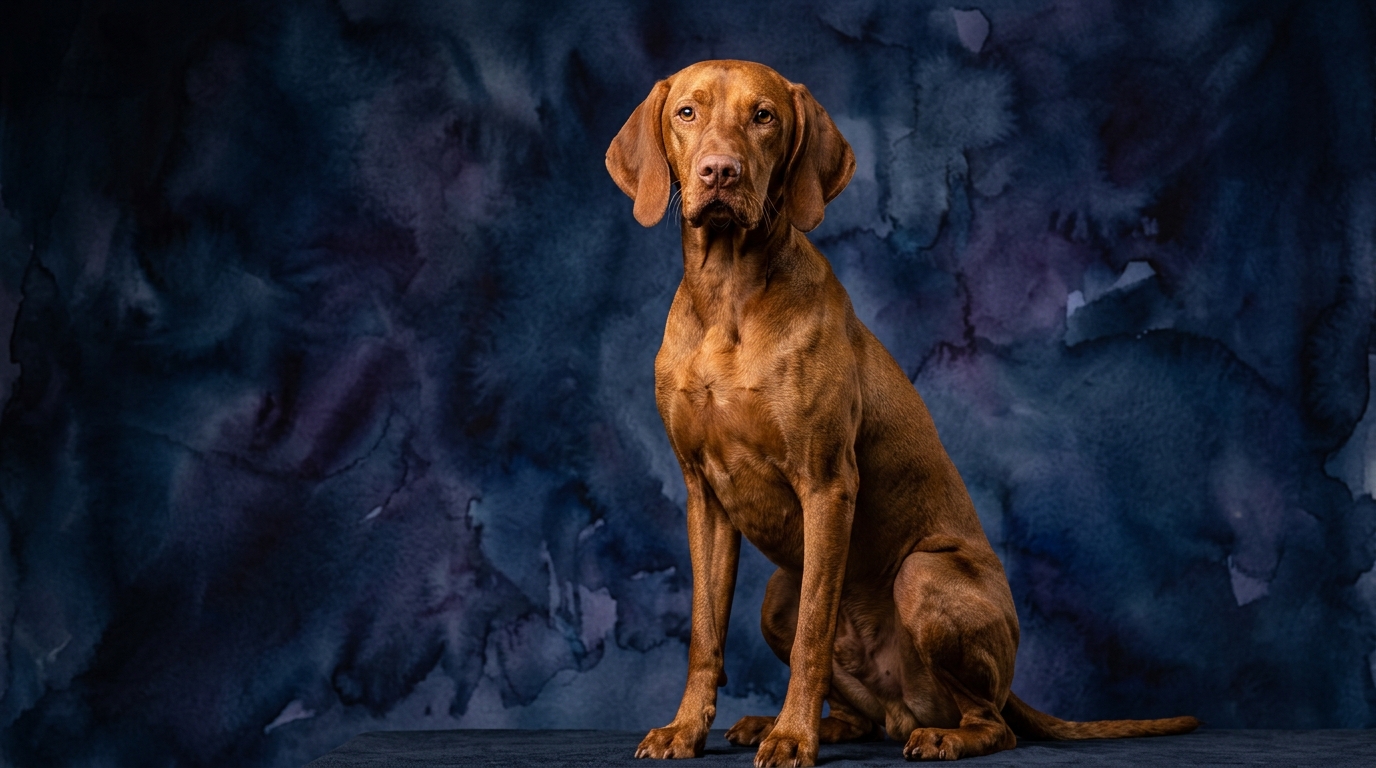
At The Cosmic Pet Pet IQ Lab, we evaluate canine cognition across five distinct dimensions. For the Vizsla, a Sporting group dog with a Coren rank of #31, its profile highlights a robust and cooperative intellect. Their Problem Solving is rated 4/5, indicating an ability to navigate complex situations with cleverness. Training Speed is also 4/5, showing they grasp new concepts with impressive alacrity. Social Intelligence stands at a remarkable 5/5, reflecting their exceptional ability to read and interact with human companions. Their Instinctive Drive is a powerful 5/5, compelling them towards purposeful activity, and their Memory is a solid 4/5, allowing for strong retention of learned behaviors. This combination paints a picture of a dog eager to engage and learn.
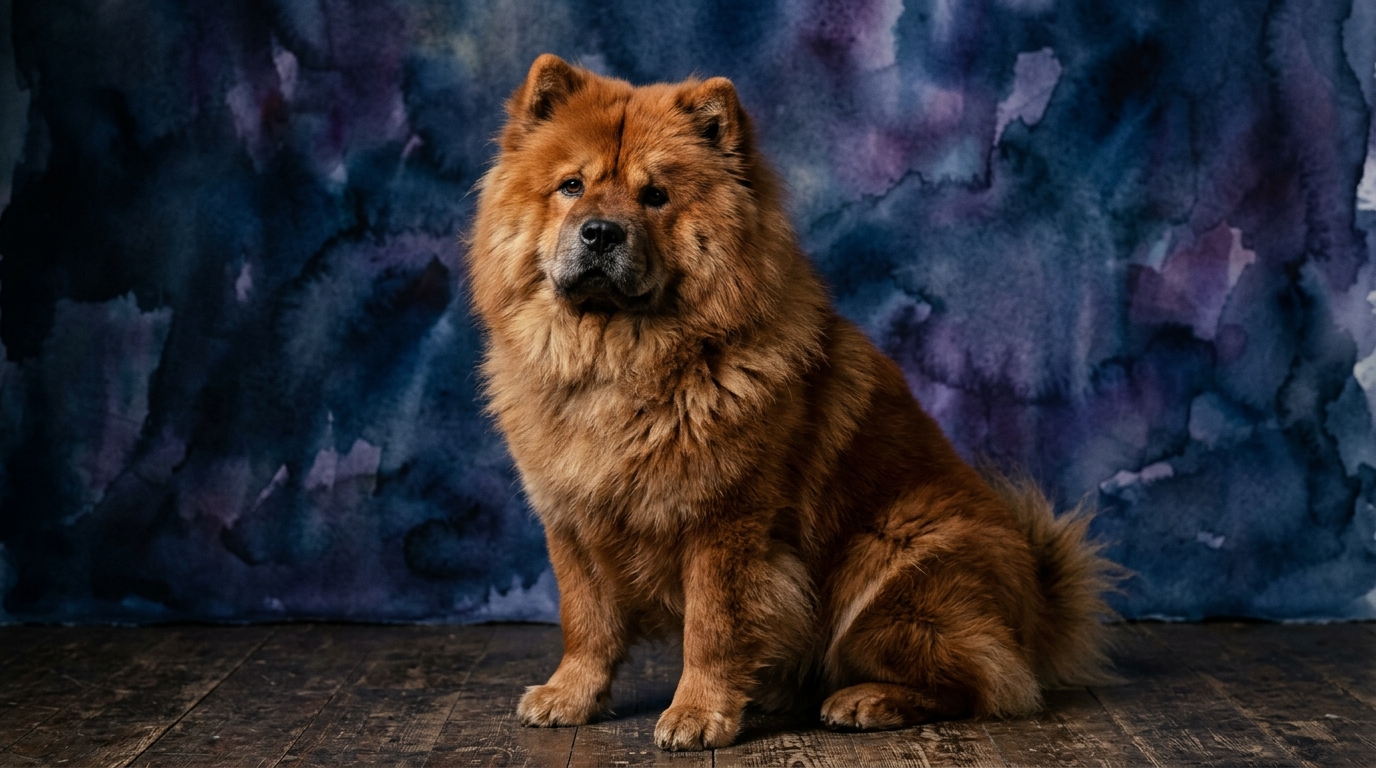
The Chow Chow, a Non-Sporting breed with a Coren rank of #76, presents a different cognitive landscape, characterized by independence and deliberate thought. Their Problem Solving is rated 3/5, indicating they can find solutions but often on their own terms. Training Speed is 3/5, suggesting a steady, rather than rapid, learning pace. Social Intelligence is 3/5, pointing to a reserved and discerning approach to interactions. Instinctive Drive is 3/5, leaning towards guardianship and quiet companionship rather than high-intensity tasks. Finally, their Memory is 3/5, functional for routines but perhaps less expansive for intricate sequences. These scores reflect a dog that is self-reliant and observant, with a distinct way of processing the world.
Where the Vizsla Excels Cognitively
The Vizsla's cognitive strengths shine brightly in scenarios demanding rapid adaptation and cooperative problem-solving. Their Problem Solving score of 4/5, combined with a remarkable 5/5 in Social Intelligence, means they are adept at understanding and collaborating with humans to achieve goals, often anticipating intentions. For instance, a Vizsla might quickly learn to open a specific type of latch through observation and trial-and-error, then consistently perform the action when prompted by their owner, demonstrating both individual insight and a willingness to work alongside a person. Their high Instinctive Drive (5/5) also means they are intrinsically motivated to engage with their environment and tasks, making them persistent and focused learners in active settings, whether tracking a scent or retrieving a thrown object. This drive is not merely physical; it fuels their mental engagement, pushing them to process information and react swiftly to changing stimuli. Furthermore, their superior Memory (4/5) allows them to build complex behavioral repertoires, remembering sequences of commands or intricate routes through varied terrain, which is invaluable in field work or advanced canine sports, allowing for consistent performance over time.
Where the Chow Chow's Cognition Shines
The Chow Chow's cognitive advantages manifest in areas emphasizing independent thought and discerning observation, traits honed by their historical roles as guardians and companions. While their Coren rank is lower, their unique mental architecture is perfectly suited for their historical role. Their Problem Solving (3/5) is not about speed but about deliberate, self-reliant solutions. A Chow Chow, when faced with a barrier, might take a longer time to assess the situation before deciding on a course of action, often preferring to find their own way rather than seeking immediate human guidance, such as patiently observing an escape route before attempting it. This reflects a deep-seated self-sufficiency that prioritizes internal logic. Their Social Intelligence (3/5) is characterized by a nuanced understanding of social boundaries and a keen ability to observe and interpret their immediate social circle without necessarily seeking constant interaction or affirmation. This can translate into a profound loyalty to their chosen family, coupled with a reserved, watchful demeanor towards strangers, where they subtly assess intentions rather than overtly engaging. Their instinctive drive (3/5), while not for hunting or retrieving, excels in quiet guardianship; they possess an inherent ability to assess potential threats and maintain a calm, watchful presence, relying on their internal judgment rather than external cues for validation. This cognitive profile means they excel in environments where steadfastness, independent judgment, and a quiet, dignified presence are valued over eager compliance.
Training Dynamics: Ease and Behavioral Differences
The Vizsla is generally much easier to train due to their superior scores in Training Speed (4/5) and Social Intelligence (5/5). They possess an innate desire to cooperate and please their human companions, making them highly receptive to instruction. Their strong memory allows them to quickly internalize commands, and their high instinctive drive means they are often eager to engage in activities that provide mental and physical stimulation, often viewing training as a collaborative game. For example, teaching a Vizsla a new trick might involve just a few repetitions before they grasp the concept and reliably perform the action, driven by positive reinforcement and the joy of working with their owner, eagerly awaiting the next cue. Their ability to read human body language and vocal cues also streamlines the training process, as they are attuned to subtle signals of approval or correction.
In contrast, the Chow Chow, with a Training Speed of 3/5 and Social Intelligence of 3/5, presents a different training experience. They are capable of learning, but their independent and sometimes aloof nature means they require more patience, consistency, and a clear understanding of their motivations. A Chow Chow might understand a command but choose not to execute it immediately if they don't perceive a compelling reason, if their independent streak is asserting itself, or if they are simply not in the mood for an immediate response. Training with a Chow Chow often involves building mutual respect and understanding, rather than relying solely on eager compliance. They respond best to fair, gentle, and consistent methods, often thriving when they feel they are making their own choices within a structured environment, rather than being forced. Their memory, while functional, might not retain complex sequences as readily, requiring more reinforcement over time and a clear, consistent routine.
Matching Breeds to Lifestyles: Active vs. Relaxed Owners
The Vizsla is an ideal companion for active owners who thrive on outdoor adventures and enjoy engaging in dog sports or extensive daily exercise. Their Instinctive Drive (5/5) means they have a profound need for physical and mental stimulation, making them excellent partners for running, hiking, biking, or participating in agility, obedience, and field trials. Owners who can dedicate significant time to training, interactive play, and providing outlets for their problem-solving abilities will find a Vizsla to be an incredibly fulfilling and engaged companion. Their high social intelligence also means they generally enjoy being a central part of family activities and can become distressed if left alone for long periods without sufficient interaction.
Conversely, the Chow Chow is a much better fit for relaxed owners who appreciate a more independent, dignified, and less demanding canine presence. While they still require regular, moderate exercise for their health, their Instinctive Drive (3/5) is not geared towards high-intensity activities. They are content with leisurely walks and quiet companionship, often preferring to observe their surroundings from a comfortable vantage point. Owners who value a dog with a reserved demeanor, who isn't constantly seeking attention or requiring complex tasks, will find the Chow Chow's calm presence and self-sufficient nature to be a perfect match. They are often described as having a cat-like independence, making them suitable for individuals or families who prefer a dog that is present but not overtly needy.
The Verdict
Select a Vizsla if you are an active individual or family seeking a highly engaged, cooperative, and mentally agile companion for outdoor pursuits, dog sports, and extensive daily interaction.
Opt for a Chow Chow if you appreciate a dignified, independent, and reserved canine friend who thrives in a calmer home environment with moderate exercise and a strong emphasis on mutual respect.
🧠 Find Your Pet's IQ Score
Our Pet IQ Lab assessment covers 25+ tests across 5 cognitive dimensions — personalized to your breed.
Take the Full IQ Test →Frequently Asked Questions
Do Vizslas need a lot of mental stimulation?
Yes, Vizslas require substantial mental stimulation to prevent boredom and destructive behaviors. Their high problem-solving and instinctive drive scores mean they thrive on puzzles, training games, and learning new skills that challenge their keen minds.
Are Chow Chows good family dogs?
Chow Chows can be excellent family dogs for the right household, particularly those that understand and respect their independent and reserved nature. They typically bond very strongly with their immediate family but may be aloof with strangers and require early, consistent socialization.
How do their Coren ranks reflect their intelligence?
The Coren rank, based on working and obedience intelligence, places Vizslas significantly higher (#31) than Chow Chows (#76), reflecting the Vizsla's greater ease and speed in understanding and executing commands. However, it's important to remember Coren's focus on obedience, not all forms of cognitive ability.