Side-by-Side IQ Profile
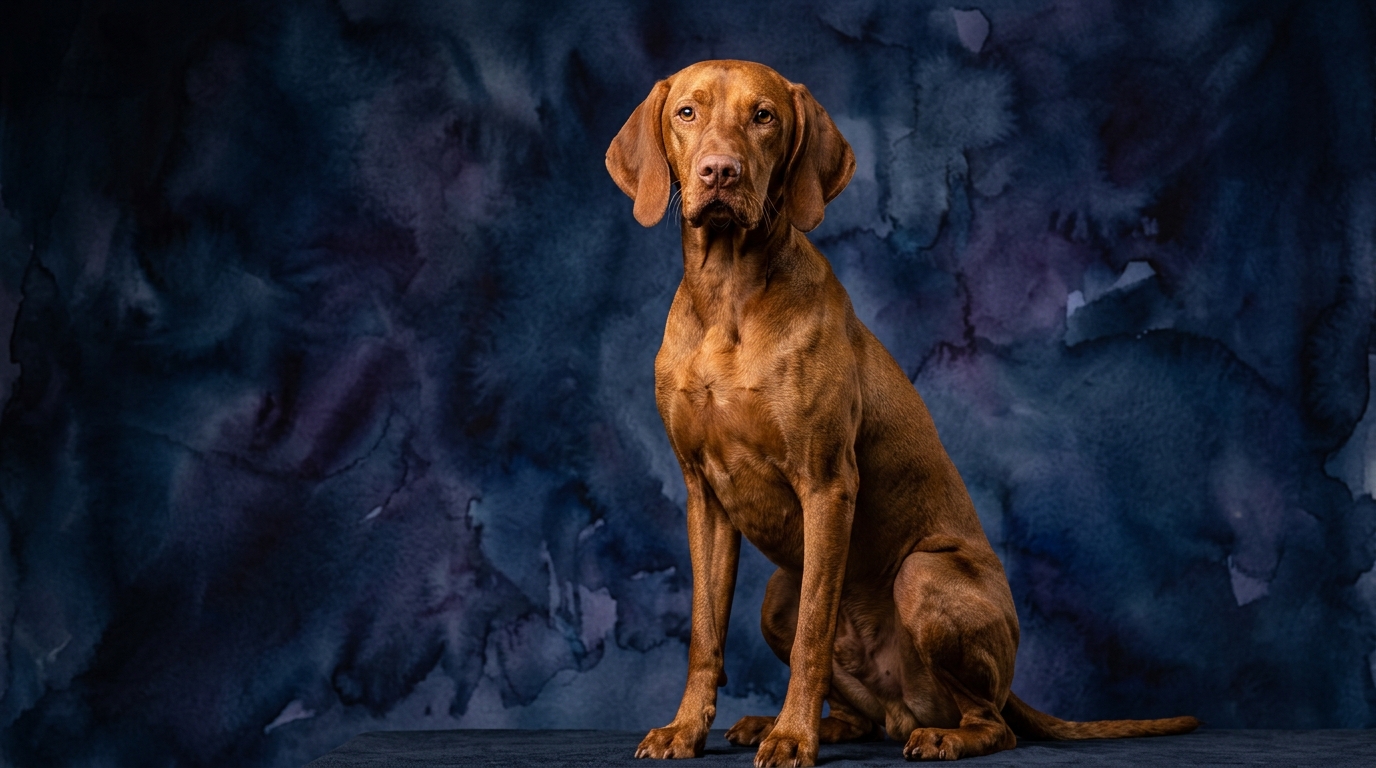
The Cosmic Pet Pet IQ Lab employs a five-dimensional model to assess canine intelligence, offering a nuanced view beyond simplistic rankings. For the Vizsla, a Sporting Group dog, we observe a Coren rank of #31, positioning it well within the top tier of working dogs. Its Problem Solving is rated 4/5, indicating a strong capacity to figure out complex tasks and navigate new situations effectively. Training Speed also sits at 4/5, reflecting its quick uptake of new commands and routines. Social Intelligence is a standout at 5/5, showcasing an exceptional ability to read human cues and adapt its behavior to its environment and companions. Instinctive Drive, rated 5/5, highlights its powerful innate talents for pointing, retrieving, and sustained work ethic. Finally, its Memory is 4/5, signifying robust retention of learned behaviors and environmental details.
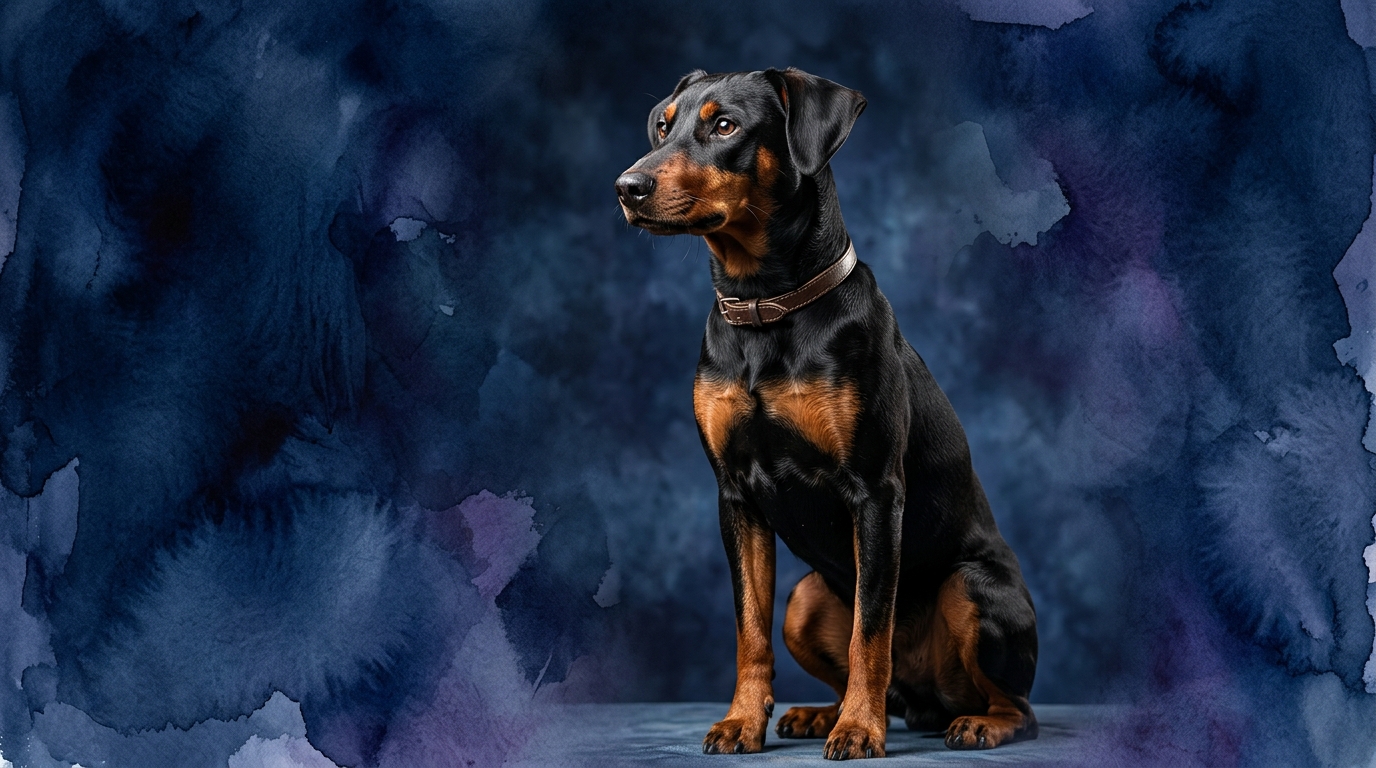
The German Pinscher, a member of the Working Group, does not have a Coren ranking, but our IQ Lab assessment provides insight into its cognitive makeup. Its Problem Solving ability is rated 3/5, suggesting it can solve straightforward challenges and adapt, though perhaps requiring more guidance than a Vizsla. Training Speed is 3/5, indicating a moderate pace of learning new commands, necessitating consistent instruction. Social Intelligence is 3/5; while capable of forming strong bonds, it may not exhibit the same level of emotional attunement or constant desire for collaboration. Instinctive Drive is also 3/5, reflecting natural guarding instincts and a desire to chase small prey, manifesting as vigilance. Its Memory is rated 3/5, demonstrating a solid ability to recall routines and commands with regular reinforcement.
Where the Vizsla Wins Cognitively
The Vizsla's superior social intelligence (5/5 compared to the German Pinscher's 3/5) provides a distinct cognitive edge in cooperative learning and understanding human intent. This means a Vizsla is more prone to anticipating its owner's desires, interpreting subtle body language, and adjusting its actions to foster a deep partnership. This attunement translates into a dog that often feels like it's reading your mind, making complex teamwork effortless. Their powerful instinctive drive (5/5 vs. 3/5) also means they channel their natural urges into highly focused, task-oriented behaviors. This makes them exceptional at intricate scent work, retrieving, and agility courses where sustained attention to a specific goal is crucial. Their problem-solving capacity (4/5 vs. 3/5) frequently manifests as a quicker route to figuring out new puzzles or adapting to novel training scenarios without extensive trial and error, often displaying a creative approach to overcome obstacles.
Where the German Pinscher Wins Cognitively
While the German Pinscher's individual IQ scores might appear lower numerically, its cognitive strengths are rooted in qualities reflecting its independent and vigilant nature. Its problem-solving ability (3/5) is often geared towards self-preservation and resourcefulness, such as strategically finding ways to access desired objects or identifying potential threats in its environment. This practical problem-solving is less about pleasing a handler and more about achieving its own objectives or ensuring security. The German Pinscher's instinctive drive (3/5), though scored lower than the Vizsla's hunting drive, is robustly expressed in its territorial awareness and protective instincts. This requires a constant processing of environmental cues for potential intruders or changes, demanding a unique kind of cognitive processing focused on assessment and quick, independent reaction rather than cooperative execution. They excel in observational learning related to their surroundings and can make autonomous decisions based on their interpretation of a situation, showcasing a resilient and self-reliant intellect.
Which is Easier to Train and Why
The Vizsla is generally considered easier to train due to its higher scores in social intelligence (5/5) and training speed (4/5). Their inherent desire to please and collaborate with their human companion makes them highly motivated by positive reinforcement and actively eager to understand commands. They absorb new concepts with remarkable speed, often requiring minimal repetitions before a behavior is ingrained, and their strong memory (4/5) helps solidify learned actions over time. This breed flourishes with intricate training routines and excels in disciplines like obedience, field trials, and agility, where a profound, communicative partnership with the handler is paramount.
The German Pinscher, with scores of 3/5 in both training speed and social intelligence, demands a more patient, consistent, and confident training approach. While perfectly capable of mastering a wide array of commands, they might require more repetitions and a stronger, varied incentive to engage fully. Their independent streak means they may occasionally question commands or prefer to act on their own judgment, especially if they perceive a task as lacking clear purpose or immediate reward. Training a German Pinscher often involves establishing clear boundaries, using consistent positive reinforcement, and maintaining a firm yet fair leadership to effectively channel their assertive and sometimes opinionated nature.
Which Suits Active Owners vs. Relaxed Owners
The Vizsla is unequivocally suited for active owners. Their profound instinctive drive (5/5) and immense need for physical and mental engagement mean they require substantial daily exercise—not just a stroll, but vigorous activities like running, hiking, swimming, or mentally stimulating tasks such as advanced scent work or agility training. Owners who genuinely enjoy outdoor adventures and are prepared to integrate their dog into a demanding, active lifestyle will discover a Vizsla to be an eager, tireless, and highly rewarding companion. A truly relaxed or sedentary owner will quickly find themselves with a bored, under-stimulated, and potentially destructive Vizsla.
The German Pinscher also benefits significantly from an active lifestyle, but their specific needs are somewhat different. While they relish vigorous play, long walks, and opportunities to explore, their instinctive drive (3/5) is less about sustained, high-energy output for a specific task and more about patrolling, investigating, and engaging in bursts of activity. They are adaptable and can thrive with regular, substantial exercise, but might also be content with a good run followed by mental stimulation at home, such as puzzle toys, interactive games, or focused training sessions. A relaxed owner might manage a German Pinscher if they are deeply committed to daily structured activity and consistent mental engagement, understanding that 'relaxed' does not equate to a lack of routine or exercise. They are not a dog content to be a mere couch potato, but their energy can be channeled into more varied activities than just continuous, high-intensity running.
The Verdict
Select a Vizsla if you are an exceptionally active individual or family seeking a highly cooperative, emotionally attuned companion for demanding outdoor pursuits and complex training challenges. Their eagerness to please and work alongside you makes them a profound partner in sports and adventures.
Opt for a German Pinscher if you appreciate an independent, vigilant companion with a strong sense of purpose, are prepared for consistent, firm training, and can provide structured exercise balanced with mental engagement. They thrive with owners who understand their assertive nature and value their protective instincts.
🧠 Find Your Pet's IQ Score
Our Pet IQ Lab assessment covers 25+ tests across 5 cognitive dimensions — personalized to your breed.
Take the Full IQ Test →Frequently Asked Questions
Is the Vizsla truly more affectionate than the German Pinscher?
The Vizsla's high social intelligence score (5/5) indicates a profound emotional attunement and a strong desire for companionship, often manifesting as intense affection and a 'velcro' personality. While German Pinschers (3/5) form strong bonds, their expression of affection might be more discerning and less outwardly demonstrative, reflecting their independent nature.
Can a German Pinscher be a good family dog despite its lower social intelligence score?
Yes, a German Pinscher can be an excellent family dog, especially with proper socialization from a young age and consistent training. Their social intelligence score (3/5) suggests they are observant and capable of bonding, but they might be more reserved with strangers and require clear guidance on interacting with children, emphasizing their need for structure and a confident leader.
Do both breeds require similar amounts of mental stimulation?
Both breeds require significant mental stimulation, but the type differs. Vizslas thrive on complex problem-solving, multi-step commands, and scent work, leveraging their cooperative nature and high instinctive drive. German Pinschers benefit from puzzle toys, obedience work, and activities that engage their vigilance and independent thought, challenging their resourcefulness rather than solely their cooperative spirit.