Side-by-Side Cognitive Profiles
Our Cosmic Pet Pet IQ Lab assesses canine cognition across five key dimensions: Problem Solving, Training Speed, Social Intelligence, Instinctive Drive, and Memory. These metrics, alongside the breed's Coren rank, provide a comprehensive picture of how each dog processes information, learns, and interacts with its environment and people. While both the Vizsla and Giant Schnauzer demonstrate impressive abilities, their specific strengths paint distinct portraits of their inner workings.
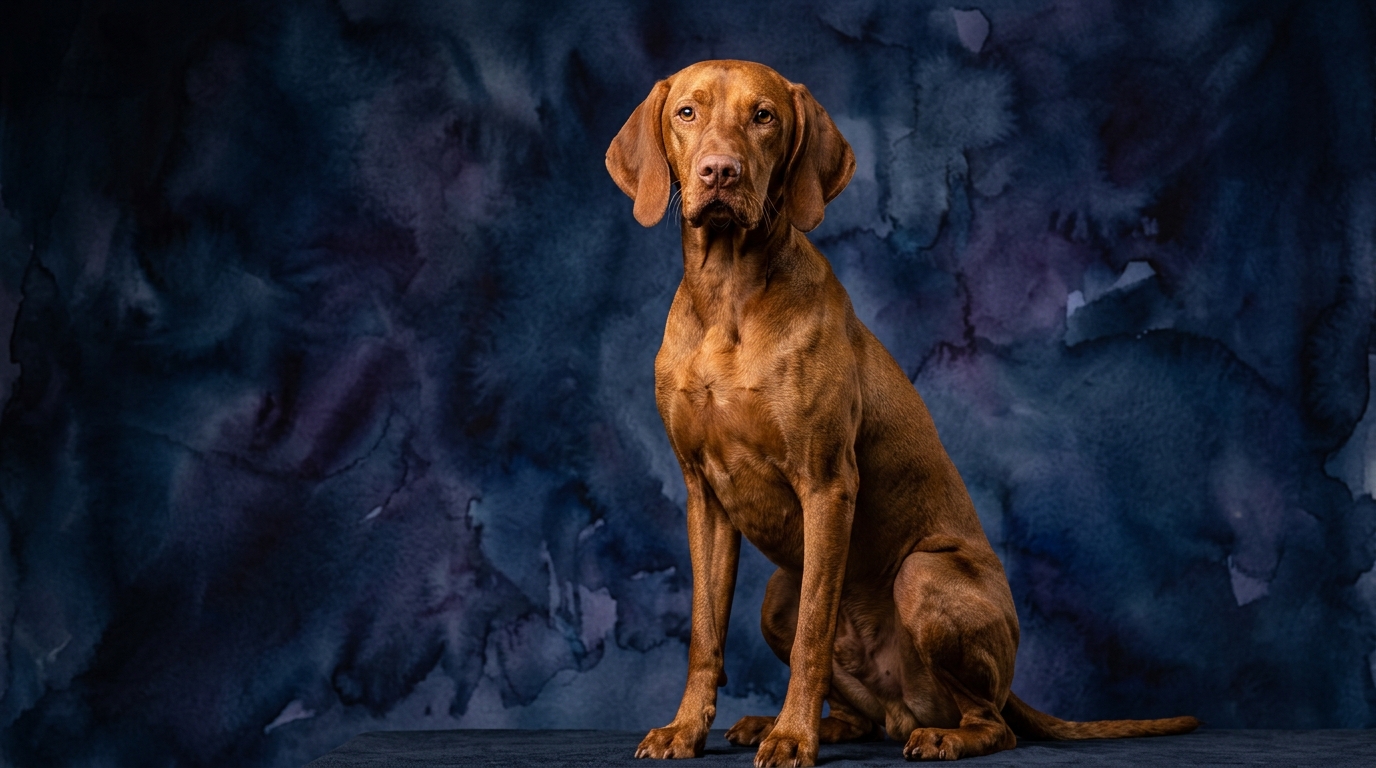
The Vizsla, a Sporting Group member with a Coren rank of #31, showcases a balanced yet exceptionally relationally-driven cognitive profile. They score 4/5 in Problem Solving, indicating a strong capacity for navigating challenges and finding pathways to desired outcomes, often with a flair for creative solutions. Their Training Speed also rates 4/5, reflecting a quick uptake of new commands and routines, particularly when engaged with positive and interactive methods. Where the Vizsla truly shines is in Social Intelligence, earning a perfect 5/5 for their profound attunement to human emotions and cues, fostering deep, intuitive bonds. Their Instinctive Drive is equally potent at 5/5, manifesting as a powerful desire for retrieving, tracking, and collaborative field work. Finally, their Memory stands strong at 4/5, ensuring good retention of learned behaviors and experiences.
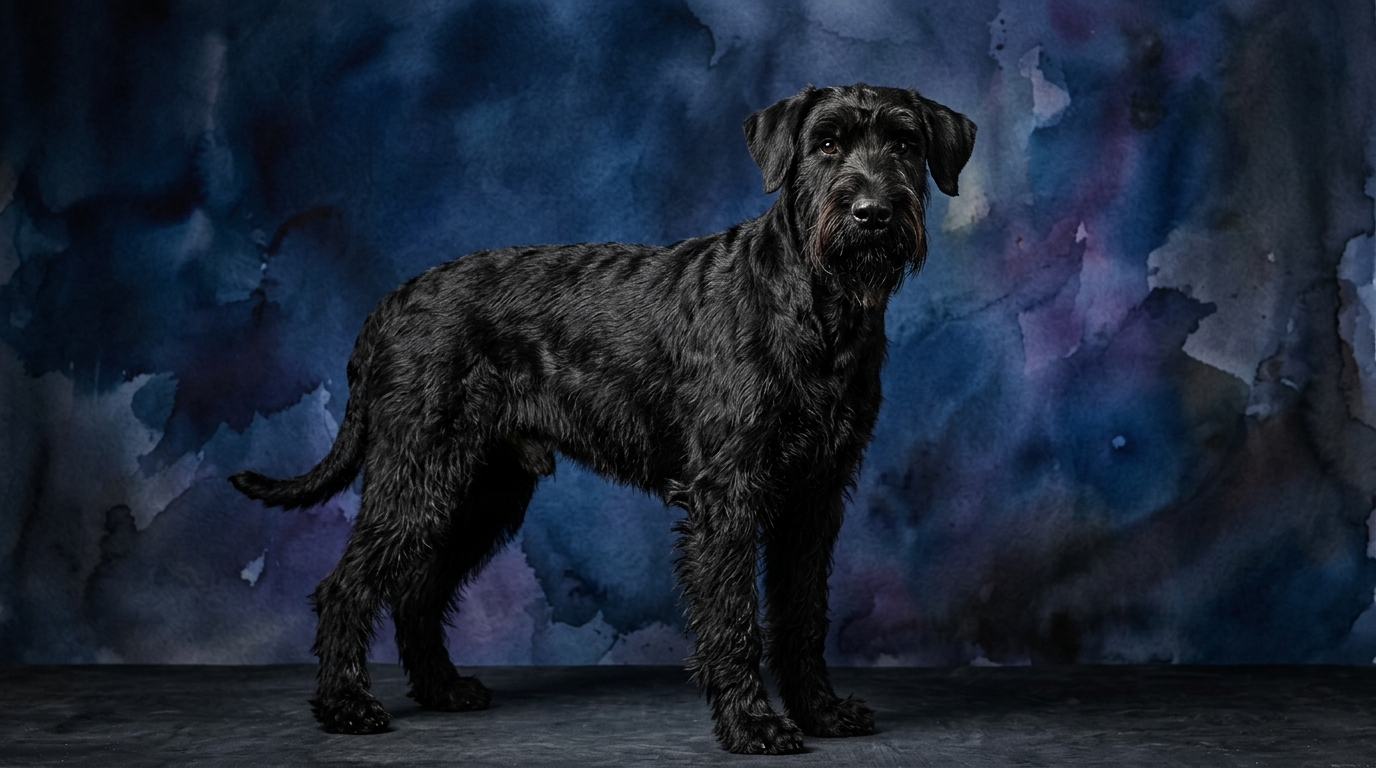
In contrast, the Giant Schnauzer, from the Working Group and ranking slightly higher at Coren #28, presents a profile marked by purposeful determination and loyalty. Their Problem Solving ability matches the Vizsla at 4/5, demonstrating a robust capacity for tackling complex tasks with focus and tenacity. Training Speed is also comparable at 4/5, indicating efficient learning when presented with consistent, structured guidance. However, their Social Intelligence is rated 3/5; while deeply loyal to their inner circle, they are more reserved and discerning with strangers, prioritizing specific bonds over broad social engagement. Their Instinctive Drive, at 3/5, is geared towards protection, vigilance, and purposeful work rather than the Vizsla's pure prey pursuit, leading to a steadfast, territorial nature. Their Memory, like the Vizsla's, is solid at 4/5, allowing for excellent retention of training and established boundaries.
Comparing these profiles directly, we observe shared strengths in fundamental learning and retention, with both breeds possessing commendable Problem Solving, Training Speed, and Memory scores. The most significant divergences appear in Social Intelligence and Instinctive Drive, which shape their differing approaches to engagement, work, and their roles within a human family. These distinctions are pivotal in understanding their overall cognitive makeup and suitability for various lifestyles.
Where the Vizsla Wins Cognitively
The Vizsla's most pronounced cognitive advantages lie in its exceptional Social Intelligence (5/5) and its potent Instinctive Drive (5/5). This breed possesses an almost unparalleled ability to read human emotions and intentions, making them incredibly intuitive partners. This high social acumen means they are not just responding to commands, but often anticipating their handler's next move, eager to collaborate and form a 'velcro' bond that makes them feel like an extension of their person. Their desire for connection translates into a profound willingness to please, making them highly receptive to interaction-based training and deeply integrated into family dynamics.
Furthermore, the Vizsla's powerful Instinctive Drive is geared towards active partnership, specifically retrieving and working alongside humans in sporting contexts. This isn't just a physical drive; it's a cognitive inclination to engage in tasks that foster teamwork and shared goals. Their problem-solving skills are often applied to finding and retrieving objects, navigating terrain with purpose, and maintaining focus on a task in dynamic environments, all while maintaining a keen awareness of their handler. This blend of social sensitivity and directed drive makes them extraordinarily adaptable and eager participants in almost any activity involving their human companions.
Where the Giant Schnauzer Wins Cognitively
The Giant Schnauzer's cognitive strengths, while different from the Vizsla's, are equally compelling, particularly in their focused determination and application of their working drives. While their Social Intelligence is rated lower (3/5), this doesn't signify a lack of loyalty, but rather a more discerning and less broadly social approach. This can translate into a cognitive advantage in specific working scenarios, allowing them to remain less distracted by external social cues and more intently focused on a task or their perceived duty. Their Problem Solving (4/5) and Training Speed (4/5) are applied with a tenacity and resilience that stems from their working heritage, enabling them to excel in structured, purpose-driven roles.
The Giant Schnauzer's Instinctive Drive (3/5), though numerically lower than the Vizsla's, is profoundly effective in its specific manifestation: protection, guarding, and vigilance. This drive fuels a steadfastness and territorial awareness that makes them formidable and reliable guardians. Their Coren rank of #28, slightly higher than the Vizsla's #31, reflects their historical capacity for complex obedience and problem-solving within a disciplined working framework, often requiring a degree of independent thought and resilience under pressure. They excel at tasks demanding mental fortitude and consistent execution, demonstrating a robust cognitive architecture built for purposeful engagement and protective duties.
Training Dynamics: Vizsla vs. Giant Schnauzer
When considering ease of training, both breeds score identically in Training Speed (4/5), suggesting they grasp new commands efficiently. However, the 'why' behind their trainability, and thus the *approach* to training, differs significantly due to their distinct social intelligence and instinctive drives. The Vizsla's exceptional Social Intelligence and powerful Instinctive Drive for partnership make them incredibly eager to please and highly responsive to positive reinforcement, especially when it involves interaction and shared activity. They thrive on being 'part of the team' and often view training as a collaborative game, making them highly biddable and quick to offer behaviors they believe their handler desires.
The Giant Schnauzer, while equally capable of learning quickly, approaches training with a different cognitive bias. Their lower Social Intelligence means they might be less inherently motivated by broad social approval and more by clear, consistent leadership and the fulfillment of a task. Their Instinctive Drive for purpose and protection means training should be structured, firm, and fair, emphasizing boundaries and clear expectations. They respect consistency and respond well to an owner who can confidently guide them, rather than relying solely on effusive praise. While they learn commands just as fast, their internal motivation might be more about achieving a task and fulfilling a role, requiring a trainer who understands their need for structure and purpose.
Matching Breeds to Lifestyles: Active vs. Purposeful Owners
Neither the Vizsla nor the Giant Schnauzer is suited for a truly 'relaxed' owner; both breeds possess robust cognitive and physical needs that demand significant engagement. The Vizsla is the quintessential companion for an intensely active and *interactive* owner. Their high Social Intelligence and profound Instinctive Drive mean they crave constant companionship and involvement in every aspect of their human's life. They are ideal for individuals or families who want a running partner, a hiking buddy, a dog for competitive dog sports like agility or hunt tests, and who relish a 'velcro dog' that thrives on shared experiences. An owner who can provide consistent, varied mental and physical challenges, always with a strong relational component, will find a Vizsla an unparalleled partner.
The Giant Schnauzer, while also requiring an active owner, appeals more to those who appreciate a dog with purpose and structure. Their cognitive profile, emphasizing focused problem-solving and a protective drive, suits owners who are active and confident leaders, capable of providing clear direction and outlets for their robust working tendencies. They excel in activities like advanced obedience, protection work, or agility, where their determination and resilience can shine. They are less likely to be a constant shadow like the Vizsla, but will be fiercely loyal and protective within their defined family unit, making them suitable for owners who value a strong, capable guardian and partner in structured, demanding activities.
The Verdict: When to Choose Each
The Verdict
Choose the Vizsla if you seek an intensely social, highly interactive companion eager for shared sporting adventures and deep emotional connection, thriving on constant human engagement.
Opt for the Giant Schnauzer if you desire a steadfast, purposeful working dog, valuing structure, protection, and a resilient partner for demanding tasks and consistent training, rather than constant social overtures.
🧠 Find Your Pet's IQ Score
Our Pet IQ Lab assessment covers 25+ tests across 5 cognitive dimensions — personalized to your breed.
Take the Full IQ Test →Frequently Asked Questions
Which breed is better for first-time dog owners?
Neither breed is typically recommended for first-time owners due to their high energy, strong drives, and need for consistent training. However, a Vizsla might be slightly more forgiving if the owner is committed to intensive engagement, given its eagerness to please and high social drive.
Do Vizslas or Giant Schnauzers bark more?
Both breeds can be vocal, but for different reasons. Vizslas may bark or 'talk' more out of excitement or to solicit attention and interaction, while Giant Schnauzers tend to bark more as an alert or territorial warning, reflecting their guarding instincts and protective nature.
Are these breeds good with children?
With proper socialization and training, both can be good family dogs. Vizslas are often very gentle and playful but can be boisterous and 'mouthy' in play. Giant Schnauzers are loyal protectors but might be more reserved and require careful supervision with very young children due to their size and working temperament, valuing personal space.