Side-by-Side IQ Profile: Vizsla vs. Greyhound
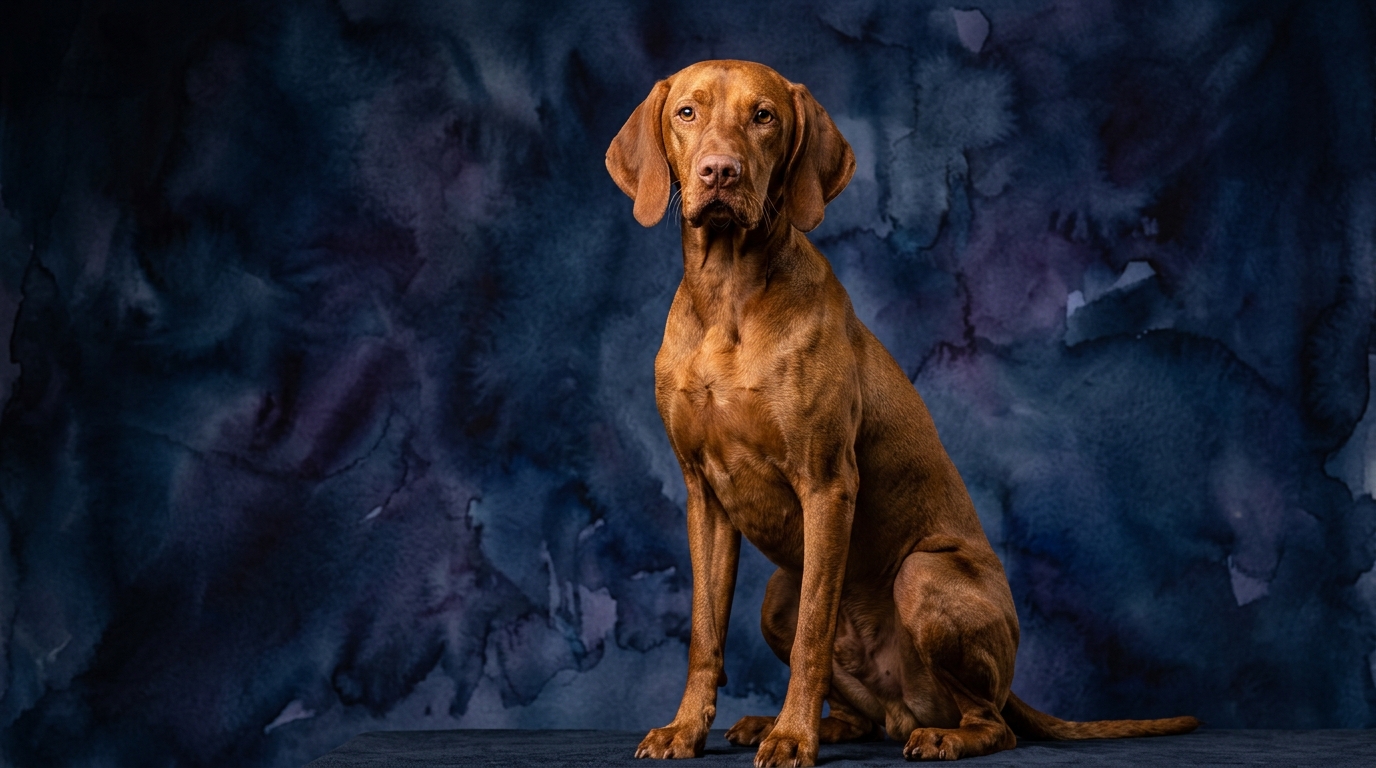
The Vizsla, a Hungarian Sporting dog, holds a Coren rank of #31, reflecting a highly capable mind. In problem solving, they score 4/5, indicating an aptitude for deciphering complex tasks and adapting strategies to new challenges, often displaying cleverness in navigating their environment. Their training speed is also 4/5, showcasing a readiness and eagerness to learn new commands and routines with impressive efficiency. Social intelligence is where the Vizsla truly shines, earning a perfect 5/5; they are exceptionally perceptive of human emotions and intentions, fostering deep, intuitive bonds with their families. Their instinctive drive registers a 5/5, a testament to their strong inherent desire for scent work, retrieving, and working closely with humans in a sporting capacity. Finally, their memory stands at 4/5, allowing them to retain a significant repertoire of learned behaviors, commands, and associations over time.
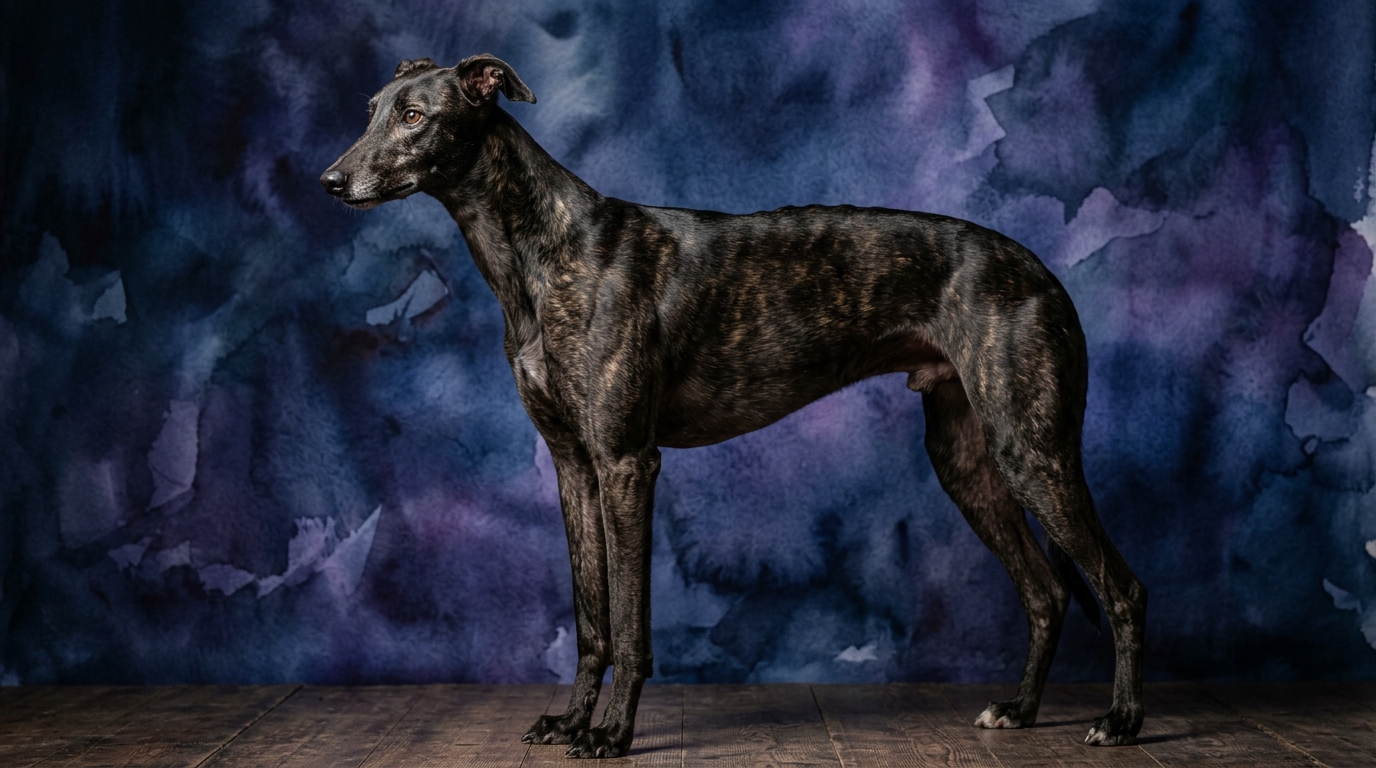
In contrast, the Greyhound, an ancient Hound breed, is ranked #46 by Coren, suggesting a different cognitive profile. For problem solving, they receive a 3/5, meaning they can address straightforward issues but may not exhibit the same innovative approach to multi-step puzzles as some breeds. Their training speed is 2/5; while capable of learning, Greyhounds often require more consistent repetition and patience, as their independent nature can sometimes overshadow a desire for immediate compliance. Social intelligence is rated 3/5; Greyhounds form strong, affectionate bonds with their inner circle but can be more reserved or less overtly expressive with strangers, preferring a calm, familiar social environment. Their instinctive drive, like the Vizsla, is a powerful 5/5, but this is overwhelmingly characterized by their sighthound heritage – an intense, visually triggered prey drive focused on pursuit. Their memory score is 3/5, indicating they remember routines and commands, though perhaps requiring more reinforcement for complex sequences than breeds with higher scores in this dimension.
Where the Vizsla Excels Cognitively
The Vizsla's cognitive strengths are particularly evident across multiple dimensions, setting them apart in areas demanding nuanced interaction and proactive engagement. Their 4/5 problem-solving ability means they are not simply reactive; they actively engage with their environment, attempting various solutions to overcome obstacles. This might manifest in quickly figuring out how to open a child-proof gate or devising a method to retrieve a favorite toy from a tight spot, demonstrating genuine ingenuity rather than brute force. Their training speed, also a 4/5, stems from a combination of quick comprehension and a strong desire to collaborate. They grasp new concepts rapidly, often needing fewer repetitions to master complex sequences of commands, making them highly adaptable to advanced obedience, agility, or field work. The Vizsla's social intelligence, a perfect 5/5, is perhaps their most distinguishing cognitive advantage. They possess an uncanny ability to read and respond to human emotions, often anticipating needs or moods without explicit cues. This profound sensitivity creates an exceptionally tight bond, making them highly responsive to subtle changes in their owner's demeanor and fostering a deep, empathetic connection. Finally, their 4/5 memory ensures that once a behavior or lesson is learned, it is retained effectively, allowing for consistent performance and the ability to build upon prior training with ease, whether recalling specific routes during a hike or remembering a complex series of hand signals.
Where the Greyhound Shines Cognitively
While the Vizsla excels in areas of complex interaction and problem-solving, the Greyhound's cognitive prowess is deeply specialized, particularly in its instinctive drive. Both breeds score 5/5 in this category, but the Greyhound's manifestation is unique and profoundly effective. Their 5/5 instinctive drive is a testament to millennia of selective breeding for speed and visual acuity, creating an unparalleled sighthound. This isn't just a general prey drive; it's a highly refined cognitive function that allows them to process visual stimuli at astonishing speeds, instantly identifying and tracking moving objects with laser-like focus. Their brain prioritizes immediate, decisive action based on visual input, translating into explosive bursts of speed and precision in pursuit. This specialized cognitive strength means they excel in situations where rapid visual processing and unhesitating physical response are paramount, showcasing an ancient, efficient form of intelligence perfectly suited to their historical role as hunters of fast-moving game across open terrains.
Training Dynamics: Vizsla vs. Greyhound
When considering ease of training, the Vizsla generally presents a more straightforward path for most owners. Their high training speed (4/5) combined with exceptional social intelligence (5/5) means they are inherently motivated to work alongside their human companions and quickly grasp new concepts. A Vizsla often learns a new command in just a few repetitions, not merely memorizing the action but understanding the desired outcome and the reward associated with compliance. For instance, teaching a Vizsla a complex “stay” command amidst distractions is often smoother because they are actively seeking to please and are highly attuned to their handler's cues and expectations. Their problem-solving ability further aids in training, as they can generalize learned behaviors to new situations, making them excellent candidates for advanced obedience, agility, or field work.
The Greyhound, conversely, can be more challenging to train, primarily due to their lower training speed (2/5) and a more independent social intelligence (3/5). While they are capable of learning, Greyhounds often require significantly more patience and consistent repetition. Their motivation stems less from an eager-to-please mentality and more from their own comfort or intrinsic rewards. Their powerful instinctive drive (5/5) can also be a significant hurdle; the sight of a squirrel or a distant movement can instantly override any learned command, making off-leash recall particularly difficult in unfenced areas. Teaching a Greyhound to reliably come when called in a park, for example, demands a much higher level of dedication and management compared to a Vizsla, as their deeply ingrained chase instinct is a potent distraction. Training sessions need to be short, positive, and engaging, respecting their independent spirit rather than demanding unwavering compliance.
Matching Breeds to Lifestyles: Active vs. Relaxed Owners
For active owners seeking a dynamic and engaged companion, the Vizsla is an ideal match. Their robust instinctive drive (5/5), combined with high problem-solving skills (4/5) and an energetic temperament, means they thrive on constant physical and mental stimulation. These dogs require significant daily exercise, often enjoying activities like long runs, hiking, agility, scent work, or field trials. An owner who can channel their boundless energy and cognitive abilities into purposeful activities will find a Vizsla to be an incredibly rewarding and well-adjusted partner, preventing boredom that can lead to undesirable behaviors. They are not dogs content with a quick walk around the block; they demand an active lifestyle that matches their own zest for life.
Conversely, the Greyhound is often a superb fit for more relaxed owners. Despite their reputation as racing athletes, Greyhounds are famously known as “50 mph couch potatoes.” While they absolutely need opportunities for short, intense bursts of running in a safe, fenced environment to satisfy their powerful instinctive drive, they are otherwise remarkably calm and quiet indoors. Their lower demand for continuous mental stimulation (problem solving 3/5, social intelligence 3/5) compared to a Vizsla means they are content with long naps on the sofa, enjoying quiet companionship. An owner who appreciates an elegant, low-key house dog that requires specific, yet manageable, exercise rather than constant interaction and engagement will find the Greyhound to be a delightful and affectionate addition to their home.
The Verdict
Choose the Vizsla if you are an active individual or family seeking a highly engaged, biddable partner for demanding activities, valuing a deep social bond and a dog that thrives on complex mental and physical challenges.
Opt for the Greyhound if you desire a calm, elegant house dog that enjoys brief bursts of speed and long periods of rest, appreciating an independent yet affectionate nature and a relatively low-maintenance indoor temperament.
🧠 Find Your Pet's IQ Score
Our Pet IQ Lab assessment covers 25+ tests across 5 cognitive dimensions — personalized to your breed.
Take the Full IQ Test →Frequently Asked Questions
Do Vizslas need a lot of mental stimulation?
Absolutely, Vizslas thrive on mental engagement. Their high problem-solving and social intelligence mean they require regular stimulation through training, interactive puzzle toys, and varied activities to keep their minds occupied and prevent boredom. Without adequate mental outlets, they can become restless or develop undesirable coping behaviors.
Are Greyhounds good apartment dogs despite their speed?
Surprisingly, many Greyhounds adapt exceptionally well to apartment living. While they possess incredible speed and need opportunities for safe, off-leash running in a securely fenced area, they are generally calm and quiet indoors, preferring long naps on a soft bed to constant activity, making them suitable for smaller spaces if their exercise needs are met.
How do their prey drives differ in daily life?
A Vizsla's strong instinctive drive (5/5) often manifests as a keen interest in birds or small game, coupled with a desire to work alongside their handler in scenting or retrieving tasks, making them very trainable for sporting pursuits. A Greyhound's equally strong instinctive drive (5/5) is typically a powerful, immediate visual chase response to anything moving quickly, making off-leash walks in unfenced or uncontrolled environments risky due to their speed and single-minded focus on pursuit.