Side-by-Side Cognitive Profiles
The Cosmic Pet Pet IQ Lab employs a comprehensive five-dimensional framework to assess canine intelligence, moving beyond simple obedience to understand the depth of a breed's cognitive capabilities. This allows us to paint a detailed picture of what makes each breed unique in its mental approach.
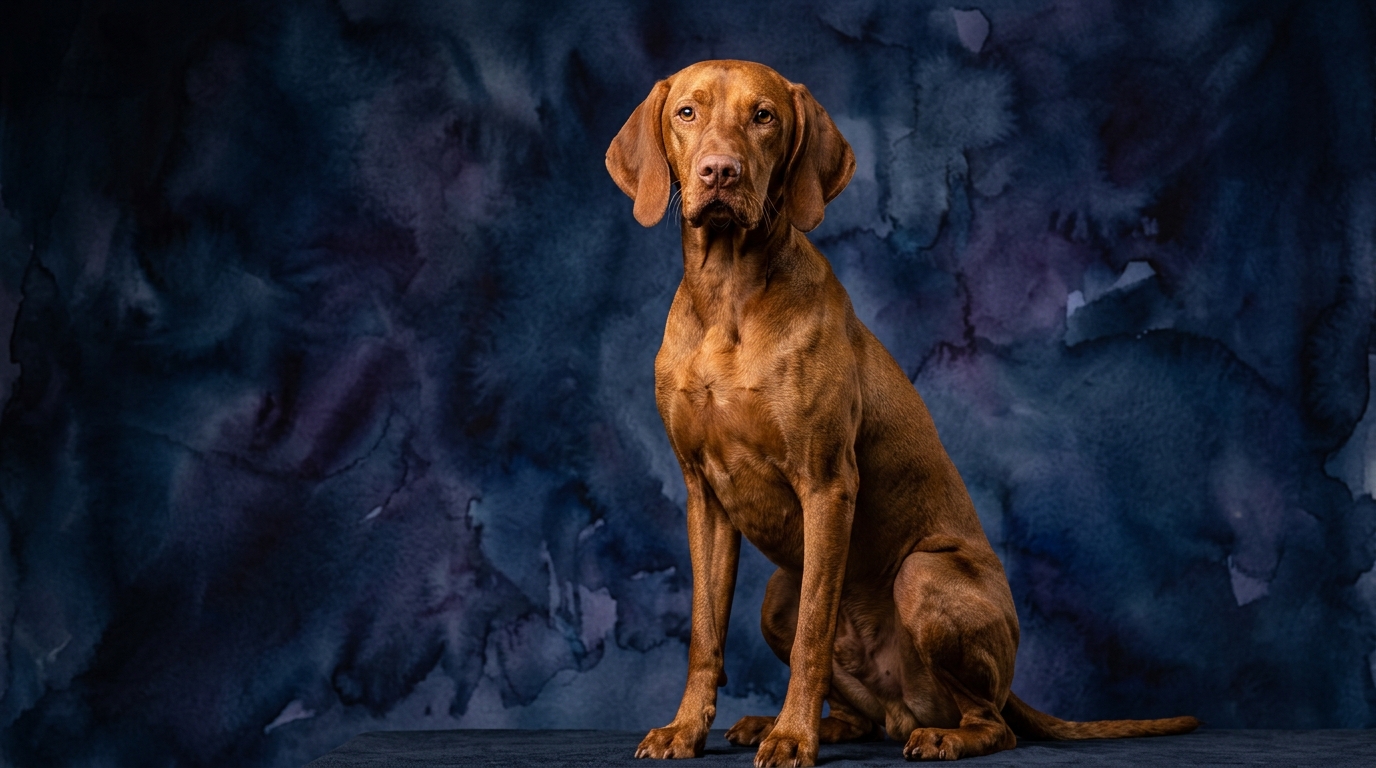
The Vizsla, a Sporting breed, demonstrates a well-rounded and elevated cognitive profile. Their Problem Solving score of 4/5 indicates a capacity for adaptable thinking, allowing them to navigate complex environments and figure out novel challenges with relative ease. Training Speed, also at 4/5, highlights their quick grasp of new commands and eagerness to learn, making them highly receptive students. Where they truly shine is in Social Intelligence, scoring a perfect 5/5, signifying an exceptional ability to read human emotions, intentions, and subtle cues, fostering deep companionship. An Instinctive Drive of 5/5 points to their profound intrinsic motivation for work, particularly in activities requiring focus, stamina, and interaction. Finally, their Memory at 4/5 ensures they retain learned behaviors and experiences effectively, building on past knowledge.
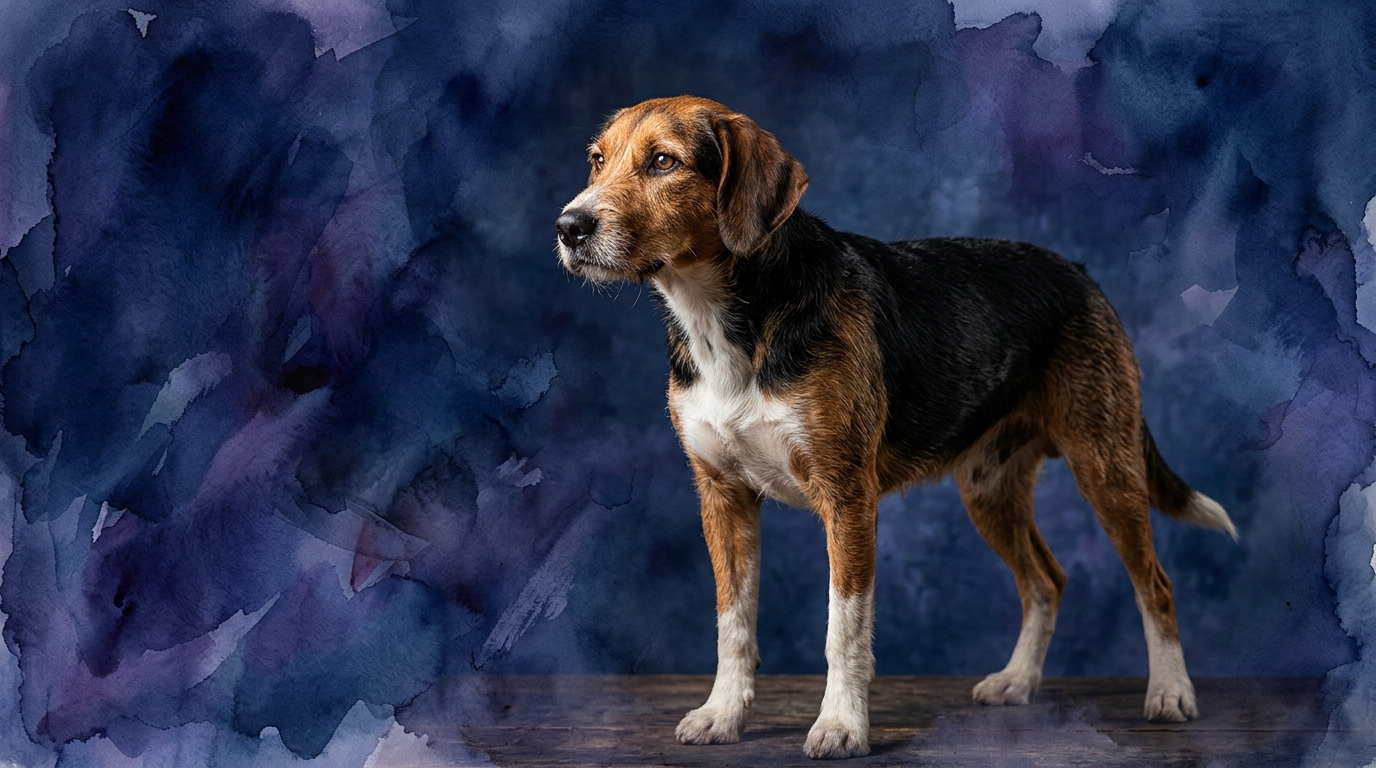
In contrast, the Harrier, a dedicated Hound breed, presents a different set of cognitive strengths, optimized for its traditional role. Their Problem Solving score of 3/5 suggests a competent but perhaps less innovative approach, often relying on persistence and ingrained patterns rather than seeking varied solutions, especially when scent is involved. Training Speed at 3/5 means they learn at a steady pace, but their independent nature may require more consistent repetition and motivation tailored to their drive. Social Intelligence, also at 3/5, indicates they are certainly capable of forming bonds, but they might not possess the same nuanced understanding of human cues as the Vizsla, often prioritizing pack dynamics or scent over handler focus. Their Instinctive Drive, rated 3/5, is powerfully geared towards scent work and tracking, driving them with single-minded determination when on a trail. Their Memory, at 3/5, is sufficient for retaining crucial hunting knowledge and routines, though perhaps not as broadly applicable as the Vizsla's.
Where the Vizsla Excels Cognitively
The Vizsla's cognitive strengths are particularly evident in its remarkable social acumen and versatile problem-solving abilities. With a Social Intelligence score of 5/5, they possess an unparalleled capacity to attune themselves to their human companions, often anticipating needs and reacting sensitively to emotional states. This makes them extraordinarily responsive partners in training and daily life, as they actively seek to understand and cooperate.
Their 4/5 Problem Solving and Training Speed scores mean they are not just quick to learn, but also adept at applying that learning to new situations. A Vizsla can quickly generalize commands, understand abstract concepts, and adapt to changing environments with minimal stress. This cognitive flexibility allows them to excel in diverse activities, from complex agility courses to intricate scent work, far beyond their traditional hunting role. Their high Instinctive Drive (5/5) isn't just about energy; it’s a deep-seated motivation that, when channeled appropriately, fuels their desire for engagement and mastery in various tasks, making them relentless in their pursuits once a goal is set.
Where the Harrier's Cognition Shines
While the Harrier's numerical scores may appear lower across the board, their cognitive profile is expertly specialized for their historical purpose, revealing a unique kind of mental prowess. Their Instinctive Drive, while rated 3/5, is intensely focused and persistent when it comes to scent. This isn't a broad, generalized drive, but a deep, unwavering commitment to tracking that allows them to ignore distractions and follow a trail for extended periods, a specific cognitive strength that few breeds can match.
The Harrier's Problem Solving at 3/5 often manifests as methodical persistence rather than rapid innovation. When faced with a tracking challenge, they will systematically work through it, relying on their incredible olfactory senses and endurance. Their Social Intelligence at 3/5, combined with their independent nature, means they are less reliant on constant human validation and more comfortable making decisions based on their own instincts, which is crucial for a dog expected to work autonomously in a pack or on a long trail. This self-reliance, rather than a deficit, is a cognitive advantage in their specialized field, allowing them to perform their duties without requiring constant human direction or approval.
Training Ease: Vizsla vs. Harrier
When it comes to ease of training, the Vizsla generally presents a more straightforward experience for most handlers. Their 4/5 Training Speed, coupled with their exceptional 5/5 Social Intelligence, means they are acutely tuned into their human companion's desires and eager to please. They readily absorb new commands and enjoy the collaborative process of learning, often thriving on positive reinforcement and the close bond it fosters. Their cognitive flexibility allows them to generalize commands quickly and adapt to different training scenarios, making them versatile students in various dog sports and obedience disciplines.
The Harrier, with its 3/5 Training Speed and Social Intelligence, requires a more patient and nuanced approach. Their independent hound nature means they are less inherently driven to please a human and more inclined to follow their nose or their own agenda. While capable of learning, they may require more repetition, consistency, and highly engaging, reward-based methods to maintain focus. Their powerful instinctive drive for scent work can often override other commands, making off-leash reliability a significant training challenge unless meticulously practiced in distraction-rich environments. Owners must understand that training a Harrier often involves working *with* their instincts rather than against them, making it a rewarding but demanding endeavor.
Suitability for Active vs. Relaxed Owners
Neither the Vizsla nor the Harrier are breeds suited for truly relaxed, sedentary owners; both possess significant energy and a need for mental engagement. However, the *type* of activity they thrive on differs, influencing which owner type they might best suit.
The Vizsla, with its 5/5 Instinctive Drive and overall high cognitive scores, is an ideal match for active owners who seek a highly engaged, versatile partner for sports, adventure, and advanced training. They require extensive daily exercise, including vigorous runs, challenging hikes, or participation in dog sports like agility, flyball, or advanced obedience. Their need for social interaction and mental stimulation is profound, making them happiest when actively involved in family life and given opportunities to use their problem-solving skills. An owner who enjoys teaching new tricks, engaging in interactive play, and providing consistent mental challenges will find the Vizsla a joyful and fulfilling companion.
The Harrier also demands an active lifestyle, but one often centered around endurance and scent exploration. Their 3/5 Instinctive Drive, while numerically lower, is intensely focused on tracking and following a trail. They excel with owners who enjoy long, vigorous walks, hiking, or field activities where they can utilize their exceptional nose. While they can participate in some dog sports, their independence and strong prey drive mean they might be less focused on precision and more on the thrill of the chase or the scent. Owners who appreciate a dog with an independent spirit, are committed to providing ample safe opportunities for off-leash exploration in secure areas, and are prepared for consistent, patient training to manage their scent drive, will find the Harrier a robust and charming companion. They are less suited for owners looking for a dog to simply 'hang out' and require dedicated engagement to prevent boredom and destructive behaviors.
The Verdict
Choose the Vizsla if you seek a highly interactive, socially intelligent companion eager for diverse training, dog sports, and a deep, cooperative bond.
Opt for the Harrier if you appreciate an independent spirit with extraordinary scenting capabilities, are prepared for patient, consistent training, and enjoy long, exploratory outdoor adventures.
🧠 Find Your Pet's IQ Score
Our Pet IQ Lab assessment covers 25+ tests across 5 cognitive dimensions — personalized to your breed.
Take the Full IQ Test →Frequently Asked Questions
Are Vizslas good family dogs?
Yes, Vizslas typically make excellent family dogs due to their high social intelligence (5/5) and affectionate nature. They thrive on companionship and are generally patient and playful with children, though their high energy requires supervision.
Do Harriers bark a lot?
Harriers are hounds, and like many in their group, they can be quite vocal, using barks, howls, and baying, especially when they catch a scent or are bored. Consistent training and ample exercise are essential to manage their vocal tendencies.
Which breed needs more exercise?
Both breeds require significant exercise, but the Vizsla's 5/5 Instinctive Drive often translates to a need for more varied and intense physical and mental stimulation. The Harrier's 3/5 Instinctive Drive is persistent and requires long, sustained activity, especially those involving scent work.