Side-by-Side Cognitive Profiles
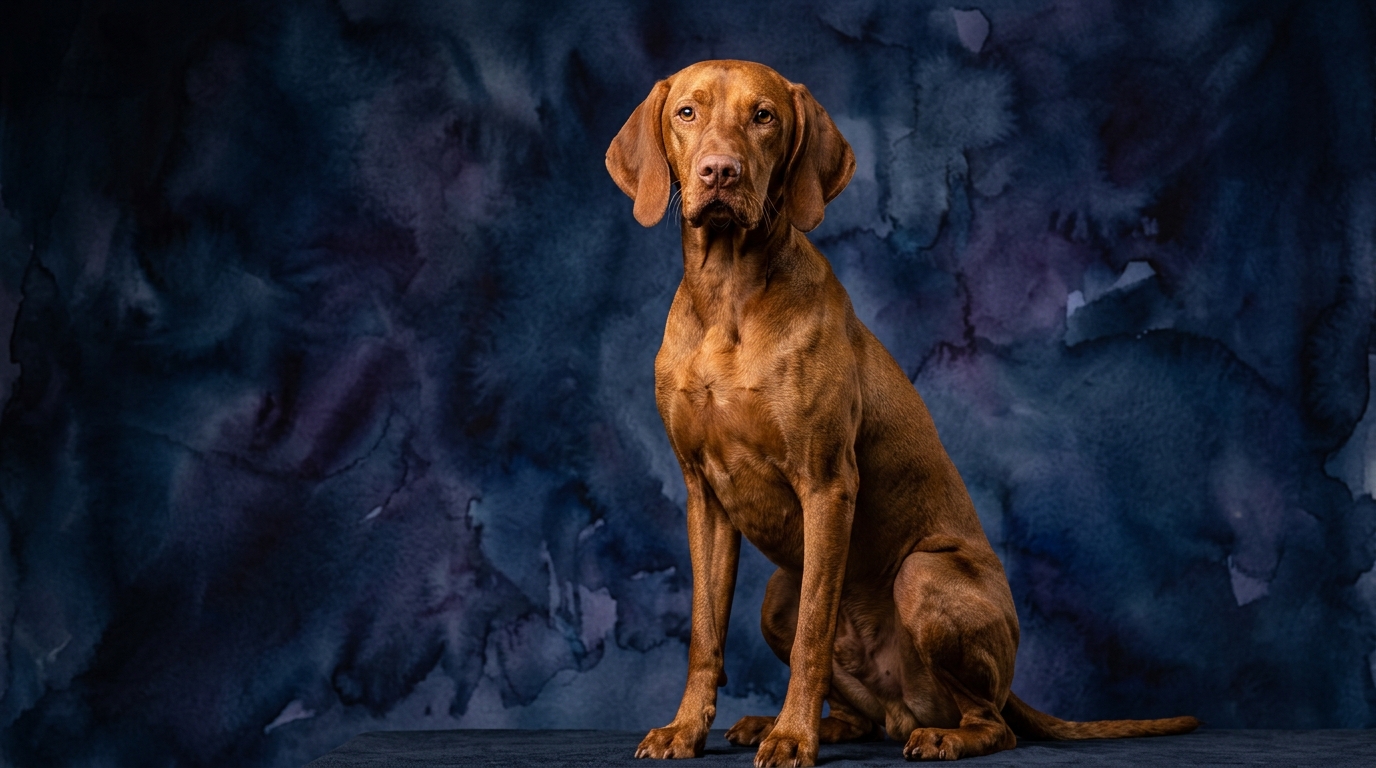
The Cosmic Pet Pet IQ Lab assesses canine cognition across five key dimensions, providing a granular view of each breed's mental makeup. For the Vizsla, a Sporting Group member, its profile reveals a Problem Solving score of 4/5, indicating a strong capacity to independently navigate complex situations and strategize solutions. Its Training Speed, also at 4/5, suggests a breed that picks up new commands and routines with considerable rapidity, often requiring fewer repetitions than many other breeds. Social Intelligence registers a perfect 5/5, reflecting an exceptional ability to understand and respond to human cues and social dynamics within a pack. An Instinctive Drive of 5/5 highlights a powerful, inherent motivation for task-oriented behaviors, such as tracking or retrieving. Finally, a Memory score of 4/5 indicates a robust ability to recall past experiences, learned behaviors, and spatial information over extended periods.
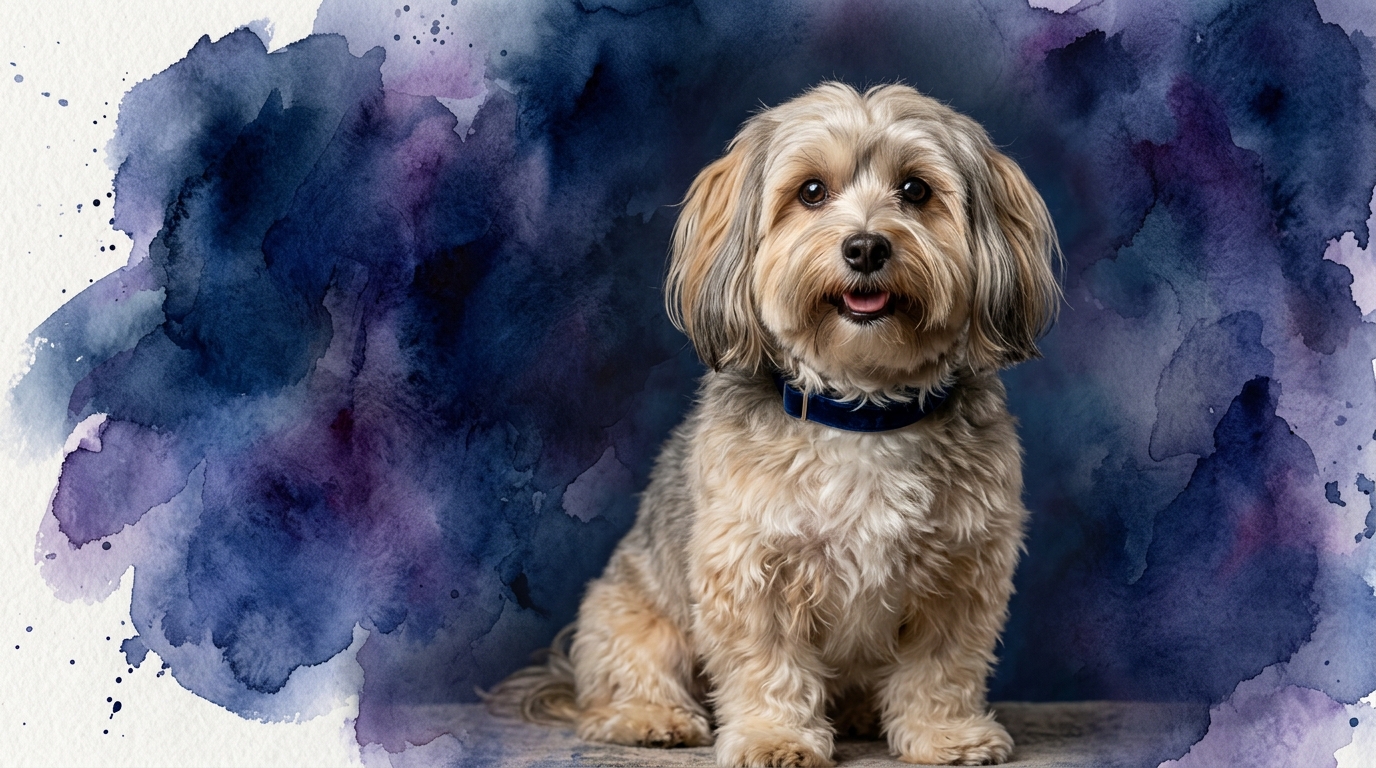
In contrast, the Havanese, a member of the Toy Group, presents a different cognitive blueprint. Its Problem Solving score of 3/5 suggests a moderate ability to figure out puzzles or new scenarios, often relying on learned strategies rather than immediate, novel solutions. A Training Speed of 3/5 means the Havanese generally learns new behaviors at an average pace, benefiting from consistent, positive reinforcement. Like the Vizsla, the Havanese also achieves a remarkable 5/5 in Social Intelligence, underscoring its profound connection to human companions and its adeptness at interpreting emotional states and social signals. However, its Instinctive Drive is notably lower at 2/5, indicating a less pronounced inherent urge for traditional working tasks or intense physical pursuits. A Memory score of 3/5 suggests a solid, but not exceptional, capacity for retaining information and experiences.
Where the Vizsla Excels Cognitively
The Vizsla's cognitive strengths are particularly evident in its capacity for independent thought and rapid assimilation of new information. With a Problem Solving score of 4/5, a Vizsla is often observed quickly deciphering how to open a child-proof gate or retrieve a toy from an inaccessible spot, demonstrating an intrinsic ability to analyze and overcome environmental challenges. This isn't just about physical dexterity; it's about the mental mapping and sequential steps they deduce to achieve a goal. Their 4/5 Training Speed complements this, meaning that once a solution is demonstrated or a command is taught, they solidify that learning quickly, making complex obedience routines or nuanced field work achievable with focused effort.
Furthermore, the Vizsla's 5/5 Instinctive Drive sets it apart, manifesting as a deep-seated urge to engage in purposeful activities. This drive is not merely about energy; it's a cognitive engine that fuels their focus and persistence in tasks like scent work, agility, or retrieving, allowing them to remain engaged and motivated for extended periods. This inherent motivation translates into a breed that actively seeks mental engagement and derives satisfaction from completing 'work,' a cognitive trait less pronounced in breeds with lower instinctive drives. Their memory, rated at 4/5, ensures that these learned solutions and skills are retained, building a sophisticated repertoire of behaviors and problem-solving strategies over their lifetime.
Where the Havanese Shines Cognitively
While the Havanese may not boast the same scores in problem-solving or instinctive drive as the Vizsla, its cognitive pinnacle is undoubtedly its Social Intelligence, rated a perfect 5/5. This isn't simply about being 'friendly'; it's a sophisticated ability to read and respond to human emotions, intentions, and social cues with remarkable accuracy. A Havanese often anticipates a family member's mood, offering comfort or initiating play based on subtle shifts in body language or tone of voice. This deep social acumen allows them to integrate seamlessly into family life, acting as intuitive companions who understand and adapt to the social fabric of their household, often forming extraordinarily strong, empathetic bonds.
This exceptional social intelligence means a Havanese can often learn complex social rules and family routines not through explicit training alone, but through observation and a keen understanding of their human environment. They excel at 'people-pleasing' not just because they enjoy attention, but because they cognitively process and value the positive social feedback they receive from appropriate behaviors. While their Problem Solving (3/5) and Training Speed (3/5) are moderate, their social intelligence can sometimes compensate, as they are highly motivated to cooperate and engage in activities that foster connection with their human companions, making them responsive to socially-driven learning contexts.
Which is Easier to Train and Why
When considering ease of training, the Vizsla generally holds an advantage due to its higher scores in Training Speed (4/5) and Instinctive Drive (5/5). The Vizsla's inherent desire to work and please, coupled with its rapid learning curve, means it can grasp new commands and complex sequences with fewer repetitions. For instance, teaching a Vizsla a multi-step agility course or advanced retrieve work often progresses quickly because they are mentally and physically wired for such engagement, thriving on the mental stimulation and purpose these tasks provide. Their high instinctive drive means they are often self-motivated to participate, making training less about coaxing and more about guiding their natural inclinations.
The Havanese, with its 3/5 Training Speed and 2/5 Instinctive Drive, learns at a more moderate pace. While certainly trainable, they may require more patience and consistent repetition to solidify new behaviors. Their lower instinctive drive means they might not possess the same inherent zeal for structured 'work' or repetitive drills. However, their 5/5 Social Intelligence plays a crucial role here; Havanese are highly motivated by positive reinforcement that strengthens their bond with their owner, such as praise, gentle petting, and playful interaction. Training sessions for a Havanese are most effective when framed as cooperative, enjoyable interactions rather than demanding tasks, leveraging their desire for companionship and social connection over an innate drive for performance.
Suitability for Active vs. Relaxed Owners
The Vizsla's cognitive profile, marked by high Instinctive Drive (5/5) and strong Problem Solving (4/5), makes it an exceptional fit for active owners who can provide ample mental and physical engagement. Owners who enjoy activities like hiking, running, dog sports (agility, flyball), or field work will find a Vizsla thrives on these challenges. Their cognitive need to 'work' and solve problems means they require more than just physical exercise; they need tasks that stimulate their minds. Without adequate outlets for their instinctive drives and problem-solving abilities, Vizslas can become bored, potentially leading to undesirable behaviors as they invent their own 'jobs.' An active owner is therefore crucial for nurturing their cognitive potential and ensuring their overall well-being.
Conversely, the Havanese, with its lower Instinctive Drive (2/5) and paramount Social Intelligence (5/5), is a superb match for more relaxed owners who prioritize companionship and social interaction. While they enjoy play and regular walks, their cognitive needs are met more by consistent social engagement and being an integral part of family life rather than intense physical or task-oriented challenges. A Havanese is content to spend much of its day alongside its human family, observing and interacting. Their cognitive strengths lie in their ability to integrate into the social fabric of a home, making them ideal for individuals or families seeking a warm, perceptive companion who thrives on close connection and moderate, enjoyable activities.
The Verdict
Choose a Vizsla if you are an active individual or family seeking a mentally agile, highly driven companion for dog sports, outdoor adventures, or structured training, capable of quickly learning complex tasks.
Opt for a Havanese if you desire a deeply socially intelligent, adaptable companion who thrives on close human interaction and a more relaxed lifestyle, excelling at being an empathetic family member.
🧠 Find Your Pet's IQ Score
Our Pet IQ Lab assessment covers 25+ tests across 5 cognitive dimensions — personalized to your breed.
Take the Full IQ Test →Frequently Asked Questions
Do Vizslas and Havanese require similar amounts of mental stimulation?
No, their needs differ significantly. Vizslas require substantial mental stimulation through structured training, puzzle toys, and purposeful activities due to their high problem-solving and instinctive drive. Havanese benefit from consistent social interaction and moderate mental games that strengthen their bond, aligning with their high social intelligence and lower drive.
How does social intelligence manifest differently in these two breeds?
Both breeds score 5/5 in social intelligence, but it manifests differently due to their overall profiles. For the Vizsla, it supports their cooperative nature in working tasks and their responsiveness to handler cues. For the Havanese, it primarily drives their profound ability to connect emotionally with humans, anticipate needs, and adapt to family dynamics, making them exceptional companions.
Can a Havanese participate in dog sports like agility?
Yes, a Havanese can certainly participate in dog sports like agility, often enjoying the activity as a fun, bonding experience with their owner. While their instinctive drive is lower than a Vizsla's, their social intelligence and desire to please their human can make them enthusiastic participants, especially when training is kept positive and engaging.