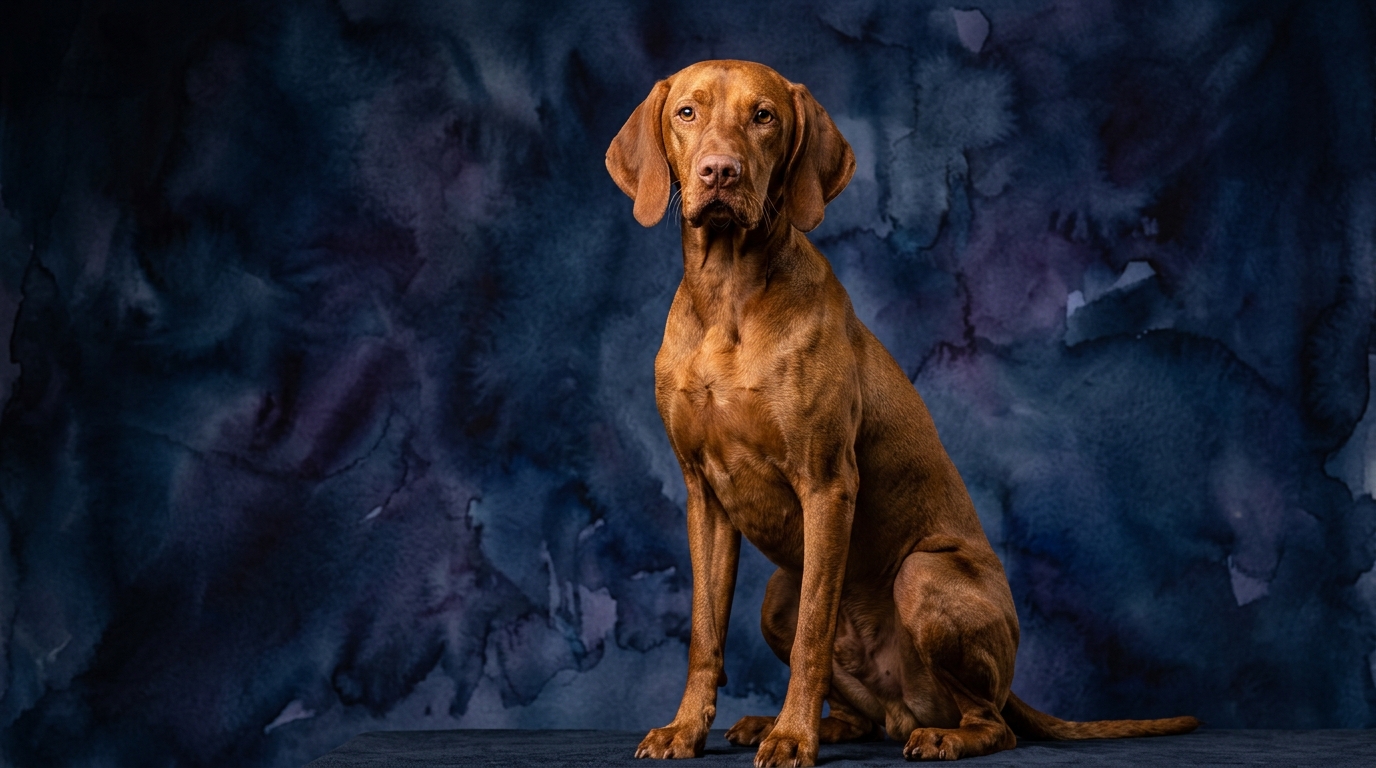
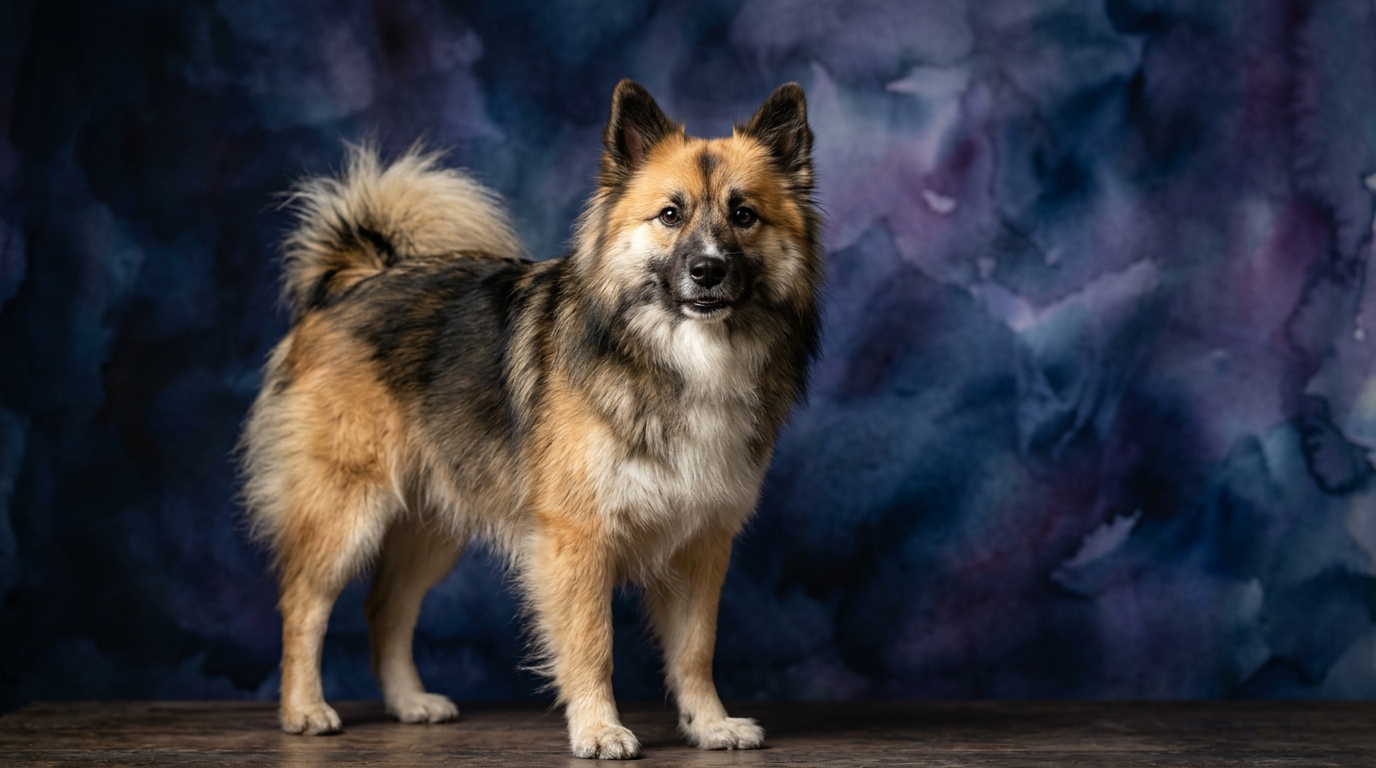
Side-by-Side IQ Profile: Vizsla vs. Icelandic Sheepdog
The Vizsla, a Hungarian Pointer, exhibits a cognitive profile optimized for cooperative hunting. Their Problem Solving is rated 4/5, reflecting their capacity for navigating complex scent trails and adapting to varied field conditions. Training Speed at 4/5 underscores their quick grasp of commands, often driven by an eagerness to please their handler. Social Intelligence stands at an exceptional 5/5, indicating a profound attunement to human cues and intentions, fostering a highly collaborative partnership. Their Instinctive Drive, also 5/5, points to a powerful natural aptitude for pointing and retrieving game, while Memory at 4/5 ensures they retain complex sequences and recall past experiences efficiently.
In contrast, the Icelandic Sheepdog, a resilient herding dog, displays a cognitive makeup suited for independent flock management in challenging environments. Their Problem Solving is rated 3/5, demonstrating resourcefulness in assessing livestock situations and navigating diverse terrains, though perhaps less geared towards abstract puzzles. Training Speed at 3/5 suggests a steady learning pace that may require consistent, patient reinforcement due to their independent nature. Social Intelligence at 3/5 indicates an engaged awareness of their family or flock, but a less intense, people-centric focus compared to the Vizsla. Instinctive Drive at 3/5 highlights their persistent herding behaviors, often using vocalizations to manage animals, and Memory at 3/5 reflects their ability to recall routines and environmental details.
Where the Vizsla Excels Cognitively
The Vizsla's cognitive strengths are particularly evident in their exceptional social intelligence and intense instinctive drive, both rated 5/5. This combination allows them to form an incredibly tight, responsive bond with their human companions, making them highly receptive to direction in intricate tasks. Their ability to read subtle body language and vocal inflections is paramount in their role as a hunting partner, where precise, real-time cooperation is critical.
Furthermore, the Vizsla's superior problem-solving (4/5) and memory (4/5) support their instinctive drives. They can quickly process information from their environment, such as scent patterns or terrain changes, and integrate this with learned commands. This means they are not just reacting instinctively, but thoughtfully applying their knowledge and experience to achieve a desired outcome, whether it's tracking elusive game or mastering a complex agility course.
Where the Icelandic Sheepdog Shows Unique Cognitive Strengths
While the Icelandic Sheepdog's numerical scores may appear lower, their cognitive profile reflects a specific, highly adapted form of intelligence honed for their herding lineage. Their 3/5 problem-solving isn't about abstract puzzles, but about practical, on-the-spot decision-making in a dynamic, open-field environment. They excel at assessing the movement of a flock, anticipating their trajectory, and positioning themselves effectively to guide or contain, often without constant human intervention.
Their 3/5 instinctive drive, characterized by persistent, vocal herding, demonstrates a unique form of environmental and social awareness within their working context. They possess a keen sense of their surroundings and the behaviors of their charges, using their bark and presence to maintain order. This blend of vigilance and independent action, while different from a Vizsla's focused prey drive, is a profound cognitive strength for their specific role in managing livestock and safeguarding their territory.
Which Breed is Easier to Train and Why
Based on their cognitive profiles, the Vizsla is generally considered easier to train, primarily due to their 4/5 training speed and outstanding 5/5 social intelligence. Their deep desire to engage and cooperate with their human handler means they are highly attentive and eager to please, readily absorbing new commands and complex routines. They thrive on positive reinforcement and quickly form associations between actions and rewards, allowing for rapid progress in obedience, field work, or advanced canine sports.
The Icelandic Sheepdog, with a 3/5 training speed, learns steadily but may require more patience and consistency. Their independent herding mindset means they are prone to making their own assessments of situations rather than blindly following commands. A trainer working with an Icelandic Sheepdog needs to understand their motivations and make training feel like a collaborative effort, appealing to their problem-solving nature rather than relying solely on rote instruction. They may show a charming stubbornness if they don't see the immediate purpose of a task.
Matching Breeds to Owner Lifestyles: Active vs. Relaxed
The Vizsla is unequivocally suited for active owners who can provide substantial daily exercise and mental engagement. Their 5/5 instinctive drive means they possess boundless energy and a strong urge to work, requiring outlets like long runs, extensive fetching sessions, scent work, or participation in dog sports. A relaxed or sedentary owner would likely find a Vizsla's needs overwhelming, potentially leading to boredom-induced destructive behaviors or anxiety. They thrive when they have a 'job' to do alongside their human partner.
The Icelandic Sheepdog also requires an active lifestyle, though their energy manifests differently. Their 3/5 instinctive drive translates into a need for consistent outdoor time, often involving patrolling, monitoring, and supervising their 'flock' (family or property). While they enjoy vigorous play, their activity is often channeled into surveying their environment and being an engaged member of the household. They are not suited for truly relaxed owners, but might fit those who enjoy regular, moderate outdoor activities and can provide a sense of purpose and belonging, rather than intense, high-speed athletic pursuits.
The Verdict
Choose a Vizsla if you seek an exceptionally cooperative, highly trainable, and intensely active companion for demanding sports or outdoor adventures.
Opt for an Icelandic Sheepdog if you appreciate an independent, resilient, and watchful companion who thrives on consistent outdoor activity and a sense of purpose.
🧠 Find Your Pet's IQ Score
Our Pet IQ Lab assessment covers 25+ tests across 5 cognitive dimensions — personalized to your breed.
Take the Full IQ Test →Frequently Asked Questions
Are Vizslas good family dogs?
Vizslas often form strong bonds with their families, excelling in social intelligence (5/5). They thrive on interaction and can be wonderful companions for active families who can meet their substantial exercise and mental stimulation needs, integrating them fully into daily life.
Do Icelandic Sheepdogs bark a lot?
Yes, Icelandic Sheepdogs are known for their vocal nature, a trait tied to their 3/5 instinctive drive for herding. They use their bark to communicate, alert, and manage their 'flock,' making them effective watchdogs, though their vocalizations require consistent training to manage in a residential setting.
Which breed is better for first-time dog owners?
Neither breed is ideal for truly novice owners due to their specific needs. However, a Vizsla's high trainability (4/5 speed, 5/5 social intelligence) might make them slightly more manageable for a committed first-timer willing to invest significant time in training and activity, compared to the Icelandic Sheepdog's more independent and vocal nature.