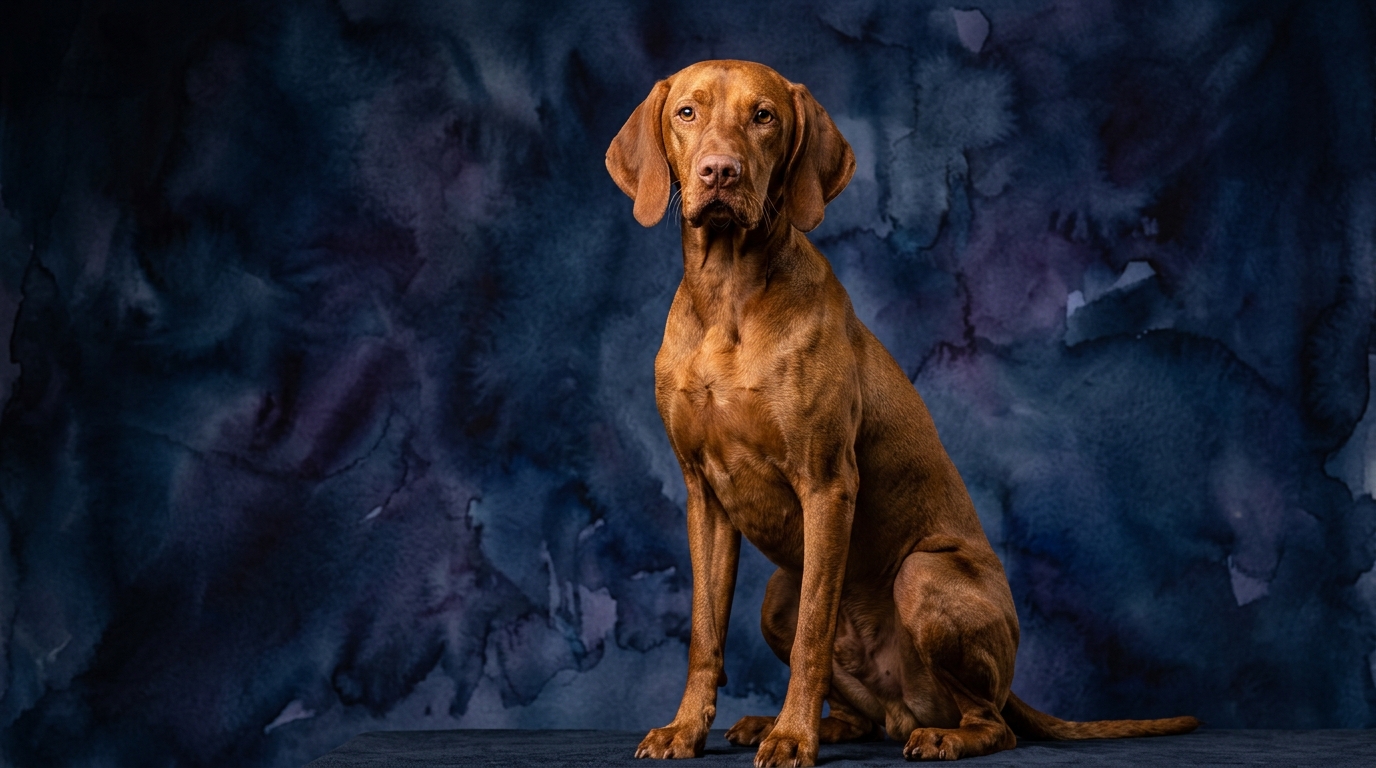
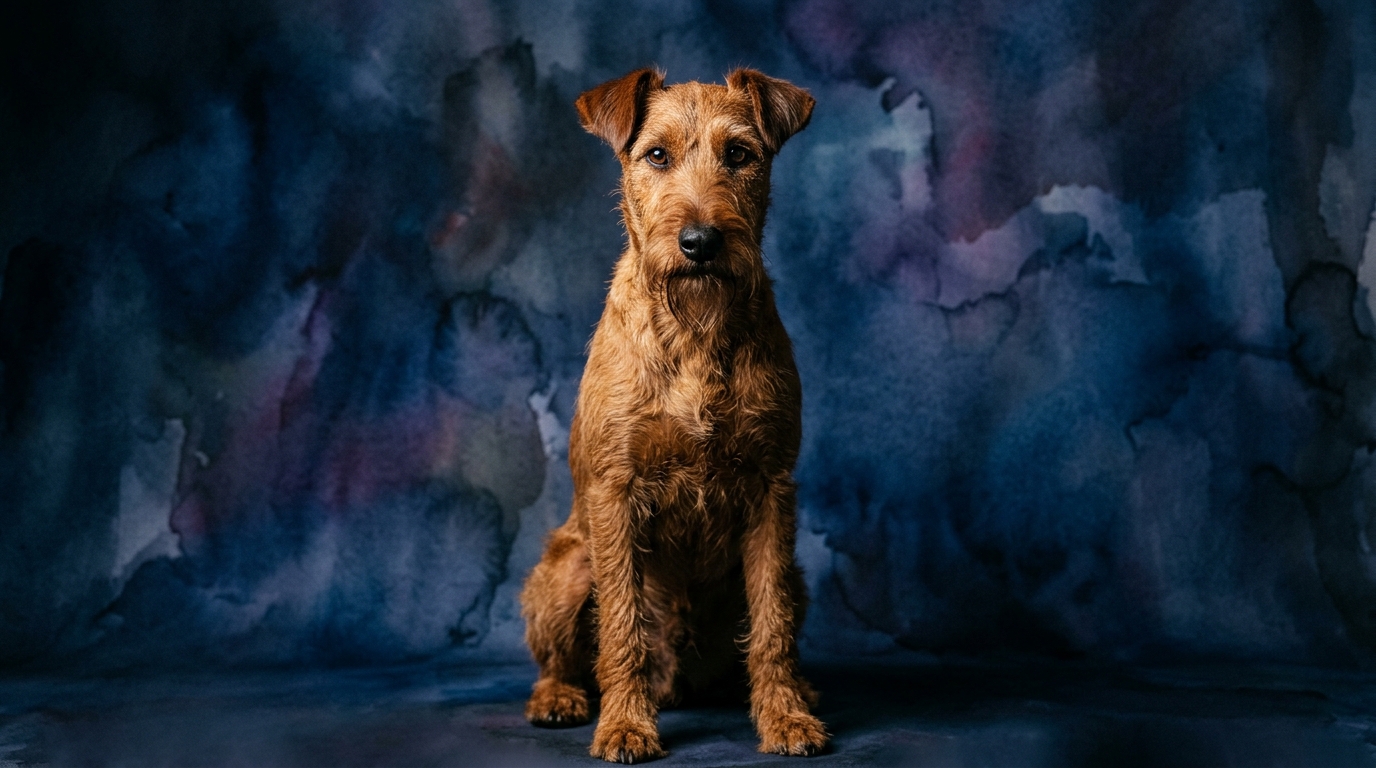
Side-by-Side IQ Profile: Vizsla vs. Irish Terrier
The Vizsla, a Sporting Group member, registers a Coren rank of #31 and demonstrates a robust cognitive profile across five key dimensions. Their Problem Solving ability rates at 4/5, indicating a strong capacity to navigate complex situations and strategize, often finding creative solutions to obstacles. Training Speed is 4/5, meaning they absorb new commands and routines with efficiency, often requiring fewer repetitions to master tasks. Social Intelligence stands out at 5/5, reflecting an exceptional ability to interpret human cues, understand social hierarchies, and form deep, cooperative bonds. Instinctive Drive is a powerful 5/5, exhibiting a strong inherent motivation for tasks like retrieving, tracking, and close companionship, driven by their sporting heritage. Finally, their Memory is 4/5, retaining learned information and experiences over long periods, making recall of commands and past events reliable.
The Irish Terrier, a Terrier Group breed and not Coren-ranked, presents a distinct set of cognitive attributes. Their Problem Solving ability is 3/5, showing a moderate aptitude for tackling new challenges, often relying on persistence and trial-and-error rather than complex planning. Training Speed is 3/5, meaning they learn at a steady pace, though they may require more consistent repetition and varied methods to solidify new behaviors. Social Intelligence is 3/5, indicating an adequate understanding of human interactions but potentially interpreting cues differently or displaying more independent social behavior compared to highly cooperative breeds. Instinctive Drive is 3/5, possessing a moderate but focused drive, particularly for activities related to their terrier origins like chasing and exploring, though less intense than a dedicated working breed. Their Memory is also 3/5, holding onto learned information, but potentially requiring occasional refreshers or stronger associations for less frequently practiced commands.
Where the Vizsla Excels Cognitively
The Vizsla's exceptional social intelligence (5/5) allows them to form an almost intuitive understanding of their human companions, often anticipating needs and reacting sensitively to emotional states, fostering a profound cooperative partnership. This deep connection makes them highly attuned to human direction, facilitating complex communication beyond basic commands. Their problem-solving abilities (4/5) are frequently channeled into collaborative tasks, such as navigating intricate scent trails or retrieving from challenging environments, where they combine instinct with adaptive thinking. This breed's strong memory (4/5) ensures that once a task or routine is established within this cooperative framework, it is retained with impressive reliability, making them consistent performers in various roles.
Where the Irish Terrier Shines Cognitively
The Irish Terrier's cognitive strengths lie in a different domain, characterized by a tenacious independence and a focused, persistent problem-solving approach (3/5) that, while not always rapid, is remarkably resilient. Their instinctive drive (3/5) is less about cooperative hunting and more about singular pursuit and investigation, making them adept at tasks requiring self-reliance and grit, such as flushing out vermin or exploring challenging terrains alone. While their social intelligence (3/5) might not manifest as eager cooperation, it enables them to navigate their environment with a self-assured demeanor, understanding boundaries and asserting their presence effectively. This breed leverages its memory (3/5) to recall specific locations of interest or methods for overcoming physical barriers, demonstrating a practical, rather than purely obedience-driven, recall of experience.
Training Dynamics: Vizsla vs. Irish Terrier
The Vizsla's superior training speed (4/5) and social intelligence (5/5) make them generally easier to train, especially for obedience and complex tasks. They are eager to please and highly responsive to positive reinforcement, quickly grasping new concepts and associating specific actions with desired outcomes. Their strong memory (4/5) ensures that once a command is learned, it is not easily forgotten, leading to consistent performance. In contrast, the Irish Terrier, with its moderate training speed (3/5) and instinctive drive (3/5), often requires a more patient and varied training approach; their independent nature means they might question the purpose of a command or offer alternatives if not sufficiently motivated. While they learn, their progress often hinges on making the training engaging and relevant to their natural terrier instincts, rather than purely relying on a desire to please.
Lifestyle Compatibility: Active vs. Relaxed Owners
The Vizsla, with its pronounced instinctive drive (5/5) for activity and strong social intelligence (5/5) that thrives on companionship, is an ideal match for highly active owners who seek a constant companion in their adventures. These dogs require substantial daily exercise that engages both their physical prowess and their keen mind, such as long runs, hiking, or field work. Their need for close human interaction means they do not fare well with extended periods of solitude, making them unsuitable for relaxed owners who prefer a more independent canine presence. Conversely, while the Irish Terrier is certainly an active breed, its instinctive drive (3/5) is more focused on bursts of intense activity and independent exploration rather than continuous cooperative exertion. They suit owners who appreciate a dog with a robust personality and are prepared for energetic play sessions and consistent mental stimulation, but perhaps with a slightly less demanding need for constant human-directed activity compared to the Vizsla. They can adapt to a slightly more relaxed pace once their fundamental exercise needs are met, though they are by no means a sedentary choice.
The Verdict
Choose the Vizsla if you are a highly active individual or family seeking a deeply cooperative, responsive companion for outdoor adventures and structured training, valuing a dog that thrives on constant interaction and quickly masters complex tasks.
Opt for the Irish Terrier if you appreciate a spirited, tenacious companion with a strong independent streak, willing to engage in robust play and exploration, and are prepared to approach training with patience and creativity.
🧠 Find Your Pet's IQ Score
Our Pet IQ Lab assessment covers 25+ tests across 5 cognitive dimensions — personalized to your breed.
Take the Full IQ Test →Frequently Asked Questions
Is the Vizsla truly more affectionate than the Irish Terrier?
The Vizsla's 5/5 social intelligence often translates into a profound, openly affectionate bond, seeking constant physical closeness and emotional connection with their family. The Irish Terrier, while loyal, expresses affection more independently, enjoying interaction but often without the same intense need for constant physical presence.
Which breed is better for first-time dog owners?
The Vizsla's eagerness to please and quick learning curve (4/5 training speed) generally makes them a more forgiving and rewarding choice for first-time owners who are committed to providing ample exercise and companionship. The Irish Terrier's independent nature and strong will can be more challenging for those new to dog ownership, requiring consistent boundaries and creative training methods.
Do Vizslas and Irish Terriers have similar exercise needs?
Both breeds require significant exercise, but their motivations differ. The Vizsla's 5/5 instinctive drive demands extensive, often human-directed, physical and mental activity like running or retrieving. The Irish Terrier's 3/5 drive focuses on energetic bursts of play, exploration, and mental challenges, which, while substantial, might allow for slightly more independent activity once their core needs are met.