Side-by-Side Cognitive Profiles
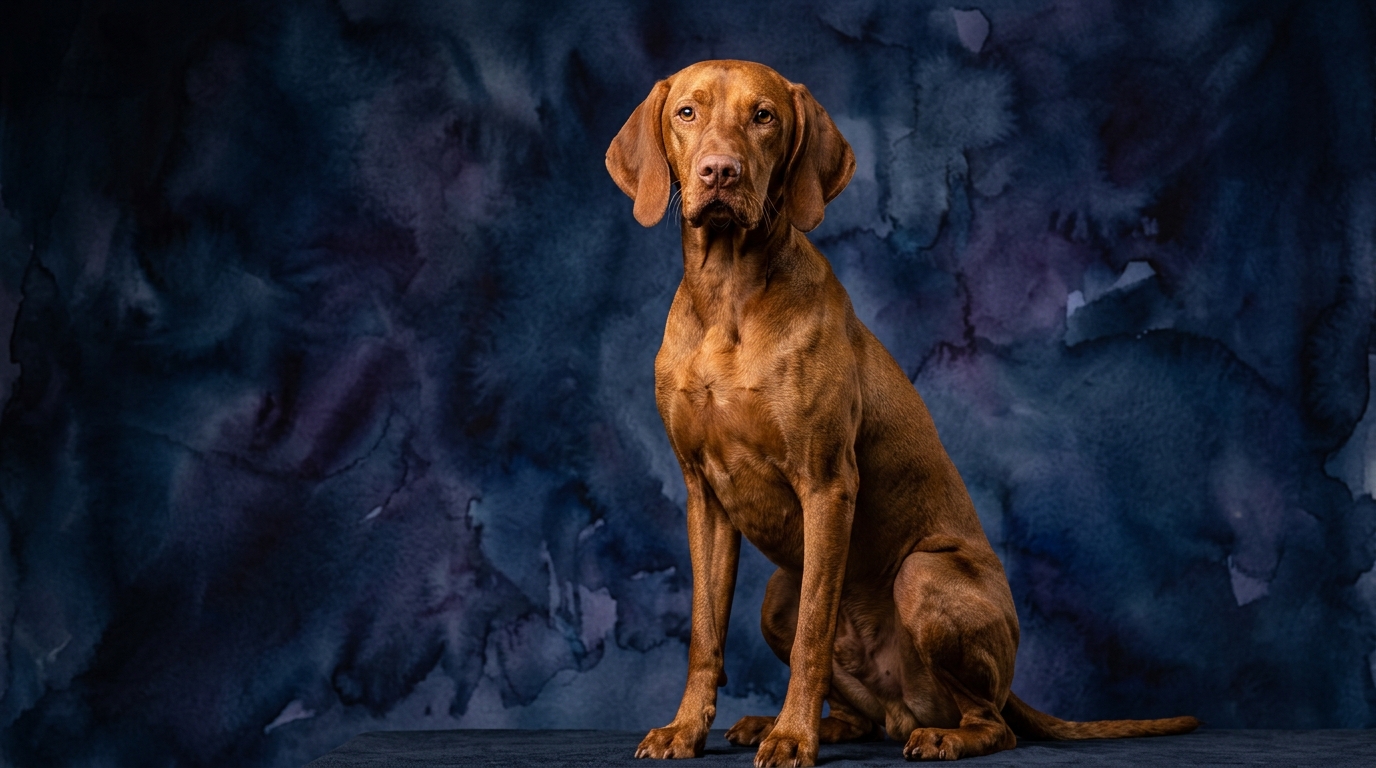
The Vizsla, a member of the Sporting Group and ranked #31 by Coren, presents a comprehensive cognitive toolkit. Their problem-solving ability, rated at 4/5, reflects a capacity to navigate complex tasks and learn from experiences, often with keen observational skills. Training speed, also 4/5, indicates a readiness to grasp new commands and routines efficiently, responding well to positive reinforcement and consistency. Where the Vizsla truly shines is in social intelligence (5/5), showing an exceptional aptitude for understanding human cues, emotional states, and social dynamics, making them highly attuned companions. Their instinctive drive (5/5) is powerfully geared towards scent work, pointing, and retrieving, showcasing a profound genetic predisposition for their sporting roles. Finally, their memory, rated 4/5, allows them to recall learned behaviors, locations, and social interactions with impressive fidelity.
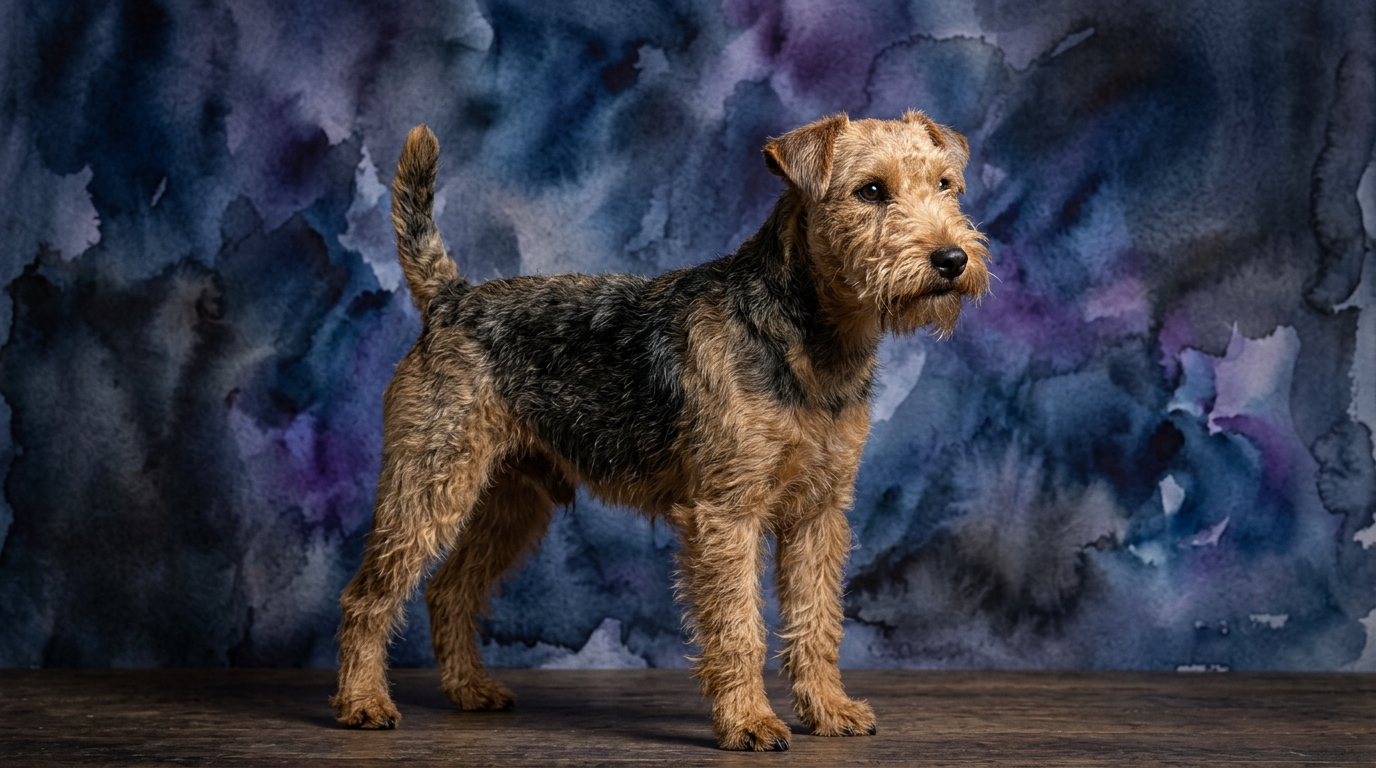
The Lakeland Terrier, from the Terrier Group and not Coren-ranked, offers a distinct cognitive profile, honed by its history as a fearless hunter of vermin in the Lake District fells. Their problem-solving ability, rated 3/5, tends to be more practical and independent, focused on overcoming physical obstacles or achieving self-determined goals rather than intricate human-devised puzzles. Training speed, at 3/5, suggests they learn effectively but often require more patience and creative methods to engage their independent spirit, sometimes prioritizing their own agenda. Social intelligence, also 3/5, indicates they are capable of forming strong bonds but might not exhibit the same nuanced understanding of human emotions or social subtleties as more people-focused breeds. Their instinctive drive (3/5) is primarily centered on prey drive, digging, and exploration, reflecting a robust self-reliance and tenacity. Memory, rated 3/5, supports their ability to retain practical skills and territory knowledge, though perhaps not with the broad recall of a breed designed for collaborative work.
Where the Vizsla's Cognition Excels
The Vizsla's cognitive strengths lie profoundly in areas requiring collaboration, responsiveness, and emotional attunement. Their perfect 5/5 in social intelligence means they are exceptionally adept at reading human body language, vocal tones, and intentions. This allows them to anticipate desires, offer comfort, and integrate seamlessly into family dynamics, often developing a nearly telepathic bond with their primary caregivers. This high social acumen translates into a greater willingness to work alongside humans, making them more pliable partners in activities ranging from obedience trials to complex scent detection. Furthermore, their superior problem-solving (4/5) combined with their strong memory (4/5) allows them to master multi-step commands and intricate routines with fewer repetitions, building upon prior knowledge quickly. Their instinctive drive, also 5/5, is channelled into purposeful, collaborative hunting tasks, meaning they naturally understand and excel at activities that involve working with a human partner towards a shared goal, rather than operating solely independently. This makes them exceptional candidates for advanced dog sports where precision and partnership are paramount.
Where the Lakeland Terrier's Cognition Shines
The Lakeland Terrier's cognitive prowess shines in areas demanding self-sufficiency, tenacity, and independent decision-making, reflecting their heritage as robust working terriers. Their problem-solving (3/5) is often applied to practical, real-world challenges, such as figuring out how to bypass a gate, retrieve a hidden toy, or outsmart a perceived “prey” (like a squirrel). This isn't about solving abstract puzzles but about achieving a tangible outcome through cleverness and persistence. Their instinctive drive (3/5), while rated lower than the Vizsla's, is intensely focused on their core terrier traits: digging, chasing, and exploring. This drive translates into an unwavering determination to pursue a goal once set, even if it means employing unconventional or stubborn methods. While their social intelligence is not their highest attribute, their independence allows them to cope better with solitude or situations where constant human direction isn't available, fostering a strong sense of self-reliance. This breed is less likely to become anxious when left to their own devices, instead using their cognitive abilities to entertain themselves or explore their surroundings. Their memory (3/5) is highly effective for remembering locations of interest or successful hunting strategies, reinforcing their independent approach to navigation and resourcefulness.
Training Dynamics: Vizsla vs. Lakeland Terrier
The Vizsla, with its 4/5 rating in training speed and a remarkable 5/5 in social intelligence, is generally considered more straightforward to train. Their innate desire to please and their ability to keenly interpret human cues mean they are highly receptive to instruction. They thrive on positive reinforcement and consistent methods, quickly associating commands with actions and rewards. Their strong memory (4/5) ensures that once a behavior is learned, it is retained effectively. For instance, a Vizsla will likely pick up “stay” and “come” commands in fewer sessions and demonstrate greater reliability in varied environments due to their focus on their human partner. Their collaborative nature means they are less inclined to question or ignore commands, preferring to engage in shared activities.
The Lakeland Terrier, with a 3/5 rating in both training speed and social intelligence, presents a different training dynamic. While they are capable learners, their independent nature and strong will mean they often require more creative and patient approaches. They are less driven by a desire to please and more by their own motivations, making consistency and clear boundaries crucial. A Lakeland Terrier might understand a command but choose not to execute it if something more interesting captures their attention, reflecting their self-directed problem-solving. Training a Lakeland often involves making the desired behavior more rewarding than their independent impulses, sometimes necessitating higher-value treats or more engaging play. Their memory (3/5) is sufficient for retaining commands, but their tendency towards selective hearing or testing boundaries means that reinforcement needs to be ongoing and engaging. Training success with a Lakeland often hinges on an owner's ability to understand and work with their terrier tenacity, channeling it rather than trying to suppress it.
Matching Breeds to Lifestyles: Active vs. Relaxed Owners
For the active owner seeking a constant companion for outdoor adventures and mental engagement, the Vizsla is an exceptional fit. Their 5/5 instinctive drive for sporting activities, combined with their 4/5 problem-solving and 4/5 training speed, means they excel in pursuits like running, hiking, dog sports, and hunting. A Vizsla thrives on purpose and shared activity, requiring substantial daily exercise and mental stimulation to prevent boredom or destructive behaviors. Their high social intelligence (5/5) means they want to be involved in every aspect of their owner's life, making them ideal for individuals or families who integrate their dog into their active lifestyle. They are not content to be left alone for long periods and will actively seek interaction and tasks.
The Lakeland Terrier, while possessing a robust terrier drive, can suit a slightly less intensely active owner, though “relaxed” might be a misnomer for any terrier. Their 3/5 instinctive drive, focused on chasing and digging, means they benefit from regular, engaging play and opportunities to explore securely. They are energetic and require daily exercise to remain content, but their needs might be satisfied with brisk walks, structured playtime, and puzzle toys rather than endurance sports. Their independent problem-solving (3/5) allows them to occupy themselves more readily than a Vizsla, making them suitable for owners who appreciate a dog with a strong personality that doesn't constantly demand interactive engagement. They are adaptable to various living situations as long as their physical and mental needs are met, and they can enjoy a good cuddle session after a stimulating outing, but they generally appreciate their own space more than a Vizsla. Owners must be prepared to manage their strong prey drive and ensure secure environments.
The Verdict
Choose a Vizsla if you seek a highly collaborative, emotionally sensitive companion eager to share every adventure and thrive on intricate training and deep social bonds. Their exceptional social intelligence and drive for partnership make them ideal for active individuals or families committed to extensive engagement.
Opt for a Lakeland Terrier if you appreciate an independent, tenacious spirit that brings cleverness and determination to daily life, valuing an owner who understands and channels their self-reliant nature. They suit those who enjoy a dog with distinct personality and a practical, problem-solving approach to their world.
🧠 Find Your Pet's IQ Score
Our Pet IQ Lab assessment covers 25+ tests across 5 cognitive dimensions — personalized to your breed.
Take the Full IQ Test →Frequently Asked Questions
Do Vizslas need more mental stimulation than Lakeland Terriers?
Yes, Vizslas generally require more diverse and collaborative mental stimulation. Their high social intelligence and problem-solving abilities thrive on learning new commands, participating in dog sports, and engaging in activities that involve working closely with their human. While Lakeland Terriers also need mental engagement, their focus tends to be more on independent problem-solving and satisfying their prey drive.
Which breed is better for first-time dog owners?
The Vizsla's eagerness to please and higher training speed often make them a more forgiving choice for first-time owners who are committed to consistent training and providing ample exercise and companionship. Lakeland Terriers, with their independent nature and strong will, can be more challenging for novices who might struggle with their terrier tenacity and need for firm, consistent guidance.
How do their instinctive drives manifest differently in a home environment?
A Vizsla's 5/5 instinctive drive often manifests as a strong desire to retrieve, point at perceived “prey” (like toys or shadows), and stay close to their owner, always ready for a game or task. A Lakeland Terrier's 3/5 instinctive drive is typically seen in their propensity to dig, chase small animals, bark at perceived intruders, and explore every nook and cranny, often with an independent agenda.