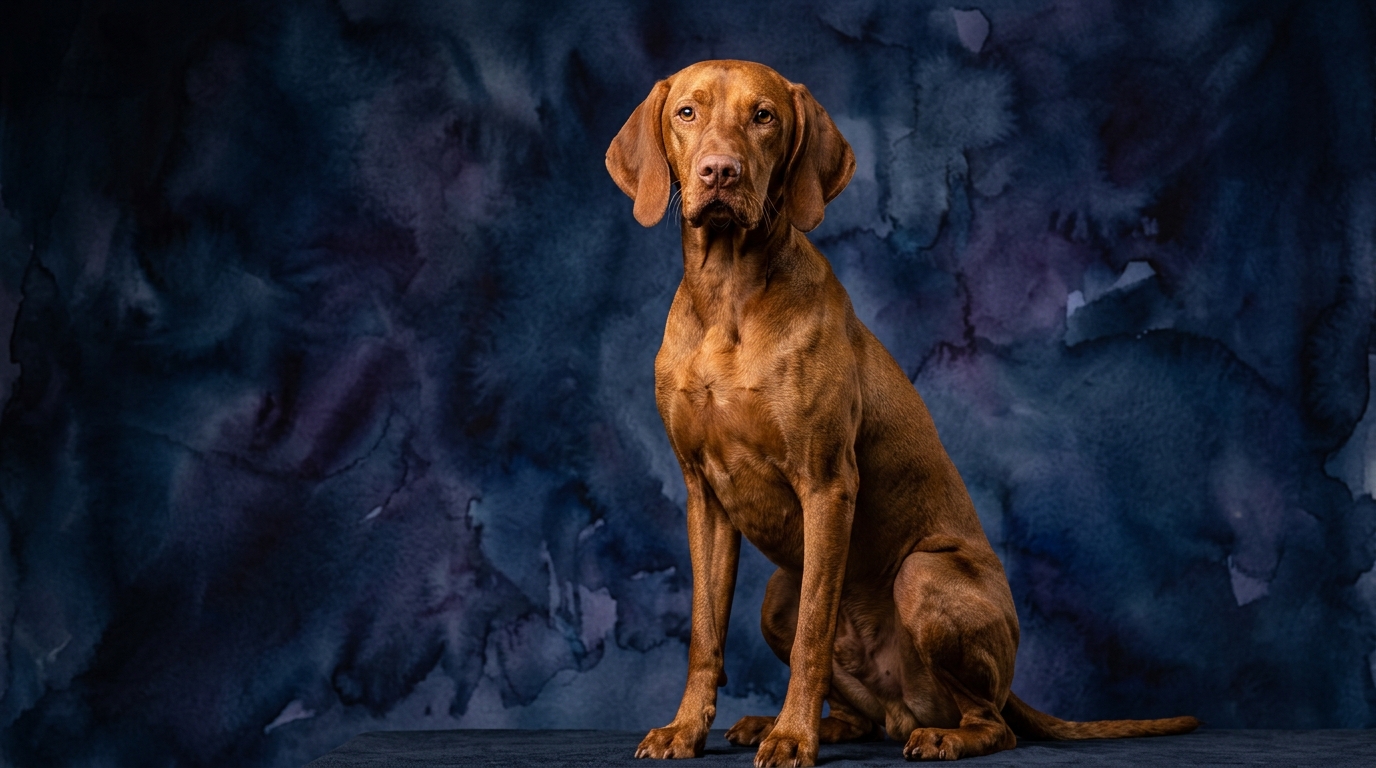
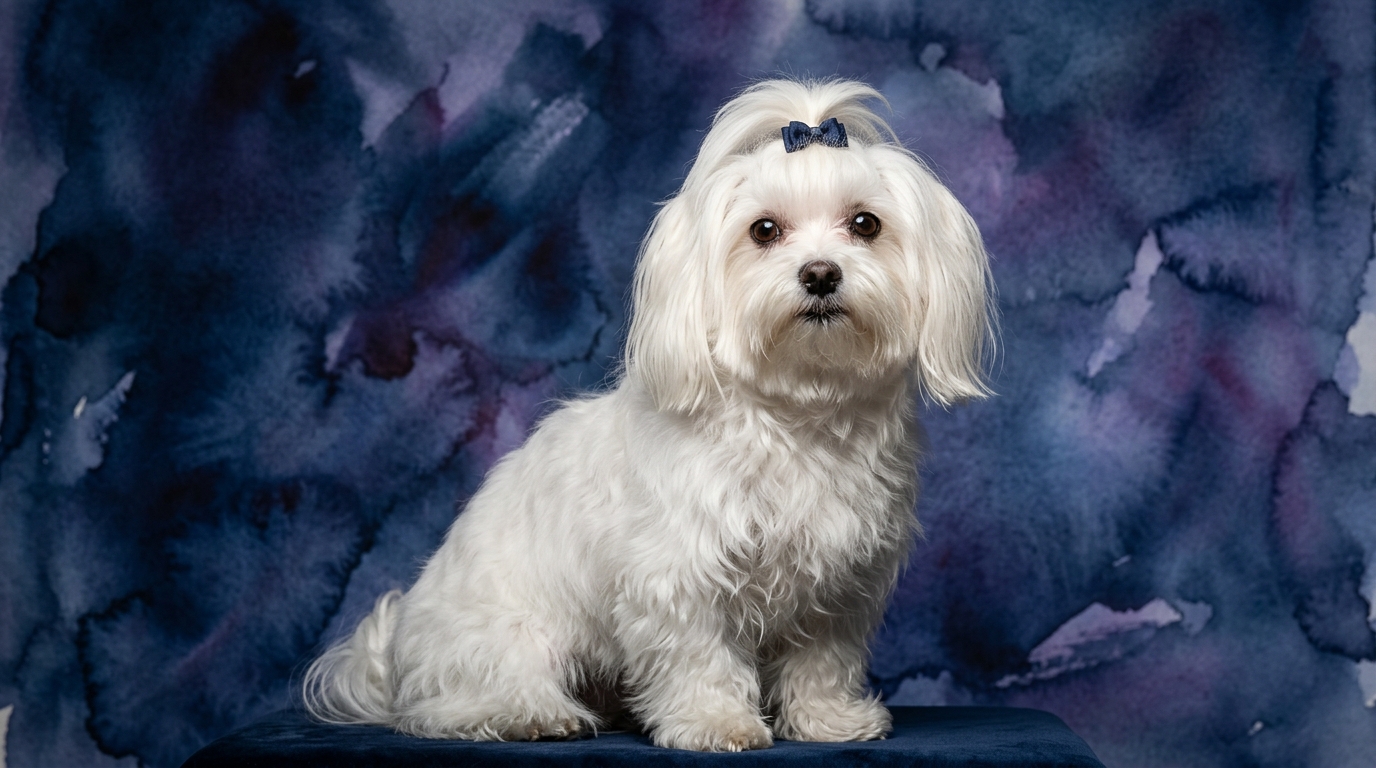
Side-by-Side IQ Profile: Vizsla vs. Maltese
The Cosmic Pet Pet IQ Lab categorizes canine intelligence across five critical dimensions, offering a nuanced view beyond simple obedience. For the Vizsla, a breed ranked #31 by Coren, its scores reflect a dog built for purpose and partnership. Its problem-solving ability stands at 4/5, indicating a strong capacity to navigate complex situations and adapt strategies. Training speed is also rated 4/5, suggesting these dogs grasp new commands and routines with efficiency. Social intelligence reaches a perfect 5/5, highlighting their exceptional attunement to human emotional states and cues, fostering deep bonds. Instinctive drive, a hallmark of sporting breeds, is an impressive 5/5, signifying a powerful inherent urge to hunt, retrieve, and engage in directed activities. Memory for the Vizsla is 4/5, enabling them to retain intricate sequences and past experiences effectively.
In contrast, the Maltese, a charming toy breed with a Coren rank of #59, presents a different cognitive landscape tailored for companionship. Its problem-solving capacity registers at 3/5; while capable of learning, they may not exhibit the same innovative approach to complex puzzles as the Vizsla. Training speed is similarly 3/5, meaning they can be trained, but might require more patience and repetition to solidify new behaviors. Where the Maltese truly shines is in social intelligence, also achieving a perfect 5/5; their entire evolutionary path has focused on exquisite sensitivity to human interaction and emotional connection. Instinctive drive is notably lower at 2/5, reflecting a minimal prey drive and a primary focus on being a cherished lap companion rather than a working animal. Memory for the Maltese is 3/5, sufficient for remembering routines and basic commands, but perhaps less adept at recalling extensive sequences or intricate tasks.
Where the Vizsla Excels Cognitively
The Vizsla's cognitive strengths are deeply rooted in its heritage as a versatile hunting dog, demanding a mind that processes information rapidly and acts decisively. Their 4/5 problem-solving score translates into a dog that can independently assess and navigate dynamic environments, whether it's figuring out how to retrieve a toy from a tricky spot or learning complex agility courses. This breed demonstrates an operational intelligence, where abstract learning is often applied to tangible tasks, making them adept at multi-step commands and intricate scent work. Coupled with their 5/5 instinctive drive, Vizslas possess an innate motivation to engage with their surroundings, constantly seeking out opportunities to work and learn. This drive isn't just about physical activity; it fuels their mental engagement, making them eager participants in any challenge presented by their human partners. Their superior memory (4/5) allows them to build upon past lessons, refining skills over time and remembering complex patterns of behavior or routes during outdoor excursions.
Where the Maltese Demonstrates Unique Cognitive Strengths
While the Vizsla excels in task-oriented cognition, the Maltese showcases a refined intelligence centered on social and emotional attunement. Their perfect 5/5 social intelligence score is not merely about being affectionate; it signifies a profound capacity to read human body language, vocal inflections, and emotional states with remarkable accuracy. This allows them to anticipate needs, offer comfort, and seamlessly integrate into the human family unit, often becoming exceptionally sensitive companions. A Maltese might not solve a complex puzzle box as quickly as a Vizsla, but it might be quicker to pick up on a subtle shift in its owner's mood, responding with a comforting nudge or a playful distraction. Their lower instinctive drive (2/5) means their cognitive resources are less diverted by external stimuli like chasing squirrels, allowing for a more concentrated focus on their human interactions. This focused social processing, combined with their 3/5 memory, ensures they remember who provides comfort, who plays games, and the routines that lead to their favorite human interactions, reinforcing the strong bonds they form.
Ease of Training: Vizsla vs. Maltese
When it comes to training, the Vizsla generally presents a more straightforward path for an engaged owner, primarily due to its higher scores in training speed (4/5) and instinctive drive (5/5). Vizslas are often eager to please and find intrinsic reward in performing tasks, especially those that mimic their natural sporting instincts. Their quick grasp of commands means fewer repetitions are needed, and they often respond well to positive reinforcement methods that incorporate activities like retrieving or scent games. Their drive means they are often motivated by the 'job' itself, making them receptive to structured training sessions that challenge their problem-solving abilities. However, their high energy and drive also mean they require consistent mental and physical outlets; without sufficient engagement, their intelligence can manifest as unwanted behaviors like excessive chewing or digging.
The Maltese, with a training speed of 3/5, can certainly be trained, but the approach often needs to differ. They may require more patience and consistency, with shorter, more frequent training sessions to maintain focus. Their primary motivation often stems from social reward—praise, affection, and treats—rather than the satisfaction of completing a 'task' in the same vein as a Vizsla. While they are sensitive to human cues (social intelligence 5/5), their lower instinctive drive (2/5) means they might not naturally gravitate towards complex obedience routines or high-energy sports. Therefore, training a Maltese often involves leveraging their desire for companionship and positive reinforcement to build a repertoire of behaviors, focusing on good manners and house-training, which they are perfectly capable of mastering with dedicated effort.
Suitability for Active vs. Relaxed Lifestyles
The stark differences in cognitive profiles between the Vizsla and Maltese directly inform their suitability for various owner lifestyles. A Vizsla thrives with active owners who can meet its significant demands for both physical exertion and mental stimulation. Owners who enjoy long hikes, running, cycling with their dog, or participating in dog sports like agility, flyball, or scent work will find the Vizsla a willing and capable partner. Their 5/5 instinctive drive and 4/5 problem-solving intellect mean they require a 'job' or consistent engagement to prevent boredom and potential behavioral issues. An owner who can channel this energy and intelligence into constructive activities will be rewarded with a devoted and well-adjusted companion.
Conversely, the Maltese is an ideal match for more relaxed owners seeking a devoted lap companion. Their lower instinctive drive (2/5) and moderate activity needs mean they are content with shorter walks, indoor play, and extensive cuddle sessions. Their exceptional 5/5 social intelligence ensures they are deeply bonded to their human family, thriving on constant proximity and affection. While they still benefit from mental enrichment like puzzle toys or learning new tricks, their cognitive needs are primarily met through social interaction and gentle routines rather than rigorous physical or mentally demanding tasks. They are well-suited for apartment living or homes with less outdoor space, as long as their need for human connection is abundantly met.
The Verdict
Choose a Vizsla if you seek a highly engaged, energetic partner for outdoor adventures and complex training, valuing a dog that thrives on purpose and shared activity.
Opt for a Maltese if your lifestyle is more relaxed, prioritizing a deeply affectionate, socially attuned companion who excels in close human interaction and gentle routines.
🧠 Find Your Pet's IQ Score
Our Pet IQ Lab assessment covers 25+ tests across 5 cognitive dimensions — personalized to your breed.
Take the Full IQ Test →Frequently Asked Questions
How much mental stimulation does a Vizsla require daily?
Vizslas need significant mental stimulation, ideally incorporating daily training sessions, puzzle toys, and activities that engage their problem-solving skills and instinctive drives, such as scent games or agility exercises. At least 30-60 minutes of focused mental work, alongside ample physical exercise, is beneficial.
Are Maltese dogs difficult to house-train due to their IQ scores?
Maltese dogs are not inherently difficult to house-train; their 3/5 training speed means consistency and patience are key. They respond well to positive reinforcement and a strict schedule, learning effectively when motivated by praise and treats, despite having lower problem-solving scores than some other breeds.
Can a Vizsla and a Maltese coexist well in the same household?
Yes, a Vizsla and a Maltese can coexist, but careful management of their differing energy levels and play styles is essential. The Vizsla's intense play and high drive would need to be tempered to avoid overwhelming the smaller, more delicate Maltese, ensuring both breeds feel secure and their individual needs are met.