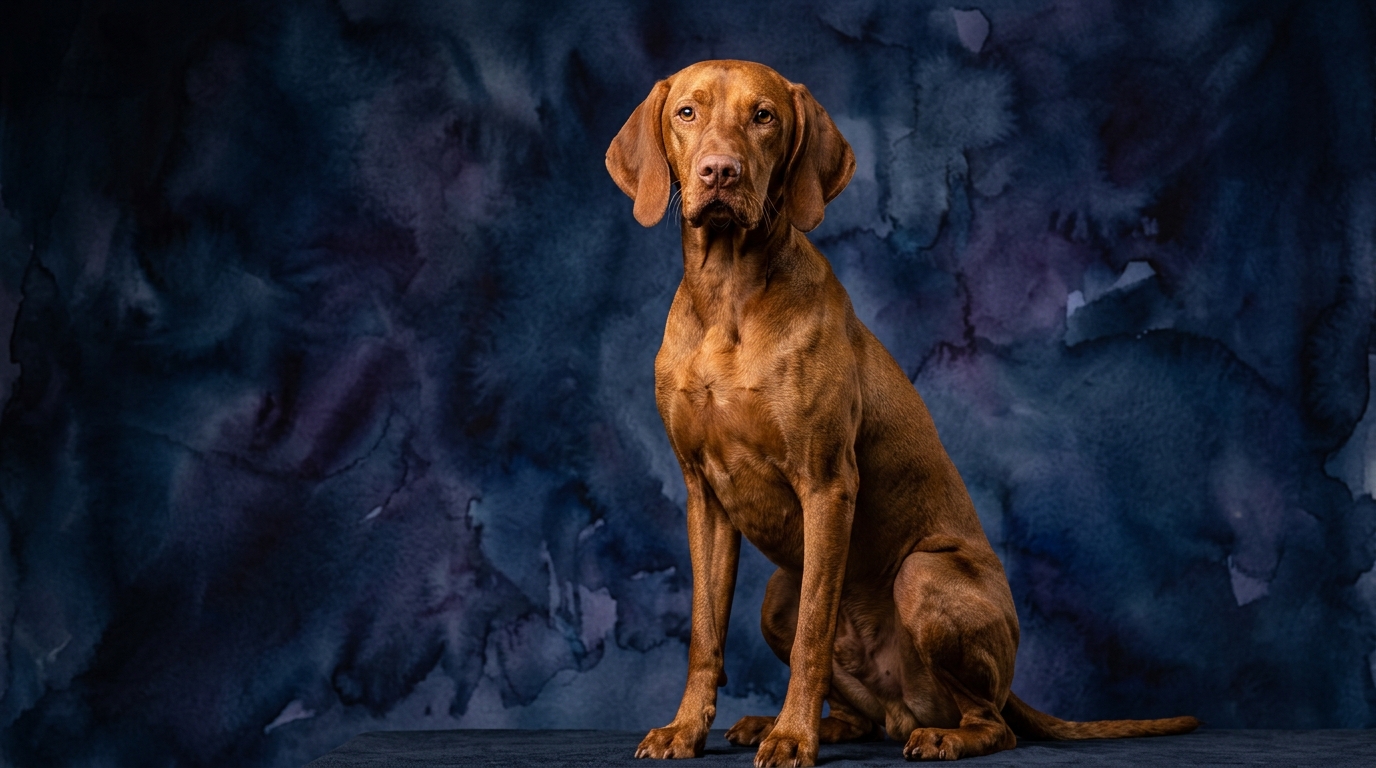
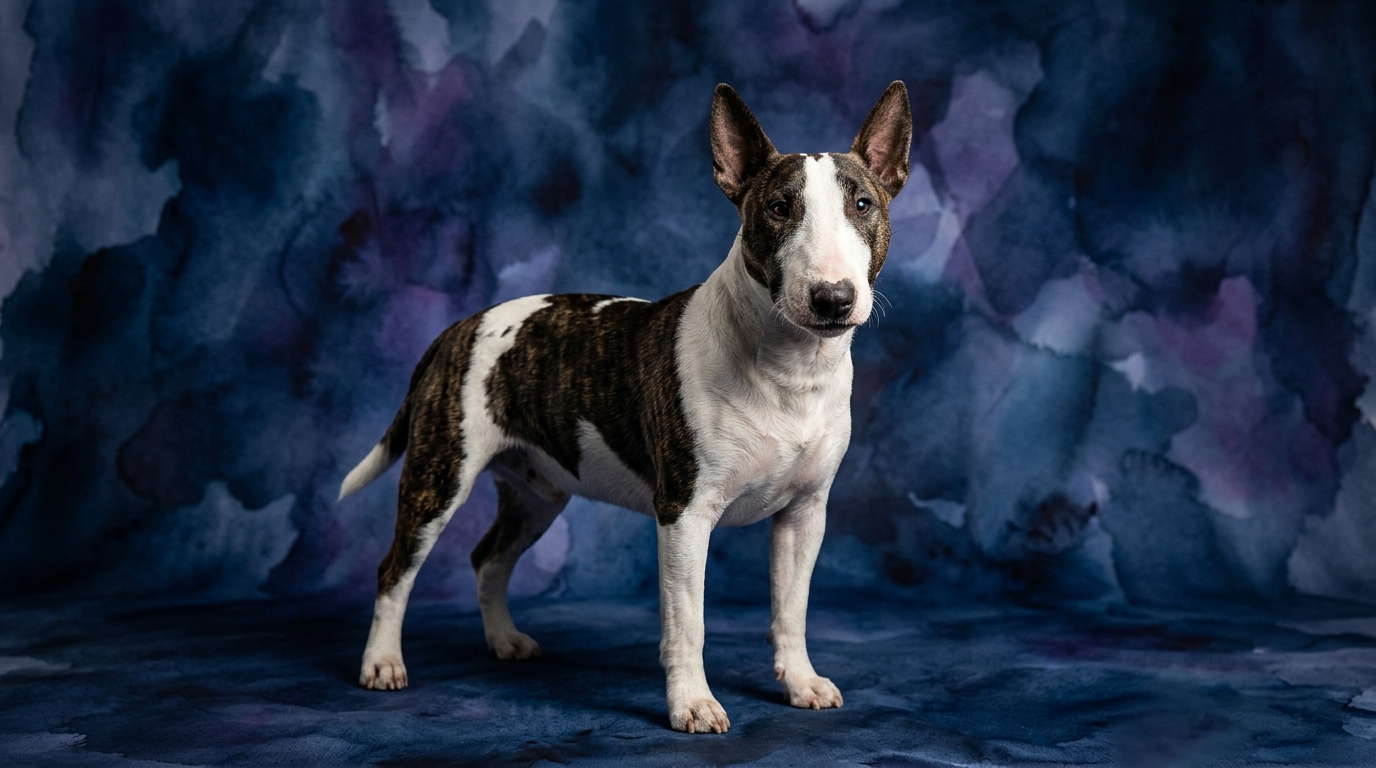
Side-by-Side IQ Profile
The Cosmic Pet Pet IQ Lab employs five key dimensions to evaluate canine cognition, offering a granular view beyond general perceptions. For the Vizsla, a Sporting Group member, these dimensions paint a picture of a highly responsive and cooperative partner. Their problem-solving ability, rated 4 out of 5, reflects an aptitude for navigating complex environments and devising solutions, often in pursuit of a scent or game. Training speed, also 4 out of 5, indicates a quick grasp of new commands and a strong desire to please, making them eager learners. Social intelligence, an exceptional 5 out of 5, highlights their profound attunement to human emotions and intentions, fostering deep, intuitive bonds. An instinctive drive of 5 out of 5 underscores their powerful genetic programming for hunting, retrieving, and tireless activity. Finally, their memory, at 4 out of 5, allows them to retain learned tasks, routines, and specific locations with impressive accuracy.
In contrast, the Miniature Bull Terrier, a Terrier Group breed not ranked on the Coren scale, exhibits a different cognitive profile, reflecting their independent spirit and tenacity. Their problem-solving ability scores 3 out of 5; these dogs are resourceful and can devise their own strategies, though sometimes with a stubborn streak that prioritizes their methods. Training speed is also 3 out of 5, meaning they learn at a moderate pace, often requiring consistent, engaging methods to maintain focus and overcome their independent nature. Social intelligence, at 3 out of 5, suggests they are affectionate with their chosen people but might be less overtly communicative or sensitive to subtle human cues compared to the Vizsla. Their instinctive drive, 3 out of 5, manifests as a characteristic terrier tenacity and prey drive, focused on digging, chasing, or engaging with objects, rather than cooperative work. Memory, rated 3 out of 5, allows them to retain commands and routines, yet their independent spirit might occasionally overshadow immediate recall.
Where Vizsla Wins Cognitively
The Vizsla's cognitive strengths distinctly align with their historical role as a close working companion. Their superior social intelligence (5/5) means they are exceptionally perceptive of human moods and non-verbal cues, making them remarkably intuitive partners who often anticipate their owner's next move. This deep emotional attunement facilitates a seamless cooperative relationship, where the Vizsla actively seeks to engage and understand. Furthermore, their rapid training speed (4/5) combined with strong problem-solving skills (4/5) allows them to master complex sequences and adapt quickly to new commands or situations, proving adept at advanced obedience, agility, and scent work. The Vizsla’s intense instinctive drive (5/5) is not just about physical energy; it’s a focused mental energy, directing their problem-solving and memory towards purposeful tasks, whether it’s tracking a scent or retrieving a specific item, demonstrating a profound dedication to their work. This blend of attributes enables them to excel in roles requiring continuous mental engagement and partnership.
Where Miniature Bull Terrier Wins Cognitively
While the Miniature Bull Terrier's scores might appear lower, their cognitive profile reflects a different kind of strength, rooted in their terrier heritage. Their problem-solving ability (3/5), though not as cooperative as the Vizsla's, shines in independent contexts. These dogs are resourceful and capable of devising clever, sometimes mischievous, solutions to challenges, such as figuring out how to access a forbidden treat or escape a confinement. This innate ingenuity means they can entertain themselves and navigate novel situations with a degree of self-reliance, rather than constantly seeking human direction. Their instinctive drive (3/5), though less focused on partnership, translates into a tenacious determination. Once a Mini Bull Terrier sets its mind on a task, whether it's digging a hole or retrieving a specific toy, they exhibit remarkable persistence, demonstrating a single-minded focus that can be channeled effectively with engaging stimulation. Their unique social intelligence (3/5) fosters deep, though sometimes less demonstrative, bonds with their family, valuing companionship on their own terms and offering a devoted, if often self-possessed, presence.
Which is Easier to Train and Why
When it comes to ease of training, the Vizsla generally presents a more straightforward path for owners due to their distinct cognitive advantages. Their exceptional social intelligence (5/5) means they are inherently motivated to cooperate and please their human companions, making them highly responsive to praise and positive reinforcement. This intrinsic desire to work alongside their owner, combined with a quick training speed (4/5) and robust memory (4/5), allows Vizslas to grasp new commands rapidly and retain them consistently. They are often eager to learn and will actively seek out opportunities for engagement.
In contrast, the Miniature Bull Terrier, with a training speed of 3/5 and social intelligence of 3/5, requires a more patient, creative, and consistent approach. Their independent nature and tendency towards self-directed problem-solving (3/5) mean they may question commands or try to find alternative solutions that suit them better. Training a Miniature Bull Terrier often involves transforming learning into a game, leveraging their tenacity and sense of humor. Owners must be prepared for potential stubbornness and the need for varied, interesting training sessions to keep these clever dogs engaged, rather than relying solely on their desire to please.
Which Suits Active Owners vs Relaxed Owners
The choice between a Vizsla and a Miniature Bull Terrier significantly depends on an owner's lifestyle and their capacity for engagement. The Vizsla, with its powerful instinctive drive (5/5) and strong problem-solving acumen (4/5), thrives with active owners who can provide ample physical exercise and consistent mental stimulation. These dogs excel in activities like running, hiking, swimming, and various dog sports such as agility, obedience, and field trials. A Vizsla requires significant daily outlets for its energy and intelligence; a relaxed, sedentary owner would likely find their Vizsla becoming bored, potentially leading to destructive behaviors or excessive vocalization born of unmet needs. They are partners for adventure, eager to participate in every outing.
The Miniature Bull Terrier, while still requiring regular exercise to maintain health and prevent boredom, is often better suited to owners who appreciate a dog with bursts of energy interspersed with periods of relaxed companionship. Their instinctive drive (3/5) means they enjoy playtime, walks, and mental puzzles, but they might not demand the same intensity or duration of structured activity as a Vizsla. They can adapt to a slightly less rigorous schedule, provided their minds are kept engaged with varied activities and their natural terrier tendencies for digging or chasing are appropriately managed. A relaxed owner who enjoys clever, independent company and can offer consistent, engaging training and moderate daily activity might find a Miniature Bull Terrier a delightful fit.
The Verdict
Opt for a Vizsla if you lead an active lifestyle, desire a highly cooperative and deeply bonded companion eager for mental and physical challenges, and are prepared for a dog that thrives on partnership and purpose.
Select a Miniature Bull Terrier if you appreciate an independent spirit, enjoy a dog with unique problem-solving abilities and a tenacious character, and are ready for consistent, creative training to channel their cleverness.
🧠 Find Your Pet's IQ Score
Our Pet IQ Lab assessment covers 25+ tests across 5 cognitive dimensions — personalized to your breed.
Take the Full IQ Test →Frequently Asked Questions
Are Vizslas good for first-time dog owners?
Vizslas can be suitable for first-time owners who are committed to providing significant exercise, consistent positive reinforcement training, and ample social interaction; their biddable nature and desire to please are advantages, but their high energy and intelligence require dedication.
Do Miniature Bull Terriers require a lot of exercise?
Miniature Bull Terriers need regular daily exercise to stay healthy and happy, typically a good walk or playtime, but generally not the intense, prolonged activity levels demanded by a high-drive sporting dog like a Vizsla; mental stimulation is equally important to prevent boredom.
How do their social needs compare?
Vizslas have exceptionally high social intelligence and thrive on constant human interaction, forming very deep bonds and often experiencing separation anxiety if left alone too long; Miniature Bull Terriers are affectionate with their family but tend to be more independent, valuing companionship on their own terms and generally more tolerant of alone time once properly exercised and trained.