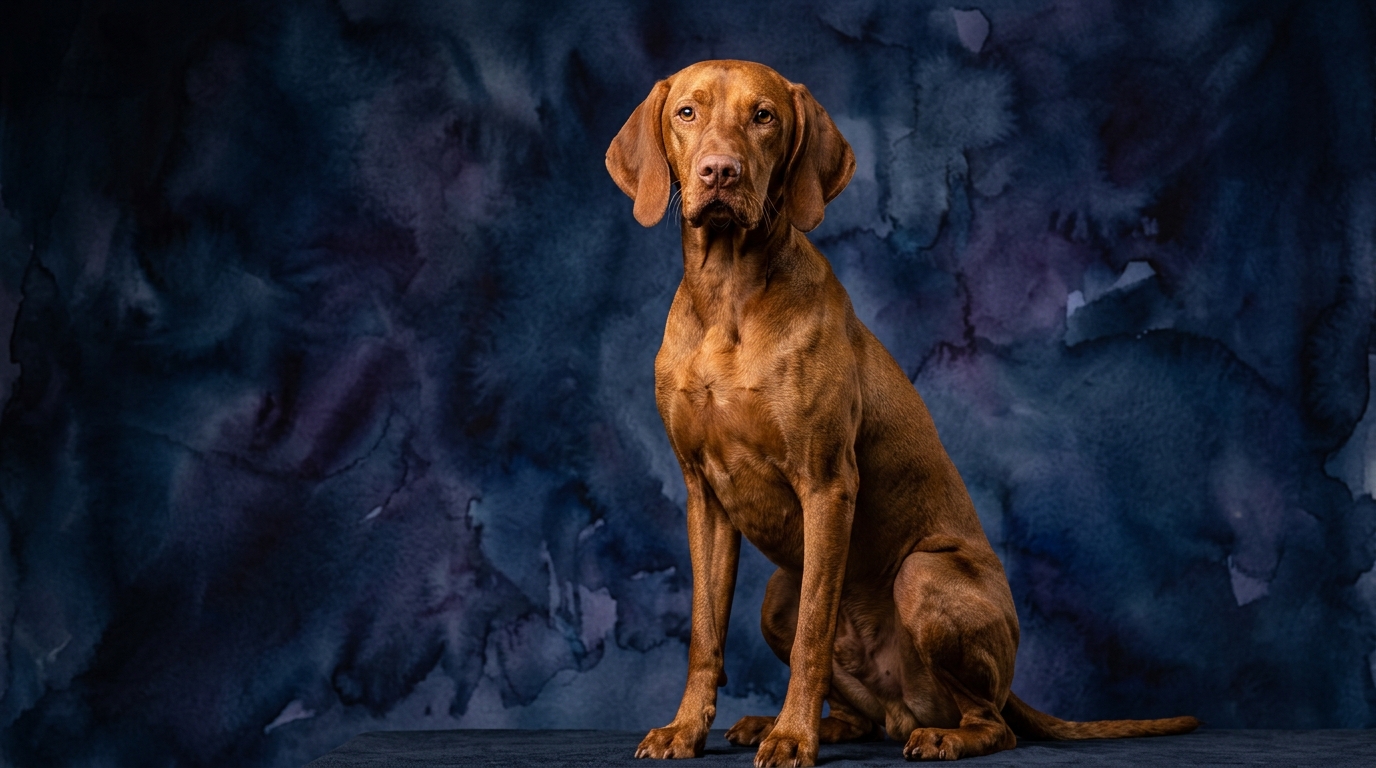
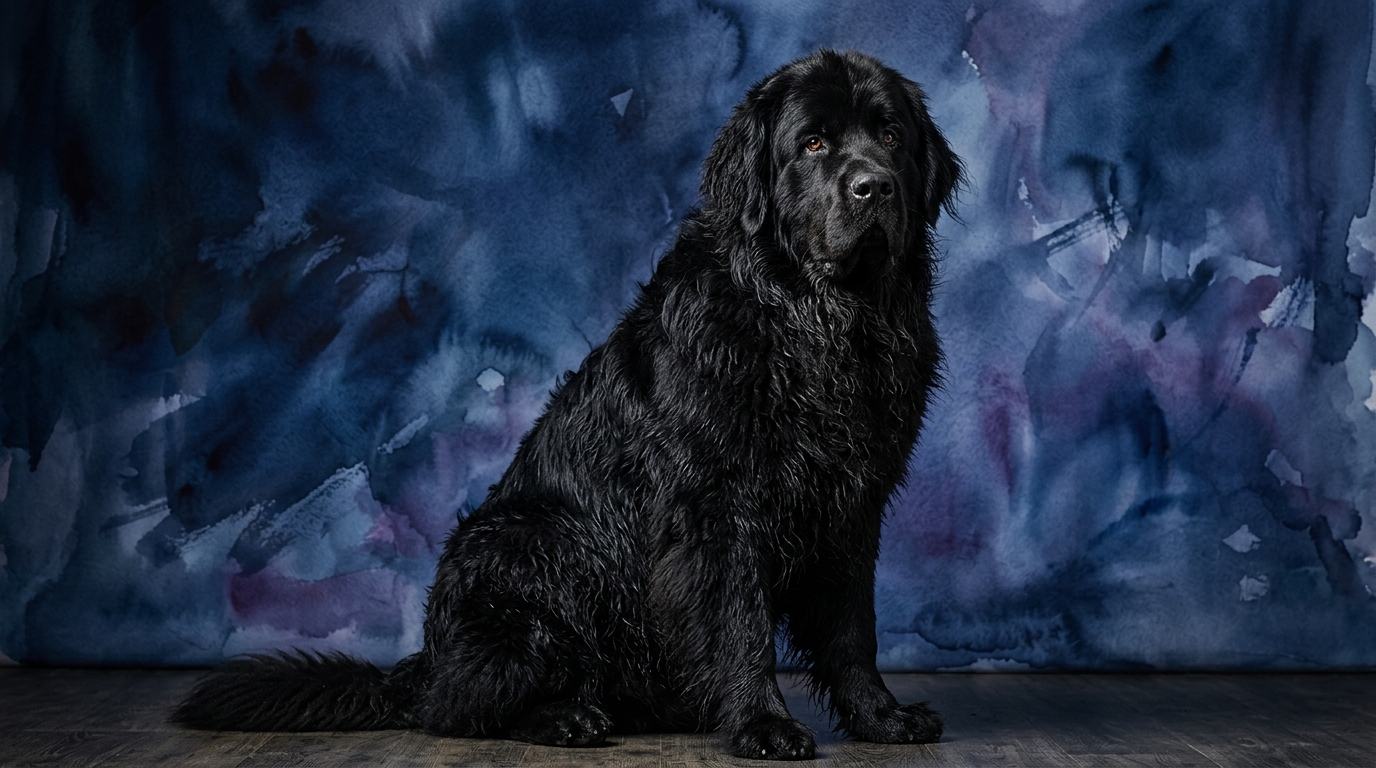
Side-by-Side IQ Profile: Vizsla vs. Newfoundland
**Vizsla (Sporting, Coren #31)**
**Problem Solving (4/5):** The Vizsla excels in independent thought and creative solutions, quickly analyzing new situations and adapting strategies. This aptitude is a hallmark of their field work, where rapid decision-making is critical.
**Training Speed (4/5):** Vizslas are quick studies, eagerly responding to instruction. Their keen focus and desire to collaborate mean new commands are typically grasped with impressive speed, given stimulating, positive training.
**Social Intelligence (5/5):** Profoundly attuned to human emotions, the Vizsla thrives on companionship, forming deep bonds. They often anticipate their owner's moods, making them exceptionally empathetic family members.
**Instinctive Drive (5/5):** A powerful, inherent drive defines the Vizsla, rooted in their sporting heritage as pointers and retrievers. This manifests as an intense desire to hunt, track, and retrieve, requiring outlets for their boundless energy.
**Memory (4/5):** Vizslas possess excellent memory, retaining complex sequences and commands over long periods. This cognitive strength significantly contributes to their trainability and ability to recall past experiences.
**Newfoundland (Working, Coren #34)**
**Problem Solving (3/5):** Newfoundlands approach challenges thoughtfully and deliberately, often valuing patience over speed. They can systematically work through problems, especially those tied to their protective or water rescue instincts.
**Training Speed (4/5):** Highly trainable, Newfoundlands demonstrate a strong willingness to learn and please. They respond well to positive reinforcement, though complex tasks might require more consistent repetition for generalization.
**Social Intelligence (5/5):** Matching the Vizsla, Newfoundlands excel in empathy, patience, and a gentle nature. They are renowned for their calm demeanor and ability to discern emotional states, making them superb companions.
**Instinctive Drive (5/5):** The Newfoundland's powerful drive is tied to their historical role as water rescue dogs and guardians. This manifests as a profound desire to protect, a strong affinity for water, and a watchful, responsible nature.
**Memory (4/5):** Newfoundlands have a commendable memory, reliably recalling commands, routines, and past experiences. This aids in their training and reinforces their steady, dependable character.
Where the Vizsla Wins Cognitively
The Vizsla's primary cognitive advantage lies in its superior Problem Solving ability, scoring 4/5 compared to the Newfoundland's 3/5. This translates into a quicker capacity for independent thought and adaptive reasoning. When faced with a new puzzle or an unfamiliar situation, a Vizsla is generally more adept at rapidly assessing and formulating a solution. Their sporting background demands this swift intellectual agility; a hunting dog often makes split-second decisions in dynamic, unpredictable environments without direct instruction. This quick-thinking aptitude makes Vizslas exceptionally suited for complex obedience, agility, or scent work, where novel challenges are frequent and active enjoyment of the learning process is evident.
Where the Newfoundland Wins Cognitively
While the Newfoundland's Problem Solving score is slightly lower, its unique cognitive strengths emerge through the application of its equally high Social Intelligence (5/5) and Instinctive Drive (5/5). The Newfoundland 'wins' in scenarios demanding unwavering patience, profound empathy, and a deliberate, steady approach to protective or rescue tasks. Their cognitive processing, though perhaps slower to innovate, often leads to more measured and consistent responses, especially in high-stakes situations where calm discernment is paramount. This cognitive framework is optimized for tasks requiring immense emotional resilience and a steadfast commitment to care, making them unparalleled in roles demanding gentleness and reliability.
Which is Easier to Train and Why
Both breeds score 4/5 in Training Speed, indicating general responsiveness. However, the Vizsla, with its 4/5 Problem Solving and 5/5 Instinctive Drive, often grasps complex commands and multi-step routines with remarkable speed, thriving on varied, engaging sessions. Their high energy and demand for continuous mental engagement mean consistent, stimulating training is crucial to prevent boredom. The Newfoundland, with its 5/5 Social Intelligence and desire to please, is incredibly compliant once a behavior is learned, though its 3/5 Problem Solving might necessitate more repetition and smaller steps for novel concepts. Their training success often hinges on positive reinforcement and building a strong, trusting bond, aligning with their empathetic nature.
Suitability for Active vs. Relaxed Owners
The Vizsla is unequivocally suited for active owners. Their 5/5 Instinctive Drive for hunting and 4/5 Problem Solving demand extensive physical exercise and constant mental stimulation. Owners who enjoy daily long runs, hiking, or dog sports will find a Vizsla an engaged companion; without these outlets, they can become bored or destructive. The Newfoundland, while also having a 5/5 Instinctive Drive (water rescue, guarding), can adapt to a broader spectrum of owner activity levels, provided 'relaxed' doesn't mean 'inactive.' They require regular, moderate exercise like long walks or swimming, appreciating a steady routine and family inclusion, making them suitable for active families not necessarily seeking extreme sports partners.
The Verdict
Choose a Vizsla if you are an active, experienced owner seeking a highly engaged, quick-thinking companion for dynamic sports, hunting, or complex training challenges. They thrive on constant mental and physical stimulation.
Opt for a Newfoundland if you desire a patient, empathetic, and steadfast companion who excels in roles requiring gentleness, watchful guardianship, or water activities, and you appreciate a more deliberate, consistent learning style.
🧠 Find Your Pet's IQ Score
Our Pet IQ Lab assessment covers 25+ tests across 5 cognitive dimensions — personalized to your breed.
Take the Full IQ Test →Frequently Asked Questions
Do Vizslas need more mental exercise than Newfoundlands?
Yes, Vizslas generally require more intense and varied mental exercise due to their higher Problem Solving score (4/5). They need puzzles, complex training, and opportunities to make independent decisions to prevent boredom, whereas Newfoundlands (3/5) benefit more from consistent, purposeful routines.
Are Newfoundlands good with children because of their intelligence?
Newfoundlands excel with children primarily due to their exceptional Social Intelligence (5/5) and inherent gentle, patient nature. Their cognitive empathy allows them to understand and respond sensitively to the needs of young family members, making them protective and calm companions.
How does instinctive drive differ between these two breeds?
Both score 5/5 in Instinctive Drive, but the nature of the drive differs: Vizslas have a strong hunting, pointing, and retrieving drive, demanding outlets for their prey instinct. Newfoundlands possess a powerful water rescue and guardianship drive, manifesting as a desire to protect and care for their family.