Side-by-Side IQ Profile: Vizsla vs. Parson Russell Terrier
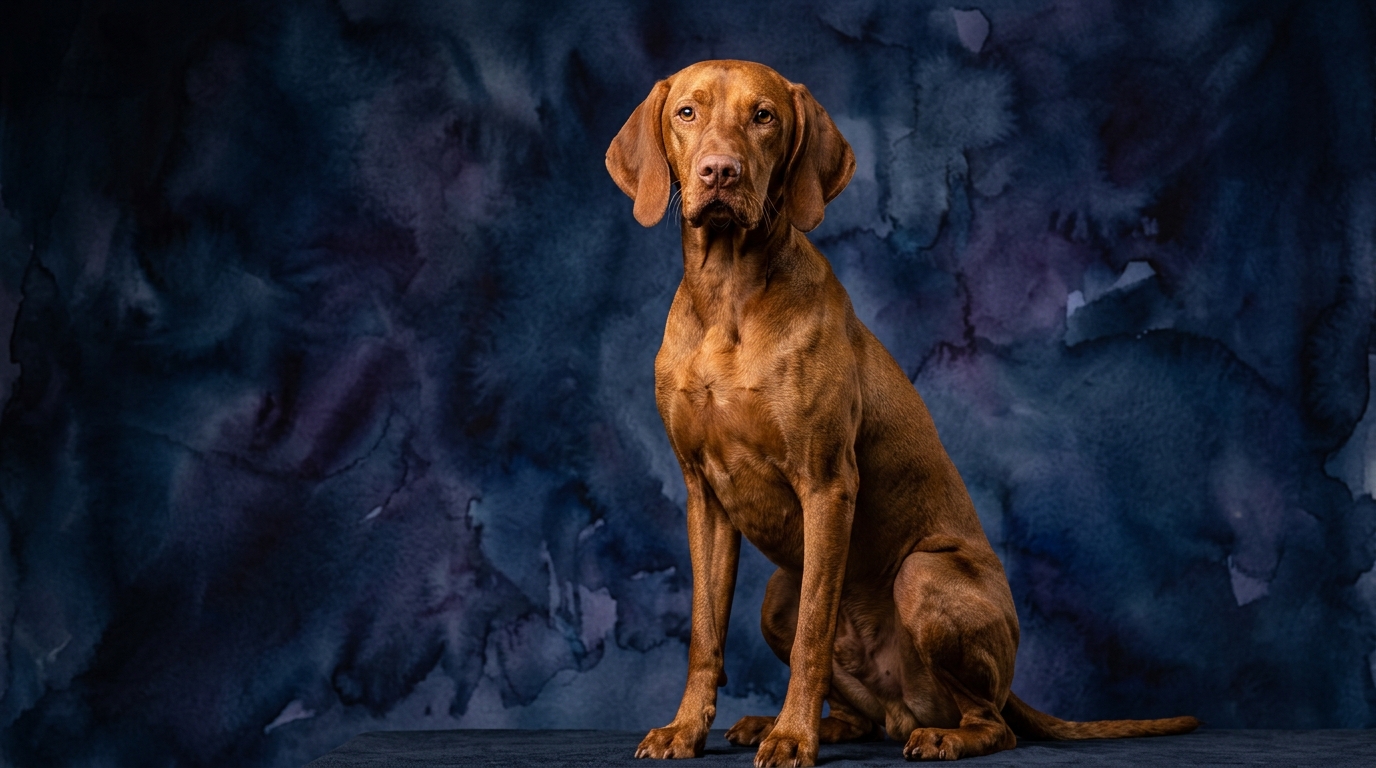
The Cosmic Pet Pet IQ Lab's assessment provides a detailed look at the cognitive architecture of these two breeds, highlighting where their mental faculties are most pronounced. For the Vizsla, a Sporting Group dog with a Coren rank of #31, its profile paints a picture of a highly collaborative and adaptable intellect. It scores 4/5 in Problem Solving, indicating strategic thinking and quick adaptation to new situations, reflecting its versatile hunting heritage. Training Speed is also 4/5, demonstrating a capacity for rapid learning and command acquisition, driven by an eagerness to please. Its Social Intelligence stands at an exceptional 5/5, showcasing a deep understanding of human cues and a strong desire for companionship. Instinctive Drive is a perfect 5/5, encompassing a broad range of hunting behaviors like scenting, pointing, and retrieving, applied cooperatively. Finally, its Memory is rated 4/5, allowing for retention of complex sequences and routines.
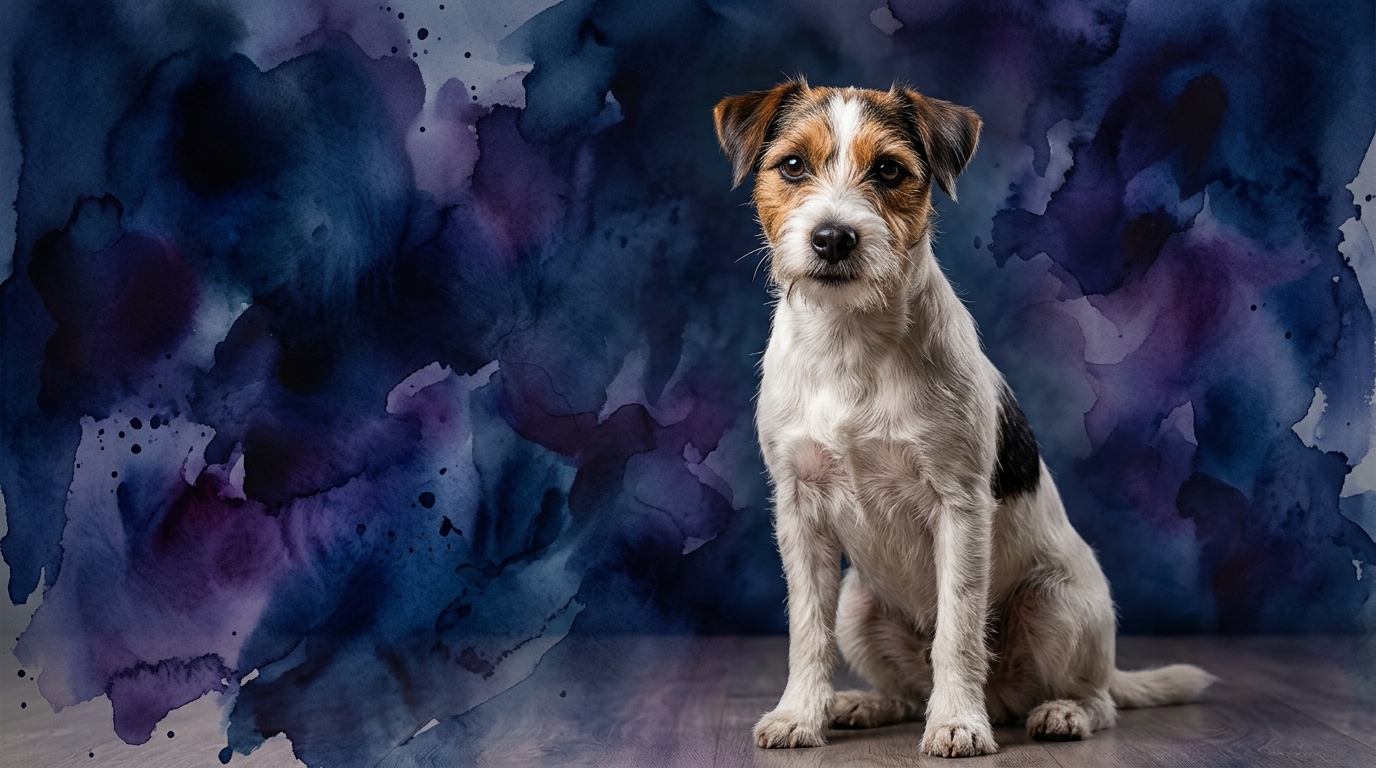
In contrast, the Parson Russell Terrier, a Terrier Group dog not listed on the Coren ranking, presents a different cognitive emphasis, one rooted in independent and tenacious work. Its Problem Solving is rated 3/5, reflecting a resourceful approach to immediate, often physical, challenges, particularly in confined spaces. Training Speed is 3/5, indicating that while capable of learning, this breed often requires more patience and creative engagement due to its strong will and independent focus. Social Intelligence is 3/5; while sociable, the Parson Russell Terrier tends to be more self-directed, valuing its investigative pursuits. Its Instinctive Drive, also 3/5, is intensely focused on specific terrier tasks like flushing prey from burrows, showcasing relentless determination. Memory stands at 3/5, effectively serving its independent nature by retaining information pertinent to its specific objectives and explorations.
Where the Vizsla Wins Cognitively
The Vizsla's cognitive strengths shine particularly bright in areas demanding cooperative intelligence and nuanced communication. Their exceptional social intelligence (5/5) means they are profoundly attuned to human signals, making them partners who not only understand commands but often anticipate intentions. This deep connection facilitates complex training regimens and allows for fluid, almost telepathic, teamwork in activities like advanced obedience or intricate field trials. Furthermore, their superior problem-solving (4/5) and memory (4/5) enable them to excel at multi-stage tasks, adapting strategies based on feedback and recalling lengthy sequences of actions, a distinct advantage over the more independent problem-solving style of the Parson Russell Terrier. Their broad instinctive drive (5/5) also allows for greater versatility in learning and applying various hunting-related skills, from pointing to retrieving, with a strong focus on working *with* their human.
Where the Parson Russell Terrier Wins Cognitively
While the Vizsla excels in cooperative tasks, the Parson Russell Terrier's cognitive advantages lie in independent, tenacious problem-solving, particularly in challenging, self-driven scenarios. Their problem-solving (3/5) might be rated lower but is characterized by an unwavering determination to overcome obstacles, a crucial trait for their original role of flushing prey from underground. This isn't about following complex human instructions but about figuring things out on their own, often through sheer will and physical persistence. Their focused instinctive drive (3/5) for digging and chasing, while specific, is incredibly powerful and unwavering. When a Parson Russell Terrier sets its mind to a task, especially one involving a scent or a perceived 'prey,' their cognitive resources are entirely dedicated to that singular pursuit, demonstrating a unique kind of focused intelligence and resilience that is less about human collaboration and more about self-reliance and grit.
Which is Easier to Train and Why
Evaluating ease of training between these two breeds reveals distinct approaches rooted in their core cognitive profiles. The Vizsla, with its 4/5 training speed and perfect 5/5 social intelligence, generally presents a more straightforward training experience. They possess an inherent desire to please their human companions, making them highly responsive to positive reinforcement and eager to learn new commands. Their sensitivity means they thrive on encouragement and clear, consistent communication, readily forming strong associations between actions and rewards. This breed's collaborative nature means they actively seek to understand and comply, often making training feel like a shared endeavor.
In contrast, the Parson Russell Terrier, with a 3/5 in both training speed and social intelligence, requires a more nuanced and patient training strategy. Their strong independent streak and intense prey drive mean they can be easily distracted and may perceive training as less compelling than an intriguing scent or a potential chase. Training a Parson Russell Terrier necessitates making the process incredibly engaging, fun, and varied, often incorporating their natural instincts into games and puzzles. Success with a PRT hinges on consistency, creativity, and a deep understanding of their terrier tenacity, rather than relying on their desire to simply 'please' an owner. While both breeds are capable learners, the Vizsla's inherent cooperativeness makes the journey generally smoother for the average owner.
Which Suits Active Owners vs. Relaxed Owners
Neither the Vizsla nor the Parson Russell Terrier are suited for truly 'relaxed' owners in the traditional sense, as both breeds possess substantial energy and mental needs. However, the *type* of activity and engagement they demand differs significantly. A Vizsla thrives with owners who are genuinely active and seek a canine partner for extensive outdoor adventures, such as long runs, hikes, or cycling. They require not just physical exercise but also considerable mental stimulation through advanced training, scent work, and interactive games that leverage their cooperative problem-solving and social intelligence. Owners must be prepared for a constant companion who craves deep emotional connection and inclusion in family life.
For the Parson Russell Terrier, the activity requirement is equally high but often manifests in bursts of intense, focused energy. They need outlets for their strong digging, chasing, and exploring instincts, which can be satisfied through earthdog trials, agility, or vigorous play sessions. Owners must be able to provide structured challenges that engage their independent problem-solving and tenacious drive. While they enjoy companionship, a PRT is often content to pursue their own investigations, making them a fit for owners who appreciate a dog with a robust personality and can channel their terrier enthusiasm into productive outlets, rather than expecting constant, direct interaction.
The Verdict
If you seek a deeply cooperative, sensitive, and versatile canine partner eager for complex training and shared adventures, the Vizsla is likely your ideal match.
For owners who admire independent spirit, tenacious problem-solving, and a dog with focused, relentless drive for specific tasks, the Parson Russell Terrier will prove a rewarding companion.
🧠 Find Your Pet's IQ Score
Our Pet IQ Lab assessment covers 25+ tests across 5 cognitive dimensions — personalized to your breed.
Take the Full IQ Test →Frequently Asked Questions
Is a Vizsla good for a first-time dog owner?
A Vizsla can be a good fit for a first-time owner who is committed to providing extensive exercise, consistent positive reinforcement training, and ample social interaction. Their cooperative nature and eagerness to please can make training rewarding, but their high energy and need for companionship require significant dedication.
Do Parson Russell Terriers get along well with other pets?
Parson Russell Terriers can cohabitate with other pets, especially if introduced early and socialized extensively, but their strong prey drive means small, fast-moving animals might trigger their instincts. Careful supervision and management are crucial, particularly with cats or smaller rodents, to ensure harmonious living.
Which breed is more prone to separation anxiety?
Vizslas, with their exceptionally high social intelligence and strong bond with their families, are generally more prone to developing separation anxiety if left alone for extended periods. Their need for constant companionship can lead to distress, whereas Parson Russell Terriers, being more independent, typically handle solitude better, though they still require adequate mental and physical stimulation.