Side-by-Side IQ Profile
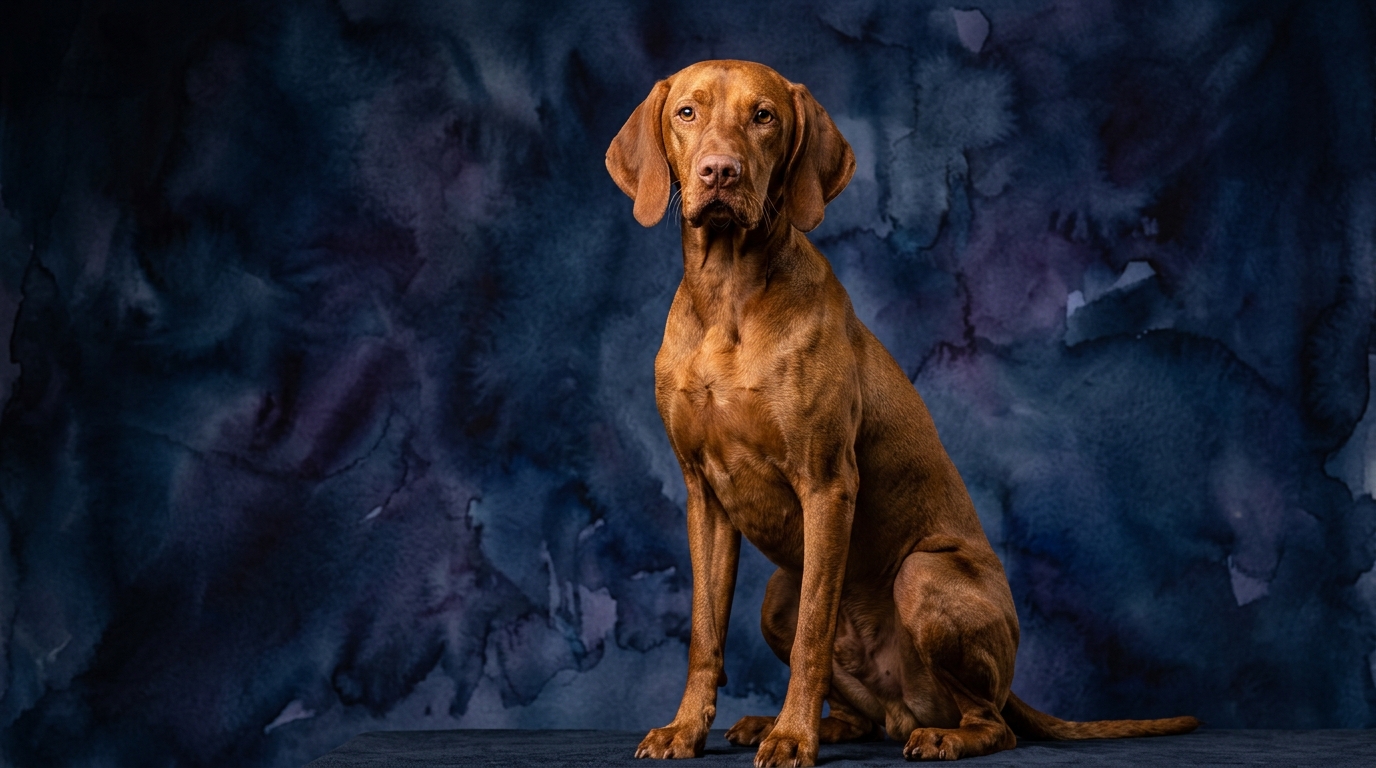
**Vizsla (Coren rank #31):** This sporting breed displays impressive cognitive agility. With problem-solving at 4/5 and training speed at 4/5, they quickly grasp new concepts and adapt to challenges. Their social intelligence shines at 5/5, indicating a deep understanding of human cues. An instinctive drive of 5/5 underscores their powerful natural urges for hunting and retrieving, complemented by a memory score of 4/5 for effective retention.
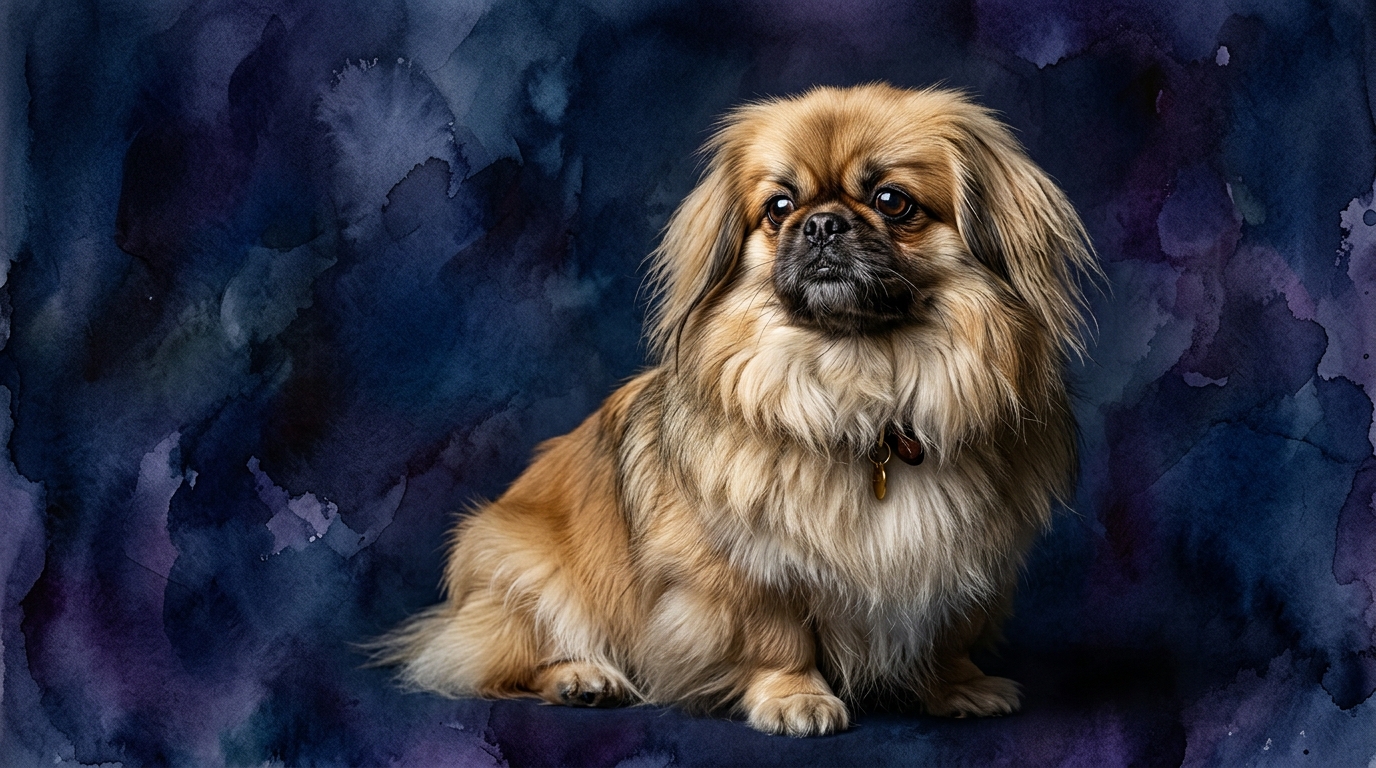
**Pekingese (Coren rank #77):** In contrast, the Pekingese, a toy breed, shows a different cognitive profile. Their problem-solving and training speed both sit at 3/5, indicating a moderate capacity for new challenges and learning. Social intelligence is also 3/5, suggesting adequate but not intense engagement with human interactions. An instinctive drive of 3/5 reflects a lower innate urge for activity, and their memory score of 3/5 means they retain information sufficiently for daily life without exceptional precision.
Where Vizsla Wins Cognitively
The Vizsla's cognitive profile demonstrates clear advantages in active engagement and rapid processing. Their superior problem-solving (4/5) allows them to quickly adapt to new environments and challenges, while high training speed (4/5) means they grasp commands with remarkable efficiency. Exceptional social intelligence (5/5) enables fine interpretation of human emotions, fostering a profound bond and responsiveness. This acute social awareness, combined with a powerful instinctive drive (5/5) for activity, means a Vizsla is always processing its surroundings, ready for interaction or adventure.
Their memory (4/5) further solidifies these wins; a Vizsla not only learns quickly but also retains that learning, crucial for complex sporting activities requiring consistent performance, whether it's recalling scent trails or specific retrieves.
Where Pekingese Wins Cognitively
While the Pekingese’s scores appear lower in direct comparison, their unique blend of abilities constitutes a distinct "win" for specific lifestyles. Their moderate instinctive drive (3/5) means they are less compelled by external stimuli, leading to a calmer, self-contained demeanor. This translates into independence, allowing them to entertain themselves and be content with less structured activity—a cognitive advantage for owners seeking a relaxed companion.
Their problem-solving (3/5) and training speed (3/5) are perfectly adequate for mastering essential house manners without demanding constant mental stimulation. Their social intelligence (3/5) allows for deep, loyal bonds without an overwhelming need for constant interaction, and their moderate memory (3/5) suffices for daily routines, providing a harmonious, low-maintenance partnership.
Which is Easier to Train and Why
The Vizsla clearly holds an advantage in trainability due to its higher scores in training speed (4/5) and problem-solving (4/5). This breed's intrinsic desire to work closely with humans, coupled with a keen ability to quickly connect actions with consequences, means they often pick up new commands and complex sequences in fewer repetitions. Their strong social intelligence (5/5) further enhances this, making them exceptionally attentive to owner cues. For instance, a Vizsla quickly understands and generalizes hand signals across different contexts.
The Pekingese, with 3/5 in both training speed and problem-solving, requires a more patient and consistent approach. Their independent nature and lower instinctive drive mean they might not possess the same inherent eagerness to please, necessitating shorter, engaging sessions with consistent positive reinforcement for gradual progress. While capable of learning, their progress will likely be steadier rather than rapid.
Which Suits Active Owners vs Relaxed Owners
The cognitive profiles strongly dictate suitability for different lifestyles. The Vizsla, with its exceptional instinctive drive (5/5), high problem-solving (4/5), and social intelligence (5/5), is an ideal match for active owners. This breed thrives on regular, vigorous exercise and mental stimulation like dog sports or field work, satisfying their deep-seated need for purpose. An owner dedicating significant daily time to these pursuits will find the Vizsla a joyful, highly engaged companion.
Conversely, the Pekingese's moderate instinctive drive (3/5) and reserved social intelligence (3/5) make it an excellent fit for relaxed owners. This breed is content with leisurely walks and indoor playtime, valuing comfort and companionship over strenuous activity. Their moderate cognitive needs mean they don't require constant challenges, making them wonderfully adaptable to a quiet home life or apartment living, providing serene, dignified companionship.
The Verdict
Choose a Vizsla if you are an active, experienced owner eager for a highly engaged partner in outdoor adventures and advanced training, thriving on a dog that processes its world quickly and deeply.
Choose a Pekingese if you prefer a dignified, independent companion content with a more relaxed lifestyle, valuing a dog that provides quiet affection without demanding constant mental or physical exertion.
🧠 Find Your Pet's IQ Score
Our Pet IQ Lab assessment covers 25+ tests across 5 cognitive dimensions — personalized to your breed.
Take the Full IQ Test →Frequently Asked Questions
Can a Pekingese learn complex tricks despite its lower IQ scores?
Yes, a Pekingese can certainly learn complex tricks, though it may take more patience and consistent repetition than with a Vizsla. Their moderate problem-solving and training speed mean they are capable of mastering many commands and sequences with positive reinforcement.
How does the Vizsla's high social intelligence manifest in daily life?
A Vizsla's high social intelligence means they are exceptionally attuned to human emotions and intentions, often anticipating your needs. They excel at reading subtle cues, making them highly responsive companions who thrive on close interaction and easily integrate into family dynamics, forming deep, intuitive bonds.
Does a lower instinctive drive in the Pekingese mean they are lazy?
Not necessarily lazy, but rather less compelled by primal urges like hunting or intense physical activity. Their moderate instinctive drive means they are typically content with a more sedate lifestyle, preferring comfort and companionship over constant physical or mental "work," making them well-suited for quiet indoor living.