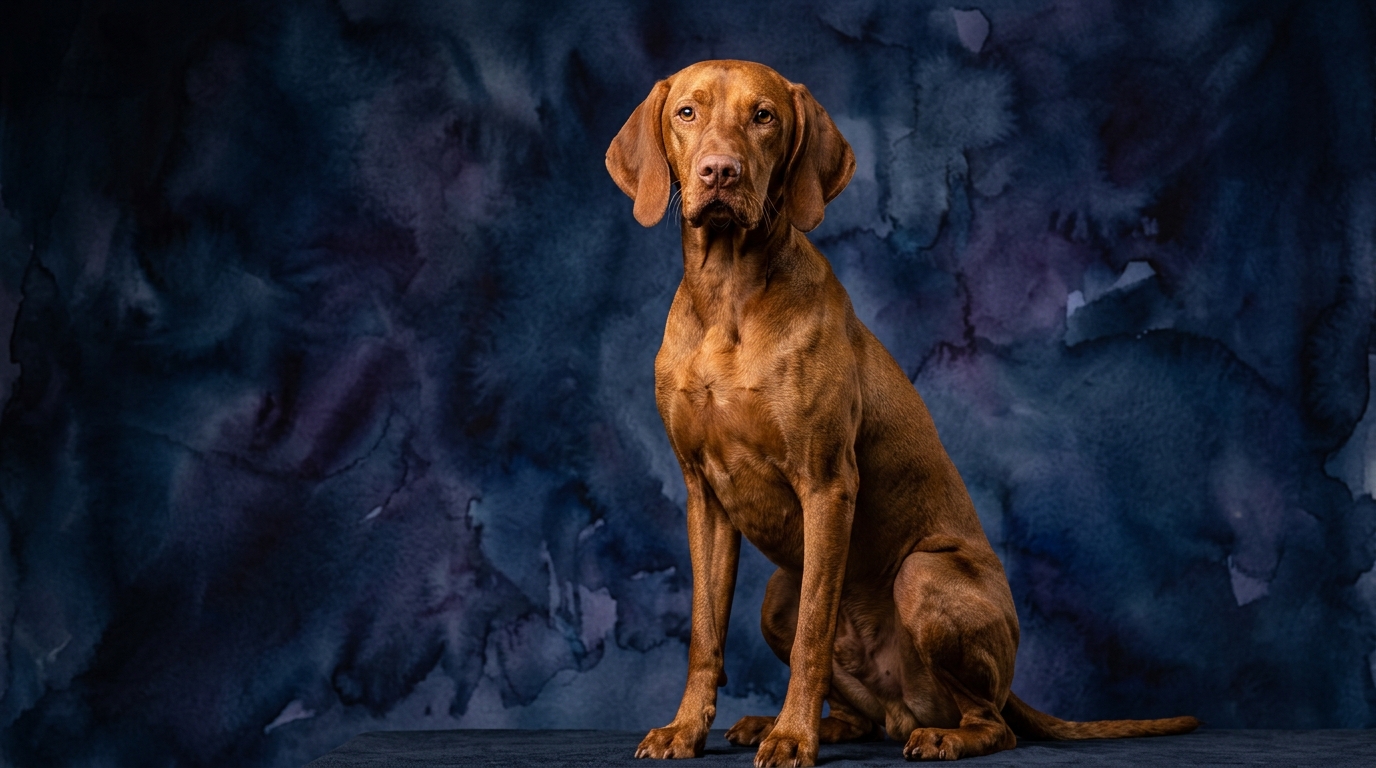
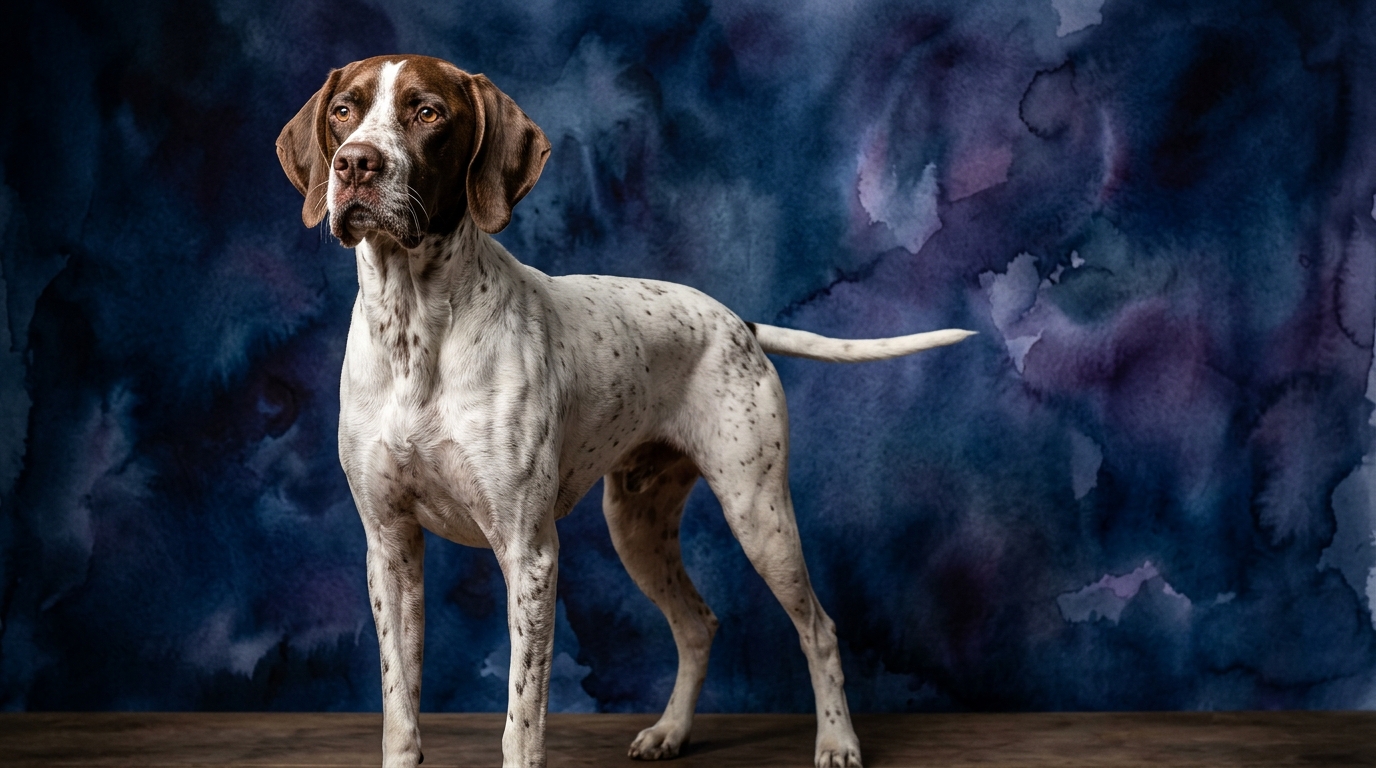
Side-by-Side Cognitive Profiles: Vizsla vs. Pointer
The Vizsla, a Sporting breed ranking #31 on the Coren scale, presents a comprehensive cognitive skillset. They score 4/5 in Problem Solving, demonstrating a strong capacity for independent thought, often devising their own solutions to environmental obstacles. Their Training Speed is also 4/5, indicating they grasp new commands and routines with impressive alacrity, typically requiring fewer repetitions. Social Intelligence is a standout at 5/5, reflecting an exceptional ability to interpret human cues, emotional states, and social hierarchies. Their Instinctive Drive is equally robust at 5/5, encompassing an intense, innate desire for retrieving and pointing, coupled with unwavering focus and stamina. Finally, their Memory at 4/5 means they exhibit robust recall for learned behaviors, specific locations, and past experiences.
The Pointer, also a Sporting breed but not Coren-ranked, showcases a more focused cognitive approach. In Problem Solving, they score 3/5, approaching challenges with a more straightforward methodology, often relying on learned patterns or owner direction. Their Training Speed is 3/5; while capable of learning, Pointers generally require more consistent repetition and patience to solidify new commands. Social Intelligence rates 3/5; they are affectionate, but their interpretation of subtle human social cues tends to be less nuanced, benefiting from clear, direct communication. Instinctive Drive is 3/5, primarily focused on their namesake activity—pointing—with a singular, less multifaceted intensity. Their Memory at 3/5 serves them well for established routines and core commands, yet complex sequences may require more reinforcement.
Where the Vizsla Excels Cognitively
The Vizsla's distinct advantage lies in its remarkable social intelligence and multifaceted instinctive drive. With a 5/5, they possess an almost uncanny ability to read and respond to human emotions and intentions, making them extraordinarily empathetic and responsive companions. This acute awareness translates into a dog that often seems to understand what you want before you even ask, fostering a deep, intuitive bond. Furthermore, their 5/5 instinctive drive isn't just about hunting; it's a broad, persistent eagerness to engage with the world, tackle tasks, and work alongside their human, fueling their problem-solving and training speed. Their capacity to independently strategize (4/5 Problem Solving) means they adapt quickly to changing environments, often finding creative ways to achieve goals. This blend of empathy, drive, and adaptable thinking positions the Vizsla as a highly interactive and mentally agile partner.
Where the Pointer Excels Cognitively
While the Pointer's cognitive profile might appear less varied, its strength lies in a focused, unwavering dedication to its primary instinct: pointing. This breed embodies a singular purpose, and its cognitive architecture supports this specialization with remarkable efficiency. Their 3/5 instinctive drive, while not as broad as the Vizsla's, is intensely channeled into detecting and indicating game, often with a statuesque stillness. This focused drive means they are less likely to be distracted by extraneous stimuli when on task, making them exceptionally reliable in their specific field work. Their problem-solving (3/5) and training speed (3/5) reflect a practical, no-nonsense approach; they learn what is necessary for their job and execute it with consistency, without complex intellectual gymnastics. For an owner seeking a dog with a clear, defined purpose and a steady, predictable working style, the Pointer's focused cognitive strengths are precisely what make it an effective companion.
Ease of Training and Behavioral Differences
When considering ease of training, the Vizsla generally presents a more straightforward path due to their higher scores in training speed (4/5) and social intelligence (5/5). Their eagerness to please and keen understanding of human cues mean they often pick up new commands with minimal repetitions, responding well to positive reinforcement. A Vizsla's high instinctive drive, while requiring an outlet, also translates into a strong desire to participate in activities with their owner, making them highly motivated learners. However, their independent problem-solving can sometimes manifest as “thinking for themselves” if not properly guided, meaning consistency and clear boundaries are crucial.
The Pointer, with 3/5 in training speed and social intelligence, typically requires a more patient and consistent approach. They are not as quick to interpret subtle human cues and may need more repetitions to solidify commands. Their focused, singular drive means they might be less inclined to engage in diverse training exercises not directly aligning with their primary instinct. While not stubborn, they can be less overtly “eager to please” in a broad sense, responding best to structured, repetitive sessions. Owners should anticipate a longer, more deliberate training process, focusing on clear, unambiguous instructions. Their less complex social intelligence means they thrive on directness.
Suited for Active vs. Relaxed Owners
For active owners, the Vizsla stands out as an exceptional match. Their 5/5 instinctive drive and 4/5 problem-solving capabilities demand significant mental and physical engagement. These dogs thrive on activities like hiking, running, advanced obedience, agility, and extensive field work, needing consistent outlets for their boundless energy and sharp minds. A Vizsla without sufficient stimulation can become restless or channel its problem-solving into less desirable behaviors. Their high social intelligence also means they crave companionship and interactive play, making them ideal for owners who want a dog as a constant, participatory partner.
The Pointer, while also a sporting breed, might appeal to active owners seeking a more focused type of activity, or to those appreciating a slightly more relaxed demeanor indoors once exercise needs are met. Their 3/5 instinctive drive is geared towards specific field work, excelling in activities like long walks, runs, and bird hunting. While they need regular exercise, their social intelligence (3/5) and problem-solving (3/5) scores suggest they may not demand the same intensity of constant mental engagement as a Vizsla. They can be quite content to lounge once daily physical requirements are fulfilled, suitable for active individuals who also appreciate periods of calm at home.
The Verdict
Choose a Vizsla if you desire a highly interactive, empathetic companion eager for diverse mental challenges and extensive physical activity, thriving on deep partnership.
Opt for a Pointer if you seek a focused, consistent field companion with a steady temperament, appreciating a more straightforward approach to training and a calm presence indoors after exercise.
🧠 Find Your Pet's IQ Score
Our Pet IQ Lab assessment covers 25+ tests across 5 cognitive dimensions — personalized to your breed.
Take the Full IQ Test →Frequently Asked Questions
Are Vizslas more independent thinkers than Pointers?
Yes, Vizslas score 4/5 in problem-solving, indicating a stronger capacity for independent thought and devising solutions, whereas Pointers (3/5) typically rely more on learned patterns and direct guidance from their owners. This difference impacts how they approach novel situations.
Which breed is better for a first-time dog owner?
A Vizsla, with its higher training speed and social intelligence, might be more forgiving for a first-time owner willing to provide significant mental and physical engagement. Pointers, requiring more consistent repetition in training, could be a better fit for those prepared for a more deliberate learning process.
Do Vizslas or Pointers require more social interaction?
Vizslas, scoring 5/5 in social intelligence, generally demand a higher level of social interaction and companionship, often anticipating human needs. Pointers, with a 3/5, are affectionate but typically less reliant on nuanced social engagement, valuing clear, direct communication.