Side-by-Side IQ Profile: Vizsla vs. Sealyham Terrier
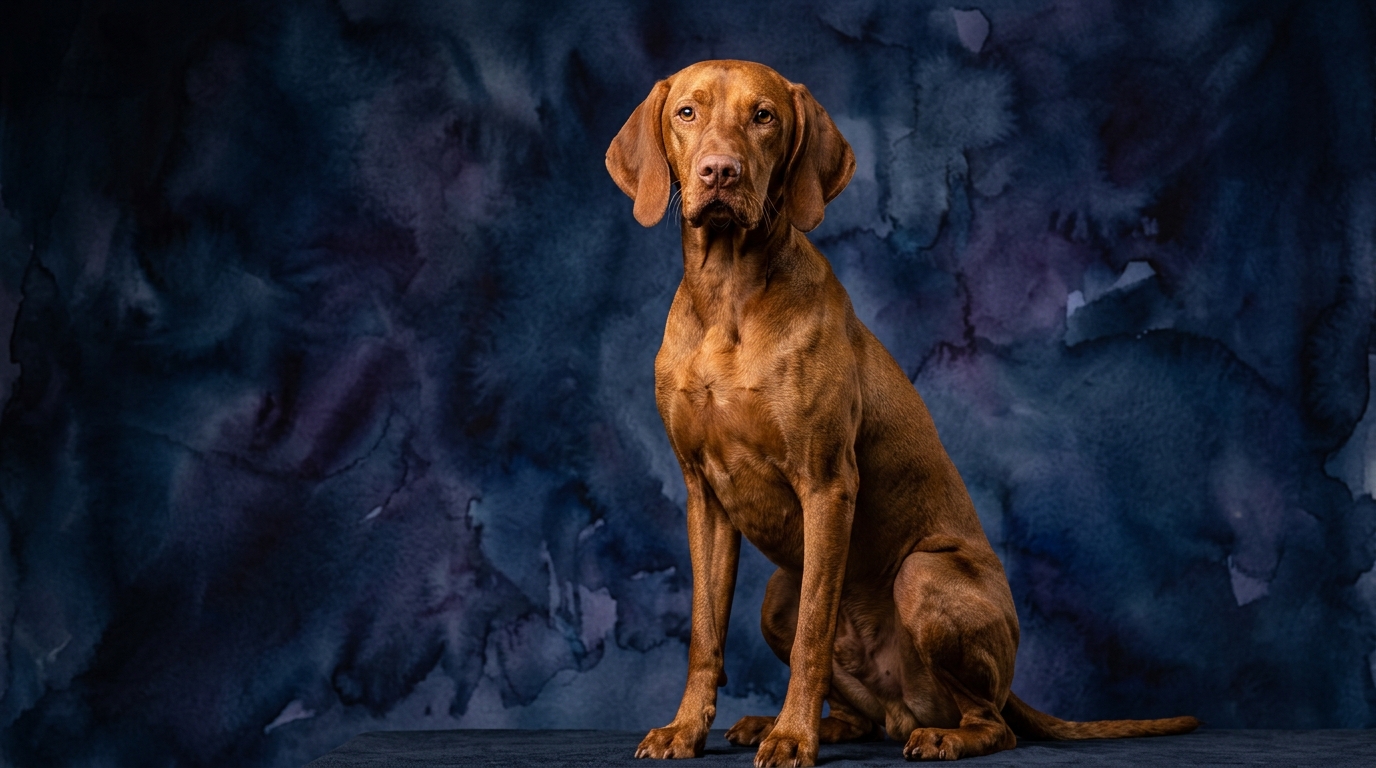
The Vizsla, a Sporting Group dog, ranks #31 on the Coren intelligence scale, exhibiting a well-rounded cognitive skill set. Its Problem Solving is rated 4/5, indicating strong adaptability and resourcefulness in devising solutions, especially for tasks related to retrieving or navigation. Training Speed is 4/5, reflecting a high aptitude for learning new commands quickly and retaining them efficiently due to its eager-to-please nature. Social Intelligence stands at an exceptional 5/5, showing profound awareness of human cues, emotions, and intentions, fostering a deep partnership. An Instinctive Drive of 5/5 highlights powerful natural instincts for hunting and working, providing relentless focus. Memory is 4/5, demonstrating robust recall for learned behaviors and experiences.
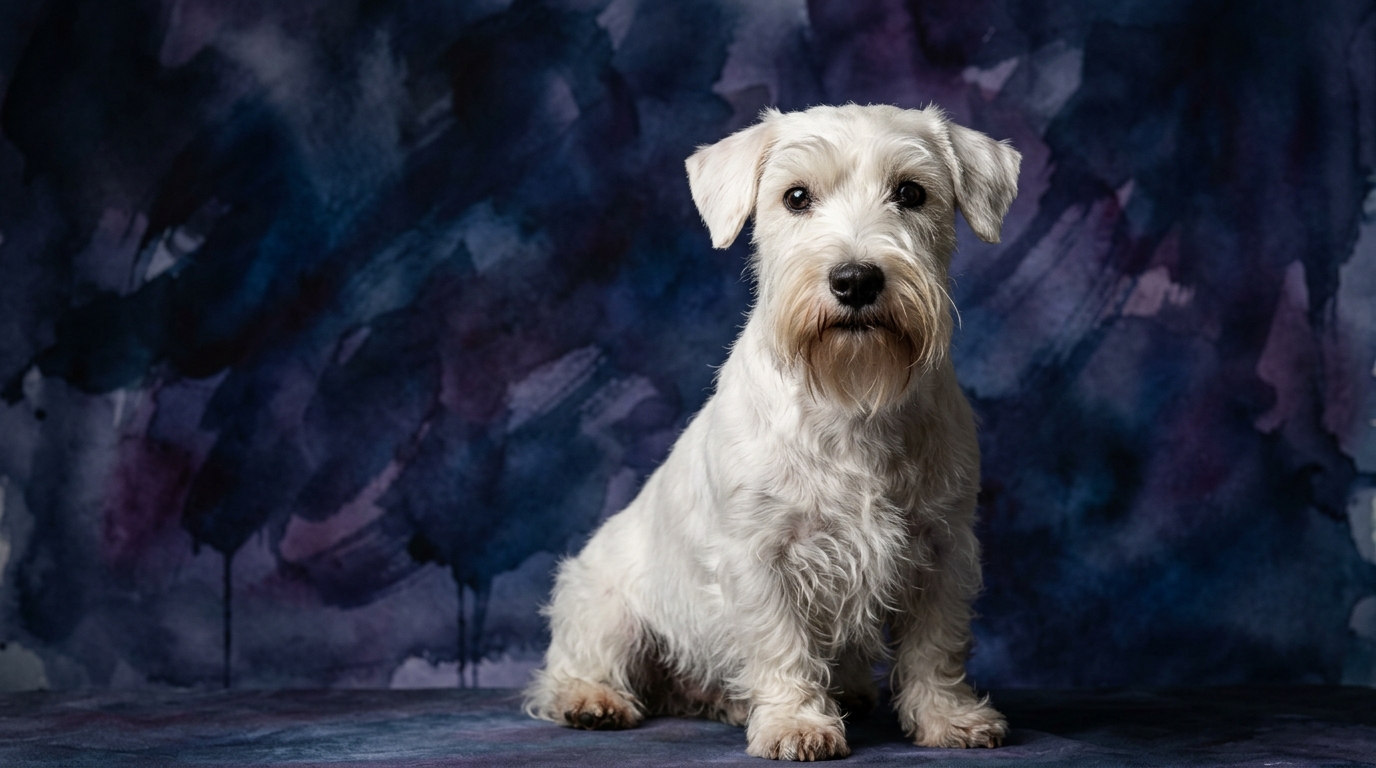
The Sealyham Terrier, a Terrier Group dog, is not Coren-ranked but presents a distinct cognitive profile. Its Problem Solving is 3/5, approaching challenges with persistent, often independent, trial-and-error, particularly in tasks involving digging or pursuit. Training Speed is 3/5, meaning it learns at a moderate pace, requiring consistent, engaging methods due to its self-directed streak. Social Intelligence is 3/5, displaying a moderate understanding of human cues, preferring to interact on its own terms while forming strong bonds. Instinctive Drive is 3/5, possessing a focused, tenacious drive for its original purpose of hunting vermin. Memory is 3/5, adequately retaining learned information and experiences for daily living and specific tasks, though perhaps not with the same breadth.
Where the Vizsla Excels Cognitively
The Vizsla's cognitive profile consistently surpasses the Sealyham Terrier across all measured dimensions, making it a more versatile and broadly adaptable learner. Its 4/5 problem-solving capability allows it to grasp complex sequences and adapt to novel situations with greater ease, whether it's figuring out a puzzle or mastering an agility course. This contrasts with the Sealyham's more specialized, tenacious approach to problem-solving within its specific domain.
The Vizsla's 5/5 social intelligence is a significant differentiator, indicating an exceptional ability to interpret human intentions, moods, and commands. This deep understanding fosters a natural partnership, where the Vizsla actively seeks to engage and cooperate with its handler, often anticipating needs. Furthermore, its 5/5 instinctive drive isn't just about hunting; it signifies an overarching eagerness to work and be engaged, providing an intrinsic motivation that can be channeled into diverse training and activity pursuits. The Vizsla's superior training speed and memory (both 4/5) mean it not only learns new behaviors rapidly but also retains them reliably, building a vast repertoire of skills over its lifetime.
Where the Sealyham Terrier's Cognition Shines
While the Sealyham Terrier's individual cognitive scores may not rival the Vizsla's across the board, its specific blend of intelligence creates a unique and formidable profile for its intended purpose. The Sealyham's 3/5 problem-solving, coupled with its 3/5 instinctive drive, speaks to a specialized form of ingenuity: persistent, independent determination in the face of challenges. This isn't about broad adaptability but rather an unyielding focus on a specific task, such as locating and flushing quarry from tight spaces, where sheer tenacity and self-reliance are paramount.
Its moderate social intelligence (3/5) allows it to form strong, affectionate bonds with its family while retaining a characteristic terrier independence. This means a Sealyham is less likely to become overly reliant on constant human direction for every decision, often making its own judgments in situations where a sporting dog might wait for a cue. This self-sufficiency can be a cognitive advantage for owners who appreciate a dog with a distinct personality and a mind of its own, capable of pursuing its own interests without constant handler input. The Sealyham's cognitive strengths lie in its focused resilience and self-directed motivation, attributes that allowed it to excel at its original demanding work.
Training Dynamics: Vizsla vs. Sealyham Terrier
The Vizsla clearly presents an easier training experience for most owners due to its superior cognitive scores. Its 4/5 training speed means it picks up new commands and behaviors with remarkable alacrity, often requiring fewer repetitions than many other breeds. This is amplified by its exceptional 5/5 social intelligence, which translates into a profound desire to please its handler and a keen ability to interpret human cues, both verbal and non-verbal. A Vizsla actively seeks to engage in cooperative learning, making the training process a natural partnership rather than a challenge of wills.
In contrast, the Sealyham Terrier, with its 3/5 scores in both training speed and social intelligence, requires a more patient, consistent, and creative approach to training. Their inherent terrier independence means they are less inclined to blindly follow commands if they perceive a more interesting alternative, such as a scent trail or a potential digging opportunity. While capable of learning, their attention is often focused on their own environmental investigations rather than solely on the handler. Training a Sealyham often involves making the process highly rewarding and engaging, leveraging their tenacity for positive outcomes rather than relying on their innate desire to please.
Ideal Owners: Active vs. Relaxed Lifestyles
For active owners, the Vizsla is an ideal match. Its 5/5 instinctive drive and high energy levels demand substantial physical exercise and mental engagement daily. This breed thrives on long runs, hikes, retrieving games, and participation in dog sports like agility or field trials. Owners who enjoy spending hours outdoors and are willing to incorporate their dog into a highly active lifestyle will find the Vizsla to be an enthusiastic and tireless companion. Their need for consistent stimulation is not merely physical; their problem-solving and social intelligence also require regular mental challenges to prevent boredom.
The Sealyham Terrier, while possessing a 3/5 instinctive drive, still requires regular activity, but its needs are generally more moderate and focused compared to the Vizsla. They enjoy daily walks, playtime in a securely fenced yard, and opportunities to engage their natural terrier instincts, such as digging in a designated area or engaging in scent work. Their drive, while persistent, is less about covering vast distances at high speed and more about focused exploration and interaction with their immediate environment. A Sealyham can adapt to a slightly less intense daily routine than a Vizsla, making it suitable for owners who enjoy consistent, moderate activity but may not be able to commit to the high-intensity, extended workouts that a Vizsla demands.
The Verdict
Select the Vizsla if you are an active, engaged owner seeking a highly cooperative, versatile, and deeply social canine partner for demanding outdoor adventures and complex training endeavors.
Opt for the Sealyham Terrier if you appreciate a resilient, independent, and affectionate companion with a focused drive, suitable for consistent moderate activity and owners who value a distinct personality.
🧠 Find Your Pet's IQ Score
Our Pet IQ Lab assessment covers 25+ tests across 5 cognitive dimensions — personalized to your breed.
Take the Full IQ Test →Frequently Asked Questions
Does a Vizsla need a lot of mental stimulation?
Absolutely. With 4/5 problem-solving and 5/5 instinctive drive, Vizslas require significant mental challenges in addition to physical exercise. Puzzle toys, training sessions, and interactive games are crucial for their cognitive well-being.
Are Sealyham Terriers hard to train because of their independence?
Their 3/5 training speed and social intelligence mean they require consistent, positive reinforcement training. While not 'hard' in the sense of being incapable, their independent nature means training sessions must be engaging and rewarding to maintain their focus.
Which breed is better with children?
Both breeds can be good with children with proper socialization and training. The Vizsla's 5/5 social intelligence often makes it very attuned to family dynamics, while the Sealyham's sturdy, independent nature allows it to tolerate the energy of children, though supervision is always key.