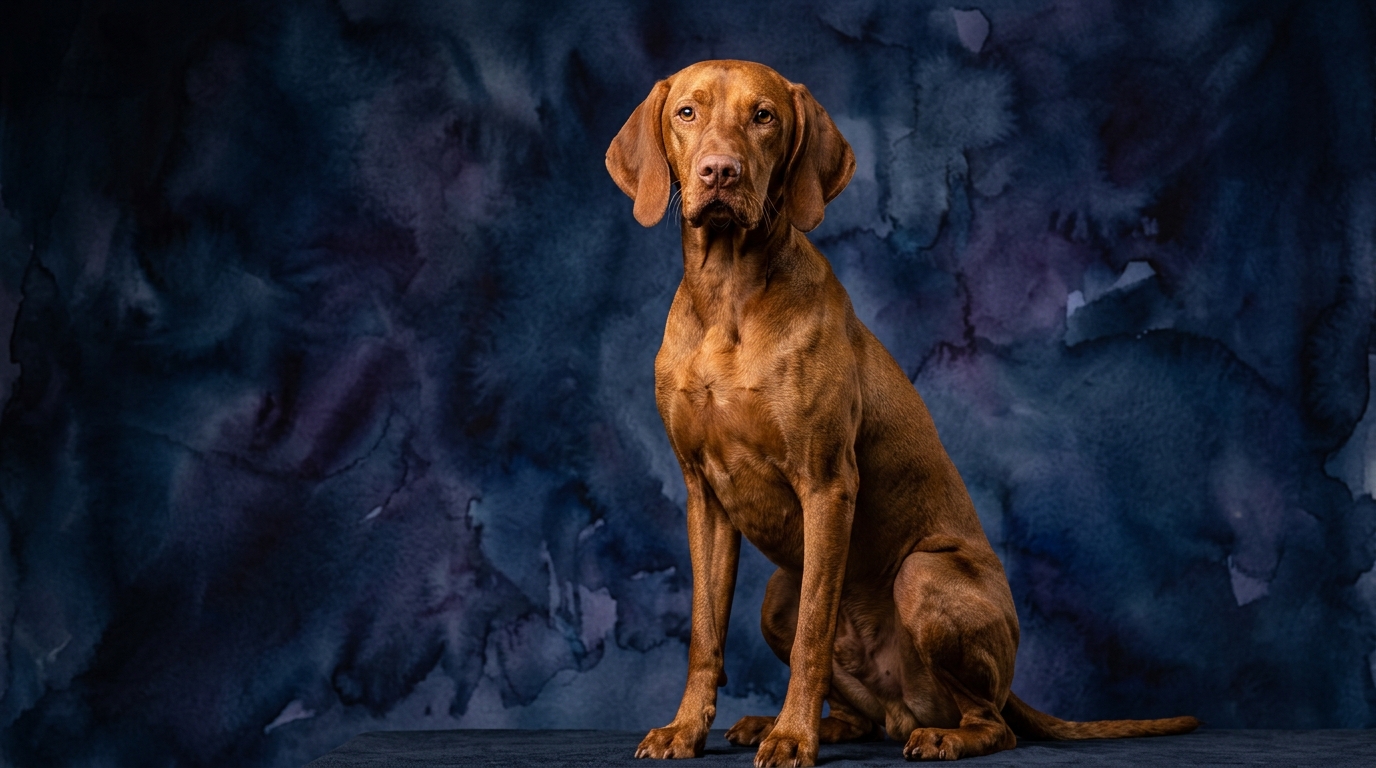
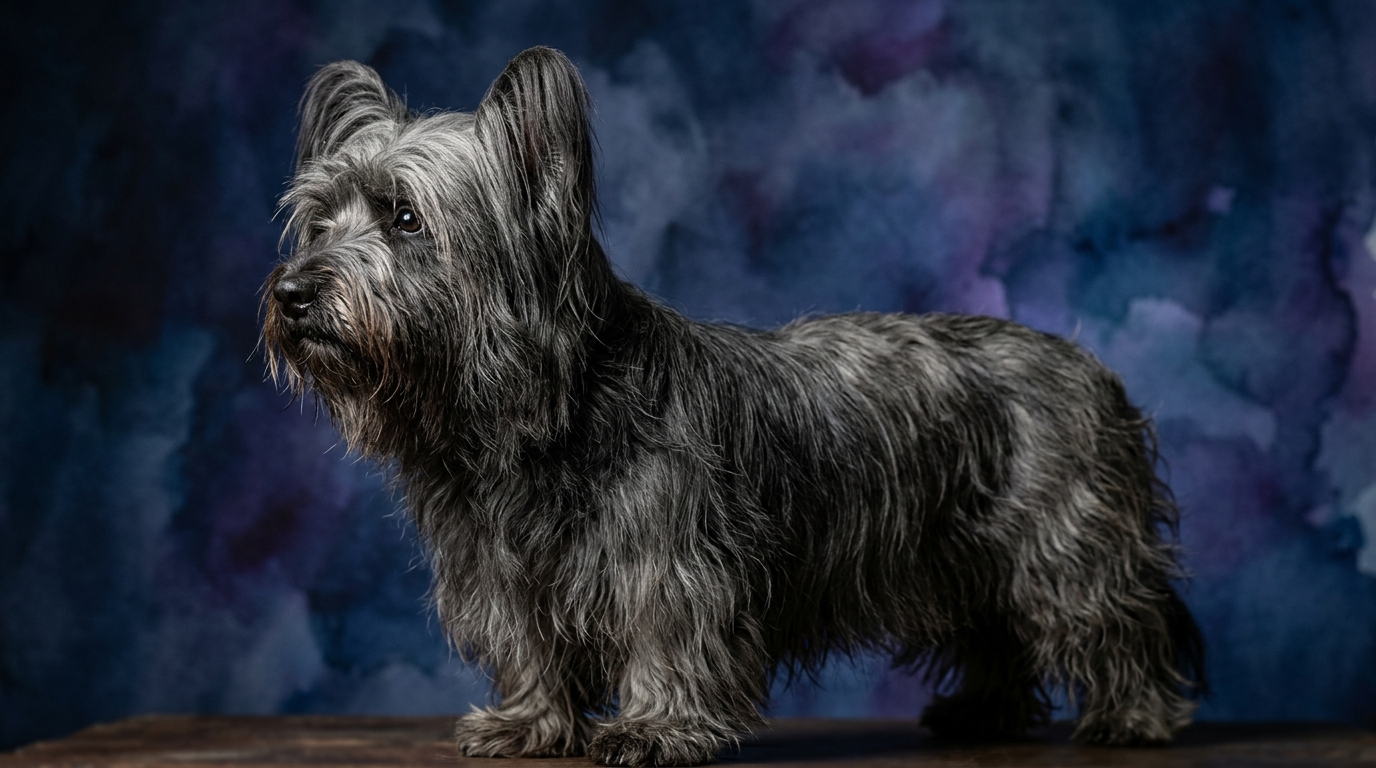
Side-by-Side Cognitive Profiles: Vizsla vs. Skye Terrier
The Vizsla, a Hungarian hunting dog, exhibits a robust and well-rounded cognitive toolkit across our five IQ dimensions. Its Problem Solving is rated 4/5, indicating an adaptive mind capable of strategizing and navigating complex situations. Training Speed, also at 4/5, points to a quick learner eager to absorb new commands and routines. A standout 5/5 in Social Intelligence signifies an exceptional ability to read human cues, anticipate desires, and form deep, intuitive bonds. Its Instinctive Drive, a strong 5/5, reflects a powerful, innate urge for seeking, retrieving, and working collaboratively, while a 4/5 in Memory ensures it retains learned behaviors and experiences with considerable recall.
In contrast, the Skye Terrier, a breed hailing from the Isle of Skye, presents a different cognitive landscape. Its Problem Solving is rated 3/5, suggesting a methodical but perhaps less broadly experimental approach to challenges. Training Speed at 3/5 indicates that while capable of learning, it often requires more patience and consistent reinforcement, reflecting an independent streak. Social Intelligence, also 3/5, points to a discerning nature; Skyes form profound bonds with their chosen family but may be more reserved or less overtly expressive with others. Its Instinctive Drive, rated 3/5, is a focused, tenacious drive, particularly for specific terrier tasks. Finally, a 3/5 in Memory means it retains information, but consistent practice helps solidify learned behaviors.
Where the Vizsla Excels Cognitively
The Vizsla's cognitive strengths are particularly evident in its capacity for dynamic interaction and rapid adaptation. Its 4/5 Problem Solving score shines in scenarios demanding quick thinking, such as navigating agility courses or figuring out how to access a hidden toy, often employing novel strategies rather than brute force. The Vizsla's exceptional 5/5 Social Intelligence allows it to anticipate a handler's next move or mood, making it incredibly responsive to subtle cues during training or daily life, fostering a seamless partnership. This breed's powerful 5/5 Instinctive Drive translates into a relentless enthusiasm for tasks involving scent work, retrieval, or tracking, demonstrating a focused mental energy for sustained activity. Coupled with its 4/5 Memory, the Vizsla can recall complex sequences of commands or intricate routes, making it a highly capable and versatile companion for various sporting and working endeavors.
Where the Skye Terrier Shows Unique Cognitive Strengths
While its numerical scores might appear lower, the Skye Terrier's cognitive profile showcases distinct strengths rooted in its heritage and temperament. Its 3/5 score in Instinctive Drive, for instance, manifests as an incredibly focused and tenacious persistence, particularly when engaged in tasks requiring determination, such as rooting out vermin or engaging with puzzle toys. This isn't a broad, far-ranging drive but a deep, single-minded commitment to a specific objective. Similarly, the Skye's 3/5 Problem Solving reflects a methodical, resilient approach; a Skye is less likely to abandon a challenge once committed, often relying on sheer, unwavering persistence to overcome obstacles rather than rapid, adaptable strategies. This steadfastness, combined with its independent streak (reflected in its Social Intelligence and Training Speed scores), can be a cognitive asset in situations demanding self-reliance and unwavering focus on a singular objective, making it a master of specific, deep-dive challenges rather than broad, adaptive ones.
Ease of Training: Vizsla's Responsiveness vs. Skye Terrier's Independence
When it comes to training, the Vizsla generally offers a smoother experience due to its higher scores in Training Speed (4/5) and Social Intelligence (5/5). These dogs possess a strong desire to cooperate and please their handlers, making them highly receptive to commands and new concepts. They often pick up new tricks or behaviors quickly, thriving on positive reinforcement and consistent interaction, which makes them a joy to guide through various disciplines from basic obedience to advanced dog sports. Their keen ability to read human emotions and intentions further enhances their trainability, as they are often eager to align with their owner's wishes.
The Skye Terrier, with its 3/5 scores in both Training Speed and Social Intelligence, presents a different training dynamic. This breed possesses an independent spirit and a discerning nature, meaning they may not be as overtly eager to please as a Vizsla. Training a Skye requires patience, consistency, and a deep understanding of their terrier temperament. They respond best to engaging, positive reinforcement methods that respect their self-sufficient character, often learning at their own pace. While they form profound bonds, their social intelligence is expressed through a more selective attachment, requiring the trainer to earn their trust and cooperation rather than simply expecting it. Owners should anticipate a need for creative engagement and a firm, yet gentle, approach to harness the Skye's inherent persistence.
Matching Canine Cognition to Owner Lifestyles
The Vizsla's cognitive profile makes it an ideal companion for active owners who relish outdoor adventures and engaging in dog sports. Its high Instinctive Drive and Problem Solving capabilities mean it thrives on mental and physical challenges, from long hikes and runs to agility, flyball, or scent work. Owners who enjoy a highly interactive relationship, where their dog is a willing and enthusiastic participant in all activities, will find the Vizsla's exceptional Social Intelligence and trainability a perfect match. This breed requires consistent stimulation to prevent boredom and channel its considerable mental and physical energy constructively.
Conversely, the Skye Terrier suits owners who appreciate a discerning, loyal, and somewhat independent companion, and who are willing to invest patience in consistent training. While not as overtly demanding of broad, high-intensity activity as a Vizsla, the Skye still requires regular, structured exercise and mental engagement to satisfy its tenacious nature. Owners who value a dog with a strong, self-contained character, perhaps enjoying quieter companionship indoors but still committed to focused outdoor activities like brisk walks or specific terrier-oriented games, will find the Skye Terrier's unique cognitive strengths align well with their lifestyle. They are not 'relaxed' in the sense of being sedentary, but their demands for constant, varied interaction might be lower than a Vizsla's.
The Verdict
Choose the Vizsla if you seek a highly interactive, responsive, and energetic partner for diverse activities, thriving on a close, communicative bond and eager participation.
Opt for the Skye Terrier if you appreciate a discerning, loyal, and persistent companion with a strong independent streak, valuing methodical engagement and a deep, selective bond.
🧠 Find Your Pet's IQ Score
Our Pet IQ Lab assessment covers 25+ tests across 5 cognitive dimensions — personalized to your breed.
Take the Full IQ Test →Frequently Asked Questions
Are Vizslas suitable for first-time dog owners?
Vizslas can be suitable for first-time owners who are prepared for their significant exercise requirements and commitment to consistent, positive training. Their high social intelligence and eagerness to please make them responsive learners, but their energy demands careful management.
Do Skye Terriers require extensive grooming due to their coat?
Yes, Skye Terriers possess a distinctive long, double coat that requires regular grooming to prevent matting and maintain its health. Weekly brushing is typically necessary, along with occasional professional trims to keep them looking their best.
How do their social intelligence differences impact household dynamics?
A Vizsla's high social intelligence means they typically integrate seamlessly into family life, often seeking constant interaction and forming strong bonds with everyone. A Skye Terrier, with its discerning social intelligence, forms deep, loyal bonds with its immediate family but may be more reserved or aloof with strangers, valuing quality over quantity in its social interactions.