Side-by-Side Cognitive Profiles
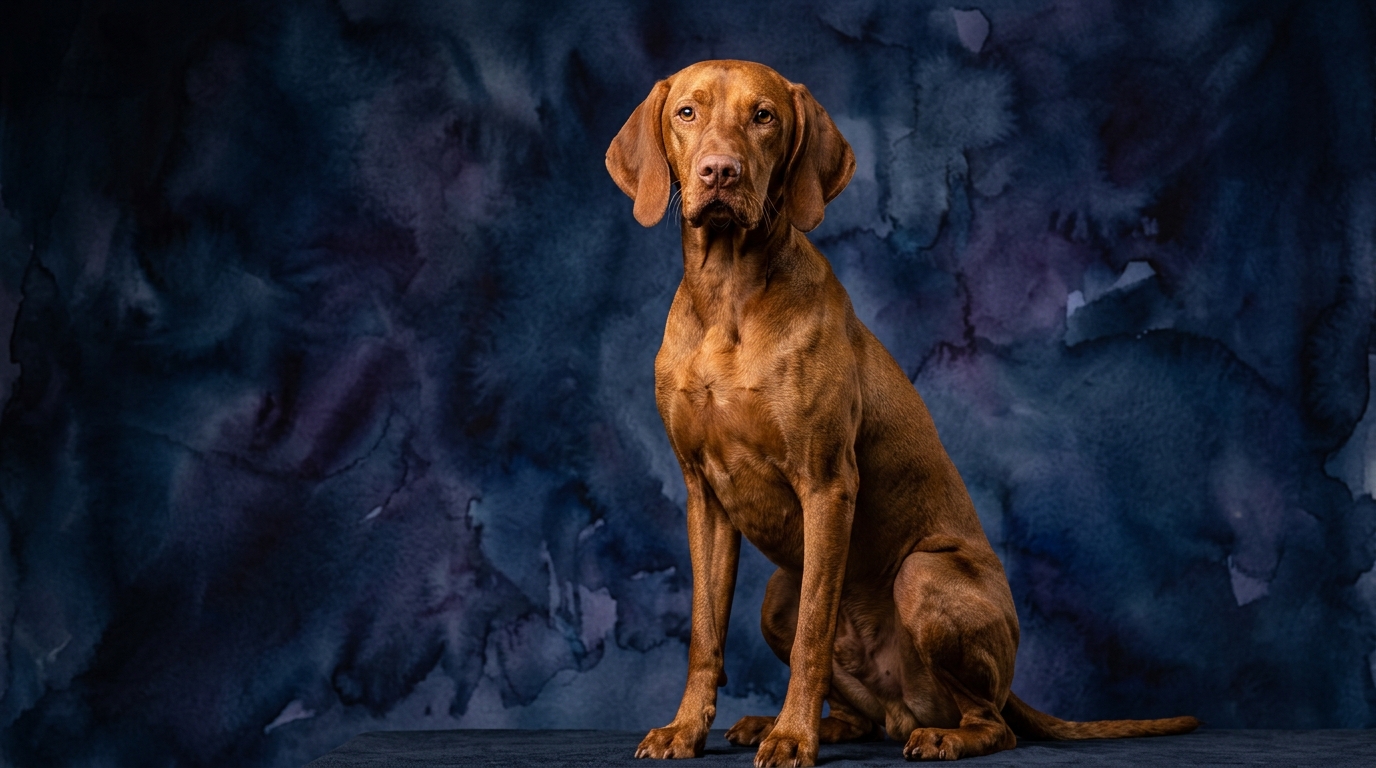
The Cosmic Pet Pet IQ Lab assesses canine intelligence across five key dimensions, providing a granular view of each breed's mental aptitude. For the Vizsla, a Sporting Group dog Coren-ranked at #31, their profile showcases a remarkable blend of physical and mental prowess.
**Vizsla Cognitive Breakdown:** Problem Solving (4/5) indicates a thoughtful approach to novel situations, often devising solutions to achieve goals like retrieving or navigating complex terrain, demonstrating a clear understanding of cause and effect. Training Speed (4/5) highlights their quick grasp of new commands and routines, often requiring fewer repetitions due to an eagerness to engage and strong focus. Social Intelligence (5/5) reveals an exceptional capacity for understanding human emotions and social cues, forming deep bonds and often anticipating their owner's desires. Instinctive Drive (5/5) is intense, rooted in their hunting heritage for scent work, tracking, and retrieving, fueling high activity levels and purpose-driven engagement. Memory (4/5) demonstrates robust retention for learned behaviors, locations, and past experiences, allowing recall of complex sequences and adaptation based on previous outcomes.
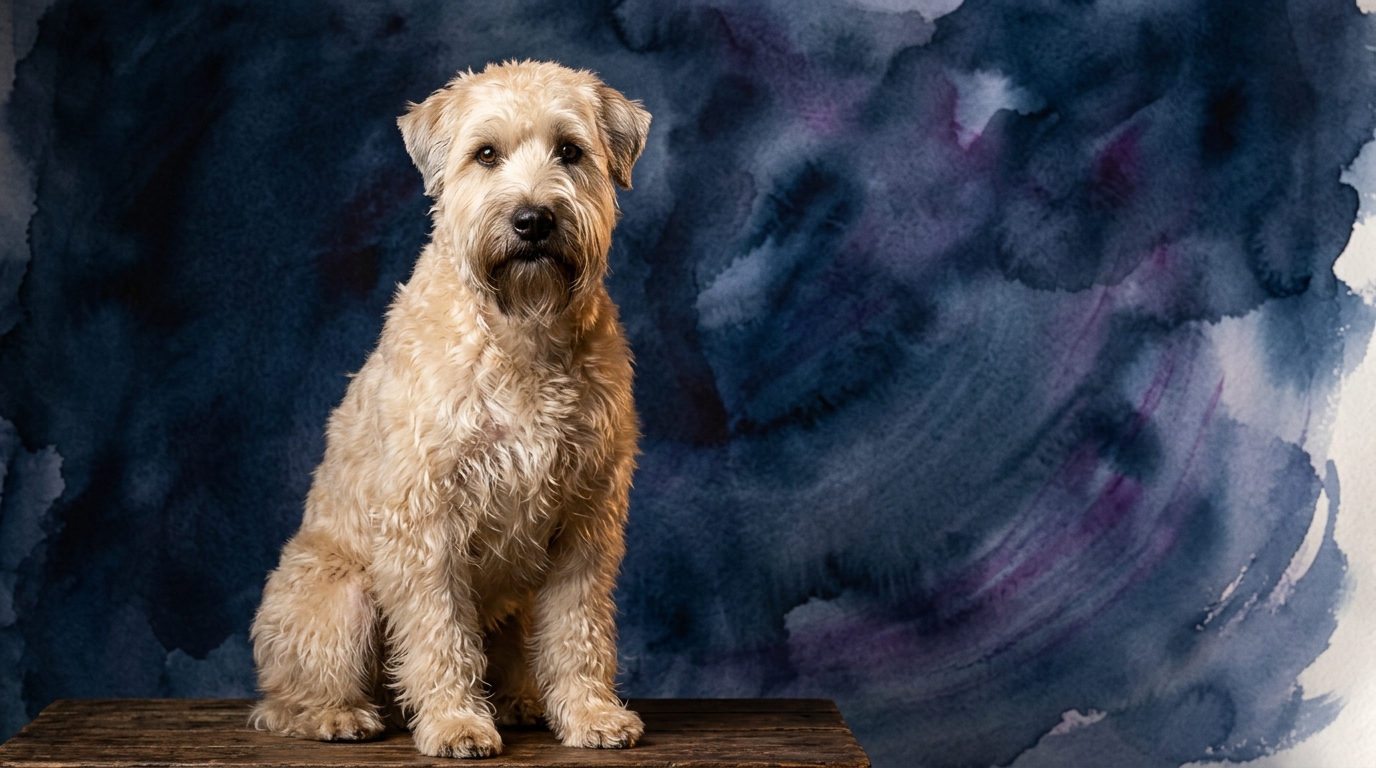
In contrast, the Soft Coated Wheaten Terrier, a Terrier Group breed not Coren-ranked, presents a more generalized yet charming cognitive blueprint.
**Soft Coated Wheaten Terrier Cognitive Breakdown:** Problem Solving (3/5) suggests they approach challenges with moderate ingenuity, often relying on learned behaviors or trial-and-error for practical, direct solutions to immediate needs. Training Speed (3/5) indicates they are capable learners but may require more patience and consistency during training, benefiting from positive reinforcement and engaging methods to maintain their steady pace. Social Intelligence (3/5) shows they are affectionate and form strong family attachments, expressing open joy and enjoying interaction, though their interpretation of subtle human social cues can be more straightforward. Instinctive Drive (3/5), typical of terriers, is a moderate desire for chasing small prey or digging, present but generally less intense and all-consuming than in high-stakes working breeds. Memory (3/5) reflects a functional retention for commands and routines, effectively recalling information over time with consistent reinforcement, supporting daily interactions and habits.
Where the Vizsla Excels Cognitively
The Vizsla's superior Problem Solving (4/5 vs 3/5) allows them to navigate complex environments with greater ingenuity, figuring out how to open gates or retrieve items by assessing mechanics. Their exceptional Social Intelligence (5/5 vs 3/5) means they are profoundly attuned to human emotions and intentions, fostering a deeper, more intuitive bond by anticipating owner needs. The powerful Instinctive Drive (5/5 vs 3/5) translates into an innate motivation for purposeful activity like scent work, making them formidable partners in canine sports. Their combined Training Speed (4/5) and Memory (4/5) enable rapid acquisition and retention of skills, allowing quicker progression through advanced training levels and a broad repertoire of behaviors.
Where the Soft Coated Wheaten Terrier Finds Its Niche
While the Vizsla excels in specific cognitive areas, the Soft Coated Wheaten Terrier's profile, though generally scoring lower, offers distinct advantages in adaptability and balanced engagement. Their moderate Instinctive Drive (3/5) makes them less compelled by intense, singular pursuits, proving more pliable to diverse household activities not aligned with strong prey drives. The Wheaten's Problem Solving (3/5) often translates into a practical, direct approach to challenges, focusing on immediate, tangible solutions with less mental 'busyness.' Their Social Intelligence (3/5) manifests as an uncomplicated, joyous affection, leading to consistently cheerful and straightforward interactions that many owners find endearing. This breed's generalized intelligence allows versatility, making them content with varied mental engagements without the intense, specialized focus required by a working breed.
Training Aptitude: Vizsla vs. Wheaten
Based on their IQ profiles, the Vizsla (Training Speed 4/5, Memory 4/5) generally presents as the easier breed to train compared to the Soft Coated Wheaten Terrier (Training Speed 3/5, Memory 3/5). The Vizsla's rapid learning curve means they grasp new commands and routines with fewer repetitions, often showing an eagerness to please that streamlines the training process. Their exceptional Social Intelligence (5/5) allows them to keenly interpret their owner's cues and intentions, further accelerating their understanding and compliance. For instance, a Vizsla is more likely to pick up on subtle hand signals or voice inflections, making complex sequences of commands more accessible and solidifying behaviors quickly.
Conversely, the Soft Coated Wheaten Terrier, while certainly trainable, may require more patience and consistency. Their moderate Training Speed indicates they might need more frequent reinforcement and repetition to solidify new behaviors. Wheatens, with their lower Social Intelligence, might not always be as finely tuned to human emotional states or subtle directives, which can sometimes be misinterpreted as stubbornness or a lack of focus rather than a difference in cognitive processing. Real behavioral differences include the Vizsla's intense focus during tasks, often a direct result of their high Instinctive Drive, which channels their energy into directed learning. Wheatens, while enthusiastic, can sometimes be more easily distracted by environmental stimuli, requiring trainers to work harder to maintain their attention and focus on the task at hand.
Matching Breeds to Lifestyles: Active vs. Relaxed Owners
The Vizsla, with its high Instinctive Drive (5/5) and robust Problem Solving (4/5) and Memory (4/5), is unequivocally suited for active owners who can provide ample physical and mental stimulation. These dogs thrive when given a 'job' to do, whether it's participating in dog sports like agility, flyball, or scent work, or accompanying their owners on long runs, hikes, or hunting excursions. An owner who understands and can channel this breed's intense energy and cognitive capacity will find a devoted, engaged partner. Without sufficient outlets for their drives, Vizslas can develop behavioral issues stemming from boredom or pent-up energy, such as destructive chewing, excessive vocalization, or destructive digging.
The Soft Coated Wheaten Terrier, in contrast, aligns better with owners who appreciate a moderate level of activity and a more relaxed pace. While they certainly enjoy playtime and daily walks, their Instinctive Drive (3/5) and overall cognitive profile suggest they are less demanding in terms of constant, high-intensity engagement. A Wheaten is typically content with regular walks, yard play, and indoor family interaction, without the same need for rigorous, structured activities that a Vizsla requires. Their more generalized intelligence and less intense drives mean they can adapt well to a comfortable home life where their mental stimulation comes from varied interactions and occasional training, rather than a consistent, demanding routine. They are suitable for owners who enjoy an active lifestyle but don't necessarily require a canine partner for extreme athletic endeavors every single day.
The Verdict
Choose the Vizsla if you are an active, experienced owner ready to channel a keen intellect and powerful instinctive drives into structured activities like dog sports, hunting, or extensive outdoor adventures. This breed thrives with consistent mental challenges and physical exertion, forming an incredibly deep, intuitive bond with a dedicated partner.
Choose the Soft Coated Wheaten Terrier if you seek an affectionate, joyful companion with moderate energy levels and a more generalized cognitive approach, content with regular walks, family play, and a less demanding training regimen. This breed offers a straightforward, cheerful presence for those desiring a devoted pet without the intense working dog requirements.
🧠 Find Your Pet's IQ Score
Our Pet IQ Lab assessment covers 25+ tests across 5 cognitive dimensions — personalized to your breed.
Take the Full IQ Test →Frequently Asked Questions
Do Vizslas need a lot of mental stimulation?
Yes, Vizslas absolutely require significant mental stimulation due to their high Problem Solving and Instinctive Drive. Activities like puzzle toys, advanced obedience training, scent work, and learning new tricks are crucial to keep their minds engaged and prevent boredom, which can lead to destructive behaviors.
Are Soft Coated Wheaten Terriers good for first-time dog owners?
Soft Coated Wheaten Terriers can be suitable for first-time owners who are prepared for consistent positive reinforcement training and can manage their moderate energy levels. Their generally amiable nature and less intense drives make them a more forgiving option than breeds with very high working demands, though their terrier stubbornness still requires patience.
How do the social needs of a Vizsla differ from a Wheaten Terrier?
The Vizsla's exceptional Social Intelligence means they crave constant interaction and can become anxious if left alone for extended periods, thriving on deep family integration and proximity. Wheatens are affectionate and enjoy companionship but typically exhibit a more independent streak, being content with regular family time without the same level of intense emotional dependence or need for constant proximity.