Side-by-Side IQ Profile: Vizsla vs. Standard Schnauzer
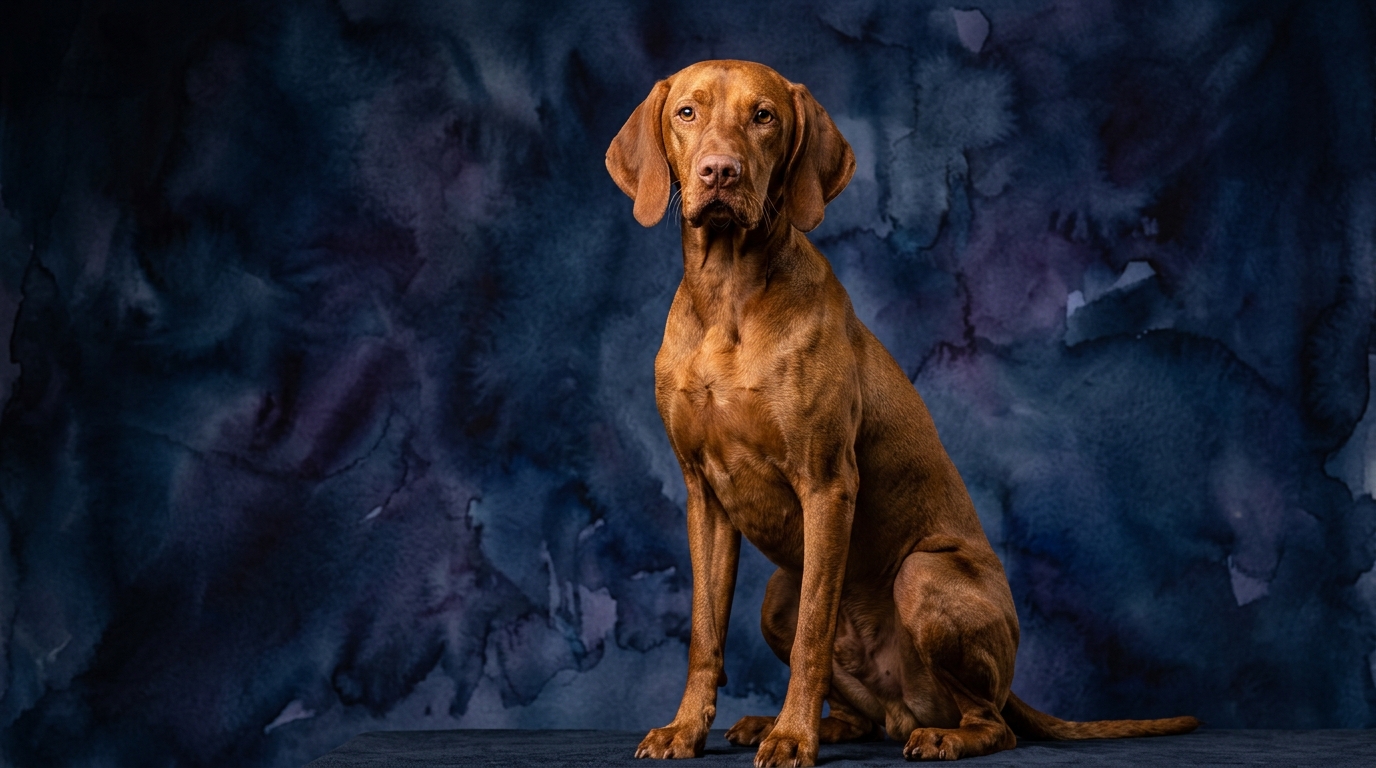
The Cosmic Pet IQ Lab assesses canine intelligence across five key dimensions, revealing nuanced differences even between breeds with similar overall capacities. For the Vizsla, a Sporting breed ranked #31 by Coren, its profile is marked by a Problem Solving score of 4/5, indicating a strong capacity for navigating complex scenarios, often in pursuit of a goal. Its Training Speed is also 4/5, showing a rapid aptitude for learning new commands. A standout feature is its Social Intelligence at 5/5, reflecting an exceptional ability to understand human cues and emotions. The Vizsla's Instinctive Drive is a powerful 5/5, fueling its inherent desire to hunt and retrieve, while its Memory stands at 4/5, ensuring retention of learned experiences and routes.
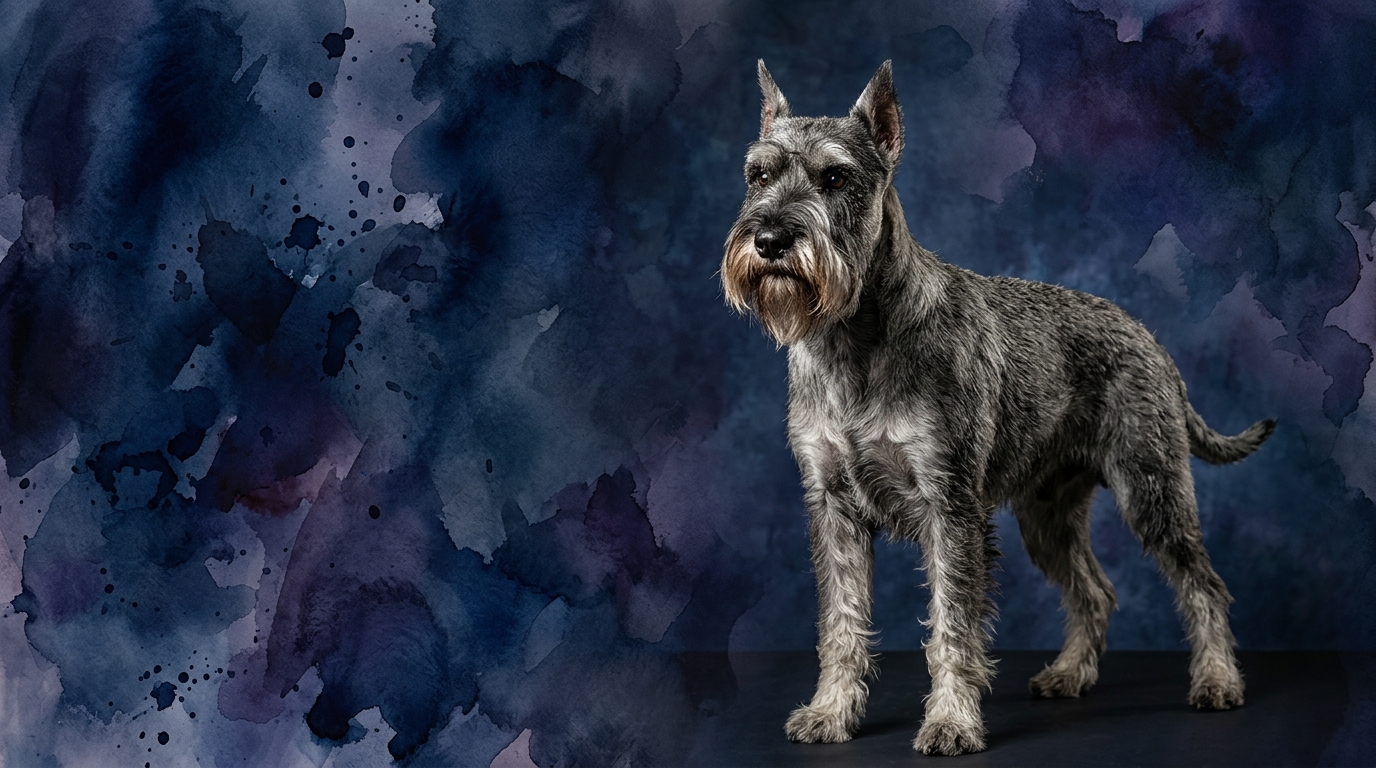
In contrast, the Standard Schnauzer, a Working breed with a higher Coren rank of #22, presents a different cognitive emphasis. Its Problem Solving ability is rated 4/5, demonstrating resourceful thinking, often applied to guarding or independent tasks. Like the Vizsla, its Training Speed is 4/5, indicating efficient learning. However, its Social Intelligence is 3/5, suggesting a more reserved approach to human emotional dynamics compared to the Vizsla. The Standard Schnauzer’s Instinctive Drive is 3/5, manifesting as a strong protective and watchful nature rather than a pursuit-oriented drive. Its Memory is rated 4/5, supporting its reliability in routines and tasks.
Where the Vizsla Wins Cognitively
The Vizsla's most pronounced cognitive advantage lies in its exceptional Social Intelligence (5/5). This breed possesses an innate, almost intuitive grasp of human emotional states and intentions, fostering a profoundly deep and responsive bond. This isn't just about obedience; it’s about a dog that actively seeks to understand and align with its human partner's mood and desires, making them incredibly attuned companions. Their high Instinctive Drive (5/5) further enhances this, manifesting as a potent, focused energy for collaborative activity. This drive is not merely physical; it's a cognitive engine that fuels their desire to work alongside humans in a shared endeavor, from field work to cooperative games. The Vizsla's entire cognitive architecture is geared towards partnership and mutual engagement, allowing them to anticipate human needs and react with remarkable synchronicity. This profound social attunement, coupled with a powerful, directed drive for purposeful interaction, creates a unique cognitive dynamic that prioritizes collaborative effort and emotional resonance above all else.
Where the Standard Schnauzer Wins Cognitively
The Standard Schnauzer's cognitive strengths are rooted in its independent application of intellect and a self-assured approach to its environment. While sharing a 4/5 in Problem Solving, the Schnauzer often applies this with more self-initiated, strategic thinking, characteristic of a working dog making decisions without constant human direction. Their lower Social Intelligence (3/5) allows for a degree of objective watchfulness, making them less prone to emotional over-identification and more focused on situational assessment. Their Instinctive Drive (3/5) is geared towards vigilance and protection, demanding cognitive skills like pattern recognition for anomalies and decisive action in perceived threats, contrasting with the Vizsla’s collaborative pursuit drive. The Schnauzer's higher Coren rank (#22 vs. Vizsla's #31) hints at a general capacity for obedience and working intelligence, suggesting they are quick to understand and execute tasks, often with a more self-directed application of their cognitive resources. This breed excels in roles demanding discernment and mental fortitude, where keen observation and independent judgment are paramount, embodying a resolute and purposeful intellect.
Which Is Easier to Train and Why?
Both the Vizsla and Standard Schnauzer share an impressive Training Speed rating of 4/5, indicating a quick grasp of commands, yet the training experience can differ significantly due to their other cognitive profiles. The Vizsla's exceptional Social Intelligence (5/5) means they are inherently motivated by human connection and approval. They often find joy in cooperative learning, striving to understand and please their handler, which translates into a highly responsive and eager training partner. Their strong Instinctive Drive (5/5), particularly for retrieving and scent work, can be effectively channeled into training games, making learning feel like an extension of their natural inclinations. They are less likely to question a command and more likely to follow through with enthusiasm.
In contrast, the Standard Schnauzer, while equally capable of learning quickly (4/5 training speed), possesses a lower Social Intelligence (3/5) and a more independent Instinctive Drive (3/5). This means their motivation during training may stem more from a desire to master a task or a clear understanding of the 'what's in it for me' rather than an overwhelming need for social approval. They might be more inclined to test boundaries or apply their problem-solving skills to find alternative, perhaps less desired, solutions. Their working dog heritage means they respond well to clear, consistent, and fair leadership, but their independent streak requires a trainer who can maintain engagement and demonstrate the utility of the task. Therefore, while both are highly trainable, the Vizsla often presents as 'easier' due to their innate desire for partnership and eager compliance, whereas the Schnauzer demands a more nuanced approach that respects their self-possessed nature and channels their independent intellect.
Suited for Active vs. Relaxed Owners
For owners seeking an active and deeply intertwined partnership, the Vizsla is often the more suitable choice. Their 5/5 Social Intelligence and 5/5 Instinctive Drive mean they thrive on constant interaction, shared activities, and a life that integrates them fully into their human family's pursuits. They require significant physical exercise to channel their intense drive, but equally important is mental engagement that involves their human companion, such as advanced obedience, agility, or field work. A relaxed owner who cannot commit to daily, vigorous activity and consistent mental stimulation, particularly those involving cooperation, might find the Vizsla's needs overwhelming, potentially leading to anxiety or destructive behaviors stemming from unfulfilled cognitive and physical requirements.
Conversely, the Standard Schnauzer can adapt to a slightly less demanding activity schedule, though they are by no means sedentary. Their independent nature and guardian instincts mean they appreciate purposeful work and structured routines, but their Social Intelligence (3/5) suggests they might tolerate periods of independent activity more readily than a Vizsla. They still need regular exercise and mental challenges, perhaps in the form of scent games, protection work, or advanced obedience, but their need for constant, overt social engagement is less pronounced. An owner who appreciates a self-reliant companion, values a watchful presence, and enjoys engaging in activities that allow for some independent decision-making would find the Standard Schnauzer a rewarding match. They are better suited for owners who can provide structure and purpose without necessarily needing a dog constantly 'on their lap' or intensely focused on their every move.
The Verdict
Choose the Vizsla if you seek an intensely social, deeply cooperative canine partner who thrives on shared activities and forms an almost intuitive bond with their human. Their eager-to-please nature and high drive for collaborative work make them ideal for active families committed to integrated companionship.
Opt for the Standard Schnauzer if you prefer a self-possessed, discerning companion who offers a vigilant presence and excels with purposeful work, appreciating an owner who provides clear structure and respects their independent cognitive approach.
🧠 Find Your Pet's IQ Score
Our Pet IQ Lab assessment covers 25+ tests across 5 cognitive dimensions — personalized to your breed.
Take the Full IQ Test →Frequently Asked Questions
Do Vizslas get along well with other pets?
A Vizsla's high social intelligence and strong instinctive drive for pursuit mean early, positive socialization is crucial for harmonious multi-pet households. While generally amiable, their strong prey drive (5/5) means smaller, fast-moving pets might trigger their instincts if not properly managed from a young age.
Are Standard Schnauzers good with children?
Standard Schnauzers, with their 3/5 social intelligence, can be excellent family dogs, often forming strong bonds with children when properly socialized and raised together. However, their protective instincts (3/5 instinctive drive) mean they may be less tolerant of boisterous, unfamiliar children and require supervision and clear boundaries.
How much mental stimulation does each breed need daily?
Both breeds require substantial daily mental engagement. Vizslas, with their high social intelligence and instinctive drive, thrive on interactive training, puzzle toys, and activities that involve their human. Standard Schnauzers benefit from structured training, problem-solving games, and roles that allow them to exercise their discerning, independent intellect, such as scent work or guarding tasks.