Side-by-Side Cognitive Profiles: Vizsla vs. West Highland White Terrier
The Cosmic Pet Pet IQ Lab provides a detailed lens through which to examine the distinct cognitive architectures of these two breeds, revealing how their ancestral roles have imprinted upon their mental faculties. Understanding these profiles is key to appreciating their unique strengths and challenges.
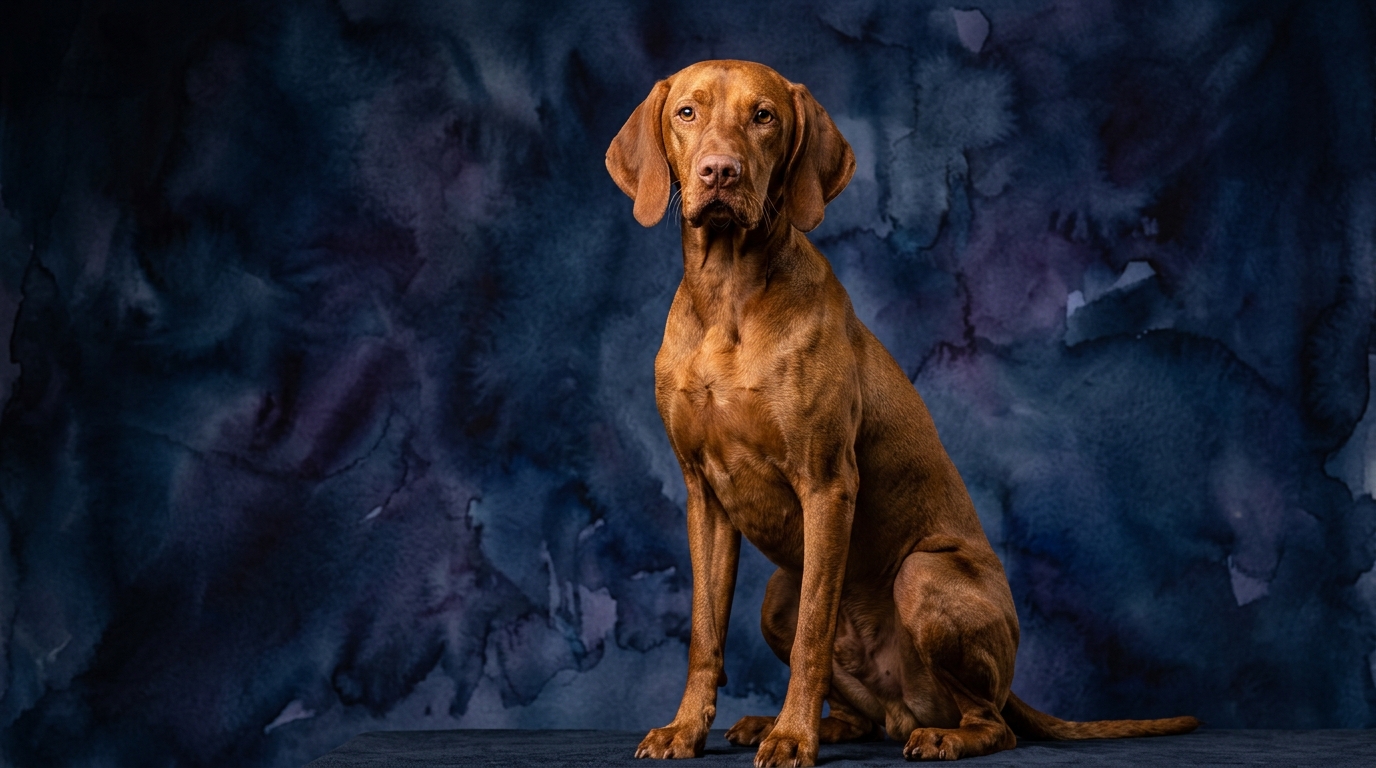
The Vizsla, a breed perfected for cooperative hunting in the Hungarian plains, showcases a remarkable blend of adaptability and focus. Their Problem Solving score of 4/5 reflects an aptitude for navigating complex field scenarios, often requiring strategic thinking to retrieve game efficiently. Training Speed, also at 4/5, highlights their eagerness and capacity to quickly assimilate new commands and routines, driven by a strong desire to work alongside their human partners. Their Social Intelligence is exceptional at 5/5, indicating an acute sensitivity to human cues, emotions, and intentions, fostering profound bonds. With an Instinctive Drive of 5/5, they possess an unwavering prey drive and a natural inclination for scent work and retrieving, fundamental to their sporting heritage. A Memory score of 4/5 ensures they retain learned behaviors and associative memories with impressive reliability, making them consistent performers.
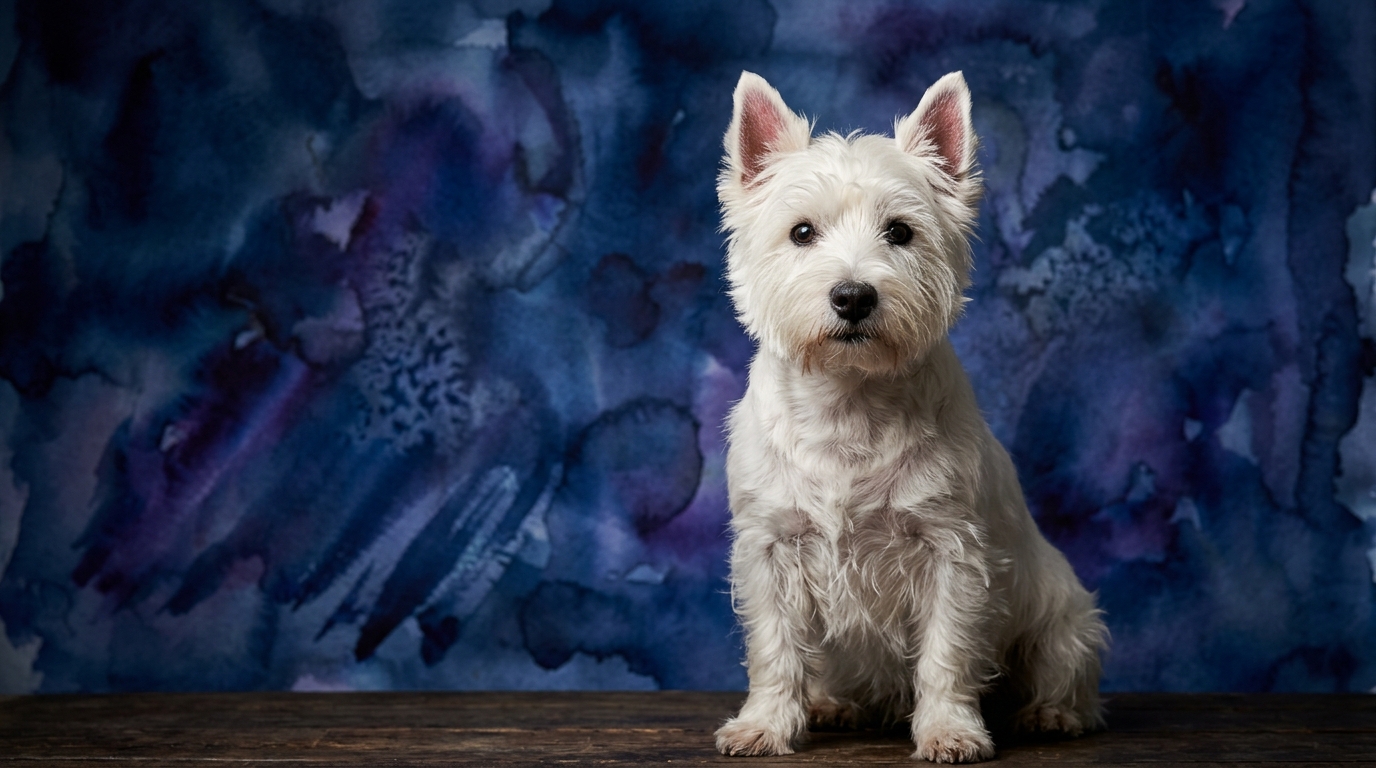
In contrast, the West Highland White Terrier, originating from the rugged Scottish Highlands, developed cognitive traits suited for independent vermin control. Their Problem Solving score of 3/5 suggests a practical, often persistent approach to challenges, focusing on direct action rather than intricate planning, which served them well in flushing out burrowing prey. Training Speed, rated 3/5, indicates they learn at a moderate pace, often exhibiting a terrier's characteristic independence that can sometimes require more patient, consistent reinforcement. Their Social Intelligence at 3/5 points to a nature that, while affectionate, maintains a degree of self-reliance, processing social interactions through a more individualistic filter. An Instinctive Drive of 3/5 reflects a strong, targeted prey drive for small animals, distinct from the collaborative drive of a sporting dog. Notably, their Memory also scores 4/5, demonstrating a solid capacity to recall routines and associations pertinent to their environment and tasks, proving that tenacity and recall are not mutually exclusive.
Where the Vizsla's Cognitive Edge Shines Brightest
The Vizsla’s cognitive profile clearly positions it as a breed designed for seamless, high-performance partnership. Their perfect 5/5 Social Intelligence score means they are not just responsive, but deeply empathetic and attuned to their human companions. This profound understanding allows them to anticipate desires and react to subtle non-verbal cues, making them exceptional working partners in activities ranging from advanced obedience to complex field trials. This isn't merely about following commands; it's about a shared mental space, where the dog actively seeks to understand and fulfill a common objective, reflecting their deep history of collaboration.
Furthermore, the Vizsla’s 4/5 Problem Solving and 4/5 Training Speed are intrinsically linked to this social acumen and their 5/5 Instinctive Drive. Their problem-solving isn't just abstract; it's often applied to real-world tasks that benefit from human guidance. They excel at figuring out how to retrieve a challenging object or navigate an obstacle course, not just for the sake of it, but often with an eye towards pleasing their handler and achieving a shared goal. Their rapid training assimilation stems from this blend of understanding and an innate desire to connect and perform within a human-led team, making them exceptionally rewarding for those who enjoy structured, progressive training.
The West Highland White Terrier's Unique Cognitive Strengths
While the West Highland White Terrier's cognitive scores might appear lower in comparison to the Vizsla across several dimensions, it is crucial to interpret these through the lens of their historical purpose: independent vermin control. Their 3/5 Problem Solving score, for instance, reflects a breed that doesn’t necessarily seek human direction for every challenge but rather employs a tenacious, self-reliant approach. Faced with a complex burrow system, a Westie might not strategize with a handler but would instead relentlessly investigate and dig, using trial-and-error driven by an unwavering internal motivation. This form of problem-solving, while different from a sporting dog's collaborative effort, is a significant strength for solo tasks.
The Westie's 3/5 Social Intelligence and 3/5 Instinctive Drive contribute to this self-sufficiency. They are observant and capable of forming strong bonds, but their social interactions are often tempered by a distinct independent streak; they interpret cues but may prioritize their own inclinations. Their instinctive drive, while not a 5/5 like the Vizsla's broad hunting scope, is acutely focused on small prey. This concentrated drive, combined with a robust 4/5 Memory, means they are exceptionally good at remembering locations of scent trails or specific digging spots, and they retain the learned behaviors essential for their self-directed pursuits. Their memory allows them to consistently apply their persistent problem-solving to recurring environmental challenges, making them effective and reliable in their specialized role.
Training Dynamics: Vizsla's Eagerness vs. Westie's Independence
When it comes to ease of training, the Vizsla generally presents a more straightforward path for most owners. Their 4/5 Training Speed is bolstered by a 5/5 Social Intelligence and a strong desire to please and collaborate. Vizslas are quick studies, eager to engage in training sessions, and readily absorb new commands because they inherently value the partnership aspect of the interaction. They thrive on positive reinforcement and consistent guidance, often viewing training as an engaging game played with their beloved human, which reinforces their bond and accelerates their learning curve. Their high instinctive drive, when channeled appropriately, makes them highly motivated to perform tasks that simulate hunting or retrieving.
The West Highland White Terrier, with its 3/5 Training Speed and 3/5 Social Intelligence, requires a different approach. Their independent and often tenacious nature means they are less inherently driven to comply purely for human approval. Training a Westie demands patience, consistency, and a deep understanding of their terrier spirit. They respond best to positive reinforcement methods that make training feel like a rewarding game, often one where they feel they are making their own choices. Repetitive, dull drills can quickly lead to disengagement. Owners must be creative in making training stimulating, leveraging their natural curiosity and focused instinctive drive, perhaps by incorporating scent games or short, engaging sessions to maintain their interest and overcome their inherent self-reliance.
Matching Cognitive Profiles to Lifestyles: Active vs. Relaxed Owners
The cognitive and physical demands of these two breeds align with remarkably different owner lifestyles. The Vizsla, with its 5/5 Instinctive Drive, high problem-solving capacity, and exceptional social intelligence, is an ideal companion for active owners who relish engaging deeply with their dogs. They thrive in environments where they receive substantial physical exercise – daily long runs, hikes, or vigorous play sessions – coupled with consistent mental stimulation. Activities like agility, tracking, advanced obedience, or field work are not just enjoyable for a Vizsla; they are crucial for their mental well-being, allowing them to utilize their innate talents for collaboration and problem-solving. Owners who lead an adventurous outdoor life and seek a constant, devoted canine partner will find the Vizsla an unparalleled match.
The West Highland White Terrier, while certainly an active breed, possesses a different energy profile and cognitive focus, making them suitable for owners who might not be extreme athletes but are still committed to engagement. Their 3/5 Instinctive Drive, while strong for specific tasks, translates to activity needs that are intense but often in bursts. They enjoy regular walks, playtime, and opportunities to explore and 'hunt' in a safe backyard environment. Mentally, they need outlets for their independent problem-solving and focused drive, which can include puzzle toys, supervised digging areas, or short, engaging training sessions that challenge their persistence. Owners who appreciate a spirited, self-possessed companion and are prepared to engage their Westie’s mind with focused activities, rather than continuous high-output exercise, will find a rewarding partnership.
The Verdict
Choose a Vizsla if you are an active individual or family seeking a highly collaborative, empathetic, and trainable companion eager to share in outdoor adventures and intellectual challenges. Their profound social intelligence and drive for partnership make them thrive with consistent engagement and a shared active lifestyle.
Opt for a West Highland White Terrier if you appreciate an independent, resilient, and spirited companion who enjoys focused activities and can entertain themselves while still forming deep bonds. They suit owners who can provide consistent, stimulating mental challenges and enjoy a dog with a distinctive, self-reliant personality.
🧠 Find Your Pet's IQ Score
Our Pet IQ Lab assessment covers 25+ tests across 5 cognitive dimensions — personalized to your breed.
Take the Full IQ Test →Frequently Asked Questions
What makes the Vizsla's social intelligence exceptionally high?
The Vizsla's 5/5 social intelligence stems from their historical role as a close hunting partner, requiring deep attunement to human cues and intentions. They are highly sensitive to their owner's emotions and body language, allowing for seamless communication and a strong, reciprocal bond, making them incredibly intuitive companions.
How does the Westie's problem-solving approach differ from the Vizsla's?
The Westie's 3/5 problem-solving is characterized by independence and persistence, focusing on self-directed exploration and tenacious effort, like digging out a burrow. The Vizsla's 4/5 problem-solving is often collaborative, involving strategic thinking to achieve shared goals with their human, such as navigating a complex retrieve.
Is a West Highland White Terrier inherently harder to train than a Vizsla?
A Westie's 3/5 training speed and independent nature can make them more challenging to train than a Vizsla's 4/5 speed and eagerness to please. Westies require more patience, creativity, and consistency, as they are less motivated by pure compliance and respond best to engaging, positive reinforcement methods that respect their self-reliant spirit.