Side-by-Side IQ Profile: Weimaraner vs. Great Pyrenees
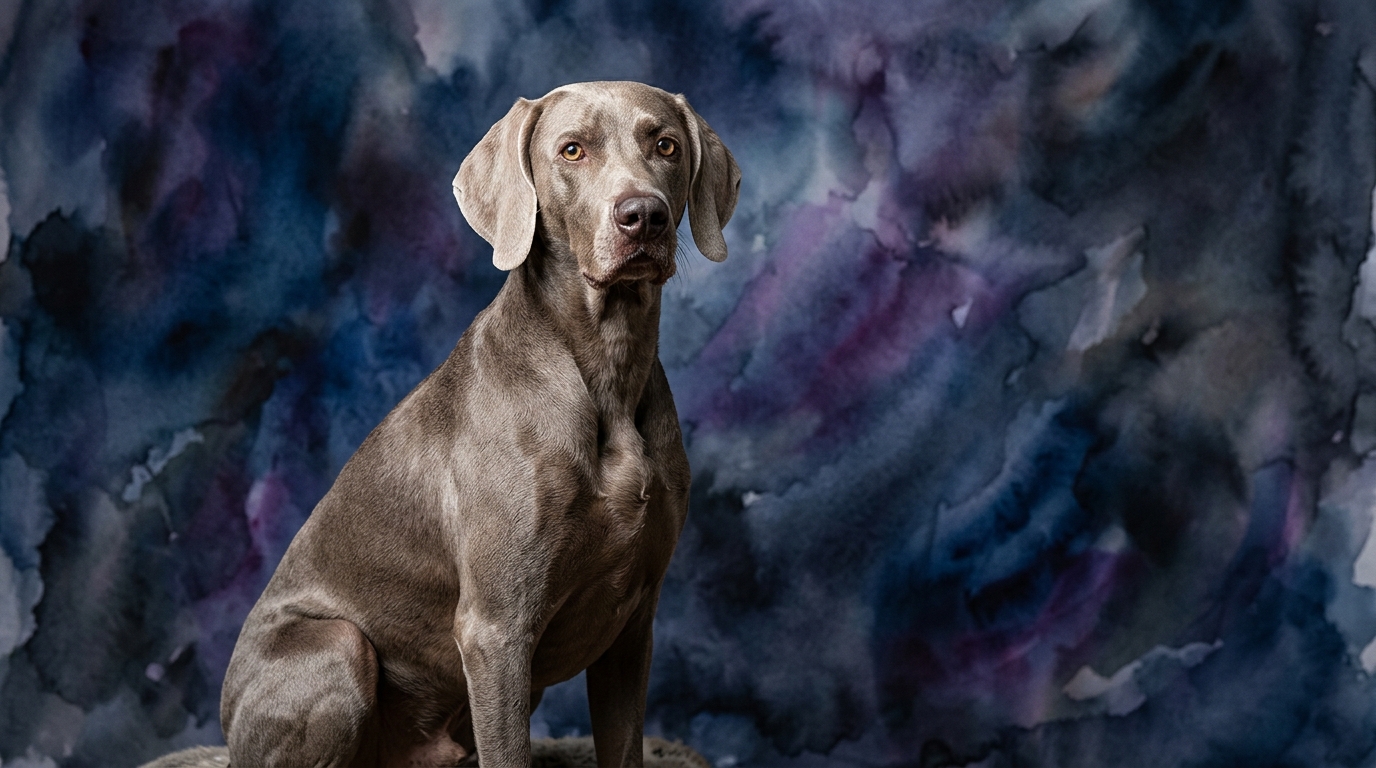
The Cosmic Pet Pet IQ Lab meticulously evaluates canine intelligence across five critical dimensions, revealing the nuanced cognitive blueprints of each breed. For the Weimaraner, a Sporting group dog with a Coren rank of #21, their profile paints a picture of sharp, engaged intellect. Their Problem Solving is rated 4/5, reflecting an adeptness at navigating intricate situations, particularly those encountered during hunting or complex retrieval tasks. Training Speed also scores 4/5, indicating a quick grasp of new commands and a strong desire to learn, often thriving on the mental engagement of structured lessons. Social Intelligence, at 4/5, highlights their deep attunement to human cues, emotions, and family dynamics, fostering strong, collaborative bonds. An Instinctive Drive of 5/5 underscores their powerful prey drive, acute scenting ability, and an innate desire to work harmoniously with their human partners in the field. Finally, their Memory, rated 4/5, ensures effective retention of learned behaviors, specific task sequences, and critical environmental details.
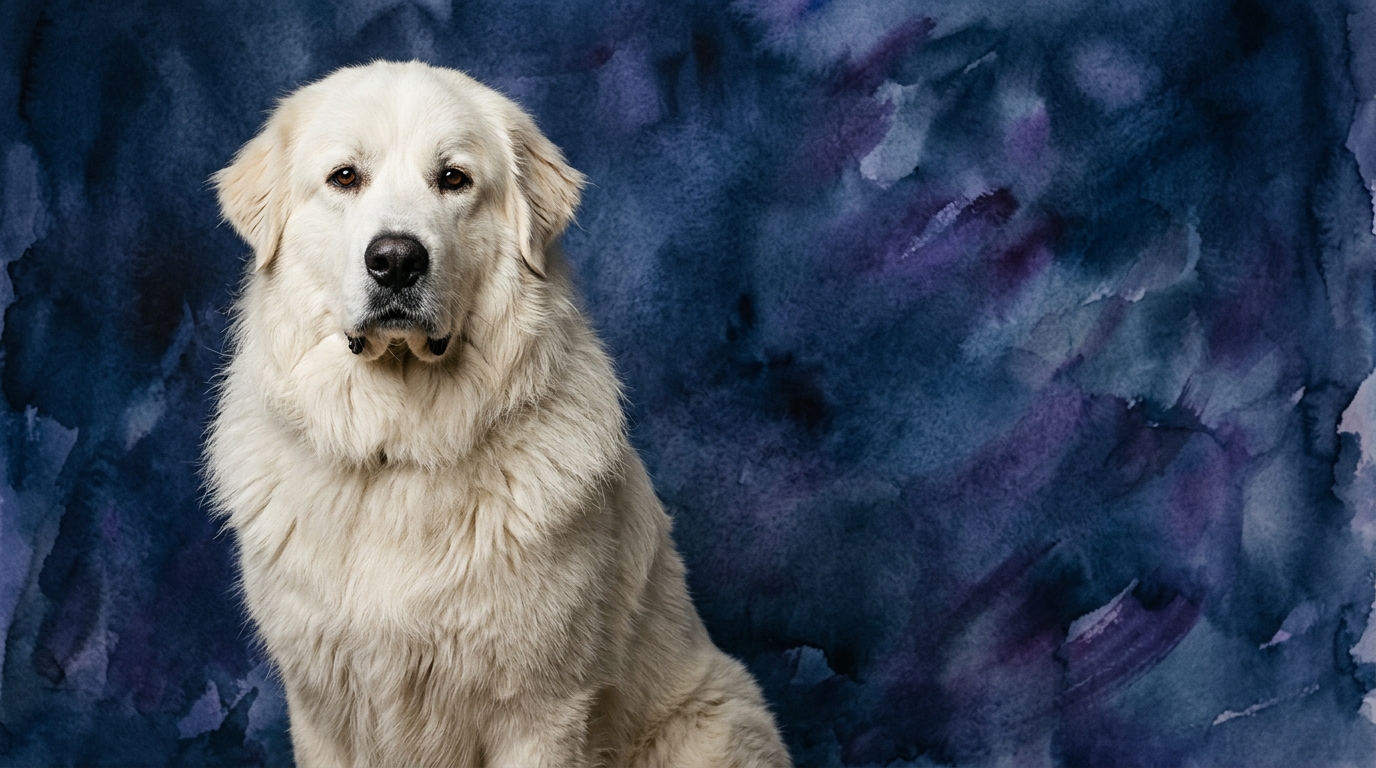
In contrast, the Great Pyrenees, a Working group dog holding a Coren rank of #64, presents a cognitive profile shaped by centuries of independent livestock guarding. Their Problem Solving is rated 3/5, demonstrating competence in assessing threats and devising protective strategies for their flock, though perhaps less inclined towards human-initiated puzzles or collaborative problem-solving. Training Speed stands at 3/5; while capable of learning, their inherent independence often necessitates more repetition and patience, as their primary focus isn't necessarily human-directed obedience. Social Intelligence, also 3/5, reflects an understanding of flock dynamics and the ability to distinguish between familiar and potential threats, yet they may exhibit less urgency in interpreting subtle human social cues compared to a companion breed. Their Instinctive Drive, 3/5, is powerfully expressed as a territorial and protective urge, a vigilant watchfulness rather than an active, collaborative drive often seen in hunting breeds. Memory, scoring 3/5, supports their ability to retain awareness of their territory, flock members, and recurring environmental patterns relevant to their guarding duties.
Where the Weimaraner Wins Cognitively
The Weimaraner’s cognitive strengths shine particularly bright in areas demanding active partnership and rapid adaptation. Their superior Training Speed (4/5) means they acquire complex sequences and new commands with remarkable efficiency, often anticipating the next step in a task. This quick uptake allows them to excel in dynamic activities like advanced obedience, agility, or tracking, where precise execution of multiple cues is paramount. Furthermore, their elevated Social Intelligence (4/5) enables a deeper, more nuanced responsiveness to human direction, including subtle vocal inflections and body language, fostering a highly collaborative working relationship. They are more likely to engage enthusiastically in human-directed problem-solving, viewing it as a shared endeavor rather than an independent challenge. This collaborative spirit, coupled with their strong Memory (4/5), makes them particularly adept at remembering intricate routines and applying learned solutions across varied, novel situations.
Where the Great Pyrenees Wins Cognitively
The Great Pyrenees, while often perceived as less 'trainable' in conventional terms, possesses a distinct set of cognitive advantages rooted in their ancient role as independent guardians. Their Problem Solving (3/5), though not geared towards human-centric puzzles, is exceptional in the context of threat assessment and protection. They exhibit superior independent judgment, capable of evaluating situations and formulating defensive strategies without constant human intervention, a critical trait for a livestock guardian. This breed demonstrates remarkable spatial reasoning related to territorial awareness, understanding the boundaries of their domain and the movements within it, often exhibiting a profound understanding of their environment. Their instinctive drive (3/5), while lower on the collaborative scale, translates into a sustained vigilance and an innate ability to assess environmental threats with a calm, unwavering focus. They are adept at differentiating between normal occurrences and potential dangers, acting decisively when their protective instincts are truly engaged, showcasing a self-reliant cognitive process that prioritizes the safety of their charge.
Which is Easier to Train, and Why?
When considering ease of training, the Weimaraner undoubtedly holds an advantage. Their high Training Speed (4/5) and strong Social Intelligence (4/5) mean they are inherently eager to engage with their human companions and quickly grasp new commands and concepts. They thrive on the mental stimulation and partnership that training offers, often viewing it as a rewarding game. Their powerful Instinctive Drive (5/5) can be effectively channeled into focused tasks, making them highly responsive to consistent, positive reinforcement methods. These dogs are generally motivated to please and enjoy the process of learning and working alongside their owners, leading to a more straightforward and often faster training progression.
In contrast, training a Great Pyrenees typically requires a different approach and a greater degree of patience. Their lower Training Speed (3/5) reflects their independent nature; they were selectively bred to make autonomous decisions in the field, not to constantly seek human instruction. Their Social Intelligence (3/5) is primarily geared towards understanding flock dynamics and identifying threats, rather than immediate, unquestioning obedience to human commands. A Great Pyrenees might often 'question' a command if it doesn't align with their inherent protective instincts or perceived logical necessity, making them less inclined towards rote learning. Successful training involves understanding and respecting their independent spirit, focusing on consistency, positive reinforcement, and demonstrating why a command is beneficial, rather than expecting immediate, eager compliance. Their purpose-driven intellect means they learn best when the training aligns with their guarding role or makes practical sense to them.
Which Suits Active Owners vs. Relaxed Owners?
For owners leading an active lifestyle, the Weimaraner is an ideal match. Their robust Instinctive Drive (5/5), combined with high Problem Solving (4/5) and Memory (4/5) scores, means they require significant mental and physical engagement to thrive. These dogs excel in a wide array of activities such as hunting, competitive obedience, agility, tracking, or even long-distance running. They are truly partners in adventure, demanding consistent exercise and intellectual challenges to prevent boredom and destructive behaviors. An owner who enjoys spending several hours a day actively engaging with their dog, both physically and mentally, will find the Weimaraner to be an enthusiastic and fulfilling companion.
Conversely, the Great Pyrenees generally suits owners with a more relaxed lifestyle, particularly those who appreciate a calm, independent guardian. While large, their energy is often more reserved and watchful, suited to patrolling a defined territory rather than intense bursts of activity. Their lower scores in training speed and instinctive drive (both 3/5, in a collaborative sense) mean they don't demand constant, high-intensity engagement from their human. They are content with a secure, expansive space to oversee and regular, moderate exercise. Owners who seek a steadfast, protective presence and are prepared to provide a safe, large outdoor environment, but who prefer less structured, demanding interaction, will find the Great Pyrenees a fitting choice.
The Verdict
For individuals or families seeking an active, highly engaged canine partner who thrives on collaborative work, intricate training, and consistent mental stimulation, ready to participate in a wide range of activities, the Weimaraner is an excellent choice.
For those who value an independent, steadfast guardian with a calm demeanor, requiring less direct instruction but demanding respect for their inherent protective instincts and a secure, expansive territory to oversee, the Great Pyrenees will be a fulfilling companion.
🧠 Find Your Pet's IQ Score
Our Pet IQ Lab assessment covers 25+ tests across 5 cognitive dimensions — personalized to your breed.
Take the Full IQ Test →Frequently Asked Questions
Is the Weimaraner truly 'smarter' than the Great Pyrenees?
Not necessarily 'smarter' in an absolute sense, but their cognitive strengths are different. Weimaraners show higher aptitude in human-directed tasks and rapid learning, while Great Pyrenees excel in independent judgment and protective strategies crucial for their guarding role.
How does a dog's Coren rank relate to these IQ scores?
Coren rank primarily assesses 'working and obedience intelligence,' which aligns closely with training speed and responsiveness to human commands. A higher Coren rank, like the Weimaraner's #21, indicates greater proficiency in these areas compared to the Great Pyrenees' #64.
Can a Great Pyrenees be trained for complex tasks like a Weimaraner?
While a Great Pyrenees can certainly be trained, their independent nature means they may not achieve the same rapid acquisition or eager compliance in complex, human-centric tasks as a Weimaraner. Training will require more patience and an understanding of their inherent desire for autonomy.