A Side-by-Side Look at Cognitive Profiles
At The Cosmic Pet Pet IQ Lab, we evaluate canine intelligence across five key dimensions, offering a nuanced perspective beyond simple obedience. This allows us to compare breeds from vastly different groups, like the Sporting Weimaraner and the Toy Miniature Pinscher, revealing how their historical roles have sculpted their mental aptitudes. While the Weimaraner holds a respectable Coren rank of #21, the Miniature Pinscher is not specifically categorized within that framework, suggesting different cognitive priorities.
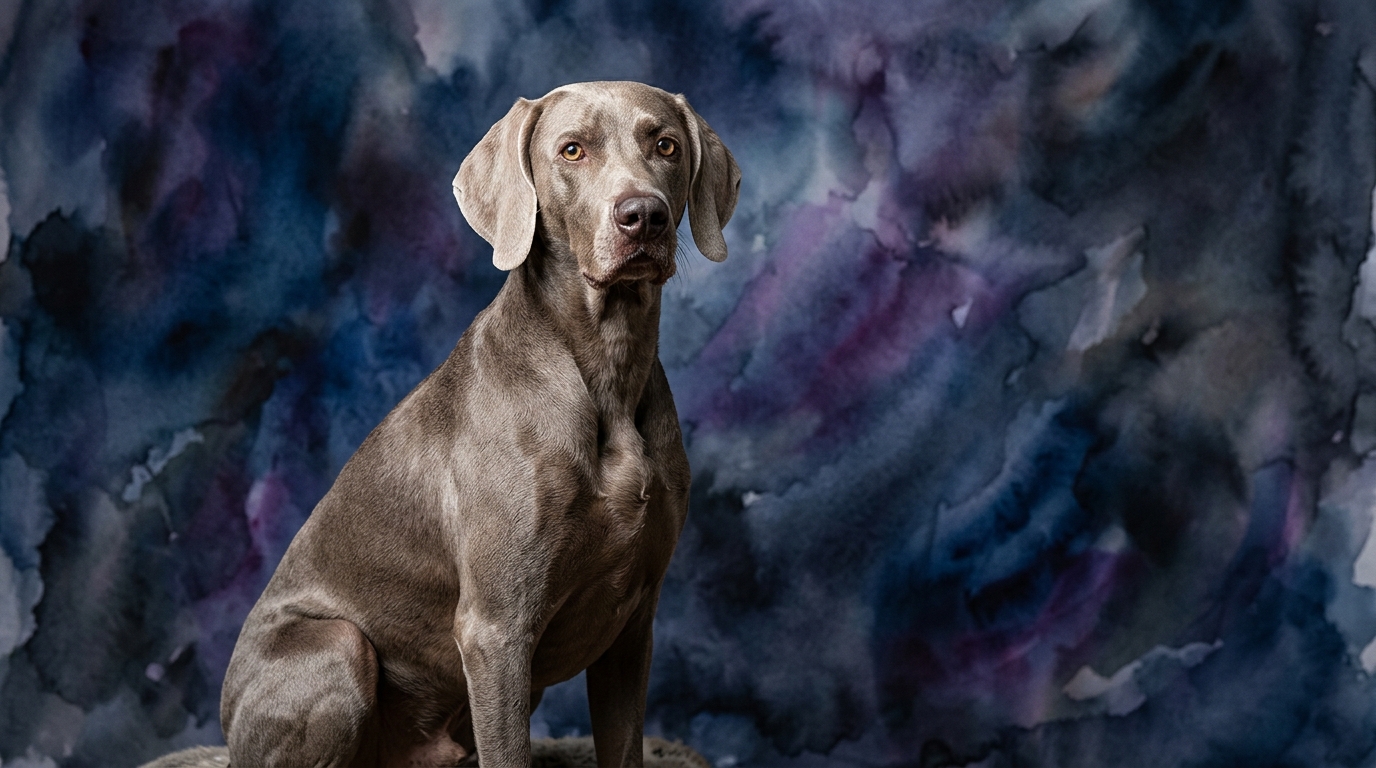
The Weimaraner, a breed developed for hunting and retrieving, exhibits a cognitive profile reflecting its demanding purpose. They score 4/5 in Problem Solving, demonstrating an analytical mind capable of navigating complex tasks in the field. Their Training Speed is 4/5, indicative of a quick grasp of commands and a desire to collaborate. Social Intelligence, also 4/5, highlights their capacity for deep bonds and understanding human cues. A dominant 5/5 in Instinctive Drive underscores their powerful prey drive and relentless focus. Finally, their Memory is 4/5, enabling them to recall intricate routines and past experiences efficiently.
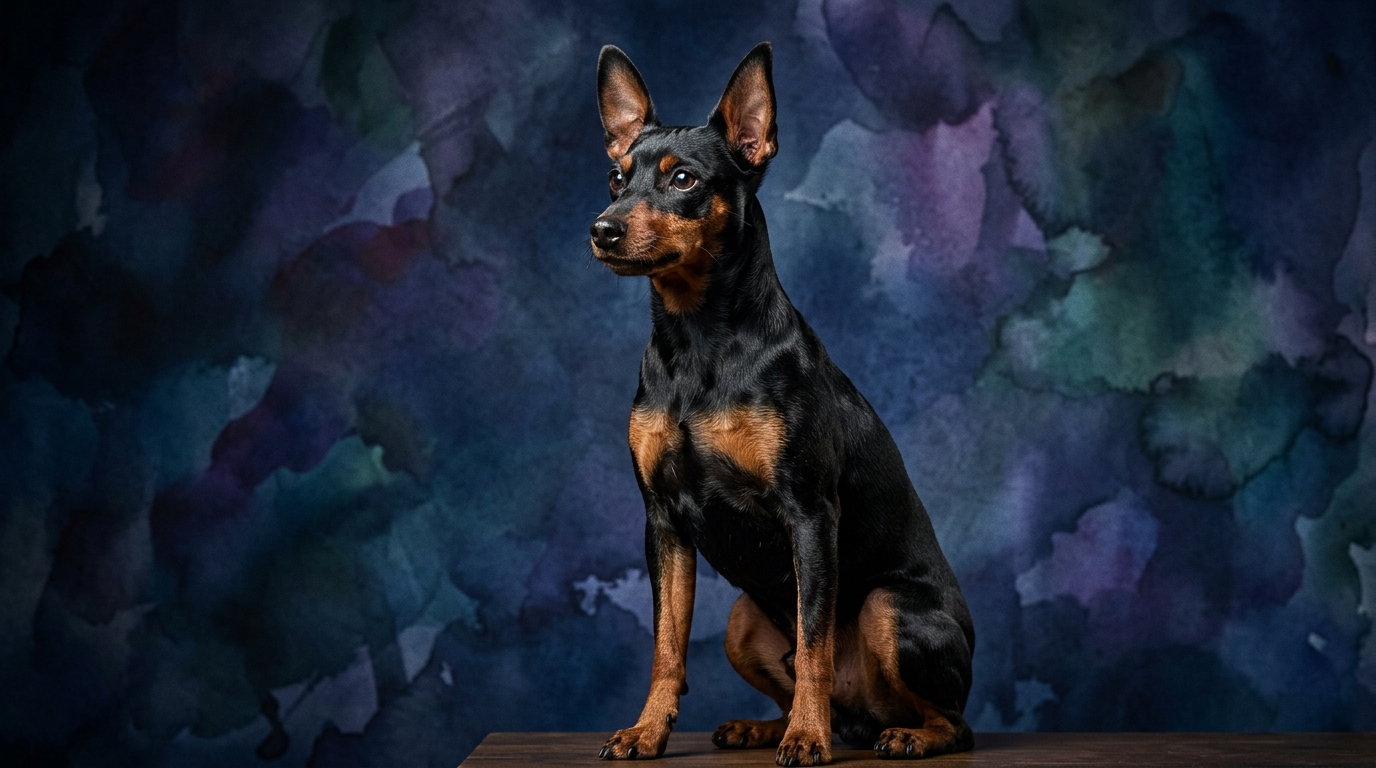
In contrast, the Miniature Pinscher, a spirited companion with roots in vermin control, presents a distinct cognitive blueprint. Their Problem Solving is rated 3/5, focusing more on resourcefulness within their immediate environment rather than complex sequential tasks. Training Speed is 3/5, suggesting they can learn effectively, but often with an independent streak requiring consistent motivation. Social Intelligence stands at 3/5, characterized by alertness and strong bonds with their chosen few. Their Instinctive Drive is also 3/5, manifesting as territorial vigilance and a determined pursuit of small prey. Memory, at 3/5, supports their ability to recall routines and boundaries, particularly those they deem important.
Where the Weimaraner Excels Cognitively
Weimaraners truly shine in sustained, complex problem-solving, particularly tasks involving sequential steps or spatial reasoning, a direct legacy of their hunting heritage. Their ability to track, point, and retrieve game over varied terrain demands a sophisticated internal map and strategic thinking to navigate obstacles and scent trails effectively. This isn't just about following directions; it's about making intelligent decisions in dynamic environments.
Their superior training speed is fundamentally tied to an eagerness to collaborate and a strong desire to work alongside their human companions, making them proficient in advanced obedience, agility, and field trials. This capacity isn't merely about rote learning; it's about understanding the underlying intent behind a command and executing it with precision and enthusiasm, often anticipating the next step in a sequence.
The Weimaraner's 4/5 social intelligence manifests in their nuanced responses to human cues and their capacity to adapt their behavior within a family unit. They often anticipate needs and react to subtle shifts in tone or body language, forging deep, communicative bonds. Their robust memory aids in recalling specific interactions and the associated emotional context, allowing for adaptive social responses that build strong, reciprocal relationships.
Where the Miniature Pinscher Exhibits Unique Mental Strengths
Miniature Pinschers, despite a numerically lower problem-solving score, possess a distinct form of cleverness centered on resourcefulness and navigating their environment. Their smaller stature often necessitates creative solutions to access desired items or circumvent perceived obstacles, demonstrating a tenacious ingenuity in manipulating their surroundings to their advantage. This might involve intricate maneuvers to reach a counter or a determined effort to outsmart a puzzle toy.
Their social intelligence, while different from the Weimaraner's collaborative nature, is acutely developed for alertness and territorial awareness. They are masters of observation, quickly discerning new arrivals or unusual sounds, and communicating these alerts with unwavering conviction. This vigilance, coupled with their memory for perceived threats or changes in routine, makes them exceptionally effective miniature guardians, always attuned to their domain.
The Min Pin's 3/5 instinctive drive is less about cooperative hunting and more about assertive self-preservation and territorial defense. This translates into a focused determination when pursuing a perceived intruder, be it a squirrel in the yard or a stranger approaching the door, or when securing a favorite spot. This reveals a tenacious mental fortitude and a deep sense of purpose in protecting their perceived territory and people, often expressed with an unwavering confidence that belies their size.
Training Dynamics: Weimaraner vs. Miniature Pinscher
The Weimaraner, with a Training Speed of 4/5, generally proves easier to train due to their strong desire to please and their capacity for understanding complex commands quickly. Their social intelligence and memory mean they grasp patterns and expectations rapidly, making them suitable for intricate tasks and competitive dog sports. They thrive on positive reinforcement and consistent guidance, eager to engage in mental challenges that align with their collaborative spirit. For instance, a Weimaraner might learn an elaborate agility course, internalizing the sequence of jumps, tunnels, and weaves through a shared understanding with their handler.
In contrast, the Miniature Pinscher's Training Speed of 3/5 indicates a different approach is necessary. While capable of learning, their independent streak and assertive nature mean training requires more patience, consistency, and a clear understanding of their motivations. They respond best to reward-based methods that make learning feel like a game, rather than a command. For example, a Weimaraner might learn "heel" to stay by your side during a walk, understanding it's a team effort and a shared purpose. A Min Pin might learn "heel" because a high-value treat consistently appears when they maintain position, and they quickly calculate the immediate reward of compliance, often requiring more frequent reinforcement to maintain consistency.
Matching Breeds to Lifestyles: Active vs. Relaxed Owners
The Weimaraner is unequivocally suited for active owners. Their 5/5 instinctive drive and high cognitive capacity demand consistent physical and mental engagement, often for several hours a day. These dogs thrive in environments where they can participate in daily long runs, demanding field work, advanced obedience, or competitive agility. Owners who enjoy hiking, running, or dog sports will find a Weimaraner an unparalleled partner, as their memory and problem-solving skills allow them to excel in complex, dynamic activities that truly challenge their minds and bodies. A relaxed owner would likely find themselves overwhelmed by a Weimaraner's unmet need for stimulation, potentially leading to destructive behaviors or persistent vocalizations born of boredom.
The Miniature Pinscher, while undeniably spirited, can adapt to a slightly less intense activity schedule, making them suitable for owners who might be less inclined towards extreme athletic pursuits but still enjoy daily walks and engaging play. Their cognitive strengths lean towards alertness and territorial vigilance rather than sustained endurance. They are content with shorter, frequent bursts of activity, such as spirited games of fetch or short walks, and ample indoor mental stimulation, like puzzle toys or brief training sessions. A relaxed owner who appreciates a vigilant, confident companion and enjoys shorter, interactive play will find the Min Pin a rewarding fit, provided their need for attention, consistent boundaries, and opportunities for mental engagement are met.
The Verdict
Choose the Weimaraner if you are an active, committed owner seeking a highly trainable, collaborative canine partner for demanding physical activities and advanced mental challenges, thriving on a shared sense of purpose.
Opt for the Miniature Pinscher if you appreciate a spirited, alert, and independent companion who offers robust territorial awareness and enjoys interactive play, suitable for owners who provide consistent boundaries and daily engagement without needing extreme athleticism.
🧠 Find Your Pet's IQ Score
Our Pet IQ Lab assessment covers 25+ tests across 5 cognitive dimensions — personalized to your breed.
Take the Full IQ Test →Frequently Asked Questions
How does the Coren ranking relate to these breeds?
The Weimaraner's Coren rank of #21 places it among breeds that understand new commands in 15-25 repetitions and obey the first command 70% of the time or better, signifying a high capacity for obedience and working intelligence. The Miniature Pinscher is not ranked by Coren, indicating its cognitive profile leans less towards this specific measure of obedience and more towards independent problem-solving and alertness.
Do Miniature Pinschers have a lower 'IQ' than Weimaraners?
The scores reflect different types of cognitive strengths and how they manifest, rather than a simple measure of 'more' or 'less' intelligence. While the Weimaraner generally excels in cooperative problem-solving and training speed, the Miniature Pinscher demonstrates a distinct cleverness in resourcefulness and vigilance, tailored to its historical role and environment.
Can a Miniature Pinscher be trained for advanced tasks like a Weimaraner?
While a Miniature Pinscher can certainly learn advanced tasks, their independent nature means it will likely require more patience, creativity, and consistent motivation compared to a Weimaraner, who typically thrives on structured learning and collaborative work. Their strengths lie more in alertness and clever navigation than in complex, cooperative sequences.