Side-by-Side IQ Profile
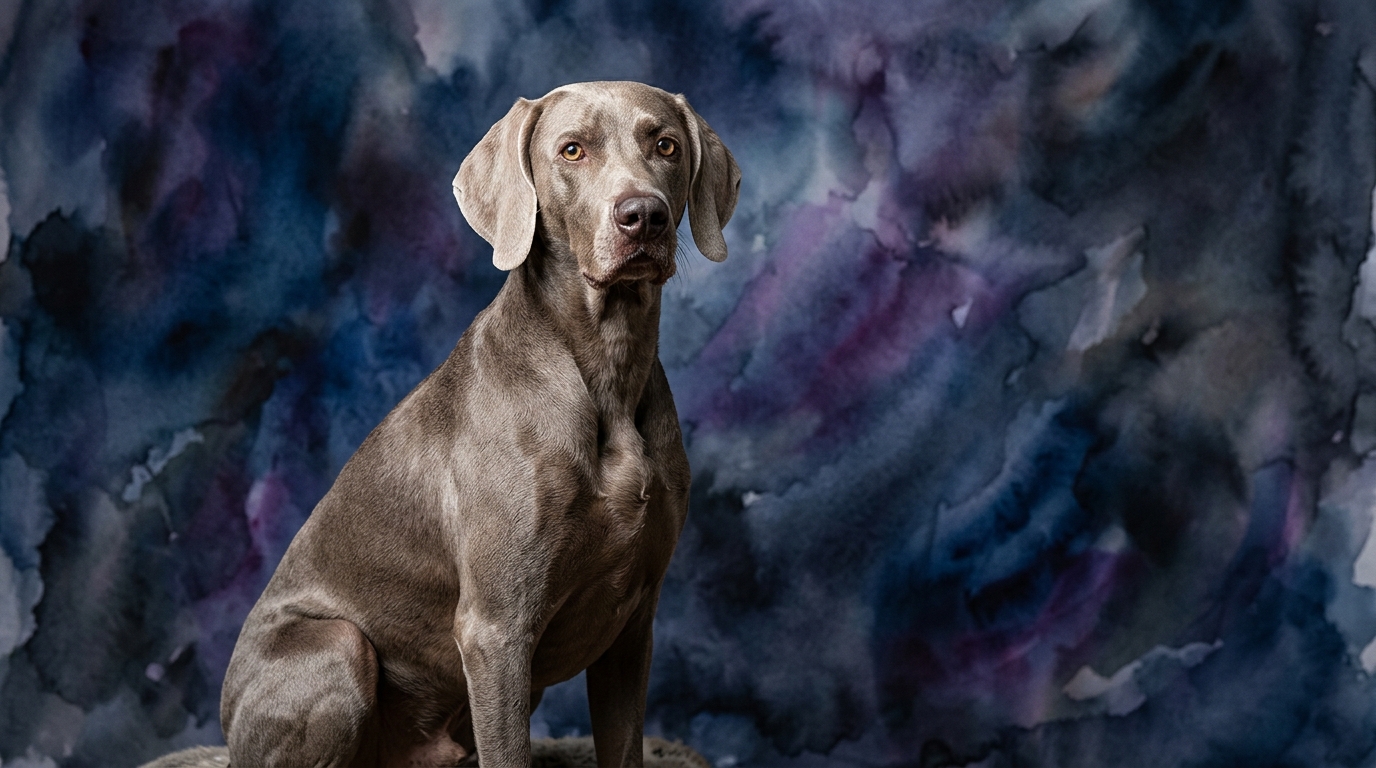
The Weimaraner, ranking #21 on Coren's list, displays a robust and balanced cognitive profile. Their Problem Solving score of 4/5 indicates a capacity for intricate thought, allowing them to strategize in hunting scenarios or quickly adapt to new household routines. Training Speed, also at 4/5, reflects their eagerness to absorb new commands and behaviors, often picking up complex sequences with relative ease. A Social Intelligence of 4/5 means they are highly attuned to human emotions and cues, fostering a deep partnership. Their Instinctive Drive, a commanding 5/5, is a powerful engine for their work, manifesting as an intense focus on scent and prey, coupled with a relentless desire to pursue. Finally, their Memory at 4/5 ensures they retain learned behaviors and spatial information, making them consistent performers.
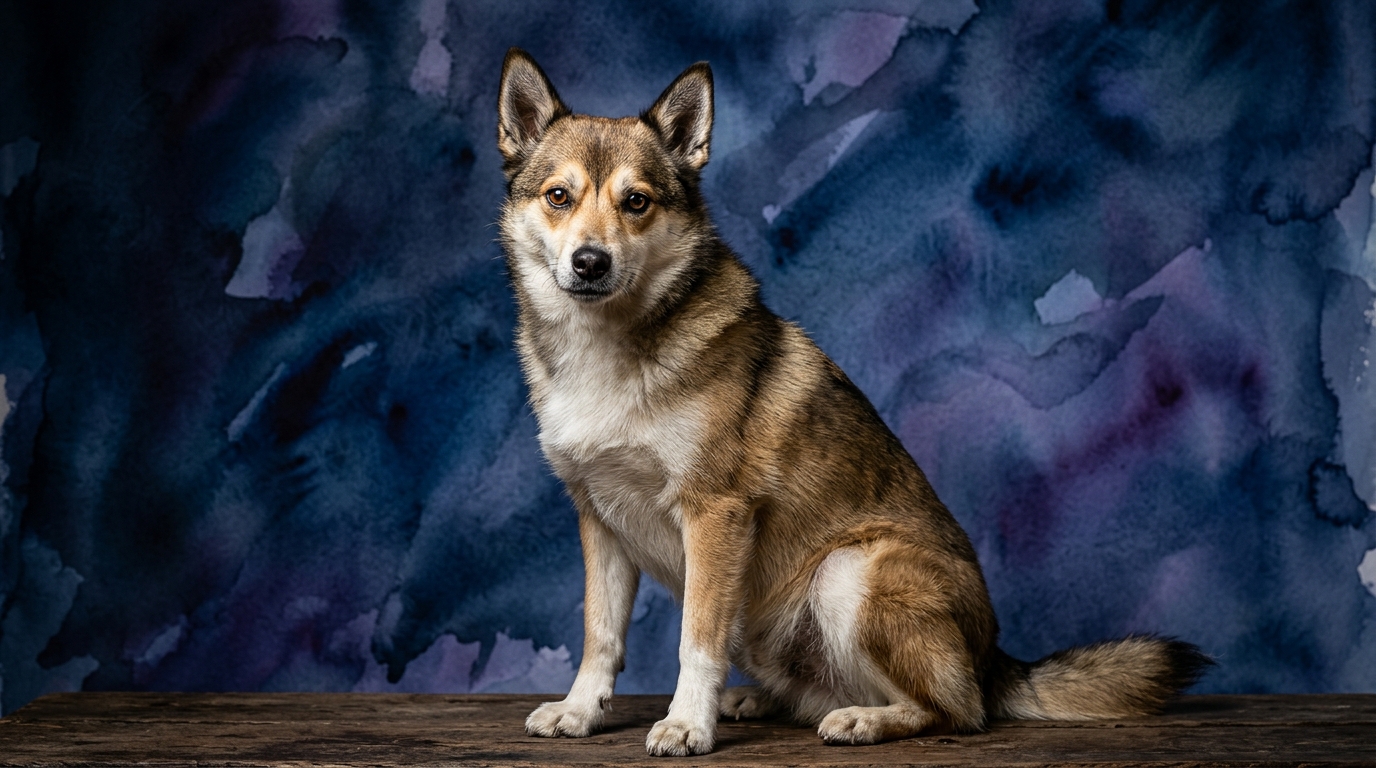
The Norwegian Lundehund, a non-Coren-ranked breed, presents a more specialized cognitive landscape, profoundly influenced by its unique history. Their Problem Solving at 3/5 suggests competence in specific, often physical, challenges – such as navigating tight crevices or extracting prey from difficult locations – rather than broad, abstract puzzles. A Training Speed of 3/5 indicates they can learn, but often require more repetition and motivation due to their independent nature. Social Intelligence at 3/5 means they are observant but may not always prioritize human directives over their own independent assessment of a situation. Their Instinctive Drive, also 3/5, is focused and persistent for their original task of puffin hunting, but might not translate to the high-octane drive seen in other sporting breeds. Memory, rated 3/5, allows them to recall specific routes and learned tasks, though perhaps not with the same breadth or speed as the Weimaraner.
Where Weimaraner Wins Cognitively
The Weimaraner's cognitive strengths shine in areas demanding collaborative problem-solving and rapid adaptation. With a Problem Solving score of 4/5, they excel at tasks requiring multi-step solutions, such as navigating complex agility courses or understanding intricate scent work patterns. Their superior Training Speed (4/5) means they grasp new concepts quickly, often anticipating owner cues and chaining behaviors together, making them proficient in advanced obedience or specialized roles like search and rescue. A Social Intelligence of 4/5 allows them to read subtle human body language and vocal inflections, making them highly responsive partners in dynamic environments. This keen social awareness, coupled with their strong Memory (4/5), enables them to recall specific training sequences and associate them with particular contexts, leading to reliable performance even after long breaks. Their formidable Instinctive Drive (5/5) translates into an unwavering focus and stamina, allowing them to sustain effort on demanding tasks for extended periods, whether tracking a scent or performing repetitive drills. This combined profile makes them particularly adept at working alongside humans in goal-oriented endeavors.
Where Norwegian Lundehund Wins Cognitively
The Norwegian Lundehund's cognitive profile, while different from the Weimaraner's, represents a highly specialized form of intelligence perfectly adapted to its original niche. Their Problem Solving score of 3/5, rather than indicating a deficit, points to a unique aptitude for navigating complex, three-dimensional environments. They are exceptionally skilled at independently assessing and maneuvering through tight, uneven terrain, such as rock crevices and burrows, a critical trait for puffin hunting. This involves spatial reasoning and persistent, self-directed exploration without constant human guidance. Their Instinctive Drive (3/5) is not necessarily about speed or broad pursuit, but rather a focused, tenacious drive to locate and extract prey from confined spaces, requiring patience and meticulous work. The Lundehund's Social Intelligence (3/5) fosters a degree of independence; they are observant of their surroundings and humans but are less reliant on constant human direction, making them self-sufficient problem solvers in their specialized tasks. Their Memory (3/5) is likely geared towards recalling intricate routes through challenging landscapes, remembering the locations of burrows, and retaining the specific techniques needed for their unique hunting style. These traits coalesce into a canine whose cognitive prowess is best observed in tasks requiring independent thought, physical dexterity, and sustained focus on a very particular type of challenge.
Which is Easier to Train and Why
Without question, the Weimaraner is generally easier to train compared to the Norwegian Lundehund. The Weimaraner's Training Speed of 4/5, combined with a Social Intelligence of 4/5 and a potent Instinctive Drive of 5/5, creates a dog highly motivated to engage with and please its human companion. They absorb new commands rapidly, often requiring fewer repetitions, and are highly attuned to their owner's wishes, making them eager participants in training sessions. Their strong memory (4/5) ensures retention of learned behaviors, contributing to a more consistent and predictable training trajectory. Weimaraners thrive on having a "job" and excel when given clear direction and positive reinforcement, quickly forming strong working partnerships. In contrast, the Norwegian Lundehund's Training Speed of 3/5, Social Intelligence of 3/5, and Instinctive Drive of 3/5 suggest a more independent and less outwardly driven approach to learning. While capable of learning, they may require more patience, creativity, and consistent motivation from their trainer. Their historical role as solitary hunters fostered a strong sense of self-reliance, meaning they might not always see the immediate benefit of human-directed tasks and can exhibit a charming stubbornness. Training a Lundehund often involves making the learning process highly engaging and rewarding, focusing on positive reinforcement to tap into their independent problem-solving skills rather than expecting eager compliance. Their memory (3/5) supports learning, but their lower social drive means they might prioritize their own interests over human requests if not sufficiently motivated.
Which Suits Active Owners vs. Relaxed Owners
The Weimaraner is unequivocally suited for active owners who can provide ample physical exercise and, crucially, consistent mental stimulation. Their remarkable Instinctive Drive (5/5), coupled with high Problem Solving (4/5) and Training Speed (4/5), means they thrive when given a purpose and a "job" to do. Owners who enjoy activities like running, hiking, dog sports (agility, obedience, tracking), or even hunting will find a Weimaraner to be an enthusiastic and capable partner. A Weimaraner left without sufficient outlets for their energy and cognitive capacity can quickly become bored, potentially leading to destructive behaviors or excessive vocalization. They require an owner who understands their need for structured activity and mental challenges to prevent them from becoming restless. Conversely, the Norwegian Lundehund, while also an active breed in its own right, suits an owner who appreciates a more independent companion and understands their specialized needs, rather than a constantly "on-the-go" partner. While they need regular exercise to maintain their unique physical structure and overall health, their Instinctive Drive (3/5) is less about high-octane, continuous exertion and more about focused, exploratory activity. They may enjoy walks, hikes, and opportunities to investigate their surroundings, but might not demand the same intensity or structured "work" as a Weimaraner. Owners who appreciate a dog with a strong sense of self, who can entertain themselves to some extent, and are patient with their independent nature would be a better fit. A relaxed owner in the sense of someone who doesn't want an intensely driven working dog, but still enjoys daily activity, would find the Lundehund's energy levels more manageable than the Weimaraner's.
The Verdict
Choose the Weimaraner if you are an active individual or family seeking a highly trainable, devoted partner eager to engage in demanding activities and collaborative work. Their keen intelligence and powerful drive make them exceptional companions for those who can provide consistent mental and physical challenges.
Choose the Norwegian Lundehund if you appreciate a unique, independent dog whose specialized intelligence thrives on exploration and independent problem-solving, and you are prepared for a charmingly self-reliant companion who enjoys activity but doesn't necessarily seek constant human-directed "work."
🧠 Find Your Pet's IQ Score
Our Pet IQ Lab assessment covers 25+ tests across 5 cognitive dimensions — personalized to your breed.
Take the Full IQ Test →Frequently Asked Questions
Are Weimaraners good family dogs?
Weimaraners can be excellent family dogs when properly socialized and exercised, forming strong bonds with their human family due to their high social intelligence and desire for companionship, but their energy requires an active household.
How much exercise does a Norwegian Lundehund need?
Norwegian Lundehunds require moderate daily exercise, including walks and opportunities for free exploration, to keep them physically and mentally healthy, though perhaps not the intense, sustained activity level of a Weimaraner.
Do Norwegian Lundehunds bark a lot?
Norwegian Lundehunds are not typically excessive barkers, but like any breed, they can be vocal to alert or express themselves, especially if bored or left alone for extended periods without mental engagement.